
Can Baking Soda Kill Fleas Safe Effective Tips

Baking soda may help with flea cleanup, but it does not reliably kill fleas on its own. For real results, combine pet treatment, vacuuming, and washing with any baking soda use.
Can baking soda kill fleas? The short answer is that it may help with cleanup, but it is not a reliable flea killer on its own. For most homes, baking soda is best treated as a light-support step alongside vacuuming, pet treatment, and laundry.
- Not a stand-alone fix: Baking soda is not a proven primary flea treatment.
- Best role: Use it only as a light supplemental cleaning aid.
- Most important step: Treat the pet and vacuum repeatedly.
- Safety first: Keep powder use light and clean it up thoroughly.
- Severe cases: Widespread infestations often need professional help.
Can Baking Soda Kill Fleas: What the 2026 Evidence Actually Says
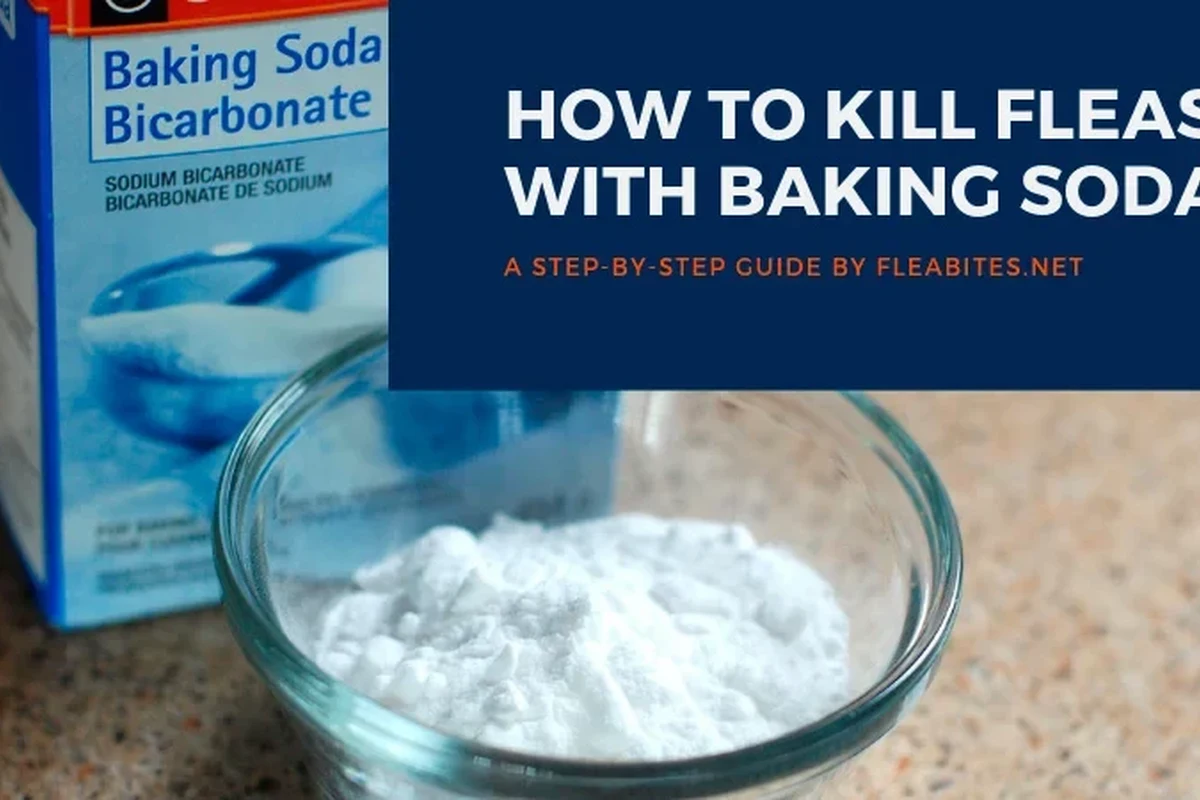
Baking soda is often mentioned as a home remedy for fleas because it is inexpensive and easy to sprinkle on carpets. The idea is that it may dry out flea eggs or larvae, but current pest-control guidance does not support baking soda as a proven stand-alone solution for an infestation.
That matters because flea problems are usually not just about the adult insects you can see. Most of the population is often hidden in eggs, larvae, and pupal stages in the home, which is why a surface treatment that seems simple can fall short.
How baking soda is supposed to affect fleas
The theory is straightforward: baking soda may reduce moisture on surfaces and create a less favorable environment for developing fleas. In practice, though, fleas are protected by carpet fibers, dust, fabric weave, and tiny floor gaps, so any drying effect is limited and uneven.
If you have ever used a dry ingredient in the kitchen and noticed that it only changes the outer surface of a mixture, the same general idea applies here. Baking soda can sit on top of fibers, but that does not mean it reaches every flea stage where it lives.
Flea control depends heavily on life-cycle interruption. Adult fleas are only one part of the problem, so a remedy that does not address eggs, larvae, and pupae usually gives incomplete results.
What current pest-control guidance supports and what it does not
Recognized pest-control approaches focus on treating pets, cleaning the home thoroughly, and using products designed for fleas when needed. Baking soda is not generally listed as a dependable primary treatment in official flea-control guidance.
That does not mean it has no place at all. It can be used as part of a cleaning routine, but the evidence does not show that it consistently kills fleas fast enough or deeply enough to replace targeted treatment.
If you are comparing home-remedy ideas, it may help to read about the baking soda and vinegar reaction and baking soda in laundry to see where baking soda is more useful as a cleaning aid than as a pest killer.
For pets, follow veterinarian or product-label guidance. Do not rely on a household powder alone if your cat or dog is actively carrying fleas, because reinfestation can continue even after surface cleaning.
When a home remedy may seem to “work” without solving the infestation
Some people see fewer fleas after using baking soda because they also vacuum more, wash bedding, and disturb flea hiding spots. In that case, the improvement may come from the cleaning routine, not the baking soda itself.
Another common reason for a false sense of success is that adult fleas are easier to spot than the immature stages. You may notice less jumping on the floor while the next wave is still developing in the carpet or pet bedding.
Where Baking Soda Fits in a Flea-Control Plan
Think of baking soda as a supplemental cleaning aid, not a stand-alone treatment. It may help freshen fabrics and support a dry-cleaning routine, but the real flea-control work comes from pet care, vacuuming, laundering, and follow-up.
Using baking soda as a supplemental cleaning aid, not a stand-alone treatment
If you choose to use it, apply it lightly to carpeted areas, let it sit briefly, and then vacuum thoroughly. The goal is not to “set and forget” the powder, but to use it as one step in a larger cleanup process.
That approach is similar to using a small amount of baking soda in a kitchen cleanup: it can help with odor or surface mess, but it does not replace the main cleaning method. For odor-related use cases, see baking soda for smoke odors for a good example of how limited but practical this ingredient can be.
Why fleas live in carpets, pet bedding, upholstery, and floor gaps
Fleas prefer places that offer warmth, shade, and protection from disturbance. Carpet pile, couch seams, pet beds, baseboards, and cracks between floorboards are all common hiding spots because they give developing fleas a place to stay out of sight.
This is why a surface-only remedy often disappoints. If the material is thick or textured, the powder may not reach deeply enough to affect the areas where eggs and larvae are concentrated.
Situations where baking soda is unlikely to make a measurable difference
Baking soda is unlikely to help much if the infestation is widespread, if pets are not being treated, or if fleas are already present in multiple rooms. It also tends to be underwhelming on smooth floors, where there is little fabric for it to cling to.
In homes with repeated reinfestation, the source is often the pet, not the carpet. Without treating the animal and the environment together, the cycle continues.
How to Use Baking Soda Safely Around Pets and in the Home
Safety matters because baking soda is still a fine powder that can be irritating if used carelessly. The main risks are inhalation, residue left in fabrics, and overuse around pets that groom themselves or lick surfaces.
Surface application limits for carpets, rugs, and pet areas
Use only a light, even dusting on dry carpet or rug surfaces. Heavy layers are harder to remove, can sit in fibers, and may create more cleanup work than benefit.
Avoid treating pet bedding while the pet is actively using it. If you plan to treat a bed, remove the pet first, clean the item thoroughly, and make sure the material can be vacuumed or washed afterward.
Keep baking soda away from eyes, noses, and mouths during application. Fine dust can irritate breathing passages, especially in children, pets, and anyone sensitive to airborne particles.
Vacuuming, brushing, and cleanup steps after application
After a short dwell time, vacuum slowly and thoroughly. Focus on edges, seams, under furniture, and any place pets rest often, because those are the spots where flea debris and eggs tend to collect.
Empty the vacuum or replace the bag promptly so captured fleas do not crawl back out. If you are also cleaning other household messes, the same careful follow-through that helps with baking soda cleaning routines applies here: the cleanup step is just as important as the application.
- Confirm the pet is being treated at the same time
- Test a small hidden area if you are unsure how the fabric reacts
- Plan to vacuum immediately after the dwell time
- Keep children and pets out of the area during cleanup
Safety concerns for pets, children, and sensitive household surfaces
Do not assume every floor, rug, or upholstered item can handle powder treatment. Delicate fabrics, damp surfaces, and specialty finishes may be damaged or left with residue that is hard to remove.
For pets, the bigger issue is not usually skin contact but exposure through grooming and inhalation. If you are unsure whether a product or cleaning method is safe for your home, check the label and ask a veterinarian or qualified pest professional.
What Actually Helps Reduce Fleas More Reliably
If your goal is to bring flea numbers down in a real way, use methods that target the pet, the environment, and the life cycle. That is the most dependable path, even if it takes a few rounds of cleaning.
Pet treatment options that target adult fleas and life-cycle stages
Veterinary flea treatments are designed to kill adult fleas and, in many cases, interrupt development. The exact option depends on the pet species, age, health, and household situation, so product choice should be verified with a vet or label instructions.
This is where many home attempts fall short: they treat the carpet but not the animal. If the pet still carries fleas, the home gets repopulated quickly.
Flea eggs often fall off the pet into the environment, which is why treating only the animal or only the room usually does not end the problem.
Washing bedding, vacuuming schedules, and heat-based cleaning
Wash pet bedding, throw blankets, and removable covers in the hottest water the fabric allows, then dry them thoroughly. Heat and thorough mechanical cleaning are often more effective than powders because they remove and kill more of the hidden stages.
Vacuum daily at first if the infestation is noticeable, then reduce frequency as the problem improves. Consistency matters more than a single deep clean, because flea development happens in waves.
If you are interested in how ingredient-based cleaning compares with other household methods, the broader idea is similar to using baking soda vinegar cleaning ovens: the method works best when the surface, dwell time, and cleanup all match the job.
When to consider professional pest control for severe infestations
Consider professional help if the infestation is widespread, keeps coming back, or is affecting multiple pets and rooms. Severe flea problems can become hard to manage because eggs and pupae may continue emerging after your first cleanup passes.
A pest professional can help identify where the infestation is concentrated and suggest a treatment plan that fits your home. That is often the smarter choice when repeated DIY efforts are not changing the pattern.
Common Mistakes People Make When Trying Baking Soda for Fleas
Most disappointment comes from unrealistic expectations, uneven application, and skipping the steps that actually remove fleas. Baking soda is simple to use, but simple does not mean complete.
Expecting instant results on adult fleas
Adult fleas move quickly, bite fast, and are not likely to disappear just because a surface was dusted once. If you are expecting immediate visible results, baking soda will usually feel ineffective.
You sprinkled baking soda and still saw fleas jumping around the next day.
That usually means the infestation is larger than the surface treatment can handle. Treat the pet, vacuum repeatedly, and wash soft items instead of relying on one application.
Applying too little, leaving it too long, or skipping vacuuming
A dusting that is too light may not reach enough of the surface to matter, while leaving powder in place too long can create residue without improving control. Skipping vacuuming is another common mistake because it leaves both the powder and the flea debris behind.
For best results, use a modest amount, keep the dwell time short, and vacuum thoroughly afterward. The cleanup step is where the actual removal happens.
Ignoring eggs, larvae, and the pet source of reinfestation
If you only treat the room, fleas can return from the pet. If you only treat the pet, eggs already in the home can keep developing.
This is the main reason baking soda alone disappoints. It does not reliably break the full flea cycle, which is why most successful plans combine pet treatment, washing, vacuuming, and follow-up.
Practical Home Scenarios: When to Try It and When to Skip It
Not every flea situation needs the same response. The right choice depends on how many fleas you are seeing, whether pets are involved, and how sensitive your household is to dust or cleanup products.
Lightly affected rooms versus widespread infestations
If you have one lightly affected room and you are already vacuuming and washing fabrics, a baking soda cleanup step may be reasonable as part of the routine. It may help freshen the area and support the overall cleanup effort.
If fleas are showing up in several rooms, on multiple pets, or after repeated cleaning, skip the idea that baking soda alone will solve it. At that point, a targeted flea-control plan is more realistic.
Homes with cats, dogs, or allergy-sensitive occupants
Homes with cats and dogs need extra care because pets groom themselves and can ingest residue from fur or paws. Allergy-sensitive occupants may also react to dust, so keep application light and cleanup thorough.
- Use the powder sparingly
- Vacuum and launder immediately
- Keep pets out until the area is cleaned
- Coating the carpet heavily
- Leaving residue where pets rest
- Using it instead of pet treatment
Examples of realistic outcomes from a baking soda cleanup routine
A realistic outcome is a cleaner-feeling room with less visible flea debris, especially when the powder is paired with vacuuming and washing. A less realistic outcome is total elimination of fleas from a home that still has untreated pets or multiple infestation zones.
In other words, baking soda can support a cleanup routine, but it should not be expected to perform like a targeted insect treatment. That distinction is important for setting the right expectations and avoiding wasted effort.
Final Verdict: Is Baking Soda Worth Using for Fleas in 2026?
Baking soda is worth using only as a low-cost support step, not as the main flea solution. If you are dealing with a small, early problem and you already plan to vacuum, wash bedding, and treat the pet, it can fit into the routine.
Decision framework based on infestation size, pet safety, and expectations
Use baking soda if the issue is mild, your surfaces can handle it, and you are comfortable with a light cleanup method. Skip it if you want fast, dependable flea elimination or if your home includes pets and occupants who are likely to react to dust.
Best-use recap for homeowners looking for a low-cost support step
The best use is simple: light application, short dwell time, thorough vacuuming, and immediate follow-up with laundering and pet treatment. That is the most sensible way to treat baking soda as a helper rather than a cure.
When stronger flea control methods are the smarter choice
If fleas keep coming back, if the infestation has spread, or if the pet source has not been addressed, stronger methods are the smarter choice. In those cases, a vet-guided treatment plan or professional pest control will usually save time and frustration.
Baking soda may help with flea cleanup, but it is not a dependable flea killer on its own. For real control, pair pet treatment, vacuuming, and washing with any home-remedy step you choose.
Frequently Asked Questions
It may help as part of a cleanup routine, but it is not a reliable stand-alone flea killer. Vacuuming and pet treatment do most of the real work.
Use only a short dwell time, then vacuum thoroughly. The exact timing depends on the surface and your cleanup goal, but leaving it too long does not make it a proven flea treatment.
It can be used carefully in small amounts, but pets should be kept away during application and cleanup. Avoid heavy residue and follow label or veterinarian guidance for flea control.
Veterinary flea treatments, repeated vacuuming, washing bedding, and heat-based cleaning are more reliable. Severe infestations may need professional pest control.
There is no strong evidence that baking soda reliably removes or kills flea eggs. Eggs are better addressed through vacuuming, laundering, and a full flea-control plan.
You can use it as a minor support step, but do not depend on it to solve the infestation. Treat pets and clean the home thoroughly at the same time.