
Baking Soda for Stains Easy Ways to Remove Tough Spots

Baking soda for stains works best as a gentle first step on fresh grease, food, and odor-heavy messes. It is useful, but delicate materials, old stains, and specialty surfaces often need a different cleaner.
Baking soda for stains is a simple, low-cost first step for many everyday messes. It can help lift fresh spots, reduce odor, and make scrubbing easier, but it is not the right fix for every material or every stain.
- Best use: Fresh stains, light grease, and odor control on washable items.
- Method matters: Use a dry sprinkle or mild paste, then blot or rinse gently.
- Test first: Hidden-area testing helps prevent fading, dulling, or texture damage.
- Know the limits: Old, set-in, or delicate-material stains may need stronger or professional cleaning.
What Baking Soda Does on Different Types of Stains
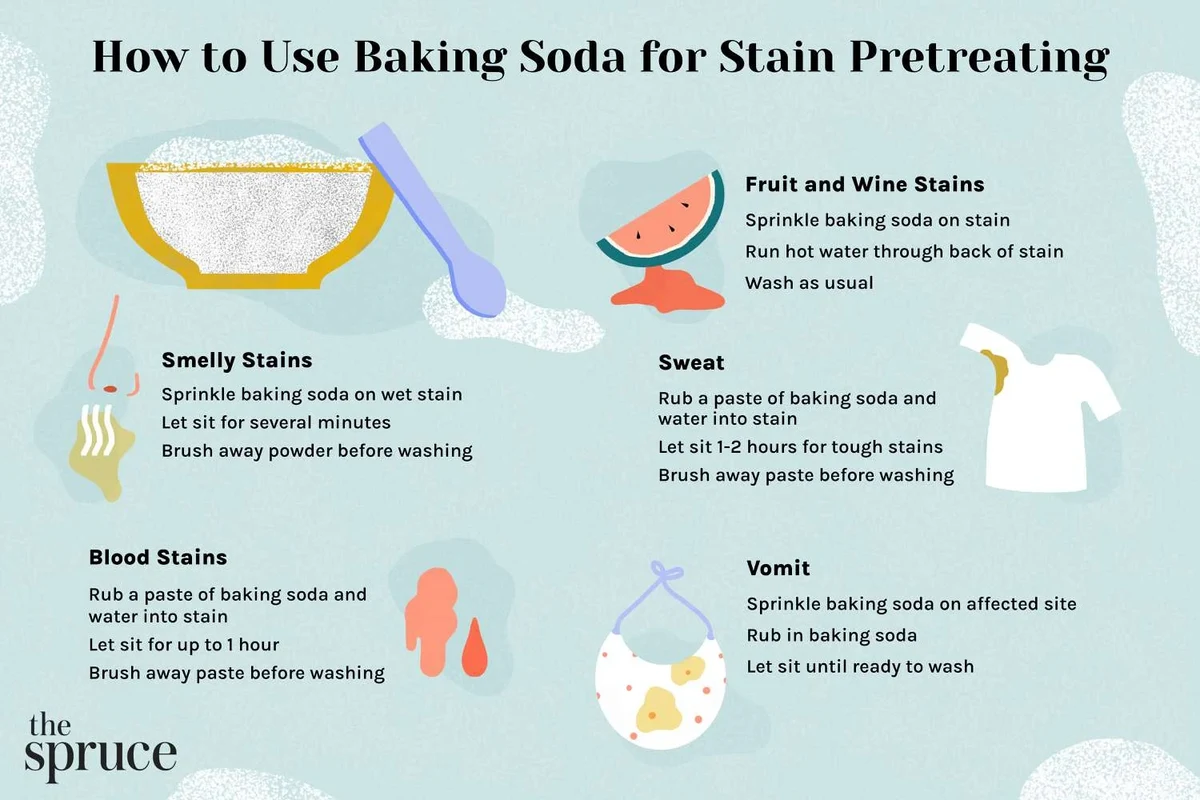
Baking soda is mildly alkaline, which means it can help break up acidic grime and loosen some sticky residue. It also has a fine, gentle texture that can provide light abrasion without the harshness of many scouring powders.
That combination makes it useful in the kitchen, laundry room, and around the house. It is especially helpful when a stain is mixed with odor, grease, or a dull film that sits on top of fabric or hard surfaces.
How its mild alkalinity helps loosen grime, grease, and odor
The alkaline nature of baking soda can help neutralize certain odors and loosen soils that cling to fibers or surfaces. In practical terms, that means it may make a stain easier to rinse away after a short soak or gentle scrub.
It does not bleach like chlorine products, and it does not work like an enzyme detergent. Instead, it supports cleaning by softening the mess so water, soap, or blotting can do more of the work.
Baking soda is often used as a deodorizer because odor molecules can linger in porous materials like fabric, carpet, and shoes even after the visible stain is gone.
Which stain types respond best: food, oil, sweat, carpet, and fabric spots
Baking soda tends to do best on fresh food stains, light oil marks, sweat residue, carpet spots, and everyday fabric smudges. It is also useful on stains that come with odor, such as gym bag smells or shoe interiors.
It is less effective on dyes that have already bonded deeply to fibers, such as some ink, paint, rust, or old wine stains. For those, you usually need a different cleaner or a more targeted method.
When Baking Soda Works Best and When It Falls Short
Timing matters as much as the cleaner itself. Fresh stains are easier because they have not fully set into the material, while older stains often need repeated treatment or a stronger product.
Fresh vs. set-in stains: what to expect from each
Fresh stains usually respond well because baking soda can absorb some moisture and help lift residue before it bonds tightly. A quick sprinkle or paste can make blotting more effective.
Set-in stains are harder. If the stain has been heated in a dryer, exposed to hot water, or left to dry for a long time, baking soda may improve the surface appearance but not remove the stain completely.
Surfaces and fabrics where baking soda is a smart first step
Baking soda is a smart first step on cotton, polyester blends, many washable linens, some carpets, and some upholstered items. It is also a practical choice on sinks, counters, bins, and other nonporous household surfaces when used gently.
For laundry, it can be a useful helper alongside detergent, especially when a garment has odor or light soil. If you want a broader laundry overview, see our guide to baking soda in laundry benefits.
Situations that need peroxide, vinegar, detergent, or professional cleaning instead
Some stains call for a different approach. Hydrogen peroxide may help with certain organic stains on color-safe fabrics, detergent is often better for greasy clothing, and professional cleaning is safer for delicate upholstery or valuable textiles.
Be careful with vinegar combinations. Mixing cleaners without understanding the goal can reduce effectiveness or create extra residue, so it helps to know the chemistry first. Our article on the baking soda and vinegar reaction explains why the fizz is not always the same as cleaning power.
For delicate, expensive, or non-washable items, check the care label first and use the manufacturer’s cleaning guidance when available. When in doubt, test a hidden area or call a professional cleaner.
How to Use Baking Soda for Stains Safely and Effectively
The best method depends on the surface and how wet the stain is. In most cases, you want enough moisture to form a spreadable paste, but not so much that the stain spreads deeper into the fibers.
Dry paste, damp paste, and sprinkle-and-wait methods
A dry sprinkle works well for fresh grease on fabric or carpet because it can absorb some oil before it spreads. A damp paste is better for set-in spots that need a little more contact time and gentle movement.
The sprinkle-and-wait method is useful on odors and light surface grime. Let the powder sit briefly, then vacuum, brush, or rinse it away depending on the material.
Recommended ratios, contact time, and gentle scrubbing technique
For a basic paste, start with about 3 parts baking soda to 1 part water and adjust until it looks like thick toothpaste. For a drier absorbent layer, use the powder straight from the box and let it sit on the spot.
Contact time depends on the surface and stain. A few minutes may be enough for a fresh spot, while a longer wait may help with odor or heavier residue, but do not let paste dry hard on delicate materials.
Use small circular motions with light pressure. If the fabric starts to pill, the carpet fibers mat down, or the stain spreads, stop scrubbing and blot instead.
Testing on hidden areas to prevent fading or texture damage
Always test on a hidden seam, hem, or back corner first. This is especially important for dyed fabrics, textured upholstery, painted surfaces, and anything with a finish that could dull or cloud.
If the test spot changes color, feels rough, or leaves a chalky mark after rinsing, do not continue on the visible area. A safer cleaner may be needed.
Step-by-Step Stain Removal Methods for Common Household Messes
These methods are meant for everyday cleanup, not for every specialty fabric or every old stain. When possible, act quickly and keep the treatment area small so you do not push the stain deeper.
Grease on clothing and kitchen linens
Press a paper towel or clean cloth on the grease to lift extra oil without rubbing it wider.
Cover the spot with a small layer of dry baking soda and let it sit for 10 to 15 minutes.
Tap off the powder, then work a little liquid detergent into the stain before washing as the care label allows.
For greasy laundry, detergent usually does the heavy lifting. Baking soda helps by absorbing some oil and making the stain easier to treat before the wash cycle.
Coffee, tea, and wine marks on washable fabrics
For spill stains, blot immediately with cool water and a clean cloth. If the stain remains, make a mild paste and dab it onto the mark rather than grinding it in.
Let it sit briefly, then rinse and launder according to the fabric label. Older coffee or tea stains may need repeated treatment, and wine stains can be especially stubborn once they dry.
On white or light fabrics, a stain may look lighter after the first treatment but still remain in the fibers. Check the item after it dries, because some discoloration is easier to see once moisture is gone.
Carpet and upholstery spot treatment
Use a light sprinkle for fresh spills or a small damp paste for older spots. Blot from the outside edge toward the center so the stain does not spread into a larger ring.
Work carefully and avoid soaking the backing or cushion filling. If the spot is large, smells sour, or keeps returning after drying, the problem may be deeper than the visible surface.
Odor-heavy stains in shoes, bins, and laundry
Baking soda is especially useful when the problem is as much odor as stain. Sprinkle it inside shoes, trash bins, or laundry baskets, let it sit, then remove the powder thoroughly.
For shoes, a dry application is usually safer than a wet paste. If you need a fuller cleanup method for footwear, our guide to baking soda for shoes cleaning covers practical ways to freshen them without over-wetting the material.
Common Mistakes That Make Baking Soda Less Effective
Most problems come from using too much product, too much water, or too much force. Baking soda works best as a gentle helper, not as a heavy scrub.
Using too much water or rubbing too hard
Excess water can spread the stain and push it deeper into fabric or cushion foam. Hard rubbing can damage fibers, especially on knits, upholstery, and carpet pile.
Instead, blot first, then use a controlled amount of paste or powder. If the stain is still there after a reasonable attempt, switch methods rather than scrubbing harder.
Letting paste dry too long on delicate materials
On some surfaces, a dried crust can be difficult to remove and may leave a chalky residue. Delicate fabrics and textured finishes are especially vulnerable to this problem.
It is better to check the spot periodically and rinse or wipe it away before it hardens. Short, repeated treatments are usually safer than one long, aggressive one.
Mixing baking soda with the wrong cleaning products
Baking soda is often paired with water or detergent, but not every cleaner works well with it. Some combinations create extra residue, while others reduce the cleaning action you were hoping for.
If you are trying to use both an acid and an alkaline cleaner, understand the purpose first. For example, if you want to compare stain removal strategies, our article on hydrogen peroxide and baking soda uses explains when that pairing can be more useful than plain paste.
Safety Tips for Fabric, Skin, and Surface Protection
Baking soda is generally mild, but “mild” does not mean “safe for everything.” The material matters, and repeated use can still affect texture or finish over time.
What to avoid on silk, wool, leather, marble, and sealed finishes
Avoid using baking soda aggressively on silk and wool, which can be more sensitive to pH and abrasion. Leather can dry out or mark unevenly, and marble or other natural stone can be dulled by abrasive cleaning.
Sealed finishes, polished counters, and coated surfaces should also be treated carefully. If the manufacturer warns against abrasives, follow that guidance rather than relying on a one-size-fits-all stain trick.
Keep powders away from eyes and avoid breathing in dust when you clean a large area. If you are treating food-contact surfaces, rinse well after cleaning so no residue remains.
Ventilation, gloves, and rinsing considerations for repeated use
Ventilation is helpful when you are cleaning several items at once or using other products along with baking soda. Gloves can help protect dry, sensitive skin if you are scrubbing repeatedly.
Rinse or wipe away residue after treatment, especially on counters, bins, trays, and reusable containers. Leftover powder can feel gritty and may attract more dirt if it is not removed fully.
How to handle stains around children’s items, pet areas, and food-contact surfaces
For toys, high chairs, pet bowls, and kitchen tools, choose the mildest method that still gets the job done. Use only products that are appropriate for the material and rinse thoroughly when the item will touch food or mouths.
For pet areas, do not use any cleaner that could leave a strong odor or film. When a stain involves bodily fluids or contamination, follow the cleaning and sanitizing guidance from recognized public health or product instructions as appropriate.
Practical Examples: Real-World Stain Scenarios and Best Results
These examples show where baking soda helps most and where it is only part of the solution. The goal is to match the method to the mess instead of treating every stain the same way.
Removing a fresh oil splash from a cotton shirt
A fresh oil splash on cotton is one of the better uses for baking soda. Sprinkle it on quickly, let it absorb the oil, then brush it off and pre-treat with detergent before washing.
If the shirt has already been dried in heat, the stain may be harder to remove. In that case, baking soda can still help with surface residue, but it may not fully erase the mark.
Treating a coffee ring on a light-colored sofa cushion
Start by blotting the coffee ring with a clean towel and cool water. Then dab on a small paste, wait briefly, and blot again rather than soaking the cushion.
If the cushion cover is removable, check the care label before washing. A ring that returns after drying may indicate that the liquid reached deeper layers, which often needs more than a surface treatment.
Refreshing a musty gym bag or sneaker interior
Dry baking soda is often the simplest option here because the main issue is odor. Sprinkle a small amount inside, leave it for several hours or overnight, then shake or vacuum it out.
For sneakers, be careful not to leave powder clumped in seams or around glued areas. If the smell is severe, you may need to clean the interior first and then use baking soda as a finishing deodorizer.
Final Verdict: Is Baking Soda the Right Stain Remover for Your Situation?
Baking soda is a strong choice for quick spot cleaning, odor control, and low-cost maintenance. It works best on fresh, light, or greasy stains where gentle abrasion and odor absorption can make a real difference.
Best-use recap for quick spot cleaning, odor control, and low-cost maintenance
Use it first when you want a mild, accessible cleaner for clothing, carpet, upholstery, bins, shoes, and many washable household items. It is especially practical when a stain is new and you want to act before it sets.
If you are building a simple home-cleaning routine, baking soda is one of the most useful basics to keep on hand. It is not magic, but it is reliable when the stain type and surface are a good match.
When to escalate to stronger cleaners or professional care
Move on when the stain is old, deeply set, or on a delicate surface that should not be scrubbed. Also escalate if the item is valuable, non-washable, or likely to be damaged by moisture or abrasion.
In short, baking soda for stains is best viewed as a first-response tool. Use it gently, test it first, and switch methods when the material needs a more specific cleaner or professional attention.
Baking soda is an effective first step for many fresh stains and odor problems, especially on washable fabrics and common household surfaces. For delicate materials, old stains, or specialty finishes, choose a more targeted cleaner or professional care.
Frequently Asked Questions
Yes, baking soda usually works better on fresh stains because the residue has not fully bonded to the fabric or surface. Old stains may still improve, but they often need repeated treatment or a stronger cleaner.
No, it is not ideal for every fabric. Test first on hidden areas, and be extra careful with silk, wool, and items with delicate finishes.
A few minutes may be enough for fresh spots, while odor or heavier residue may need longer. Do not let paste dry hard on delicate materials, and always follow the fabric care label.
No, baking soda is better as a helper than a full replacement. Detergent usually does the main cleaning, while baking soda can help with odor and some light residue.
It can be safe in some cleaning situations, but the fizz does not always mean better stain removal. Use the combination only when you understand the material and the cleaning goal, and avoid mixing products without checking instructions.
Call a professional for delicate, valuable, or non-washable items, and for stains that keep returning after treatment. Professional care is also a better choice when the surface could be damaged by water, scrubbing, or residue.