
Baking Soda in the Philippines Best Uses and Buying Guide
Baking soda in the Philippines is a practical pantry staple for baking, browning, and light kitchen cleaning. Choose a food-grade, well-sealed pack, store it dry, and use it only in recipes with the right acid balance.
Baking soda is one of the most useful pantry ingredients for Filipino home bakers because it helps baked goods rise, brown, and soften in the right recipes. If you are shopping for baking soda in the Philippines, knowing how to choose, store, and use it correctly will help you get better results and avoid waste.
- Use matters: Baking soda needs acid to work well in baked goods.
- Buy smart: Check food labeling, freshness, and sealed packaging before purchase.
- Measure carefully: Too much can cause bitterness, dark color, and poor texture.
- Store dry: Humidity can weaken baking soda if the pack is left open.
What Baking Soda Is and Why Philippine Bakers Rely on It
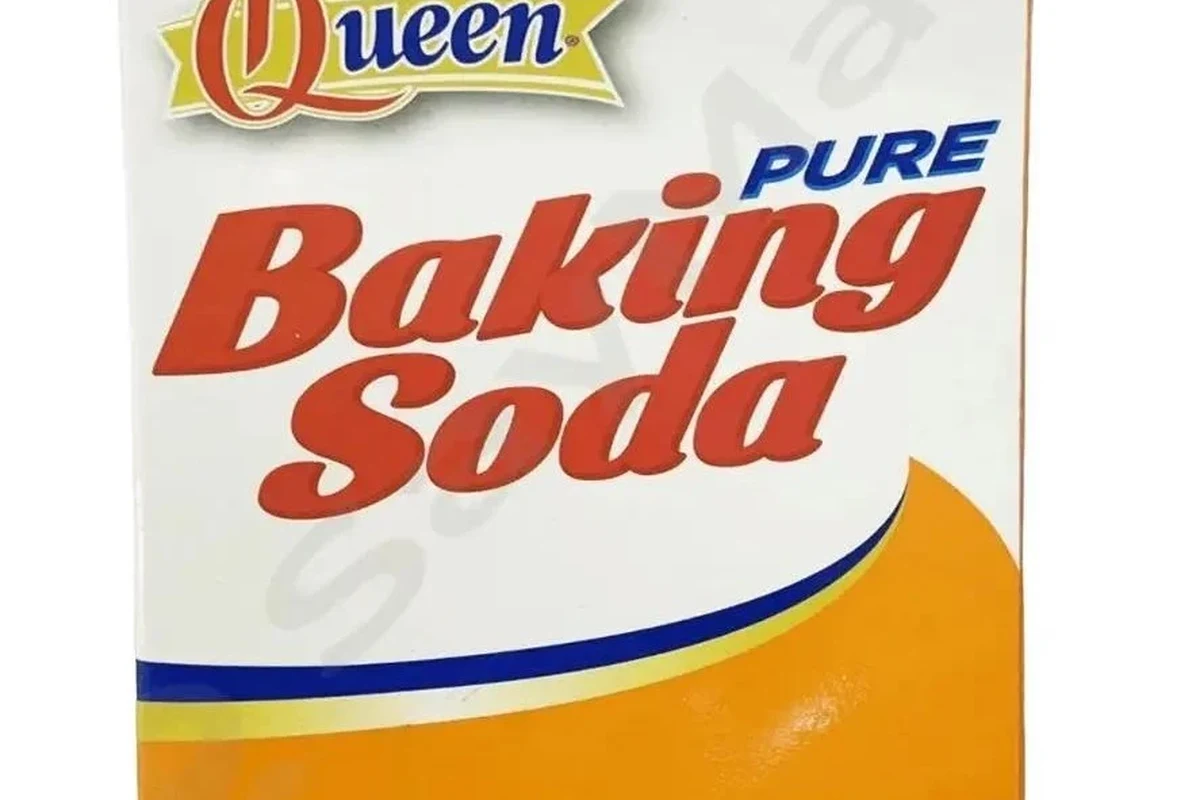
Baking soda is sodium bicarbonate, a basic ingredient that reacts with acids to release carbon dioxide gas. That gas creates lift in batter and dough, which is why baking soda is common in cookies, cakes, quick breads, and some fried batters.
For Filipino kitchens, it is also valued because it is inexpensive, widely available, and useful beyond baking. Many households keep it near the pantry staples because it can help with odor control, light cleaning, and food prep tasks when used properly.
How baking soda works as a leavening ingredient in cakes, cookies, breads, and fried batters
When baking soda meets an acidic ingredient such as vinegar, calamansi juice, yogurt, buttermilk, brown sugar, or natural cocoa, it starts producing gas right away. In the oven or hot oil, that gas expands and helps the batter rise before the structure sets.
This is why baking soda is not a direct substitute for baking powder in every recipe. Baking powder already includes acid, while baking soda needs an acid partner to work well.
Baking soda can also encourage browning because alkaline ingredients speed up color development in baked surfaces. That is one reason some cookies and quick breads look deeper golden when the recipe is balanced correctly.
Why local bakeries and home kitchens keep it on hand for everyday baking and cleaning
Local bakeries keep baking soda on hand because it supports consistent texture in recipes that depend on acid-base reactions. Home bakers like it for the same reason, especially when making small batches of cookies, muffins, or brownies.
It is also practical in a busy kitchen because it can help with light cleaning tasks, such as scrubbing containers or reducing odors, as long as it is kept separate from ingredients meant for eating. If you also use countertop appliances, it helps to follow product instructions carefully; for example, our guide on air fryer preheating explains why setup matters for even cooking.
Common Uses of Baking Soda in Philippine Baking and Kitchen Tasks
Baking soda shows up in many recipes that Filipino bakers make regularly. Its role is often small in amount but important in outcome, especially when the recipe includes acidic ingredients or needs a softer crumb.
Using it in classic baked goods like cookies, muffins, brownies, and quick breads
In cookies, baking soda can help spread, browning, and tenderness. In muffins and quick breads, it helps create a lighter crumb without long mixing or yeast fermentation.
In brownies, a small amount may be used to balance acidity and improve lift, though too much can make the flavor taste soapy or bitter. In simple cakes, it works best when the recipe already has an acidic component to activate it.
When baking soda is used for tenderizing, browning, or balancing acidic ingredients
Baking soda can soften certain batters by reducing acidity and weakening some gluten formation. That can be helpful in cakes that should feel tender rather than chewy.
It is also used to balance strong acidic ingredients, which can improve flavor and color. However, the balance has to be right: too little may leave the batter under-risen, while too much can create a dark color and a harsh aftertaste.
Practical non-baking uses around the kitchen, pantry, and food prep area
A small box of baking soda can be useful for deodorizing the refrigerator, freshening trash bins, or helping remove light residue from sinks and cutting boards. For food prep areas, it should be used carefully and rinsed well when cleaning surfaces that touch food.
Note
Do not confuse food use with cleaning use. Even if the ingredient is the same, a product marketed for multipurpose cleaning may not be the best choice for recipes unless the label clearly states it is food grade.
How to Choose the Right Baking Soda Product in the Philippines
Not every box labeled “baking soda” is meant for the same purpose, so checking the label matters. The best choice depends on whether you are buying it for baking, cleaning, or both.
Food-grade baking soda versus multipurpose cleaning soda
For cakes, cookies, and other recipes, choose food-grade baking soda with a clear ingredient list showing sodium bicarbonate. Multipurpose cleaning soda may be similar in function for household cleaning, but it should not be assumed safe for eating unless the packaging says so.
Important
Use only products labeled for food when the baking soda will go into batter or dough. If the label is unclear, do not guess; choose a clearly food-safe product instead.
Package sizes, freshness indicators, and what to check before buying
Small packs make sense for occasional bakers because baking soda can lose strength if it sits open in humid conditions. Larger packs are better for frequent baking or kitchens that use it for both cooking and cleaning.
Before buying, check the seal, packaging condition, and expiration or best-before date if shown. In the Philippines, where heat and humidity can affect pantry items, a tightly sealed pack is often a better value than a cheaper but poorly stored one.
How brand reputation, sourcing, and local availability affect value
Brand reputation matters because it often reflects packaging quality, consistency, and easier replacement if a product arrives damaged. Local availability also matters if you bake often, since a common brand is easier to restock without switching recipes.
- Widely available brands are easier to replace
- Clear food labeling reduces buying mistakes
- Sealed packaging helps protect freshness
- Unclear labels can cause confusion
- Bulk packs may absorb moisture if stored badly
- Very old stock may be weaker in performance
Where to Buy Baking Soda in the Philippines and What to Expect on Price
You can usually find baking soda in major supermarkets, grocery stores, baking supply shops, wet markets with dry-goods sections, and online marketplaces. The best place to buy depends on how often you use it and whether you need one pack or several.
Grocery stores, supermarkets, baking supply shops, wet markets, and online marketplaces
Supermarkets are convenient for standard food-grade packs, while baking supply shops may offer more variety in sizes or brands. Online marketplaces can be useful for bulk buying, but seller reliability becomes more important because storage conditions are not always visible.
Wet markets may carry pantry staples at competitive prices, but packaging quality can vary. Always check the seal and product label before purchase.
Typical price ranges, bulk buying considerations, and when smaller packs make more sense
Prices can vary by brand, pack size, and location, so it is better to compare unit cost rather than only the sticker price. Bulk buying may save money if you bake regularly, but only if you can store the product in a dry, airtight container.
How to compare labels, expiration dates, and seller reliability before checkout
Read the ingredient list, check for a food-use statement, and inspect the expiration or best-before date if available. For online orders, look for clear product photos, full descriptions, and sellers with consistent ratings and response history.
Baking Tip
If a recipe depends heavily on baking soda, buy from a source that restocks often. Fresh inventory is more likely to perform consistently than old stock that has sat in storage for a long time.
Measuring and Using Baking Soda Correctly in Recipes
Measuring baking soda accurately matters because it is powerful in small amounts. Even a little extra can change flavor, color, and texture.
How much baking soda to use and why overmeasuring causes bitter taste or dark color
Use only the amount the recipe calls for unless you understand the acid balance well enough to adjust it. Too much baking soda can leave a bitter, metallic, or soapy taste and may also make baked goods darker than intended.
Because baking soda reacts quickly, accurate measuring is especially important in batters that are mixed and baked right away. A level measuring spoon is better than a heaping spoon, and consistency matters more than guesswork.
Matching baking soda with acidic ingredients like vinegar, buttermilk, cocoa, yogurt, or citrus
Baking soda works best when the recipe includes enough acid to activate it. Common acidic partners include vinegar, calamansi or lemon juice, buttermilk, yogurt, sour cream, molasses, and natural cocoa powder.
If a recipe uses Dutch-processed cocoa instead of natural cocoa, the acidity may be lower, so the leavening balance can change. That is why recipe substitutions should be made carefully, especially in older family recipes or adapted Western recipes.
Use with an acidic ingredient for quick rise and better browning.
Avoid using it alone in recipes that have little or no acid.
Signs of proper reaction, doneness, and texture in finished baked goods
When baking soda is working correctly, the batter may look slightly aerated, the crumb may be lighter, and the surface may brown more evenly. Finished muffins and cakes should feel springy, not wet or gummy in the center.
Oven calibration, pan size, and rack position can change how quickly a baking soda recipe sets. A recipe that works in one kitchen may need small adjustments in another.
Common Mistakes When Using Baking Soda and How to Fix Them
Most baking soda problems come from ratio mistakes, storage issues, or confusing it with baking powder. The good news is that many of these problems are easy to prevent once you know what to look for.
Flat, dense, or metallic-tasting results from incorrect ratios or expired product
If baked goods turn out flat or dense, the soda may have been too old, too little, or not matched with enough acid. If the flavor is metallic or bitter, the amount was likely too high or the batter was not balanced correctly.
Cake or muffin rises poorly and feels heavy.
Check freshness, measure carefully, and confirm that the recipe has an acidic ingredient to activate the soda.
Confusing baking soda with baking powder in Philippine recipes and adaptations
Many recipes written for Filipino kitchens use “baking powder” and “baking soda” for different purposes, so swapping them blindly can change the result. Baking soda needs acid, while baking powder already contains its own acid source.
If you are adapting a recipe, change only one leavening ingredient at a time and keep notes. That makes it easier to identify whether the issue is flavor, rise, or texture.
Storage mistakes that reduce strength in humid local conditions
Humidity can weaken baking soda over time if the box is left open or transferred to a container that does not seal well. Store it away from the stove, sink, and other moisture sources.
Keep baking soda separate from cleaning chemicals, detergents, and strong-smelling pantry items. Clear labeling helps prevent accidental misuse, especially in shared kitchens.
Storage, Shelf Life, and Safety Tips for Home Bakers
Good storage keeps baking soda reliable, especially in warm and humid weather. A little care can help it stay useful for both baking and household tasks.
Best containers, dry storage practices, and how to protect baking soda from moisture
Keep baking soda in its original sealed package or transfer it to a clean, airtight container if the box has been opened. Store it in a cool, dry cabinet away from steam, sunlight, and wet utensils.
If you live in a very humid area, smaller packs may stay fresher than one large pack opened for months. That can be more practical than buying in bulk just because it seems cheaper.
How to tell if baking soda is still active before using it in a recipe
A simple freshness check is to mix a small amount with an acidic liquid such as vinegar or lemon juice. If it fizzes promptly, the baking soda is still active enough for most home baking uses.
This test is helpful when a package has been open for a long time, but it does not replace good storage. If the product looks clumpy from moisture or smells strange, replacing it is usually the safer choice.
Food safety reminders for keeping baking ingredients separate from cleaning supplies
Food ingredients should be stored away from detergents, bleach, and other cleaning products to reduce the risk of contamination. This is especially important in compact kitchens where shelves and cabinets are shared.
Important
Do not use any ingredient for food if you are unsure whether it was exposed to cleaning chemicals, pests, or moisture damage. When in doubt, discard it and replace it.
Best Use Cases and Final Buying Decision for Philippine Home Bakers
The best baking soda choice depends on how often you bake, how much storage space you have, and whether you want one product for multiple uses. A small, clearly labeled food-grade pack is often the safest choice for occasional bakers.
Which buyers benefit most from small packs, bulk packs, or multi-use pantry storage
Small packs suit beginners, occasional bakers, and households that have limited dry storage. Bulk packs make more sense for frequent bakers, small home businesses, or kitchens that use baking soda for both recipes and light cleaning.
If you bake only from time to time, a small pack often stays fresher and gives better value than a large one that sits open for too long.
When to choose baking soda for baking, cleaning, or both in a busy kitchen
Choose baking soda for baking when you need a leavening ingredient that reacts with acid and supports browning. Choose it for cleaning when you want a mild abrasive or deodorizing helper for non-food tasks.
In a busy kitchen, it can do both jobs, but only if you keep the food-use pack separate from the cleaning-use container. That simple habit reduces confusion and supports safer prep.
Recap of what matters most when buying baking soda in the Philippines today
When buying baking soda in the Philippines, look for clear food labeling, a fresh sealed pack, a size that matches your usage, and a seller you trust. Price matters, but freshness, storage, and correct use matter more for reliable baking results.
For home bakers, the smartest purchase is usually the one that fits your recipe habits, your pantry conditions, and your need for consistent performance. If you store it well and measure it carefully, baking soda remains one of the most useful ingredients in the kitchen.
Buy food-grade baking soda in the size you will actually use before it loses freshness, and match it to recipes that contain acid. For most Philippine home bakers, a clearly labeled, tightly sealed, and easy-to-restock pack is the best overall choice.
Frequently Asked Questions
Baking soda is pure sodium bicarbonate and needs an acidic ingredient to activate. Baking powder already includes acid, so it works in more recipes without extra acidic ingredients.
No, not every recipe needs it. It works best when the recipe includes acid, and too much can create a bitter taste or dark color.
Mix a small amount with vinegar or lemon juice. If it fizzes right away, it is still active enough for most home baking uses.
Yes, if you bake often and can store it in a dry, airtight container. For occasional bakers, smaller packs are usually fresher and easier to manage.
You can, but keep food-grade baking soda separate from cleaning-only supplies. If a product is not clearly labeled for food use, do not put it into recipes.
Too much baking soda or not enough acid is the most common reason. Check the recipe balance, measure carefully, and replace old product if needed.

