
Baking Soda Odor Eliminator Tips for a Fresher Home

Baking soda can help reduce everyday household odors, especially in enclosed spaces, fabrics, shoes, and fridges. It works best when you clean the source first and use it as part of a simple freshness routine.
Baking soda is one of the simplest ways to reduce everyday household odors, but it works best when you use the right method for the right space. In this guide, the Baking Pastry Schools Editorial Team explains what a baking soda odor eliminator can do, where it falls short, and how to use it without wasting time or product.
- Best use: Mild to moderate odors in enclosed or dry areas.
- Main limit: It will not fix mold, leaks, or hidden odor sources.
- Most effective method: Match the container or sprinkle method to the space.
- Common mistake: Using too little, placing it poorly, or expecting instant results.
What a Baking Soda Odor Eliminator Can and Cannot Do in a Home
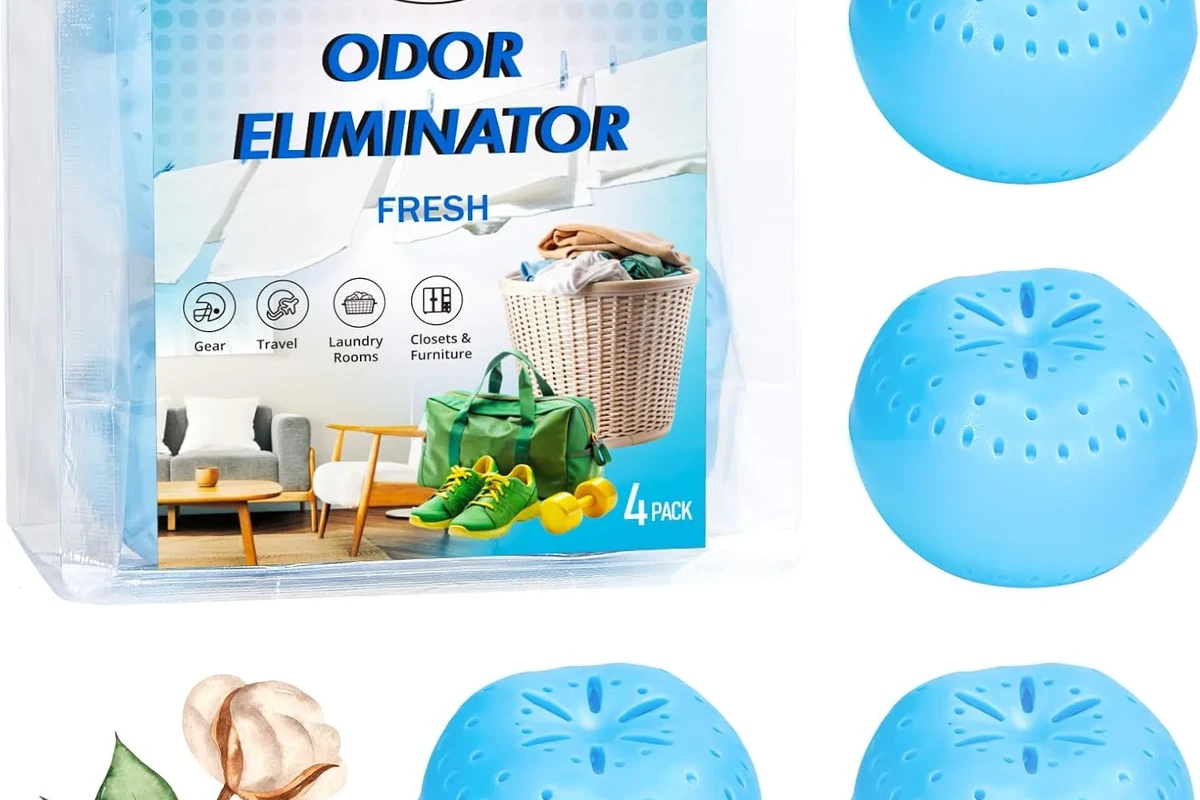
Baking soda helps absorb and neutralize certain odor compounds, especially in enclosed spaces where smells linger. It is most useful as a low-cost, routine freshness aid rather than a fix for serious odor problems.
How baking soda neutralizes common household odors
Baking soda, or sodium bicarbonate, is mildly alkaline. That matters because many household odors are caused by acidic compounds or moisture-related smells that can be softened when the baking soda interacts with them.
In practical terms, it does not “mask” odors the way a fragrance spray does. It helps reduce the smell source in the air or on a surface, which is why it often performs better in small, still spaces than in large open rooms.
Baking soda works best when it has time to sit near the odor source. Airflow, surface contact, and humidity all affect how noticeable the result will be.
Best odor sources for baking soda use: kitchens, fridges, trash, shoes, and fabrics
The most reliable uses are everyday odors from food, trash, damp fabrics, and shoes. For example, a fridge can trap food smells, a trash cabinet can hold sour odors, and fabric items can keep stale or sweaty notes after use.
For shoes specifically, baking soda is often used as a dry deodorizing aid; see our guide on baking soda for shoes cleaning for a more focused breakdown. It can also help with laundry freshness when used carefully, which is why many readers pair it with our article on baking soda in laundry benefits.
Limits of baking soda for strong, mold-related, or hidden odors
Baking soda is not the right answer for every smell. Strong smoke residue, hidden leaks, mold growth, sewage odors, and deep-set pet contamination usually need cleaning, drying, or repair first.
If an odor keeps returning after cleaning, treat it as a clue rather than a nuisance. Hidden moisture, poor ventilation, or a dirty drain can keep producing smell even if you refresh the air again and again.
If you suspect mold, sewage, gas, or electrical burning, do not rely on baking soda alone. Follow appropriate safety guidance, ventilate the area if safe, and contact the correct professional or utility service when needed.
Choosing the Right Baking Soda Odor Eliminator Method for Each Space
The best method depends on whether you need passive odor absorption, surface treatment, or a deeper cleanup. A small open container may work in a fridge, while a sprinkle-and-vacuum method makes more sense for carpet and upholstery.
Open bowls, sachets, and small containers for enclosed areas
Open bowls are simple and effective in enclosed areas like cabinets, pantries, and refrigerators. Small containers or breathable sachets can be easier to place neatly and may reduce the chance of spills.
For closed storage spaces, the goal is to keep the baking soda exposed to the air without making a mess. A vented jar or mesh pouch usually gives better airflow than a tightly packed dish.
Loose baking soda versus pre-filled odor absorber products
Loose baking soda is the most flexible option and usually the cheapest per use. Pre-filled odor absorber products are more convenient, but they vary in ingredients, size, and replacement timing, so check the label and instructions before buying.
Sprinkle-and-vacuum use for carpets, upholstery, and mattresses
For fabrics, baking soda is often sprinkled lightly, left in place, and then vacuumed up. This method is common for carpets, upholstered furniture, and mattresses that need a dry freshness boost between deeper cleanings.
Use a thin, even layer rather than a heavy pile. Too much powder can be harder to vacuum out completely, especially on thick carpet or textured fabric.
- Test a small hidden area first on delicate fabrics.
- Vacuum thoroughly after the contact time ends.
- Use a light, even layer for better cleanup.
- Leaving thick clumps that settle into fibers.
- Using it on wet material before the area is dry.
- Assuming it replaces stain removal or sanitizing.
Fridge, freezer, pantry, and cabinet placement strategies
In a fridge, place an open box or small container where air can circulate around it, but keep it away from spills and food contact. In a freezer, baking soda can still help with odor control, though odor problems there often point to packaging issues or a spill that needs cleaning.
Pantries and cabinets usually need a small, stable container placed near the back or on a shelf edge where it will not tip. If you are also dealing with stale or smoky kitchen smells, our article on baking soda for smoke odors explains where baking soda can help and where it cannot.
When to use baking soda versus activated charcoal or deep cleaning
Baking soda is a good first choice for mild to moderate household odors and routine maintenance. Activated charcoal may be better for stronger odor absorption in some enclosed spaces, while deep cleaning is the right move when the smell comes from residue, moisture, or decay.
If the odor is coming from a drain, appliance, or hidden spill, cleaning the source matters more than adding more deodorizer. For drain-related smells, see our guide to clean drains with vinegar and baking soda for a more source-focused approach.
Activated charcoal and baking soda are not identical. Charcoal is often preferred for strong enclosed odors, while baking soda is a practical all-purpose option for everyday use and easy cleanup.
How to Use Baking Soda for Odor Control Without Common Mistakes
Most problems with baking soda come from using too little, placing it poorly, or expecting immediate results. Odor control is usually a contact-and-time process, not a quick burst of freshness.
Measurement guidance for different room sizes and surfaces
There is no single exact amount that works for every room, because room size, airflow, odor strength, and surface type all change the result. For small enclosed spaces, a modest open container is usually enough; for fabrics, a light, even dusting is typically better than a thick layer.
If the smell is strong, more baking soda is not always the best fix. It may be more effective to clean the source first, then use baking soda for maintenance.
Placement tips for airflow, contact time, and coverage
Place baking soda where the odor actually collects. In a fridge, that may be a shelf with good airflow; in a closet, it may be near shoes or damp laundry; in a room, it may work better close to the source than in the center of the floor.
For fabrics, spread it evenly and allow enough time for the powder to interact with the odor before vacuuming. For enclosed spaces, make sure the container is open enough to breathe but stable enough not to spill.
The odor is still strong after placing baking soda in the room.
The source may be too strong, too hidden, or too damp for passive odor absorption. Clean the area, improve ventilation, and use baking soda as a follow-up rather than the only step.
How long to leave baking soda in place before replacing it
Replacement timing depends on the space, the odor load, and how much air moves through the area. A fridge box may need regular refreshes, while a closet sachet may last differently depending on humidity and use.
When the powder seems less effective, clumped, damp, or dusty with debris, it is time to replace it. Baking soda can only absorb so much before it becomes less useful.
Frequent errors: using too little, sealing it incorrectly, or expecting instant results
A common mistake is putting baking soda in a sealed container with no airflow. Another is using such a small amount that it cannot meaningfully interact with the odor source.
It is also easy to expect instant results. Baking soda works gradually, so the difference is often more noticeable after several hours or after repeated use in the same area.
Keep baking soda dry, away from direct food contamination, and out of reach of small children and pets when used in open containers. If a surface is delicate, test first before applying it broadly.
Practical Room-by-Room Examples for a Fresher Home
The easiest way to use a baking soda odor eliminator is to match the method to the room. Kitchens, bathrooms, closets, and entryways each collect different kinds of smells, so the placement should change with the source.
Kitchen odor control after cooking, spills, and garbage cleanup
After cooking, baking soda can help with lingering onion, garlic, fish, or fried-food smells, especially near trash bins and sink areas. It is most useful after you have wiped surfaces, emptied garbage, and removed any spill that is feeding the odor.
If a fridge or oven needs more than a freshness boost, cleaning matters first. For oven-related buildup, you may also find our guide to baking soda and vinegar cleaning ovens helpful when the smell is tied to residue.
Bathroom freshness for drains, bins, and damp areas
Bathrooms often need odor control in trash bins, under-sink cabinets, and around damp towels or rugs. Baking soda can help with mild stale smells, but persistent drain odors usually need a drain check and a proper cleaning routine.
In damp areas, the main issue is often moisture, not just odor. If ventilation is poor, adding more baking soda will not solve the underlying problem.
Closets, laundry rooms, and storage spaces with stale-air buildup
Closets and storage rooms often smell stale because air does not move enough. A small container or sachet can help here, especially when paired with cleaning, decluttering, and keeping damp items out of the space.
Laundry rooms are another common use case, since detergent residue, wet towels, and closed hampers can build up mixed odors. For a broader look at laundry uses, our article on baking soda to laundry detergent benefits and uses offers more context.
Pet areas, shoes, and entryways that need routine deodorizing
Pet beds, litter-adjacent storage, shoes, and entry mats often benefit from regular deodorizing because the odors come back quickly. Baking soda can be part of that routine, but pet-safe cleaning and dry time matter just as much.
For shoes, a small amount placed in a breathable way is usually more practical than trying to saturate the inside. Entryways also do well with a simple cleanup routine because dirt, moisture, and outdoor debris can all carry odor.
- Low cost and widely available
- Useful for routine odor control
- Easy to place, remove, and replace
- Not a fix for hidden damage or mold
- Works slowly rather than instantly
- Needs cleanup and replacement over time
Safety, Surface Care, and Storage Tips for Everyday Use
Baking soda is simple to use, but safe handling still matters. That is especially true in kitchens, around pets and children, and on surfaces that can scratch or discolor.
Safe use around children, pets, and food-contact areas
Keep open containers out of reach of children and pets, and avoid letting them sit where they can be tipped over. In food-contact areas, use clean containers and prevent powder from landing directly on exposed food.
If you are uncertain about a product or cleaning situation, check the label and follow recognized food-safety guidance from sources such as the USDA or FDA when food contact is involved.
What surfaces baking soda is safe for and where to test first
Baking soda is generally safe for many hard household surfaces, but it can still act like a mild abrasive. That means delicate finishes, polished stone, soft plastics, and some coated surfaces should be tested in a hidden spot first.
When in doubt, use a damp cloth method rather than scrubbing aggressively. Gentle treatment is usually enough for odor control, especially when you are not trying to remove a stain.
How to store baking soda so it stays effective as an odor absorber
Store unused baking soda in a cool, dry place with the package sealed well. Moisture and odor exposure can reduce its usefulness over time, especially if the box is left open in a humid room.
For the best results, keep a separate box for odor control and another for baking when possible. That helps avoid cross-contact with strong household smells.
When odor issues signal a cleaning or ventilation problem instead
If the same smell keeps returning, treat it as a maintenance issue, not just an odor issue. Poor ventilation, clogged drains, wet building materials, dirty filters, or hidden spills can all keep generating odor.
At that point, baking soda is still useful, but only as part of a bigger routine. Cleaning, drying, and airflow are the real fixes when the source is active.
Comparing Baking Soda Odor Eliminator Options in 2026
In 2026, the main choices are still simple: loose baking soda, pre-filled absorber products, and reusable containers designed for odor control. The best choice depends on how often you want to replace it and how neatly you need it to fit into the space.
Loose baking soda versus pre-filled odor absorber products
Loose baking soda gives you the most control over amount and placement. Pre-filled odor absorber products are easier to use, but their ingredients, size, and lifespan can vary a lot, so the label matters.
If convenience is your priority, pre-filled products may be worth the tradeoff. If cost and flexibility matter more, loose baking soda is still the most straightforward option.
Reusable containers, vented jars, and mesh sachets
Reusable containers work well when you want a stable, tidy setup. Vented jars and mesh sachets are especially helpful in closets, cabinets, and small storage spaces because they allow airflow while reducing spill risk.
Choose the container based on where the odor sits and how often the area gets bumped or moved. A pantry shelf and a gym bag need very different packaging.
Cost, convenience, and replacement frequency
Cost is usually lower with plain baking soda, especially if you buy it for multiple uses. Convenience improves with ready-made odor absorbers, but replacement frequency can be less predictable because it depends on the product and the room conditions.
In practical terms, the best value is the option you will actually replace on time. A cheaper product that sits too long will not help much.
Which option works best for small apartments, family homes, and high-traffic spaces
Small apartments often benefit from a mix of open containers in key spots and occasional fabric treatment. Family homes usually need a more targeted routine, especially in kitchens, bathrooms, laundry rooms, and shoe storage.
High-traffic spaces may be better served by products that are easy to swap out quickly, since odors build faster there. In all cases, the method should match the source instead of trying to deodorize everything the same way.
Final Recap: Building a Simple, Reliable Odor-Control Routine
A baking soda odor eliminator works best as part of a routine: clean the source, improve airflow, and then use baking soda to help absorb what remains. That approach is more realistic than relying on one product to fix every smell.
How to combine baking soda with cleaning and ventilation for lasting freshness
Start with the source. Wipe spills, empty bins, dry damp areas, and open windows or run fans when possible, then place baking soda where the odor collects.
This layered approach is what makes the difference between temporary freshness and a room that actually smells cleaner over time.
Signs it is time to replace, refresh, or switch methods
Replace baking soda when it becomes damp, clumpy, dirty, or no longer seems to help. Refresh it sooner in humid rooms or high-odor areas.
Switch methods if the smell is strong, recurring, or tied to moisture damage, mold, or hidden residue. That is usually a sign that cleaning or repair is needed more than another deodorizer.
Best-fit recommendations for everyday home use
For most homes, loose baking soda is the best everyday baking soda odor eliminator because it is cheap, flexible, and easy to replace. Use it in fridges, cabinets, trash areas, shoes, closets, and fabric refresh routines, but keep your expectations realistic.
When the odor is more than a surface problem, pair baking soda with cleaning and ventilation. That is the simplest reliable way to keep a home fresher without overcomplicating the process.
Baking soda is a practical odor helper for routine home use, especially in small enclosed spaces and on dry fabrics. For strong, hidden, or moisture-related odors, it should support cleaning and ventilation rather than replace them.
Frequently Asked Questions
The right amount depends on the space, airflow, and odor strength. Small enclosed areas usually need only a modest open container, while fabrics work better with a light, even layer.
Yes, many people use it as a sprinkle-and-vacuum method for dry carpets and upholstery. Test a hidden area first on delicate materials and avoid using it on wet surfaces.
Replacement timing depends on humidity, odor load, and air movement. If it becomes damp, clumpy, or less effective, it is time to refresh it.
No, those odors usually point to a source problem that needs cleaning, drying, repair, or professional help. Baking soda can only help after the cause is addressed.
Yes, an open bowl can work well in enclosed spaces like cabinets or fridges. Use a stable container and keep it away from spills, children, and pets.
It depends on the space and odor level. Baking soda is a simple everyday option, while activated charcoal may be better for stronger enclosed odors in some situations.