
Baking Soda on Battery Acid Safe Cleanup Tips and Guide
Baking soda can help neutralize small lead-acid battery spills, but only if you use protective gear and clean up carefully. If the battery is cracked, swollen, hot, or leaking heavily, stop and get professional help.
Battery acid is not a kitchen ingredient, but baking soda does have a real safety use here: it can help neutralize small lead-acid spills. The key is using it carefully, with the right protective gear and a clear limit on when DIY cleanup is appropriate.
- Neutralizes small spills: Baking soda reduces the strength of battery acid and helps stop active fizzing.
- Protect first: Gloves and eye protection are important before you touch the spill.
- Use it in the right order: Apply baking soda first, then collect residue and rinse lightly.
- Know the limits: Large leaks, heat, smoke, swelling, or repeated leaks need professional attention.
What Baking Soda Does When It Meets Battery Acid
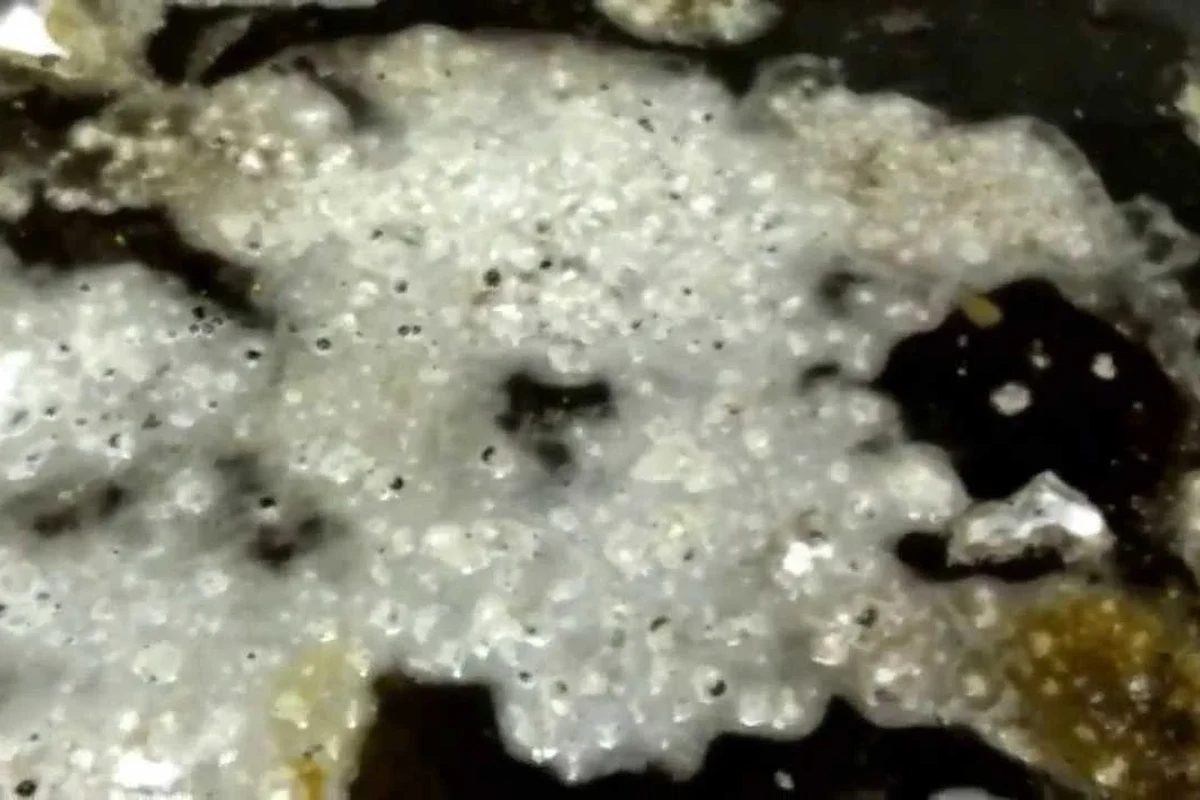
Baking soda on battery acid works because sodium bicarbonate is a mild base, while battery acid is acidic. When they meet, they react and form a less corrosive mixture, along with fizzing from carbon dioxide gas.
The fizzing is a useful sign that the acid is being neutralized, but it does not mean the area is instantly safe. You still need to clean, rinse, and check the surface carefully.
The neutralizing reaction explained in simple terms
Think of baking soda as a buffer for small acid spills. It does not “erase” the battery acid; instead, it reduces the acid’s strength so it is less likely to burn skin, damage surfaces, or keep eating into the material underneath.
This is similar in principle to other baking soda reactions people may already know, such as the baking soda and vinegar reaction explained simply article on our site. The chemistry is different, but the idea is the same: a base can reduce the impact of an acid.
Why this cleanup method is used for lead-acid batteries
Lead-acid batteries, including many car batteries, can leak sulfuric acid when damaged, tipped, or overfilled. Baking soda is commonly used because it is easy to find, easy to spread, and generally effective for small, accessible spills.
It is also useful because you can see the reaction happen. That visible fizz helps you spot active acid and decide where more neutralizer is needed before you wipe anything up.
When It Is Safe to Use Baking Soda on Battery Acid
Safety depends on the size of the spill, the type of battery, and whether the battery is still intact. Baking soda is best for small leaks or residue on a hard surface, not for major spills or damaged batteries that continue to leak.
Common scenarios: car batteries, lawn equipment, and workshop spills
Small amounts of residue around a car battery terminal, a lawn tractor battery tray, or a workbench spill are the most common DIY cases. In these situations, baking soda can help neutralize the acid before it spreads further.
If you are also learning general household cleanup habits, our guide on baking soda in laundry benefits shows how the ingredient is used in non-food cleaning tasks. The same basic caution applies: use the right amount, and do not assume it can solve every mess.
Situations where you should stop and call a professional
Stop and get help if the battery is cracked open, swollen, smoking, hot, or leaking heavily. You should also avoid DIY cleanup if the spill is large, the area is poorly ventilated, or the acid has reached wiring, insulation, or a confined space.
If you suspect a lithium battery rather than a lead-acid battery, do not use this method without checking the manufacturer’s safety guidance. Different battery chemistries can require different cleanup and disposal steps.
Protective Gear and Cleanup Supplies You Need First
Before you touch the spill, gather everything you need. Once you start neutralizing acid, you want to move steadily instead of hunting for supplies mid-cleanup.
Gloves, eye protection, and clothing that can handle splashes
Wear chemical-resistant gloves if available, along with safety glasses or a face shield. Long sleeves, long pants, and closed-toe shoes are a smart choice because splashes can happen when powder is added or residue is wiped away.
Even though this is not a cooking task, treat battery acid like a hot pan or sharp blade: work slowly, keep your hands protected, and avoid leaning directly over the spill.
Tools for containment: baking soda, water, disposable towels, and a non-metal scoop
You will need baking soda, a small amount of water for rinsing, disposable towels or rags, and a non-metal scoop or plastic scraper. A disposable container or sealable bag is also useful for collecting waste.
Step-by-Step Cleanup Process for Small Battery Acid Spills
For a small spill on a hard surface, the process is straightforward: isolate, neutralize, collect, and rinse. Do not rush the first step, because keeping the spill contained matters as much as cleaning it.
How to isolate the area before neutralizing
Keep people and pets away from the spill. If the battery is still in place, disconnect power only if you can do so safely and only if the equipment instructions allow it; otherwise, leave it alone and focus on the area around the leak.
- Ventilate the area if possible.
- Keep sparks, flames, and metal tools away from the spill.
- Put on gloves and eye protection.
- Have your cleanup supplies within reach.
How much baking soda to apply and how to know it is working
Sprinkle a light, even layer of baking soda directly over the acid. If the spill is still active, you should see fizzing or bubbling as the powder reacts.
Add more baking soda in small amounts until the fizzing slows or stops. If the mixture keeps bubbling strongly after several applications, the spill may be larger than expected or still actively leaking.
How to collect residue, rinse the surface, and finish the cleanup
Once the fizzing stops, use a disposable towel or plastic scraper to gather the neutralized residue. Place the waste in a disposable container or sealed bag, then lightly rinse the area with water and wipe it dry.
Use only enough water to remove the residue. Too much water too early can spread the acid before it has been neutralized.
How to Handle Battery Acid on Different Surfaces
Surface type matters because acid can stain, pit, or weaken different materials in different ways. The cleanup method may be similar, but the follow-up is not always the same.
Concrete, garage floors, and driveways
Concrete can absorb acid and show white residue, discoloration, or rough patches. For these surfaces, baking soda is useful because it can neutralize what is sitting on top before you rinse and dry the area.
If the spill has soaked in, you may need repeated neutralizing and rinsing. Watch for a chalky look or lingering damp spots, which can mean more residue is still present.
Metal surfaces, painted surfaces, and plastic battery trays
On metal, act quickly because acid can cause corrosion. Neutralize the spill, wipe it dry, and inspect for rust or pitting afterward.
Painted surfaces and plastic trays are usually easier to clean, but they can still be damaged if the acid sits too long. Use a gentle touch and avoid abrasive scrubbing that could spread residue into scratches.
What to do if acid reaches clothing, tools, or skin
If acid gets on clothing, remove the item carefully if you can do so without spreading contamination, then rinse the fabric with plenty of water. If it reaches tools, neutralize them first and dry them fully to reduce corrosion.
If acid contacts skin, rinse with running water right away for several minutes. For eye exposure, seek urgent medical help immediately and follow local emergency guidance.
Common Mistakes People Make During Battery Acid Cleanup
Most cleanup problems come from moving too fast or assuming the spill is harmless once the fizzing starts. A careful, layered approach is safer and usually more effective.
Using too little baking soda or adding water too early
If you use too little baking soda, some acid may remain active under the residue. If you add water first, you can spread the spill across a larger area and make the cleanup harder.
The spill keeps spreading or bubbling in new spots.
Apply more baking soda in small amounts, wait for the reaction to slow, and only then do a light rinse.
Mixing cleaning products that should not be combined
Do not combine battery acid cleanup with bleach, ammonia, or other strong cleaners. Unnecessary chemical mixing can create fumes or make the area less safe to breathe in.
If you are used to using baking soda for routine household cleaning, such as in our clean drains with vinegar and baking soda guide, remember that battery acid is a different job. Here, the goal is neutralization and containment, not a general cleaning reaction.
Ignoring hidden damage, fumes, or repeated leaks
A spill can look finished on the surface while the battery continues to leak underneath. If you smell strong fumes, see new wet spots, or notice corrosion returning, the battery or tray may still be compromised.
That is why a cleanup is only part of the job. The source of the leak must be checked, or the problem may come back within days.
Safety Limits, Disposal, and When the Battery Needs Replacement
Baking soda is a cleanup aid, not a repair method. If the battery is damaged beyond a small leak, neutralizing the spill will not make the battery safe to keep using.
Signs the battery is cracked, swollen, or leaking again
Visible cracks, bulging sides, repeated dampness, or corrosion returning around the terminals are all signs of a battery problem. Heat, unusual odor, or hissing are also red flags.
A battery that is swollen, hot, or actively venting should not be handled like a normal spill. Back away and contact a qualified professional or follow the battery maker’s emergency instructions.
How to dispose of neutralized waste and damaged batteries responsibly
Place used towels, residue, and other cleanup waste in a sealed bag or container for disposal according to local rules. Damaged batteries should be taken to a battery recycling or hazardous waste collection site rather than thrown in regular trash.
If you are unsure about local disposal rules, check your city, county, or battery retailer guidance. Requirements can vary by location and battery type.
When cleanup is no longer enough and replacement is the better choice
If the battery has leaked more than once, looks physically damaged, or no longer holds a charge properly, replacement is usually the safer choice. Cleanup can protect the surface, but it cannot restore a failing battery.
For home users, this is the point where prevention matters most. A battery that keeps leaking can damage trays, cables, floors, and nearby tools, making the overall repair more expensive than replacement.
Final Recap: The Safest Way to Use Baking Soda on Battery Acid
Baking soda on battery acid is a practical way to handle small lead-acid spills because it neutralizes the acid before you wipe it away. The safest approach is to protect yourself first, apply the powder slowly, confirm the fizzing stops, and then collect and rinse the residue.
Use baking soda for small, contained spills on hard surfaces, but stop if the battery is cracked, hot, swollen, or leaking heavily. If the spill is large or the battery is visibly damaged, replacement and professional help are the better choices.
Baking Tip
For any cleanup involving acids, keep your supplies ready before you begin. A calm, organized setup prevents rushed mistakes and makes the job much safer.
For readers who want more practical cleaning guidance, our site also covers other everyday uses of baking soda, from odor control to surface cleaning. Those uses are helpful in the home, but battery acid cleanup always deserves extra caution and respect.
What Baking Soda Does When It Meets Battery Acid
Baking soda on battery acid works because sodium bicarbonate is a mild base, while battery acid is acidic. When they meet, they react and form a less corrosive mixture, along with fizzing from carbon dioxide gas.
The neutralizing reaction explained in simple terms
Think of baking soda as a buffer for small acid spills. It does not “erase” the battery acid; instead, it reduces the acid’s strength so it is less likely to burn skin, damage surfaces, or keep eating into the material underneath.
Why this cleanup method is used for lead-acid batteries
Lead-acid batteries, including many car batteries, can leak sulfuric acid when damaged, tipped, or overfilled. Baking soda is commonly used because it is easy to find, easy to spread, and generally effective for small, accessible spills.
When It Is Safe to Use Baking Soda on Battery Acid
Safety depends on the size of the spill, the type of battery, and whether the battery is still intact. Baking soda is best for small leaks or residue on a hard surface, not for major spills or damaged batteries that continue to leak.
Common scenarios: car batteries, lawn equipment, and workshop spills
Small amounts of residue around a car battery terminal, a lawn tractor battery tray, or a workbench spill are the most common DIY cases. In these situations, baking soda can help neutralize the acid before it spreads further.
Situations where you should stop and call a professional
Stop and get help if the battery is cracked open, swollen, smoking, hot, or leaking heavily. You should also avoid DIY cleanup if the spill is large, the area is poorly ventilated, or the acid has reached wiring, insulation, or a confined space.
Protective Gear and Cleanup Supplies You Need First
Before you touch the spill, gather everything you need. Once you start neutralizing acid, you want to move steadily instead of hunting for supplies mid-cleanup.
Gloves, eye protection, and clothing that can handle splashes
Wear chemical-resistant gloves if available, along with safety glasses or a face shield. Long sleeves, long pants, and closed-toe shoes are a smart choice because splashes can happen when powder is added or residue is wiped away.
Tools for containment: baking soda, water, disposable towels, and a non-metal scoop
You will need baking soda, a small amount of water for rinsing, disposable towels or rags, and a non-metal scoop or plastic scraper. A disposable container or sealable bag is also useful for collecting waste.
Step-by-Step Cleanup Process for Small Battery Acid Spills
For a small spill on a hard surface, the process is straightforward: isolate, neutralize, collect, and rinse. Do not rush the first step, because keeping the spill contained matters as much as cleaning it.
How to isolate the area before neutralizing
Keep people and pets away from the spill. If the battery is still in place, disconnect power only if you can do so safely and only if the equipment instructions allow it; otherwise, leave it alone and focus on the area around the leak.
How much baking soda to apply and how to know it is working
Sprinkle a light, even layer of baking soda directly over the acid. If the spill is still active, you should see fizzing or bubbling as the powder reacts.
How to collect residue, rinse the surface, and finish the cleanup
Once the fizzing stops, use a disposable towel or plastic scraper to gather the neutralized residue. Place the waste in a disposable container or sealed bag, then lightly rinse the area with water and wipe it dry.
How to Handle Battery Acid on Different Surfaces
Surface type matters because acid can stain, pit, or weaken different materials in different ways. The cleanup method may be similar, but the follow-up is not always the same.
Concrete, garage floors, and driveways
Concrete can absorb acid and show white residue, discoloration, or rough patches. For these surfaces, baking soda is useful because it can neutralize what is sitting on top before you rinse and dry the area.
Metal surfaces, painted surfaces, and plastic battery trays
On metal, act quickly because acid can cause corrosion. Neutralize the spill, wipe it dry, and inspect for rust or pitting afterward.
What to do if acid reaches clothing, tools, or skin
If acid gets on clothing, remove the item carefully if you can do so without spreading contamination, then rinse the fabric with plenty of water. If it reaches tools, neutralize them first and dry them fully to reduce corrosion.
Common Mistakes People Make During Battery Acid Cleanup
Most cleanup problems come from moving too fast or assuming the spill is harmless once the fizzing starts. A careful, layered approach is safer and usually more effective.
Using too little baking soda or adding water too early
If you use too little baking soda, some acid may remain active under the residue. If you add water first, you can spread the spill across a larger area and make the cleanup harder.
Mixing cleaning products that should not be combined
Do not combine battery acid cleanup with bleach, ammonia, or other strong cleaners. Unnecessary chemical mixing can create fumes or make the area less safe to breathe in.
Ignoring hidden damage, fumes, or repeated leaks
A spill can look finished on the surface while the battery continues to leak underneath. If you smell strong fumes, see new wet spots, or notice corrosion returning, the battery or tray may still be compromised.
Safety Limits, Disposal, and When the Battery Needs Replacement
Baking soda is a cleanup aid, not a repair method. If the battery is damaged beyond a small leak, neutralizing the spill will not make the battery safe to keep using.
Signs the battery is cracked, swollen, or leaking again
Visible cracks, bulging sides, repeated dampness, or corrosion returning around the terminals are all signs of a battery problem. Heat, unusual odor, or hissing are also red flags.
How to dispose of neutralized waste and damaged batteries responsibly
Place used towels, residue, and other cleanup waste in a sealed bag or container for disposal according to local rules. Damaged batteries should be taken to a battery recycling or hazardous waste collection site rather than thrown in regular trash.
When cleanup is no longer enough and replacement is the better choice
If the battery has leaked more than once, looks physically damaged, or no longer holds a charge properly, replacement is usually the safer choice. Cleanup can protect the surface, but it cannot restore a failing battery.
Final Recap: The Safest Way to Use Baking Soda on Battery Acid
Baking soda on battery acid is a practical way to handle small lead-acid spills because it neutralizes the acid before you wipe it away. The safest approach is to protect yourself first, apply the powder slowly, confirm the fizzing stops, and then collect and rinse the residue.
Use baking soda for small, contained spills on hard surfaces, but stop if the battery is cracked, hot, swollen, or leaking heavily. If the spill is large or the battery is visibly damaged, replacement and professional help are the better choices.
Frequently Asked Questions
Yes, baking soda can help neutralize small amounts of lead-acid battery acid. It is best used on minor spills and residue, not large leaks or damaged batteries.
Use a light, even layer first, then add more in small amounts if fizzing continues. The exact amount depends on spill size, so keep adding only until the reaction slows or stops.
It is better to apply baking soda first. Adding water too early can spread the acid and make cleanup harder.
No, it is mainly used for lead-acid battery spills. Always check the battery manufacturer’s safety guidance because other battery chemistries may need different handling.
Rinse the area with running water right away for several minutes. If it gets in your eyes or causes a severe reaction, seek urgent medical help immediately.
Replace it if it is cracked, swollen, leaking again, or no longer working properly. Cleanup can remove residue, but it cannot fix a damaged battery.