
Baking Soda Pet Odor Solutions That Really Work

Baking soda can help reduce pet odors on dry carpets, upholstery, bedding, and laundry, but it is not a full fix for soaked-in accidents. Use it as a deodorizing step after cleaning, and switch to an enzyme cleaner when the odor source is deeper.
Baking soda pet odor control remains one of the simplest low-cost ways to freshen a home, especially between deep cleans. It works best as a deodorizer on dry, porous surfaces and as a support step, not a cure-all for every pet smell.
- Best use: Baking soda works well on dry, porous surfaces like carpet, fabric, and washable pet.
- Main limit: It reduces odor better than it removes stains or deep contamination.
- Use it right: Apply lightly, let it sit, then vacuum or wash it away completely.
- Safety first: Keep pets away during use and avoid applying it to wet messes too soon.
Why Baking Soda Is Still a Go-To for Pet Odor Control in 2026
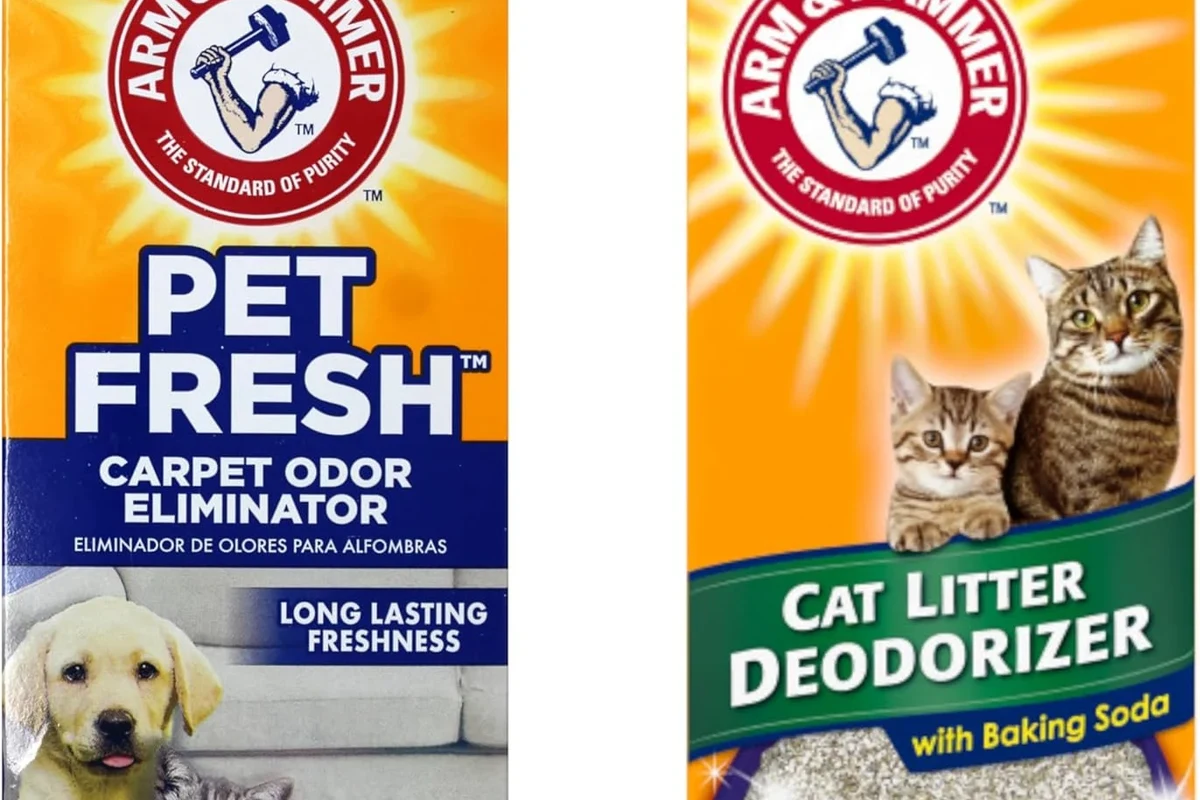
Baking soda is still popular because it helps reduce odor at the source rather than just covering it up with fragrance. In plain terms, it can help balance some of the acidic and basic odor compounds that make pet smells linger in carpet, fabric, and litter areas.
That is also why it shows up in so many household cleaning routines, including baking soda for smoke odors and laundry refresh methods. For pet homes, the same idea applies: keep the surface as dry as possible, give the powder time to sit, then remove it fully.
How baking soda neutralizes odor instead of just masking it
Many sprays simply add a stronger scent on top of the problem. Baking soda is different because its mild alkalinity helps absorb and reduce certain odor molecules, which can make a room smell cleaner without leaving a heavy perfume behind.
That does not mean it destroys every odor compound. It works best on smells trapped in fibers, on dust, and on dry residue, where it can sit in contact long enough to do its job.
Where it works best: carpets, upholstery, litter areas, crates, and pet bedding
The best results usually come on soft, porous surfaces: carpets, rugs, couch cushions, washable pet beds, crate mats, and fabric covers. These materials hold odor in tiny spaces between fibers, so a dry deodorizer can make a noticeable difference.
It can also help around litter boxes and crates as a between-cleaning freshener. For washable items, it can be paired with laundry care, much like the approach used in baking soda in laundry and baking soda to laundry detergent.
What Baking Soda Can and Cannot Do for Pet Smells
It helps to set realistic expectations. Baking soda is an odor absorber and deodorizer, but it is not a stain remover, disinfectant, or a fix for hidden leaks in padding or subflooring.
Odor absorption vs. stain removal: setting realistic expectations
If the main problem is smell, baking soda may help a lot. If the problem is urine staining, greasy residue, or a pet accident that soaked through to the pad, you will usually need a cleaner that can break down the source material too.
That is the key difference between freshening and fully cleaning. A carpet can smell better while still holding a stain or residue that will return later, especially when humidity rises.
When baking soda is enough and when enzymatic cleaners are the better choice
Baking soda is often enough for routine refreshes, light pet dander odors, mild litter box smells, and clean-but-stuffy fabric. It is also useful after a thorough wash or vacuuming, when you want to keep things fresh between deeper cleanings.
For urine, vomit, feces, or recurring odor spots, an enzymatic cleaner is often the better choice because it is designed to break down the organic material causing the smell. If the odor keeps coming back after cleaning, the source may be deeper than the surface.
Surface limits: hardwood, delicate fabrics, and moisture-sensitive materials
Baking soda is not ideal for every surface. On hardwood, unfinished wood, silk, some wool blends, leather, and moisture-sensitive materials, the powder can leave residue or create cleanup problems if it gets trapped in seams or scratches.
Always check care labels and manufacturer guidance first, especially on upholstery and specialty fabrics. When in doubt, test a small hidden area before applying it more broadly.
Do not use baking soda on a wet pet accident as your only cleanup step. Remove the mess first, clean the area fully, and then use baking soda only after the surface is no longer damp.
Best Ways to Use Baking Soda for Common Pet Odor Problems
The best method depends on the surface and how strong the smell is. In most homes, the goal is to let baking soda sit on a dry area long enough to absorb odor, then vacuum or wash it away completely.
Freshening carpets and rugs without over-wetting the fibers
For carpets and rugs, a dry sprinkle works better than a wet paste for routine odor control. Over-wetting can drive odor deeper into the backing or padding, which is exactly what you want to avoid.
Use a light, even layer, let it sit, and vacuum thoroughly. For larger rooms, work in sections so you do not miss edges, corners, or the area where pets usually rest.
Deodorizing couches, cushions, and pet beds safely
On couches and pet beds, baking soda can help with the stale smell that builds up from fur, oils, and daily use. Sprinkle lightly, let it rest on the fabric, and vacuum with a brush attachment if the material allows it.
For removable covers, laundering is usually more effective than surface deodorizing alone. If the cover is washable, you can use baking soda as part of the wash routine, but always follow the fabric label so you do not damage elastic, coatings, or waterproof layers.
Reducing litter box and crate odors between deep cleans
Near a litter box, baking soda can help reduce background odor in the surrounding area, but it should not be dumped directly where a cat may ingest it. A thin layer placed in a nearby non-accessible area or used in the surrounding room is the safer approach.
In crates, use it only after the crate is clean and dry, and make sure no powder is left where a pet could lick or breathe it in directly. Good airflow matters here, especially in smaller enclosed spaces.
For pet bedding and washable blankets, shake out loose fur first, then use baking soda on the dry fabric before washing. This helps the powder contact odor in the fibers instead of sitting on top of hair and debris.
Using baking soda in laundry for washable pet blankets and covers
Washable pet blankets, crate covers, and couch throws often respond well to a laundry boost. Baking soda can help reduce lingering odor in the wash, especially when the fabric has absorbed pet oils or mild urine odor.
Still, it works best as part of a complete wash cycle with the correct detergent and water temperature for the fabric. For a broader laundry approach, see our guide to baking soda in laundry.
Step-by-Step Methods That Actually Work
Good results come from matching the method to the mess. The more targeted your process, the less likely you are to leave residue behind or waste product on a surface that cannot benefit from it.
Dry sprinkle and vacuum method for general odor control
Start with a clean, dry surface whenever possible. Sprinkle a light, even layer of baking soda over the carpet, rug, or fabric, then let it sit long enough to absorb odor before vacuuming thoroughly.
For regular freshening, this is the simplest method and often the least disruptive. It is especially useful in rooms where pets sleep, nap, or spend a lot of time on the floor.
Remove loose fur, dust, and crumbs so the baking soda can reach the odor source.
Use an even dusting rather than a thick pile, which can be harder to remove fully.
Give it time to absorb odor, then vacuum slowly in overlapping passes.
Pre-treatment method for stronger smells before washing or steam cleaning
For stronger odors on washable items, baking soda can be a pre-treatment step before laundering. Sprinkle it on the dry fabric, let it sit, then shake or vacuum it off before washing so the machine is not overloaded with powder and fur.
If you plan to steam clean carpet, first remove as much dry residue as possible. Steam can help with soil removal, but too much moisture can also spread the smell if the source has not been dealt with.
If a pet accident has soaked through carpet backing or padding, surface deodorizing alone is rarely enough. In that case, you may need a deeper treatment or professional help to stop the odor from returning.
Spot-deodorizing pet accidents after the area has been cleaned
After you blot, clean, and dry the area, a light baking soda layer can help with leftover smell. This is a finishing step, not the main cleanup.
Use it only once the surface is no longer wet. If you put powder on a damp spot too soon, it can clump, stick to the fibers, and become harder to remove.
How long to leave it on, how much to use, and how to remove it fully
There is no single perfect timing for every surface. The right amount depends on the size of the area, the strength of the odor, and how dense the fabric is, but the general rule is to use enough to lightly cover the surface without burying it.
Leave it long enough to work, then vacuum slowly and from multiple directions. If powder remains in the pile or seams, it can keep the area looking dusty and may irritate sensitive pets or people.
When vacuuming baking soda, empty or clean the vacuum filter as needed. Fine powder can clog filters faster than loose debris and may reduce suction if you repeat the process often.
Common Mistakes That Make Baking Soda Less Effective
Most disappointing results come from simple application errors. The product is usually not the problem; the method is.
Using too little product for the size of the odor problem
A tiny dusting on a large, smelly carpet will not do much. If the odor covers a broad area, the powder needs to reach more of the surface, especially where pets lie or accidents happened.
At the same time, more is not always better. Thick layers are harder to remove and can leave a chalky feel behind.
Leaving residue behind in carpet pile or upholstery seams
Residue happens when the powder settles deep into texture and is not fully vacuumed out. This is common in plush carpet, tufted cushions, seams, and stitched edges.
Slow vacuuming and a brush attachment can help, but delicate fabrics may need a gentler approach. If the material traps powder easily, test a small area first and be careful not to overapply.
Mixing baking soda with the wrong cleaners or using it on wet messes too soon
People sometimes combine baking soda with vinegar expecting extra cleaning power, but that reaction mainly creates fizz and can reduce the amount of active baking soda left to absorb odor. For a simple explanation of that reaction, see baking soda and vinegar reaction explained simply.
It is also a mistake to use baking soda before the surface is cleaned and dry. If the odor source is still present, the smell often comes back after the powder is vacuumed away.
Expecting it to eliminate urine stains or deep-set odors on its own
Baking soda can help with odor, but stains are a different problem. Urine and other pet accidents can soak into padding, wood, or grout lines, where powder alone cannot reach.
If you need a more complete clean, pair deodorizing with the right cleaner for the surface. For some jobs, that means an enzyme product; for others, it means a full wash or professional remediation.
- Use baking soda on dry, odor-prone surfaces
- Vacuum slowly and thoroughly
- Match the method to the material
- Using it as the only fix for soaked-in pet accidents
- Leaving powder in seams or corners
- Applying it to wet messes too early
Safety Tips for Homes with Pets, Kids, and Sensitive Surfaces
Safety matters because baking soda is still a fine powder that can be irritating if used carelessly. The goal is a cleaner-smelling home, not extra dust in the air.
Keeping pets away during application and vacuuming
Keep pets out of the room while you apply and vacuum the powder. This helps prevent licking, paw tracking, and unnecessary inhalation of dust.
Once the surface is fully vacuumed and the room has settled, pets can return. If any powder remains visible in carpet or seams, do another pass before letting them back in.
Avoiding inhalation and eye irritation in enclosed spaces
Use good ventilation in small rooms, crates, laundry areas, and enclosed pet spaces. A light breeze or open window can help keep airborne dust down while you work.
If someone in the home has asthma, dust sensitivity, or eye irritation issues, use extra caution and avoid creating clouds of powder. The same practical caution applies when cleaning around food prep areas or appliances.
Checking fabrics, finishes, and vacuum filters before repeated use
Repeated use can be hard on some fabrics and filters. Before making baking soda a weekly habit, check whether the surface starts to look dull, powdery, or textured in a way that is difficult to clean.
Vacuum filters and bags may also need more frequent replacement if you use powder often. That is especially true in homes with multiple pets and heavy shedding.
Storage and freshness: how to know when your baking soda still works
Baking soda should be stored sealed, dry, and away from strong odors if you want it to stay effective. Once it absorbs moisture or smells from the environment, its deodorizing performance can drop.
If you are unsure whether a box is still fresh enough, replace it. For a broader look at freshness and replacement timing, our guide to does baking soda expire explains what to check.
When to Choose Baking Soda, Enzyme Cleaners, or Professional Help
The smartest approach is to use the mildest method that actually solves the problem. That saves time, money, and repeated cleaning.
Best-use scenarios for baking soda alone
Baking soda alone is a good choice for light pet odors, routine refreshes, washable bedding, and maintenance between deep cleans. It is also useful when you want a low-fragrance option that does not rely on heavy perfume.
If the smell is mild and the surface is dry, this is often the first method to try. It is especially practical for homeowners who want a simple, budget-friendly option.
Signs the odor source is deeper than the surface
If the smell returns after vacuuming, gets stronger in humid weather, or seems to come from one small spot no matter how much you clean, the source may be below the surface. That often points to padding, grout, subflooring, or a hidden accident.
At that stage, a surface deodorizer is not enough. You may need a cleaner designed for organic residue, or you may need to remove and replace affected materials.
How to decide between budget-friendly deodorizing and full remediation
For a light smell, baking soda is usually the most affordable first step. For repeated urine odor, heavy contamination, or damage that has spread into the structure of the home, full remediation is often the better long-term choice.
Think of baking soda as maintenance and odor support, not a rescue tool for every pet mess. That distinction helps you avoid repeated effort on a problem that needs a deeper fix.
Choosing the right deodorizing approach
Baking soda is best for dry, routine odor control on fabrics and carpets. Enzyme cleaners are better when the odor source is organic and still present, while professional help makes sense for deep or recurring smells that keep returning after cleaning.
Final Recap: The Most Reliable Baking Soda Pet Odor Strategy for 2026
The most reliable baking soda pet odor strategy is simple: clean the surface first, keep it dry, apply baking soda lightly, let it sit long enough to absorb odor, and vacuum it out completely. That routine works best as part of regular home care, not as a stand-alone fix for soaked-in accidents.
For everyday freshness, a weekly deodorizing routine can be enough. For stronger smells, combine baking soda with the right cleaner for the material, and if the odor keeps coming back, look deeper for the source instead of repeating the same surface treatment.
Practical example of a simple routine for weekly odor control
Vacuum pet areas once a week, sprinkle baking soda on carpets or washable mats, let it sit, then vacuum again. Wash blankets and covers on a regular schedule, and refresh litter-adjacent spaces only after making sure the area is dry and safe for pets.
What to do next if the smell keeps coming back
If the odor returns quickly, inspect the padding, baseboards, crate liners, or bedding seams. When the source is hidden or the smell is too strong for surface treatment, switch from deodorizing to a deeper cleaning plan or professional remediation.
For many homes, baking soda pet odor control works best as a maintenance habit rather than an emergency cure. Used correctly, it is still one of the easiest ways to keep a pet-friendly home smelling cleaner in 2026.
Frequently Asked Questions
It should sit long enough to absorb odor, then be vacuumed thoroughly. The exact time depends on the surface and smell strength, but the area should stay dry the whole time.
Sometimes it can reduce light odor on the surface, but it usually will not fully remove deep urine smell. If the odor keeps returning, an enzyme cleaner or deeper remediation is usually needed.
It can be safe when used carefully, but pets should be kept away during application and vacuuming. Avoid letting them lick or inhale loose powder.
Not as the first step. Clean and dry the area first, then use baking soda as a deodorizing finish if needed.
It can leave residue if overused or not vacuumed out well, and some delicate fabrics may not tolerate repeated use. Always check care labels and test a hidden area first.
Choose an enzyme cleaner when the odor comes from urine, vomit, feces, or another organic source that needs to be broken down. Baking soda is better for routine freshening and light odor control.