
Baking Soda and Vinegar for Shower Drain That Works Fast

Baking soda and vinegar can help a slow shower drain if the clog is light, mostly soft buildup, or odor-related. If hair is packed in the pipe or the drain keeps backing up, a drain snake or plumber is the better fix.
Baking soda and vinegar for shower drain can help a slow drain feel better fast, but it is not a cure-all. It works best on light buildup, odor, and minor clogging, not on a drain packed with hair.
- Best use: Works best for mild slow drains, soap scum, and odor.
- Main limit: Usually cannot clear dense hair clogs on its own.
- Method matters: Remove debris first, then let the mixture sit before flushing.
- Safety: Do not mix with bleach or other cleaners.
- Next step: Use a drain snake if the slowdown remains after treatment.
Baking Soda and Vinegar for Shower Drain: What It Can and Can’t Fix Fast
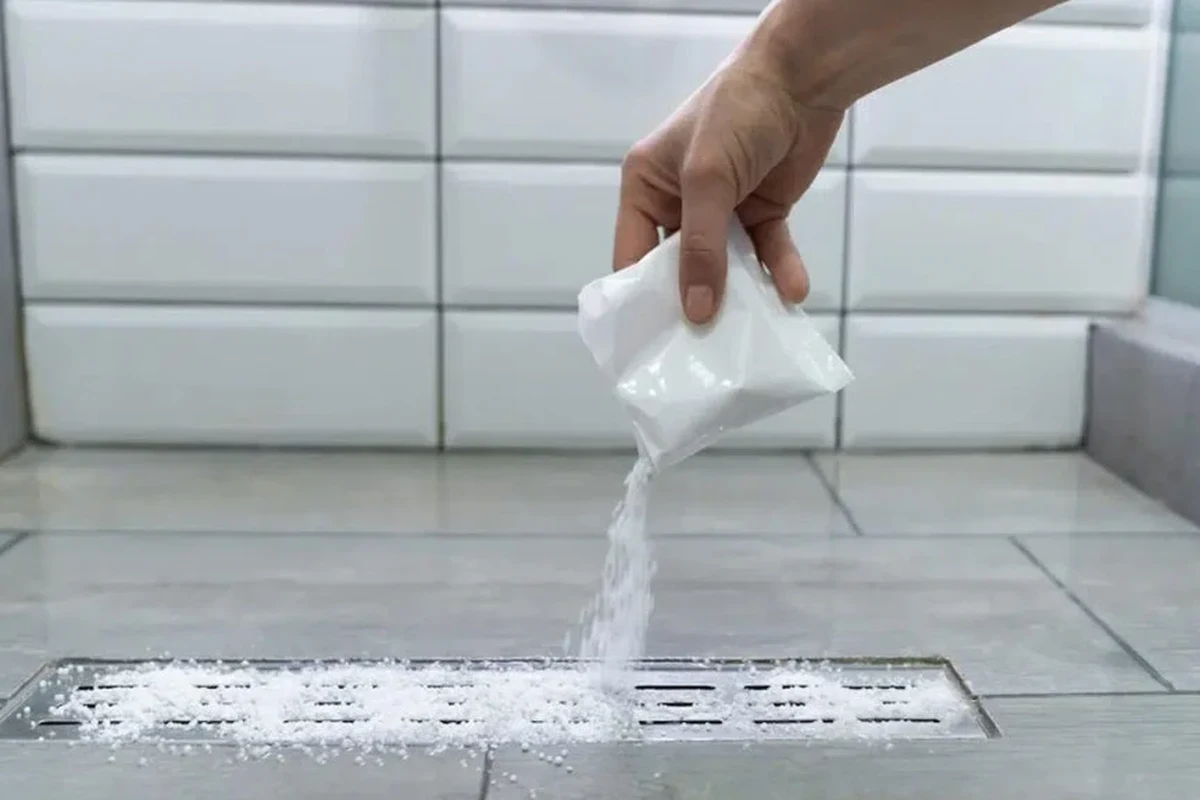
This method stays popular because it is cheap, easy to try, and uses ingredients most people already have at home. In 2026, it is still one of the first DIY steps people reach for when water starts pooling around their feet after a shower.
It is also easy to overestimate. For a shower drain, the real value is usually loosening soft residue and helping the pipe smell cleaner, not blasting away a solid blockage. If you want a deeper look at the science behind the fizz, our baking soda and vinegar reaction explained simply article breaks it down in plain language.
Why this method is popular for slow shower drains in 2026
People like it because it feels low-risk compared with stronger drain chemicals. It is also a common first step before using tools, since it can buy time while you figure out whether the problem is soap buildup, a little grease, or hair.
Another reason is convenience. A shower drain often slows down from everyday residue, and the fizzing reaction can help nudge loose material along without much effort.
What kinds of clogs it can actually loosen
This treatment can help with soft, surface-level buildup. That includes soap scum, shampoo residue, body oils, and small amounts of grime stuck to the pipe walls.
It may also improve drainage if the problem is only a partial narrowing, not a full blockage. If water still moves, just slowly, there is a better chance this method will make a noticeable difference.
When a DIY drain treatment is not enough
If the drain is stopped by a dense mat of hair, baking soda and vinegar usually will not reach the real problem. The reaction happens where the ingredients meet, but a compact clog deeper in the trap can block the mixture from doing much.
If several drains are slow at once, or if water backs up into another fixture, the issue may be beyond a simple shower-drain cleanup. That can point to a larger plumbing problem instead of a local clog.
- Easy to try with common household ingredients
- Can help with odor and light residue
- Gentler than many harsh chemical cleaners
- Often too mild for hair-packed clogs
- Can be less effective if flushed away too soon
- Does not fix deeper plumbing problems
How Baking Soda and Vinegar Work in a Shower Drain
The method works through a simple acid-base reaction. Baking soda is alkaline, vinegar is acidic, and when they meet, they fizz and release carbon dioxide gas.
That fizz is not magic, but it can help disturb loose buildup and spread the mixture through the drain opening. For readers who like ingredient comparisons, our clean drains with vinegar baking soda fast and easy guide covers a similar cleaning approach in more detail.
The chemical reaction and why the fizz matters
The bubbling is the visible sign that the ingredients are reacting. In a drain, that movement can help lift soft debris and push the liquid into small spaces around the clog.
That said, fizz alone does not equal power. A shower drain needs enough contact time for the mixture to work on residue, which is why the order and waiting period matter.
How the mixture helps with soap scum, grease, and light buildup
Soap scum and body oils can cling to the inside of pipes in thin layers. Baking soda can help scrub and neutralize some odors, while vinegar helps loosen mineral film and residue.
Together, they are best for light buildup rather than a hard blockage. Think of them as a maintenance cleaner with a little unclogging help, not a heavy-duty rescue tool.
Why this is different from using one ingredient alone
Baking soda by itself can help absorb odor and gently scrub, but it does not create the same agitation. Vinegar by itself can help with some mineral film, but it lacks the same fizzing action when used alone.
Used together, they create a short burst of movement plus a mild cleaning effect. That combination is why many people try the pair first when a shower drain starts to slow down.
The fizz from baking soda and vinegar is strongest right after mixing, so the timing matters more than adding extra amounts later.
Best Measurements and Step-by-Step Method for Fast Results
For a standard shower drain, a practical starting point is about 1/2 cup of baking soda followed by 1 cup of vinegar. Exact amounts can vary a little depending on drain size and how much buildup is present, but using too much of either ingredient is usually unnecessary.
If you want a simple kitchen-style setup, use the same careful measuring mindset you would use in baking: the right proportion matters more than guessing.
Recommended amount for a standard shower drain
Start with 1/2 cup baking soda poured directly into the drain opening. Follow with 1 cup of vinegar, poured slowly so the reaction happens inside the drain rather than in the sink or on the shower floor.
If the drain is wider than average, you may need a little more, but doubling the amount is not always better. The goal is contact and time, not foam for its own sake.
Preparation before pouring anything down the drain
First, remove the drain cover if you can do so safely. Pull out any visible hair, soap chunks, or debris with gloved fingers or a small tool.
Then clear standing water as much as possible. The cleaner the opening, the more likely the mixture is to reach the buildup instead of sitting on top of pooled water.
- Remove visible hair and debris
- Make sure no bleach or other cleaner is already in the drain
- Have hot water ready for the final flush
- Wear gloves if the drain is dirty or slimy
Pouring order, wait time, and hot-water flush
Pour the baking soda in first, then add the vinegar slowly. Once the fizz starts, let it work without adding more water right away.
After the waiting period, flush with hot water, not boiling water. Very hot water can be risky for some plumbing parts, so use a safe temperature that is warm to hot rather than extreme.
Remove hair and visible debris so the mixture can reach the pipe walls.
Pour 1/2 cup into the drain and let it settle into the opening.
Pour 1 cup in a steady stream and let the fizz build in the drain.
Give it time to work, then flush with hot water to help move loosened residue.
How long to let it sit for a minor clog versus a slow drain
For a minor clog or odor issue, 15 to 30 minutes is often enough to try first. For a slow drain with more buildup, some people let it sit longer before flushing.
Even then, longer time only helps if the mixture can reach the problem. If water barely moves at all, the clog may be too dense for this method alone.
If the shower has already been treated with another cleaner, stop and rinse thoroughly before trying baking soda and vinegar. Mixing products can create unsafe fumes or reduce the cleaner’s effect.
Common Mistakes That Make the Drain Treatment Less Effective
Most failed attempts come from small process errors rather than the ingredients themselves. In drain cleaning, timing and preparation matter a lot.
Using too much water too soon
If you flush immediately, the reaction has no time to work on the buildup. The mixture needs a short pause so it can sit in the drain and contact the residue.
Adding water too early also dilutes the vinegar and can wash the ingredients away before they do much.
Skipping the drain cover or visible debris removal
Hair is the most common reason a shower drain slows down. If you leave a hair mat in place, the mixture may fizz around it without breaking it apart.
Removing what you can see first gives the treatment a much better chance of helping.
Mixing with bleach or other cleaners
Do not combine baking soda and vinegar with bleach, ammonia, or other drain cleaners. Some cleaner combinations can create dangerous fumes or unpredictable reactions.
If another product was used earlier, follow the label directions and rinse thoroughly before trying a different method.
Expecting it to clear hair-packed blockages
A drain full of tangled hair usually needs mechanical removal. The fizz may loosen slime around the clog, but it often cannot break through the hair itself.
That is why this method works best as a first step, not the only step, when the drain is badly blocked.
Never assume a fizzing mixture can replace safe plumbing cleanup. If you suspect a serious blockage, backflow, or sewer issue, stop using the shower until the problem is checked.
Safety, Surface Care, and Plumbing Limitations
This is generally a mild household method, but it still deserves care. Shower areas have tile, grout, metal trim, and sometimes older plumbing parts that can react differently to cleaners and heat.
How to protect tile, grout, and metal drain parts
Keep the mixture in the drain rather than splashing it onto finished surfaces. If any spills land on tile or metal, wipe them up promptly with clean water.
Rinse the area after the treatment so residue does not sit on grout lines or around the drain cover.
Use gloves if the drain has sharp edges, trapped debris, or standing water. Good ventilation also helps if the drain has a strong odor.
Why this method is usually safe for most home plumbing
For many homes, baking soda and vinegar are gentler than harsh chemical drain openers. That makes them a reasonable first try for routine maintenance or a light slowdown.
Still, plumbing systems vary. Older pipes, special finishes, and unusual repairs can change what is safe, so it is smart to follow any manufacturer or plumber guidance for your home.
Warning signs of deeper pipe or sewer problems
If you notice gurgling from other drains, repeated backups, or foul odors coming from multiple fixtures, the issue may be farther down the line. That is different from a simple shower clog.
Slow drainage that returns quickly after cleaning can also suggest a deeper buildup or venting problem.
When to stop and call a plumber
Stop if the shower backs up, if the clog moves to other drains, or if you suspect pipe damage. Also stop if you have already tried a safe mechanical method and the water still will not clear.
Calling a plumber is the smarter choice when the problem keeps coming back or when you are unsure what kind of pipe you have.
Better Use Cases: Maintenance, Odor Control, and Mild Clogs
For many households, the best use of baking soda and vinegar is prevention. Used on a schedule, it can help keep a shower drain fresher and reduce the buildup that leads to slow drainage.
Weekly or monthly maintenance for shower drains
A light treatment once a week or once a month may help reduce residue before it becomes a bigger issue. The right schedule depends on how much hair, soap, and product use the shower sees.
Busy family bathrooms often need more frequent attention than guest showers.
Using the method to reduce odor and freshen the drain
Drain odor often comes from trapped residue, not just standing water. Baking soda can help absorb some smells, and vinegar can help loosen the film that holds odor in place.
That makes this method useful even when the drain is not fully clogged.
Practical examples of slow-drain situations it can help
It may help when water drains in a steady trickle instead of pooling hard. It can also be useful after shaving, heavy conditioner use, or a period of extra soap buildup.
If the shower is only slightly sluggish, this method may improve flow enough to avoid a bigger cleanup later.
Helps keep a drain fresher and may slow the return of soap residue.
Can loosen light buildup when the drain still has some flow.
What to Do If Baking Soda and Vinegar Do Not Work
If the drain is still slow after one careful treatment, move to a more direct method instead of repeating the same step over and over. At that point, the problem is often mechanical, not chemical.
Mechanical cleanup with a drain snake or hair remover tool
A drain snake or hair removal tool can pull out the clog that the fizz could not reach. This is often the most effective next step for shower drains, because hair is usually the main blockage.
Work slowly so you do not scratch the drain or push the clog deeper.
Using hot water safely as a follow-up step
After mechanical cleaning, a hot-water flush can help move away loosened residue. Use caution with very hot water around plastic parts or older plumbing.
Warm to hot water is usually a safer middle ground than anything near boiling.
Signs the clog is beyond DIY cleaning
If the drain repeatedly backs up, if other fixtures are affected, or if water rises instead of draining, the clog may be deeper in the system. That can mean the trap, branch line, or main drain needs attention.
Persistent odor plus poor drainage can also point to a larger issue that needs professional inspection.
How to choose the next best fix without damaging pipes
Start with the least aggressive option that matches the problem. For visible hair, use a tool; for mild residue, use the baking soda and vinegar method; for repeated backups, call a plumber.
If you are unsure, choose the option that puts the least stress on the pipe and gives you the most information about what is causing the clog.
Final Recommendation: Is Baking Soda and Vinegar the Right Fast Fix for Your Shower Drain?
For a fast, low-drama first attempt, yes, baking soda and vinegar for shower drain can be a smart choice. It is most effective when the drain is only slightly slow, smells stale, or has light soap buildup.
Best-case scenario for quick improvement
The best result is a drain that starts moving better after one treatment and a rinse. You may also notice less odor and less gunk around the drain opening.
That kind of improvement is realistic when the clog is soft and recent.
Who should use this method first
This is a good first step for beginners who want a simple, mild, and inexpensive option. It is also a sensible maintenance method for people who want to stay ahead of buildup.
If you prefer a cleaner-style approach before tools or harsh chemicals, this is a practical place to start.
When another approach is the smarter choice
If the shower is barely draining, if hair is clearly packed in the opening, or if the backup keeps returning, move straight to a drain snake or plumber. That saves time and avoids repeated guesswork.
In short, this method works fast only when the clog is light. For anything more stubborn, it is best treated as a first aid step, not the final fix.
Baking soda and vinegar are worth trying first for a slow shower drain when you want a gentle, quick cleanup. If the drain is packed with hair or the problem keeps coming back, a mechanical tool or professional help is the better choice.
Frequently Asked Questions
A common starting point is 1/2 cup baking soda followed by 1 cup vinegar. The exact amount can vary by drain size and buildup, but more is not always better.
It may help loosen slime around the hair, but it usually will not remove a packed hair clog. A drain snake or hair remover tool is often the better next step.
For a minor clog or odor issue, 15 to 30 minutes is a practical starting point. If the drain is only slow, a longer wait may help a little more before flushing with hot water.
It is usually safe for most home plumbing when used by itself and followed by a water flush. Do not mix it with bleach or other cleaners, and stop if you suspect a deeper plumbing problem.
The odor may come from trapped hair, soap scum, or a deeper drain issue. If the smell returns quickly, mechanical cleaning or a plumber may be needed.
Try a drain snake or hair removal tool next, then flush safely with hot water. If the clog affects other drains or keeps coming back, call a plumber.