
Best Baking Soda Brands for Every Home Baker
The best baking soda brands are fresh, food-grade, and packaged to stay dry. For most home bakers, consistency and storage matter more than brand hype.
Choosing the right baking soda brand sounds simple, but freshness, packaging, and purity can change how your cookies, cakes, and quick breads turn out. This guide from the Baking Pastry Schools Editorial Team explains what to look for, how to compare labels, and which types of baking soda brands fit different home bakers.
- Freshness matters most: Old or damp baking soda can weaken rise and texture.
- Packaging protects performance: Resealable, moisture-resistant containers help preserve potency.
- Match the brand to your baking habits: Frequent bakers, occasional bakers, and specialty recipe fans have different needs.
- Test before important bakes: A vinegar fizz test can help confirm whether an old box still works.
What Makes a Baking Soda Brand Worth Buying in 2026
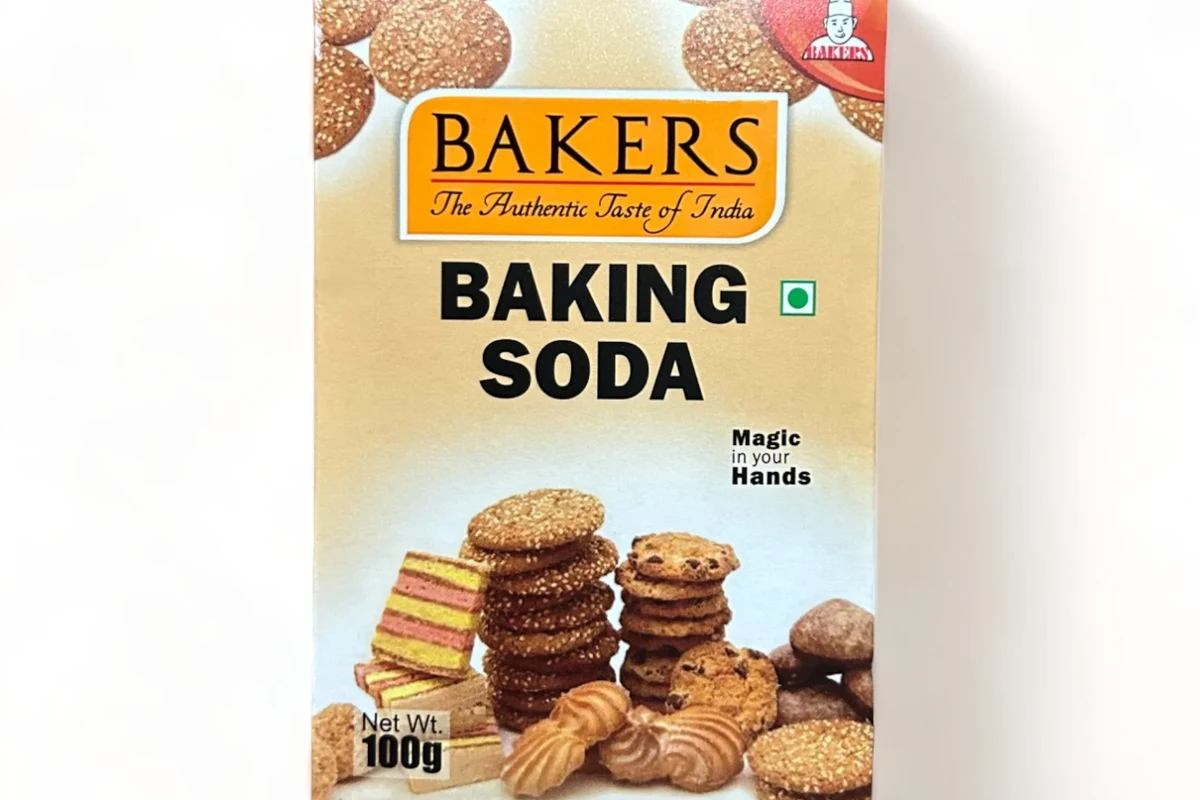
For home bakers, the best baking soda brands are the ones that stay dry, stay potent, and blend cleanly into recipes. Baking soda is a single-ingredient leavener, so the main question is not fancy marketing but whether the product is fresh, pure, and protected from moisture.
Why freshness, purity, and packaging matter for home baking
Fresh baking soda should give a strong reaction when it meets acid in a recipe, such as brown sugar, buttermilk, yogurt, lemon juice, or vinegar. If a box has absorbed moisture from the pantry, it may clump and lose some of that reliable lift, which can leave cakes dense and pancakes flatter than expected.
Packaging matters because baking soda can pick up odors and humidity easily. A resealable box, tight cardboard flap, or moisture-resistant container helps preserve performance, especially in kitchens where the pantry sits near the stove or dishwasher.
How brand reputation, sourcing, and shelf life affect results
Brand reputation matters most when it reflects consistent manufacturing and clear labeling. You do not need a luxury label to get good results, but you do want a product that is clearly marked for food use and stored in a way that limits contamination.
Sourcing is usually less important than purity for everyday baking, but some bakers prefer brands with simple ingredient statements and minimal processing aids. Shelf life also matters because baking soda can sit in the pantry for a long time; the “best by” date is a quality guide, not a hard safety cutoff, but older product deserves a quick freshness test before you rely on it.
If you also use baking soda for cleaning, keep a separate food-use box. That helps prevent flavor transfer and accidental cross-use in recipes.
How Baking Soda Performs in Real Recipes
Baking soda works by creating carbon dioxide gas when it meets an acid and moisture. That gas expands in the oven, helping batter rise and giving baked goods a lighter crumb.
Leavening power in cookies, cakes, quick breads, and pancakes
In cookies, baking soda can encourage spread, browning, and a softer bite. In cakes and quick breads, it helps create lift and a more open texture when the recipe has enough acidic ingredients to activate it.
Pancakes are a good example of why freshness matters. If the soda is active, the batter should puff quickly on the griddle and set into a tender, airy interior. If it is weak or the recipe is unbalanced, the pancakes can taste flat and look dull instead of golden.
When a stronger rise matters and when it can ruin flavor or texture
A stronger rise is useful when a recipe is dense and acidic, such as chocolate cake with natural cocoa or a buttermilk batter. In those cases, enough baking soda helps neutralize some acidity and gives better volume.
Too much baking soda can backfire. Overuse can create a soapy, metallic, or bitter taste, and it may also over-brown the surface before the center finishes baking. That is why the best baking soda brands are not the “strongest” brands, but the most consistent ones.
Baking soda is pure sodium bicarbonate in most food products, so performance depends more on freshness, storage, and recipe balance than on special branding claims.
Best Baking Soda Brands for Different Home Baker Needs
There is no single winner for every kitchen. The right choice depends on how often you bake, whether you want a simple pantry backup, and how important packaging and consistency are to you.
Everyday value baking soda brands
These are best for frequent bakers who want a dependable, no-frills ingredient for cookies, muffins, pancakes, and quick breads. Look for a clear food label, a recent date, and packaging that seals well after opening.
Everyday value brands are usually the best fit for most households. They tend to be widely available, affordable, and easy to replace, which matters if you bake often and want a fresh box on hand for weeknight recipes or holiday batches.
Premium or specialty baking soda brands
These appeal to bakers who want consistent texture, clean taste, and packaging that protects the product well over time. They can be a smart choice for detailed recipes where ingredient reliability matters, such as delicate cakes or pastry-style batters.
Premium or specialty brands are not automatically better in every recipe, but they may offer better moisture protection, clearer sourcing information, or a more refined pantry experience. If you bake for guests or follow precise formulas, that consistency can make the ingredient easier to trust.
Budget-friendly baking soda brands
These are practical for occasional bakers, backup pantry storage, or homes that use baking soda for both cooking and cleaning. The main tradeoff is that you may need to check freshness more often and store the box carefully after opening.
Budget options can work very well if they are fresh and stored properly. If you bake only a few times a year, a low-cost box makes sense, but it is worth replacing it sooner if the box has been open for a long time or stored in a humid kitchen.
- Lower cost per use for frequent baking
- Easy to find in most grocery stores
- Simple ingredient profile for standard recipes
- Some boxes offer weaker moisture protection
- Older stock may lose performance in storage
- Not all brands label packaging or freshness clearly
How to Compare Baking Soda Labels Before You Buy
Reading the label is the fastest way to avoid a disappointing box. You are looking for purity, practical packaging, and a date that suggests the product has not been sitting on a shelf too long.
Ingredient purity, additives, and anti-caking considerations
Most food-grade baking soda should list sodium bicarbonate as the main ingredient. If a label includes anti-caking agents or other additives, that is not automatically a problem, but plain baking soda is usually the simplest choice for baking because it keeps the ingredient profile predictable.
If you want the cleanest possible taste in recipes, especially in delicate batters, choose a brand with a short ingredient list. That said, the real test is how the product behaves in your kitchen, since storage conditions often matter more than a tiny difference in label language.
Package size, resealable containers, and moisture protection
Package size should match how quickly you bake. A large box may be economical, but if it sits open for months in a humid kitchen, it can be less reliable than a smaller box replaced more often.
Resealable containers are helpful because baking soda absorbs moisture and odors from the air. A tightly closed box or canister protects performance and helps prevent your cakes from carrying pantry smells into the crumb.
Expiration dates, lot codes, and what “best by” really means
The “best by” date is mainly a quality reference, not a strict safety deadline. For baking soda, it is a useful clue, but the ingredient can still be fine after that date if it has been stored dry and sealed.
Lot codes help manufacturers trace production, but home bakers usually care more about whether the box has been opened, how it was stored, and whether it still fizzes strongly. If you are unsure, test it before using it in an important recipe.
Common Mistakes Home Bakers Make With Baking Soda
Most baking soda problems are not caused by the brand alone. They usually come from storage, measurement, or confusion about how leaveners work.
Using expired baking soda and getting flat baked goods
Old baking soda may still look fine, but it can lose strength if moisture has gotten in. The result is often a batter that rises slowly or not at all, especially in recipes that depend on a quick chemical reaction for lift.
If your cookies seem heavier than usual or your muffins bake up tight, expired baking soda is one possible cause. It is worth checking before you blame the recipe.
Confusing baking soda with baking powder in recipes
Baking soda is not the same as baking powder. Baking soda needs an acid in the recipe to activate well, while baking powder already contains its own acid component and is designed to work in a wider range of batters.
If you swap them without adjusting the recipe, the result can be poor rise, off flavor, or odd texture. If you are unsure about a substitution, review a trusted guide like our article on using baking soda instead of baking powder safely before you change the formula.
Overmeasuring and causing soapy, metallic, or bitter flavors
Too much baking soda can overpower the batter. Even if the crumb looks light, the taste may be unpleasant, and the baked good can brown too quickly on the outside.
Use proper measuring spoons and level them off. Small measuring errors matter more with baking soda than with many other pantry ingredients because the margin between “enough” and “too much” can be narrow.
Your muffins rise, then collapse or taste bitter.
Check the soda’s freshness, confirm the recipe needs baking soda rather than baking powder, and remeasure carefully. If the recipe is highly acidic, make sure the soda amount matches the batter’s balance.
How to Test Whether Your Baking Soda Still Works
A quick test can save a batch. If you are unsure about an old box, check it before you start mixing a full recipe.
Simple vinegar reaction test and what a strong fizz tells you
Put a small spoonful of baking soda into a bowl and add a little vinegar. A strong, immediate fizz means the baking soda is still reacting well enough for most baking needs.
This is the same basic acid-base reaction discussed in our guide to the baking soda and vinegar reaction. In the kitchen, you are looking for active bubbling, not a specific scientific measurement.
Do not taste the test mixture. Vinegar and baking soda are safe food ingredients in normal use, but the test is only for checking reactivity, not for eating.
When to replace an old box instead of risking a recipe
If the soda barely fizzes, smells musty, or has been open in a damp pantry for a long time, replace it. That is especially important for cakes, muffins, and quick breads where lift is essential to the final texture.
For everyday cleaning use, a weaker box may still have some value, but for baking it is usually smarter to start fresh. The cost of a new box is small compared with a failed dessert.
Storage, Safety, and Pantry Best Practices
Good storage keeps baking soda reliable longer. It also helps prevent flavor transfer and accidental mix-ups in a busy kitchen.
Keeping baking soda dry, sealed, and away from odor contamination
Store baking soda in a cool, dry place away from the stove, sink, or dishwasher. Heat and humidity are the biggest pantry threats because they can cause clumping and reduce performance over time.
Keep the container tightly closed after each use. Baking soda can absorb odors from onions, spices, and other strong-smelling foods, which is another reason sealed packaging matters.
Food use versus cleaning use: why separate containers matter
A box used for cleaning should not be returned to the baking shelf. Even if the product started as food-grade, once it has touched counters, sinks, or cleaning residues, it should stay out of recipes.
If you regularly use baking soda for household tasks, label one container for food and another for cleaning. That simple habit reduces confusion and helps protect flavor and food safety.
Safe handling for households with kids, pets, or allergy concerns
Keep baking soda out of reach of small children and pets, especially when it is stored in large pantry containers. It is a common kitchen ingredient, but it should still be handled as a household product that belongs in its own place.
For allergy concerns or ingredient sensitivity, always read the product label carefully and verify cross-contact risks with the manufacturer if needed. This is not medical advice, and serious allergy questions should be addressed with qualified guidance.
Do not use baking soda from an unlabeled container in food if you cannot confirm that it is food-grade and clean. When in doubt, replace it.
Final Brand Recommendation Guide for Different Baking Goals
The best baking soda brand is the one that matches how you bake, how you store pantry staples, and how often you need a reliable rise. If you want the safest general recommendation, choose a fresh, clearly labeled food-grade brand with simple ingredients and moisture-protective packaging.
Best overall choice for reliability and versatility
For most home bakers, the best overall choice is a mainstream food-grade baking soda brand with a clear expiration date and a tightly sealed box or canister. That combination usually gives the most dependable performance in cookies, pancakes, muffins, and quick breads.
If you want a brand-specific example to research further, our Bob’s Red Mill baking soda review can help you think through what a consistency-focused option may offer, though you should still compare label details and availability in your own area.
Best choice for value, occasional baking, and specialty recipes
For value, choose a fresh budget box and replace it before it sits too long. For occasional baking, smaller packages often make more sense because you are less likely to let them age in the pantry.
For specialty recipes, prioritize packaging and consistency over price alone. Delicate cakes and precise pastry-style batters benefit more from a dependable ingredient than from the lowest shelf tag.
How to choose the right baking soda brand based on your baking style
If you bake often, pick a brand that is easy to buy again and again, with packaging that stays dry. If you bake only once in a while, choose a smaller box and test it before major recipes.
If your kitchen is humid, store the box in a sealed container after opening. If you want to avoid recipe failures, keep a fresh backup on hand and replace any box that seems weak, clumpy, or stale.
For most home bakers, the best baking soda brands are the ones that are fresh, food-grade, and well packaged, not the ones with the flashiest label. Choose a reliable everyday brand for frequent baking, a premium option if you value consistency and cleaner storage, and a budget box only if you will use it before it loses potency.
In short, baking soda is simple, but the brand you buy still matters. A fresh box, a tight seal, and careful measurement will do more for your results than any marketing claim on the front of the package.
If you want to avoid one of the most common baking mistakes, keep your soda separate from cleaning supplies and review the difference between baking soda and baking powder before you swap ingredients.
Frequently Asked Questions
Look for food-grade sodium bicarbonate, a recent date, and packaging that seals well. A good brand should also fizz strongly in an acid test and store without clumping.
Not always. Freshness, storage, and recipe balance usually matter more than price, though premium packaging may help protect consistency.
Sometimes, yes, if it has been stored dry and sealed. Test it first, and replace it if the fizz is weak or the box has been exposed to moisture.
That usually means too much baking soda was used or the recipe did not have enough acid to balance it. Remeasure carefully and check that the recipe calls for baking soda rather than baking powder.
Keep it dry, sealed, and away from strong odors. For best results, store food-use baking soda separately from any box used for cleaning.
Add a small amount to vinegar and watch for a strong fizz. If the reaction is weak or delayed, replace the box before baking.

