
Bicarbonate of Soda Baking Tips for Perfect Results
Bicarbonate of soda works best when the recipe has enough acid, the amount is measured carefully, and the batter goes into the oven quickly. Good storage, fresh ingredient checks, and simple doneness cues help you avoid flat, bitter, or overbrowned bakes.
Bicarbonate of soda is one of the most useful ingredients in home baking, but it only gives reliable results when the recipe has the right balance of acidity, moisture, and heat. In this guide from the Baking Pastry Schools Editorial Team, you’ll learn how to use bicarbonate of soda baking methods with more confidence and fewer surprises.
- Match the acid: Use bicarbonate of soda in recipes with yogurt, buttermilk, citrus, molasses, or natural cocoa.
- Measure precisely: Small amount changes can affect flavor, spread, and crumb.
- Bake fast: Once wet and dry ingredients combine, move promptly to the oven.
- Check freshness: Old or damp baking soda can weaken rise and create off flavors.
- Watch the finish: Even browning, springy texture, and a set center signal better results.
What Bicarbonate of Soda Does in Baking and Why It Matters
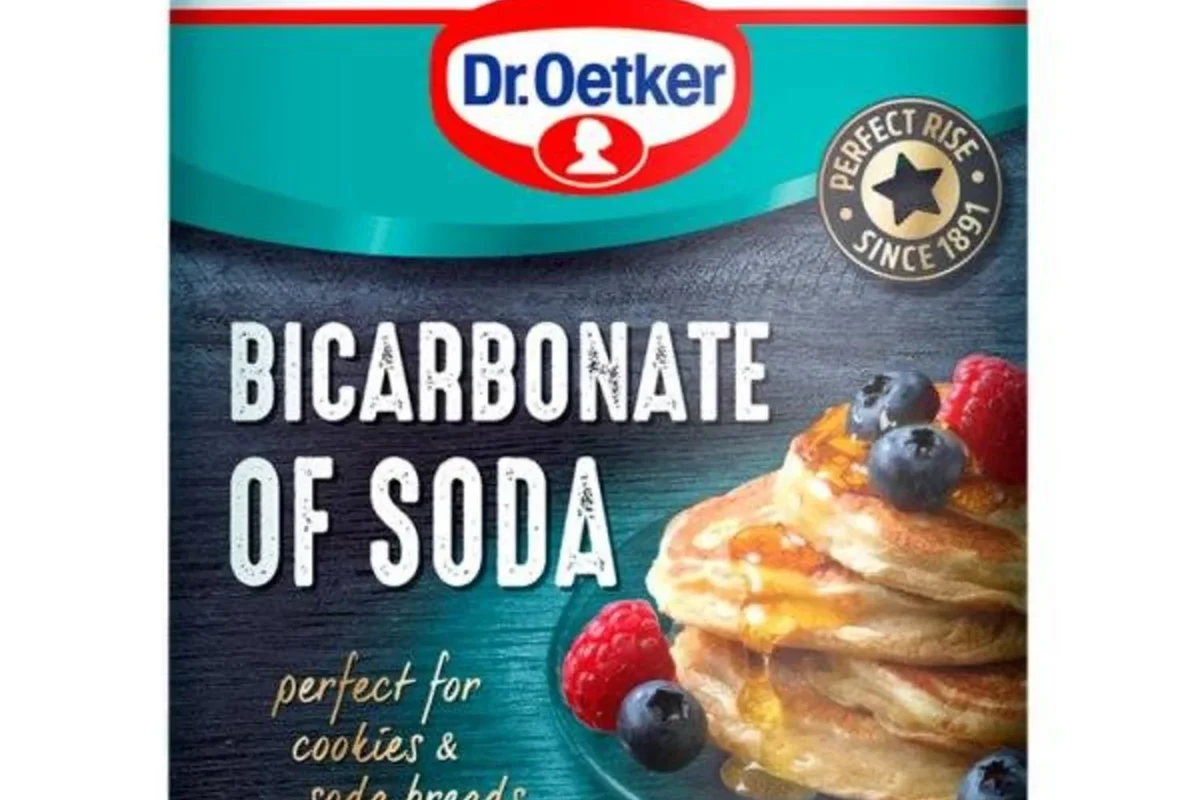
Bicarbonate of soda, also called baking soda, is a chemical leavener. When it meets an acidic ingredient and moisture, it releases carbon dioxide gas, which helps batter or dough rise. That gas also affects browning and texture, so the ingredient does more than just add lift.
In the oven, bicarbonate of soda can encourage a deeper golden color and a softer, more open crumb. Used well, it can improve quick breads, muffins, cakes, and cookies. Used poorly, it can leave behind a harsh taste or a heavy texture.
How bicarbonate of soda creates lift, browning, and texture
The rise happens because gas bubbles expand as the batter heats. Those bubbles push against the structure made by flour, eggs, and fats, giving the finished bake volume. In cookies and cakes, that same reaction can also change spread and tenderness.
It matters because bicarbonate of soda reacts quickly. If the batter sits too long before baking, some of the gas escapes before the oven can set the structure. That is why timing is such a big part of successful bicarbonate of soda baking.
Why pH balance matters in quick breads, cakes, and cookies
Acid balance affects both flavor and structure. Too little acid can leave excess alkaline soda in the batter, which may taste soapy or metallic and can also create an odd yellow-brown color. Too much acid can make the batter overly reactive and sometimes too tender or fragile.
For many recipes, the goal is not maximum reaction but the right reaction. If you are also learning how baking soda differs from other leaveners, our guide on using baking soda instead of baking powder safely explains the practical limits in everyday baking.
Bicarbonate of soda is alkaline, so it can help neutralize acidic batters while also creating carbon dioxide. That is why it is often used in recipes that include yogurt, buttermilk, citrus, or molasses.
Measuring Bicarbonate of Soda Correctly for Consistent Results
Accuracy matters because bicarbonate of soda is powerful in small amounts. A little too much can change flavor and color noticeably, while too little may leave a recipe dense or under-risen. Use a level measuring spoon and avoid packing the powder into the spoon.
If you bake often, it also helps to check that your baking soda is still fresh. Our article on whether baking soda expires and when to replace it can help you rule out an inactive ingredient before you start troubleshooting the recipe.
How much to use based on flour, acidity, and batch size
There is no single universal amount, because the right dose depends on the recipe formula. A batter with more acidic ingredients generally needs more bicarbonate of soda than a neutral batter, but the flour amount and batch size also matter. Follow the recipe first, then adjust only if you understand the ingredient balance.
As a practical habit, measure bicarbonate of soda as carefully as you measure salt. Even small differences matter in delicate cakes and cookies. If you are scaling a recipe up or down, keep the leavener in proportion rather than guessing by eye.
Why too much or too little changes flavor, color, and spread
Too much bicarbonate of soda can make baked goods spread too quickly, brown too deeply, and taste alkaline. It may also weaken structure if the batter rises before the proteins and starches have time to set. Too little can leave the bake compact, pale, and less tender than expected.
In cookies, the difference often shows up as extra spread or a rough, cracked surface. In cakes and muffins, you may notice a tighter crumb and less dome. That is why consistency in measuring is one of the most important habits in bicarbonate of soda baking.
Ingredient brand, humidity, oven calibration, and pan material can all affect the final result. A recipe that works well in one kitchen may need small adjustments in another.
Best Ingredient Pairings for Bicarbonate of Soda Baking
Bicarbonate of soda works best when the recipe includes a clear acid source. That acid activates the leavener and helps prevent a flat or soapy result. When the recipe is balanced, the finished bake usually has better lift, better color, and cleaner flavor.
Acidic ingredients that activate it properly: yogurt, buttermilk, citrus, molasses, and cocoa
Common acidic partners include yogurt, buttermilk, sour cream, citrus juice, molasses, brown sugar in some formulas, and natural cocoa powder. These ingredients help the soda react at the right pace. In chocolate baking, natural cocoa is especially useful because it is acidic, unlike Dutch-processed cocoa, which is usually less acidic.
That means a recipe with natural cocoa may rely on bicarbonate of soda for both lift and flavor balance. A recipe with Dutch-processed cocoa may need a different leavener mix. If you are unsure, check the recipe type carefully rather than swapping by habit.
When bicarbonate of soda should be paired with baking powder instead
Some recipes need both leaveners. Baking powder can provide extra lift even when there is not enough natural acidity in the batter, while bicarbonate of soda can still support browning and flavor. This combination is common in recipes that need a stronger rise but also benefit from the taste and color that soda provides.
For a deeper comparison, see our guide on whether baking soda and baking powder are the same. The short version is that they are not interchangeable in every recipe, because their chemistry and acid requirements differ.
- Improves browning and spread control
- Works quickly in acidic batters
- Can soften texture in the right formula
- Can taste bitter if overused
- Needs acid to work properly
- Can lose power if batter sits too long
Step-by-Step Method Tips for Better Rise and Texture
Good technique matters as much as ingredient balance. The order of mixing, the time between mixing and baking, and the type of batter all affect how much rise you get. Small changes in workflow can make a visible difference in the crumb.
Mixing order, resting time, and how quickly to bake after combining
In most recipes, bicarbonate of soda is mixed with the dry ingredients so it disperses evenly. That helps prevent pockets of concentrated soda, which can create bitter spots. Once the wet and dry ingredients are combined, move efficiently toward the oven unless the recipe specifically calls for resting.
Some batters benefit from a short rest to hydrate the flour, but not every recipe does. If the recipe contains an acid that reacts immediately, long resting can reduce the available lift. When in doubt, follow the timing in the formula and preheat the oven fully before mixing.
Measure dry ingredients first, check that the oven is fully preheated, and line or grease the pan as needed.
Combine wet and dry ingredients, portion the batter or dough promptly, and bake while the reaction is still active.
Let the bake set in the pan briefly, then transfer to a rack so steam does not soften the crust or bottom.
Practical examples for muffins, cookies, pancakes, and tray bakes
Muffins usually need quick mixing and quick baking to capture the rise. Overmixing develops gluten and can make them tough, while delay after mixing can weaken lift. Cookies are more forgiving, but too much soda can make them spread thin and brown too fast.
Pancakes depend on a light, immediate reaction for a fluffy interior, so the batter should be cooked soon after mixing. Tray bakes often need even distribution of the leavener to avoid uneven domes or tunnels. For oven-based bakes, rack position and pan color can also influence browning.
Best for muffins and pancakes, where a fast reaction supports a lighter crumb.
Best for cakes and tray bakes that need both lift and a more controlled rise.
Common Bicarbonate of Soda Baking Mistakes and How to Fix Them
Most problems come from one of three areas: incorrect measurement, weak acid balance, or delayed baking. The good news is that these issues are usually easy to identify once you know the signs. A careful look at color, aroma, and crumb can point you toward the fix.
Flat bakes, soapy flavor, or uneven browning.
Check the leavener amount, confirm that the recipe includes enough acid, and bake promptly after mixing.
Flat bakes, soapy taste, over-browning, and coarse crumb
Flat bakes often mean the soda was too old, the batter sat too long, or the recipe lacked enough acid to activate it. A soapy taste usually points to excess bicarbonate of soda or incomplete neutralization. Over-browning can happen when the alkaline batter speeds color development before the inside is fully set.
A coarse crumb can come from too much leavener, overmixing, or a batter that rose too fast and collapsed. If you are making a recipe that should be tender but not airy, aim for even mixing and a batter texture that matches the recipe photo or method description, when provided.
Signs your bicarbonate of soda is old or not active enough
Old bicarbonate of soda may still look fine, but its performance can weaken over time if it has absorbed moisture or odors. If the box smells stale, clumpy, or strongly of other foods, replace it. A simple freshness check can help before you blame the recipe.
For kitchen odor issues and storage mistakes, it can also help to keep baking soda in a sealed container away from strong-smelling ingredients. If you want a broader look at freshness and replacement habits, the article on baking soda product quality may be useful as a brand-specific reference point.
Do not taste raw batter if it contains eggs or raw flour, and keep baking tools separate from allergen ingredients to reduce cross-contact. Follow USDA and FDA food safety guidance for handling and storage when recipes include perishable ingredients.
Doneness Checks and Quality Markers to Look For
With bicarbonate of soda baking, doneness is about more than a set timer. You want the structure to be fully baked, the crumb to be set, and the rise to look stable rather than inflated and fragile. Visual and touch cues are often more reliable than time alone.
Visual cues, texture tests, and internal doneness indicators
Look for even browning, a gently domed top, and edges that begin to pull away from the pan in many recipes. A tester inserted into the center should come out with a few moist crumbs for cakes and muffins, though exact expectations vary by recipe. The surface should spring back lightly when touched, not feel wet or jiggly.
For tray bakes, the center should be set without a raw-looking dip. If the top browns too quickly, the oven may be too hot or the pan may be too dark. An oven thermometer can help confirm whether the real temperature matches the setting on the dial.
How to tell when a bake has risen correctly versus overexpanded
Correct rise usually looks even, with a stable dome or a uniform crumb structure. Overexpanded bakes may rise sharply, then collapse or crack in a way that exposes a gummy center. That can happen when too much soda creates a burst of gas before the structure is ready to hold it.
Storage, Safety, and Ingredient Handling in the Home Kitchen
Storage affects both freshness and kitchen cleanliness. Bicarbonate of soda can absorb odors and moisture from the air, which is not ideal for baking performance. A simple storage routine helps keep it ready for consistent use.
How to store bicarbonate of soda for freshness and odor control
Keep it in a tightly sealed container in a cool, dry cabinet. Avoid storing it near onions, spices, or strong-smelling foods, because it can pick up odors. If the powder becomes damp or develops clumps, replace it rather than trying to rescue it.
If you use baking soda for multiple household tasks, keep a clearly labeled baking-only container for recipes. That helps prevent confusion and keeps cleaning products out of the food prep area. For non-food uses, see our related guide on baking soda and vinegar oven cleaning if you also want to separate kitchen maintenance from baking ingredients.
Food safety, labeling, and preventing cross-contamination in baking prep
Label containers clearly so you do not confuse bicarbonate of soda with baking powder or other white powders. In busy kitchens, that matters more than it seems. Keep scoops and spoons clean, and do not return unused powder to a container if it has touched wet batter or another ingredient.
If your kitchen handles allergens such as wheat, dairy, eggs, nuts, or soy, reduce cross-contact by using clean bowls, fresh utensils, and separate storage when needed. For serious allergy concerns, always check product labels and follow qualified medical or dietary guidance.
Always verify oven temperature, ingredient freshness, and recipe instructions before adjusting leaveners. Small formula changes can have a big effect on texture, especially in cakes, quick breads, and cookies.
Final Baking Decision: When to Use Bicarbonate of Soda for the Best Results
Use bicarbonate of soda when the recipe includes enough acidity to activate it or when the formula needs a little extra browning and spread control. Choose baking powder instead, or a combination of both, when the batter does not have enough acid on its own. The best choice depends on the flavor profile, rise you want, and how quickly the batter will be baked.
Choosing the right leavener for the recipe, flavor profile, and finish
If you want a deeper color, a slightly tangier balance, or a more open crumb in an acidic recipe, bicarbonate of soda is often the right tool. If you need a more neutral flavor and a more predictable rise in a less acidic batter, baking powder may be the better choice. In many home kitchens, the most reliable results come from following the recipe exactly before making any substitutions.
Recap of the most reliable bicarbonate of soda baking habits for 2026
The most dependable habits are simple: measure carefully, match the leavener to the acid in the recipe, bake promptly after mixing, and check doneness with more than one cue. Keep your baking soda fresh, your oven calibrated, and your ingredients organized. Those basics will do more for consistent results than any shortcut.
If you remember only one thing, make it this: bicarbonate of soda works best when the recipe, timing, and heat all support the same goal. That is the heart of successful bicarbonate of soda baking, and it is what turns a good formula into a reliable one.
- Confirm the recipe includes an acid source or another leavener
- Measure bicarbonate of soda with a level spoon
- Preheat the oven fully before mixing
- Bake soon after combining wet and dry ingredients
- Check freshness if the result has been flat or bitter
Frequently Asked Questions
Too much can cause a soapy or bitter taste, darker browning, and extra spread. It may also leave a coarse or uneven crumb in cakes and cookies.
Not always. Baking soda needs an acid in the recipe to work properly, while baking powder already contains its own acid.
Yogurt, buttermilk, citrus, molasses, sour cream, and natural cocoa are common acid partners. They help bicarbonate of soda create lift and better browning.
Flat results often come from old baking soda, too little acid, overmixing, or waiting too long before baking. Oven temperature can also be part of the problem.
Store it in a sealed container in a cool, dry cupboard away from strong odors. Replace it if it becomes clumpy, damp, or smells stale.
It is better to keep a separate baking-only container to avoid cross-contamination. Cleaning use can expose the ingredient to odors, dirt, or other products that do not belong in food.

