
Can You Substitute Baking Soda for Powder in Recipes

Yes, but only in recipes with enough acid to activate the baking soda. In neutral recipes, the swap can hurt rise, texture, and flavor.
If you are wondering whether baking soda and baking powder are the same, the short answer is no. You can sometimes substitute baking soda for powder, but only when the recipe has enough acid to make the swap work.
- Acid matters: Baking soda needs an acidic ingredient to work properly.
- Not always equal: Baking powder already contains its own acid, so it is not a simple one-to-one.
- Recipe type matters: Cookies may tolerate changes better than cakes and muffins.
- Flavor risk: Too much baking soda can cause bitterness, soapiness, or excess browning.
- Best practice: If the recipe is delicate, use the ingredient it was written for.
Can You Substitute Baking Soda for Powder: What Changes in the Batter and Why It Matters
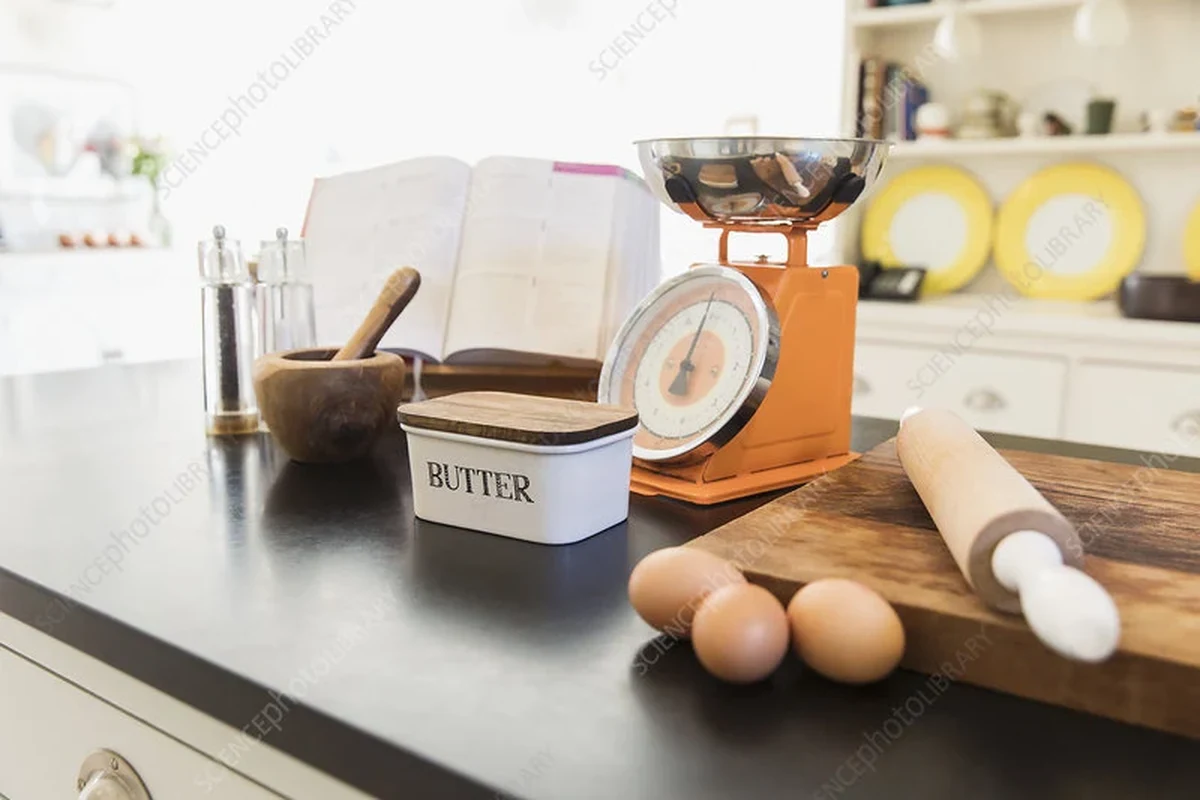
Yes, baking soda can replace baking powder in some recipes, but the batter will not behave the same way. Baking soda is much stronger, so a direct swap usually changes rise, browning, flavor, and texture.
That matters because leaveners do more than puff up batter. They also affect how quickly the batter sets, how much it spreads, and whether the finished crumb tastes clean or slightly bitter.
Do not assume a one-to-one swap will work in every recipe. If the formula does not contain enough acid, baking soda may leave a soapy taste, poor rise, or uneven color.
How Baking Soda and Baking Powder Work in Recipes
Baking soda is sodium bicarbonate. It needs an acid and moisture to create carbon dioxide gas, which helps baked goods rise.
Baking powder already includes both the base and the acid, so it can work in recipes that do not have much natural acidity. That is why it is often the safer choice for cakes, muffins, and pancakes with neutral ingredients.
Acid, moisture, and heat: the reaction behind baking soda
When baking soda meets an acidic ingredient such as buttermilk, yogurt, sour cream, molasses, brown sugar, lemon juice, or vinegar, it starts producing gas. Moisture helps the reaction begin, and heat helps the structure set in the oven.
If there is not enough acid, some baking soda may remain unreacted. That leftover soda can create a metallic, bitter, or soapy aftertaste, especially in delicate batters.
Most baking powder is double-acting, which means it releases some gas when mixed and more gas when heated. That gives batter a more reliable lift during mixing and baking.
Why baking powder already contains acid and how double-acting powder behaves
Double-acting baking powder is designed to be more forgiving than baking soda alone. It usually contains baking soda plus one or more acid salts, so the recipe does not need a separate acidic ingredient to trigger rise.
Because part of the reaction happens after mixing and part happens in the oven, it is useful in batters that need a little holding time before baking. For more background on ingredient differences, see our guide on using baking soda instead of baking powder safely.
When a Direct Swap Fails: Recipe Types That Depend on One Leavener Over the Other
Some recipes are forgiving, but many are not. The more delicate the batter and the less acid it contains, the riskier the swap becomes.
Cookies, muffins, cakes, pancakes, and quick breads: where substitution is most risky
Cookies can sometimes tolerate a change because they are denser and often contain brown sugar or other acidic ingredients. Even then, the spread and browning may change noticeably.
Muffins, cakes, pancakes, and quick breads are more sensitive. These recipes depend on the right balance of lift and moisture, so changing the leavener can lead to tunnels, flat tops, gummy centers, or a coarse crumb.
- May work in recipes with enough acid already in the batter
- Can increase browning and spread in some cookie formulas
- Can taste bitter or soapy if the recipe is not acidic enough
- May weaken rise or change crumb structure in tender cakes
Examples of recipes that may tolerate a swap versus recipes that will not
A chocolate cookie made with brown sugar and cocoa may tolerate a small baking soda substitution because both ingredients add acidity. A buttermilk pancake recipe may also work if the soda amount is adjusted carefully.
By contrast, a vanilla sponge cake or a plain muffin recipe with milk and little acid usually should not be changed without reformulating the recipe. If you want a broader ingredient comparison, our article on the equivalent of baking soda can help you think through substitutions more carefully.
How to Substitute Baking Soda for Powder Safely, If You Must
If you must make the switch, start by checking the recipe for acidic ingredients. The key question is not just “how much leavener does it call for?” but “what in this batter will react with baking soda?”
- Look for acidic ingredients like buttermilk, yogurt, sour cream, molasses, citrus, cocoa, or brown sugar.
- Check whether the recipe already includes another leavener.
- Use fresh, properly stored ingredients for the most accurate reaction.
- Measure carefully with standard measuring spoons, not a heaping guess.
Using baking soda only when the recipe has enough acidic ingredients
Baking soda is best used when the recipe already contains enough acid to neutralize it. That is common in recipes built around tangy dairy, dark syrups, or acidic fruit.
If the batter is mostly neutral, adding baking soda alone is risky. You may get color and spread without the lift you expected, and the flavor can drift in an unpleasant direction.
Adjusting quantity, balancing acidity, and avoiding bitter or soapy flavor
Because baking soda is stronger than baking powder, you usually need less of it. A true substitution is not a simple spoon-for-spoon exchange, and the exact amount depends on the recipe’s acidity, batch size, and desired texture.
As a general baking principle, small changes are safer than large ones. Too much soda can overbrown the surface, weaken the structure, and leave a sharp taste even when the crumb looks baked through.
If a recipe already contains acidic ingredients but still needs more lift, it may be better to add a little baking powder instead of replacing all of it with baking soda. That keeps the rise more balanced and reduces flavor risk.
When to add an acid ingredient instead of changing the leavener alone
Sometimes the right fix is not swapping the leavener at all. If a recipe has baking soda but not enough acid, you may need to add a compatible acidic ingredient such as yogurt, buttermilk, lemon juice, or vinegar, depending on the recipe style.
That said, adding acid changes moisture and flavor, so it should be done carefully. If the formula is important, it is often better to start with the right leavener than to rebuild the chemistry on the fly.
Use baking soda in batters that contain buttermilk, yogurt, molasses, or another strong acid source.
Keep baking powder if the batter relies on milk, butter, eggs, and flour without much acidity.
What Happens to Texture, Rise, Color, and Flavor After a Swap
When you change leaveners, you change more than volume. You also change how fast the batter sets, how much it browns, and how the finished crumb feels when you bite into it.
Spread, crumb, tenderness, and browning differences to expect
Baking soda tends to encourage browning because it raises pH. That can be helpful in cookies, but it may make a cake look darker before the center is fully set.
Texture can shift as well. A soda-heavy batter may spread more, while a powder-based batter often holds a softer, more even crumb. In quick breads, the wrong balance can make the loaf dense at the bottom and overdomed on top.
Signs of underleavened, overleavened, or chemically unbalanced baked goods
Underleavened baked goods may look compact, heavy, or wet in the middle even after the suggested bake time. Overleavened goods can rise fast, then collapse or develop large tunnels and a fragile structure.
If the flavor tastes sharp, metallic, or soapy, the chemistry is probably off. That is a strong sign the recipe needed a different leavener, less soda, or more acid balance.
Flat, dense, or gummy baked goods after a substitution.
Check whether the recipe had enough acid, whether the leavener was measured correctly, and whether the oven was fully preheated and calibrated.
Common Mistakes Home Bakers Make With Leaveners
Most substitution problems come from simple measuring or storage mistakes. Even a good formula can fail if the ingredients are old, mixed incorrectly, or used in the wrong amount.
Confusing baking soda with baking powder in measuring spoons
The two ingredients look similar enough to confuse in a busy kitchen. But using the wrong one can completely change a recipe, especially if the batter is delicate or the amount is small.
Always read the label before scooping. If you bake often, keep the containers separate and store them in clearly labeled spots so you do not grab the wrong one by habit.
Using expired ingredients or old open containers
Old baking powder may lose strength over time, especially if moisture gets into the container. Baking soda is more stable, but it can still absorb odors and lose freshness if stored poorly.
If you suspect an ingredient is weak, replace it rather than guessing. For more storage guidance, see our article on how to tell when baking soda expires.
Overmixing, guessing proportions, and ignoring recipe acidity
Overmixing can tighten the gluten in flour and make a batter dense, which can hide or worsen a leavener problem. Guessing proportions is even riskier because leavening depends on precise balance, not rough intuition.
Ignoring acidity is the biggest mistake of all. A recipe with no acid is not a good candidate for baking soda alone, no matter how tempting the shortcut may be.
- Match the leavener to the recipe’s acidity
- Measure carefully and bake promptly after mixing
- Test a small batch first if you are unsure
- Swapping without checking the ingredient list
- Using old leaveners from a damp pantry
- Adding extra soda just to force more rise
How to Decide Whether to Substitute or Start Over With the Right Ingredient
Sometimes a substitution is practical, and sometimes it is not worth the risk. The best choice depends on how important the recipe is, how sensitive the batter seems, and whether you can afford a test batch.
Practical decision points for rescuing a recipe, testing a small batch, or rewriting the formula
If the recipe is casual, like a weeknight cookie or a simple snack bread, a careful test batch may be enough. If the recipe is for an important cake, a special event, or a formula that already has a delicate crumb, starting over with the correct ingredient is usually smarter.
When in doubt, ask whether the batter already has acid, whether the flavor can handle extra browning, and whether the texture should be light or sturdy. Those three questions often tell you whether baking soda can replace baking powder safely.
Fresh baking soda
Fresh baking powder
Recipe with acidic ingredients
Mixing bowl
Final recap: when baking soda can replace powder and when it should not
Baking soda can replace baking powder only when the recipe contains enough acid to activate it and the flavor can handle the change. In those cases, use a cautious amount and expect some difference in browning and texture.
If the recipe is neutral, delicate, or highly structured, baking powder is usually the better choice. When the chemistry does not line up, the safest move is to use the right leavener rather than forcing a swap.
Always cool baked goods on a rack before slicing or testing the center. Hot steam can burn, and a too-early judgment can make a properly baked item seem underdone.
Frequently Asked Questions
No. Baking soda only works well when the recipe already has enough acid to activate it. In neutral recipes, the swap can cause poor rise and an off flavor.
The batter may brown more, spread more, and taste bitter or soapy if there is not enough acid. The texture can also become dense or uneven.
There is no perfect one-size-fits-all ratio because it depends on the recipe’s acidity. Small changes are safer, and many recipes need a full reformulation instead of a direct swap.
Recipes with buttermilk, yogurt, sour cream, molasses, cocoa, or brown sugar are more likely to work. Cookies and some quick breads are often more forgiving than delicate cakes.
Look for flat rise, coarse crumb, collapse, or a sharp bitter taste. Excess browning before the center sets is another common sign.
Sometimes, but only if the recipe can handle the extra liquid and flavor. Adding acid changes the formula, so it is usually better to use the correct leavener from the start.