
Can Baking Powder Be Used Instead of Baking Soda

Yes, baking powder can sometimes replace baking soda, but the swap is not equal and usually needs more powder. It works best in forgiving recipes like muffins and simple cakes, while cookies and acidic bakes may change too much.
Yes, baking soda and baking powder are not the same, but baking powder can sometimes stand in for baking soda in a recipe. The swap is possible in some bakes, yet it usually needs adjustment because the ingredients work in different ways.
- Direct answer: Baking powder can replace baking soda in some recipes, but usually not without changes.
- Best ratio: A common starting point is about 3 parts baking powder for 1 part baking.
- Recipe fit: Neutral cakes and muffins are safer than chewy cookies or strongly acidic batters.
- Expect changes: The swap can affect browning, spread, flavor, and crumb.
- Quality check: Fresh leaveners and proper storage matter as much as the conversion itself.
What Baking Powder and Baking Soda Actually Do in Baking
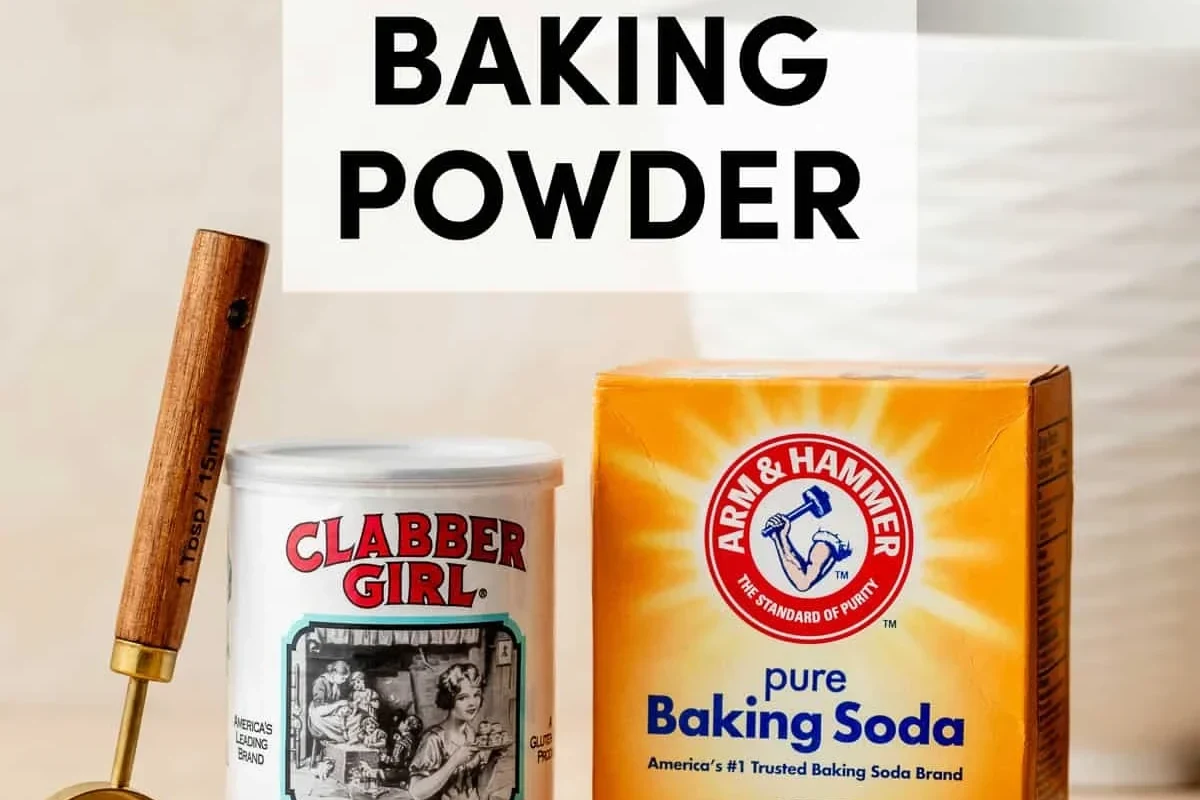
Both ingredients help batter or dough rise by making gas bubbles. Those bubbles expand in the heat of the oven, which lifts the mixture and changes the final texture.
How baking soda works as a base and why it needs an acid
Baking soda is sodium bicarbonate, a base that needs an acid to react well. In a recipe, that acid may come from buttermilk, yogurt, sour cream, molasses, brown sugar, citrus juice, cocoa that is naturally acidic, or another acidic ingredient.
When baking soda meets acid and moisture, it starts releasing carbon dioxide quickly. That fast reaction can help with lift, but it also means the batter should usually get into the oven without delay.
How baking powder already contains acid and releases gas in stages
Baking powder is a complete leavening system. It already includes baking soda plus one or more acid salts, so it does not depend on the recipe to supply the acid.
Most baking powders are double-acting, which means they release some gas when mixed and more gas when heated. That staged reaction gives bakers a little more flexibility during mixing and baking.
Why the two ingredients are not automatically interchangeable
Because baking soda is stronger and more concentrated, a direct swap changes the chemistry of the recipe. If you use baking powder where the formula expected baking soda, you usually need more powder to get similar lift.
Even then, the recipe may still behave differently. The extra starch and acid in baking powder can affect flavor, spread, browning, and tenderness.
Baking powder often contains starch to keep it dry and stable in storage, while baking soda is a single pure alkaline ingredient. That difference is one reason the two are not equal cup for cup.
Can Baking Powder Be Used Instead of Baking Soda?
The short answer is yes, sometimes. The better answer is that it depends on the recipe, the amount needed, and whether the batter already contains enough acid to support the original formula.
The short answer for cookies, cakes, muffins, and quick breads
In cakes, muffins, and some quick breads, baking powder can often be used as a backup if you are out of baking soda. These recipes are usually more forgiving because they already rely on a softer crumb and a lighter rise.
Cookies are less predictable. If the recipe depends on baking soda for spread, browning, or chew, baking powder may change the result enough that the cookie looks and tastes different.
When substitution can work in a pinch
Substitution can work best when the recipe is only mildly acidic or when the goal is simply a decent rise, not a very specific texture. A plain vanilla cake, simple muffin, or basic pancake batter may tolerate the swap better than a carefully balanced chocolate cookie.
If you are baking for practice or a casual family dessert, a small difference may be acceptable. If you are baking for a competition, a sale, or a recipe you need to reproduce exactly, it is safer to follow the original leavener.
When substitution changes flavor, texture, or spread too much
Recipes that rely on baking soda for browning and a deeper flavor can lose some of that character when you switch to baking powder. Baking soda also helps neutralize acidity, which can soften sharp flavors in recipes with molasses or cocoa.
In cookies, too much baking powder can create a puffier, more cake-like texture. That may be fine in a muffin, but it is usually not what you want in a thin, chewy cookie.
If a recipe already contains acidic ingredients, adding extra baking powder without adjusting the rest of the formula can push the batter out of balance. The result may taste off, rise too fast, or bake with a coarse crumb.
How to Substitute Baking Powder for Baking Soda Correctly
There is no perfect one-size-fits-all conversion, but a common starting point is about 3 times as much baking powder as baking soda. That is only a rough guide, and it works best when the recipe does not already contain a lot of acid.
Common substitution ratio and why more powder is usually needed
Baking soda is much more concentrated than baking powder, so you need more powder to create a similar amount of lift. If a recipe calls for 1 teaspoon of baking soda, many bakers start with about 3 teaspoons of baking powder.
That said, the recipe may also need less added acid or a small reduction in other salty or acidic ingredients. Since baking powder includes its own acid, the final flavor can shift even if the rise looks acceptable.
What happens to the recipe when you increase the leavener
More baking powder usually means more gas production, which can make the batter rise faster and set with a lighter crumb. But too much can cause a soapy or metallic aftertaste, especially if the recipe is already delicate.
It can also make baked goods rise and then collapse if the structure is too weak to hold the extra expansion. That is why the rest of the recipe matters as much as the leavener itself.
How to adjust if the recipe already contains acidic ingredients
If the recipe includes buttermilk, yogurt, sour cream, citrus, or molasses, the original baking soda was probably there for both leavening and acid balance. In that case, replacing it with baking powder may leave the batter too acidic or change the flavor profile.
For best results, reduce or omit some acidic liquid only if you understand how the recipe is structured. Otherwise, treat the substitution as a backup plan, not a precise conversion.
If you must substitute, mix the batter and bake it promptly unless the recipe specifically calls for resting. Delays can waste the gas formed during the first reaction, especially in double-acting formulas that still depend on oven heat for the second lift.
Best and Worst Recipe Scenarios for This Swap
Some recipes are naturally forgiving, while others are built around the exact behavior of baking soda. Knowing the difference can save you from flat cookies or oddly flavored cake.
Recipes with acidic ingredients like buttermilk, yogurt, molasses, or citrus
These recipes are the most complicated. They often use baking soda to react with the acid, create lift, and mellow sharp flavors, so swapping in baking powder may leave the flavor brighter or more tart than intended.
In a pinch, the swap may still work if the recipe is not highly sensitive. But the more acidic the formula, the more likely you are to notice a change in taste and browning.
Recipes that rely on browning, spread, or a chewy texture
Baking soda supports browning more strongly because it raises pH, which encourages Maillard browning. That is one reason it is common in chocolate chip cookies and other recipes where color and flavor matter.
If you replace it with baking powder, the dough may spread less and bake up paler. The texture may also become softer and more cake-like, which can be disappointing in a cookie or bar that should be chewy.
Examples of where the swap may be acceptable versus risky
A simple muffin, a basic vanilla cake, or a quick bread with a neutral flavor is often a safer place to try the swap. These recipes usually have enough moisture and structure to handle a different leavener without a dramatic failure.
A thin cookie, a caramel-colored gingerbread, or a recipe built around a specific acid reaction is riskier. For those bakes, it is better to wait until you have the right ingredient or choose a recipe written for baking powder from the start.
Muffins and simple cakes often tolerate baking powder better because the crumb is meant to be tender and evenly raised.
Chewy cookies and deeply browned bars depend more on baking soda for spread, color, and flavor balance.
Texture, Flavor, and Browning Changes You Should Expect
Even when the bake looks successful, the swap can change the final eating experience. The biggest differences usually show up in rise, crumb, flavor, and surface color.
How baking powder can affect rise, crumb, and tenderness
Baking powder often creates a finer, softer crumb because it is designed to lift batters in a steadier way. That can be a benefit in cakes and muffins, where tenderness matters more than chew.
In denser recipes, though, that same softness may feel weak or overly cakey. If you are expecting a crisp edge or a chewy center, the result may not match the original recipe.
Why too much baking powder can leave a metallic or bitter taste
Too much baking powder can leave a faint bitter, metallic, or chemical taste. This is especially noticeable in lightly flavored bakes where there is nothing strong enough to cover it.
That is why more is not always better. The goal is enough lift to support the batter, not so much leavener that the taste becomes distracting.
How the swap can change color, spread, and overall appearance
Baking soda tends to encourage stronger browning, while baking powder often gives a lighter, paler finish. That means a cookie may come out with softer color and less of the deep golden edge you expected.
Spread may also change because the batter pH affects how fats and proteins behave in the oven. Small ingredient differences, oven calibration, and pan material can make the effect more noticeable.
Common Mistakes Home Bakers Make When Confusing the Two
Most substitution problems come from assuming the ingredients behave the same way. They do not, and the mistakes are often visible in the oven before they are obvious on the plate.
Using the wrong amount and over-leavening the batter
One of the most common errors is using baking powder in a 1:1 swap for baking soda. That usually gives too little lift at first, so bakers add more and accidentally over-leaven the batter.
When a batter is over-leavened, it can rise too quickly, form a weak structure, and fall after baking. You may see domed tops that collapse or crumbly interiors with large, uneven holes.
Ignoring the acid balance in the rest of the recipe
If you ignore the acid already in the recipe, you can end up with a bake that tastes flat or too sharp. The original formula may have been designed to use the acid and the base together for both flavor and structure.
This is why a direct substitution is easier in neutral recipes than in strongly flavored ones. The more the recipe depends on chemistry, the less forgiving the swap becomes.
Assuming old or expired leaveners behave the same way
Expired baking powder may lose strength, and old baking soda may not react well even if it still looks fine. A weak leavener can make you think the substitution failed when the real problem is freshness.
If you want a deeper refresher on shelf life, see our guide on when baking soda expires and how to tell when to replace it. Freshness matters because a flat batter can look like a bad recipe when the ingredient is actually the issue.
Your cake or muffins rise poorly after the swap, or the flavor turns bitter.
Check the ratio, confirm the recipe’s acidity, and make sure both leaveners are fresh before changing anything else.
How to Check Freshness, Store Leaveners, and Avoid Baking Failures
Good storage and simple freshness tests can prevent a lot of disappointment. Leaveners are small ingredients, but they have a big effect on the final bake.
Simple freshness tests for baking powder and baking soda
To test baking powder, add a small spoonful to hot water. If it fizzes quickly and actively, it is usually still usable.
To test baking soda, mix a little with vinegar or another acidic liquid. A strong fizz suggests it is still active. For a clearer explanation of the reaction, you can also read our guide on the baking soda and vinegar reaction.
Proper storage to protect potency from moisture and heat
Store both ingredients in tightly sealed containers in a cool, dry place. Moisture and heat shorten shelf life and can weaken performance over time.
A pantry away from the stove is usually better than a cabinet above the oven. Frequent exposure to steam, warm air, and humidity can make leaveners less reliable.
Safety and quality concerns when using weak or expired ingredients
Weak leaveners are not usually a food safety hazard by themselves, but they can create poor texture and waste ingredients. If a recipe depends on exact rise for structure, a failed batch can also be frustrating and costly.
For food storage and safety questions beyond baking chemistry, it is always smart to check recognized official guidance such as USDA or FDA resources. That is especially important when a recipe also involves dairy, eggs, or other perishable ingredients.
- Check whether the recipe depends on acid for flavor or rise.
- Measure carefully, since baking powder is not as strong as baking soda.
- Test the freshness of your leavener if the result seems weak.
- Watch the bake for color, spread, and doneness rather than relying only on time.
Final Decision: When Baking Powder Is a Backup and When It Is Not
Baking powder can be a useful backup when you are missing baking soda, but it is not a perfect substitute. The best choice depends on the recipe’s acidity, the texture you want, and how exact the final result needs to be.
Practical guidance for deciding whether to substitute or wait
If the recipe is simple, neutral, and forgiving, try the swap with caution and expect some changes. If the recipe is sensitive, strongly flavored, or depends on a specific spread or browning pattern, waiting for the right ingredient is usually the better move.
When in doubt, use the original formula if you can. If you cannot, make the substitution only after checking the recipe structure and understanding that the result may be slightly different.
Situations where a recipe should be followed exactly
Follow the recipe exactly when you are making a tested pastry formula, a batch for selling, or a bake where texture matters a lot. This is especially true for cookies, brownies, and cakes that rely on precise chemical balance for their final shape and crumb.
Also be careful with recipes that already contain multiple acids or a carefully measured amount of baking soda. Those formulas are often designed around a very specific reaction profile.
Recap for confident everyday baking decisions
So, can baking powder be used instead of baking soda? Yes, sometimes, but usually only with a ratio adjustment and an understanding of how the recipe will change. Baking powder is the safer backup for some cakes and muffins, while baking soda remains the better choice for recipes that need stronger browning, spread, or acid balance.
For more ingredient comparison help, our article on using baking soda instead of baking powder safely may help you understand the reverse swap too. Once you know how each leavener works, you can make better decisions in the kitchen and avoid a lot of avoidable baking failures.
Baking powder can replace baking soda in some recipes, but it is usually a backup solution rather than a true equal swap. Use it most confidently in forgiving bakes, and keep the original ingredient for recipes that depend on acid balance, browning, or chewy texture.
Frequently Asked Questions
Sometimes, but the texture and spread may change. Cookies often rely on baking soda for browning and chew, so baking powder can make them puffier and lighter.
A common starting point is about 3 teaspoons of baking powder for 1 teaspoon of baking soda. This is only a general guide and may need adjustment based on the recipe’s acidity.
Yes, it can. Too much baking powder may leave a bitter or metallic taste, especially in lightly flavored recipes.
You can try, but the result may taste different because those ingredients are acidic. The recipe may need more than a simple leavener swap to stay balanced.
Add a little baking powder to hot water. If it fizzes actively, it is usually still usable.
Baking powder often causes less browning than baking soda. That can leave cookies, cakes, or muffins lighter in color than expected.