Does Baking Soda Raise pH and How It Works
Yes, baking soda raises pH by making batter or dough less acidic. It works best when the recipe includes enough acid to balance the reaction and avoid a bitter taste.
Baking soda does raise pH, but only when it is used in the right amount and in the right kind of recipe. In baking, that shift can improve browning, soften texture, and help batter rise, but too much can leave a harsh taste and weak structure.
- pH matters: Small shifts can change browning, flavor, and texture.
- Balance is key: Baking soda works best with acidic ingredients.
- Too much is a problem: Overuse can cause bitterness and poor structure.
- Recipe context matters: Cookies, muffins, and quick breads often use soda differently.
- Freshness counts: Old baking soda can make results hard to judge.
What “pH” Means in Baking and Why Baking Soda Changes It
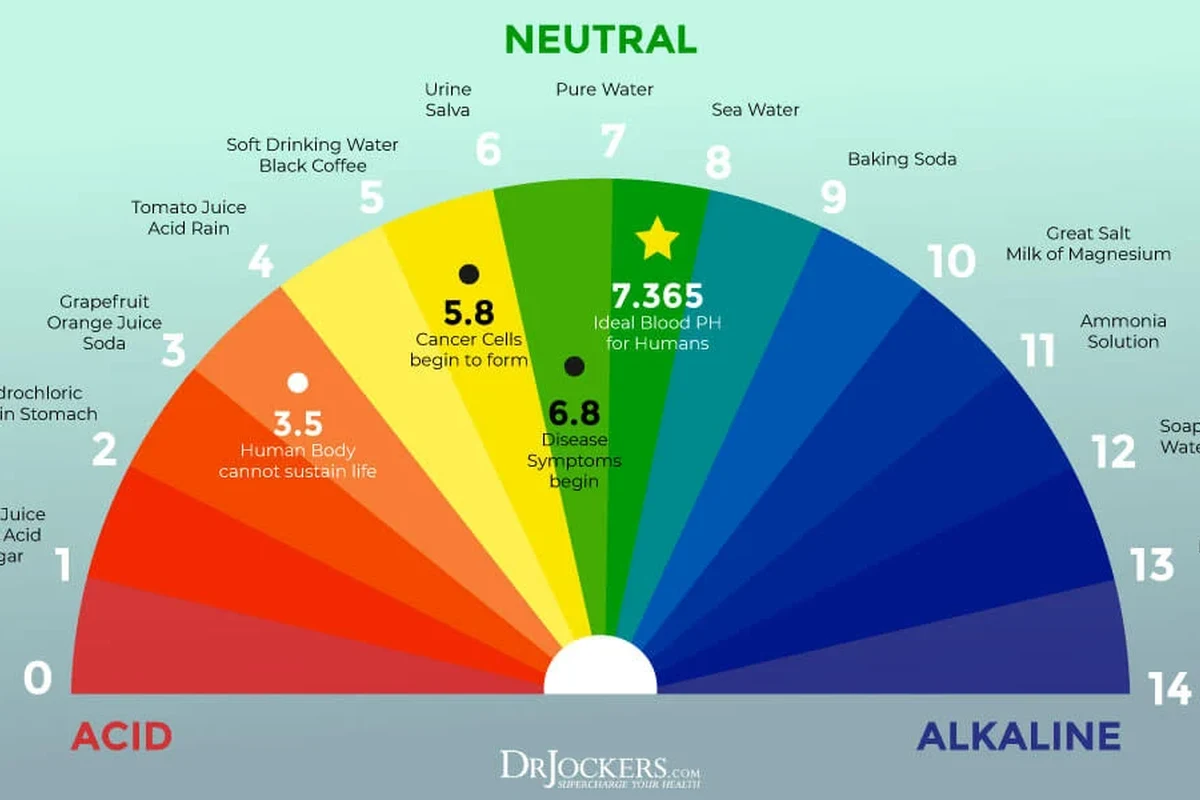
pH is a simple way to describe how acidic or alkaline something is. In the kitchen, it matters because many baking reactions change when the batter or dough becomes more acidic or more alkaline.
Acidity vs. alkalinity in everyday baking ingredients
Acidic ingredients include buttermilk, yogurt, sour cream, molasses, citrus juice, natural cocoa, and brown sugar-heavy batters. Less acidic or more neutral ingredients include milk, flour, butter, eggs, and many cookie doughs.
Baking soda is sodium bicarbonate, a base. When it is mixed into a batter with moisture and an acid, it helps neutralize some of that acid and pushes the mixture toward a higher pH.
Why a small pH shift can change flavor, color, and texture
Even a small pH change can alter how proteins set, how sugars brown, and how strong or tender the crumb feels. That is why a recipe can look almost identical on paper but bake up very differently if the acid balance is off.
Alkaline batters often brown faster because higher pH speeds up browning reactions, especially on the surface of cookies, cakes, and quick breads.
Does Baking Soda Raise pH? The Short Answer and the Chemistry Behind It
Yes, baking soda raises pH when it is dissolved and allowed to react. It does not work as a rise agent by itself; it needs moisture and usually an acid to create carbon dioxide gas and to balance the final flavor.
How sodium bicarbonate behaves when it meets moisture and acid
Once baking soda gets wet, it begins to react. If an acid is present, the reaction releases carbon dioxide bubbles, which help lift batter and dough while also reducing acidity.
This is why recipes with buttermilk, yogurt, vinegar, lemon juice, molasses, or natural cocoa often include baking soda. The soda neutralizes part of the acid and helps the finished bake taste cleaner and brown more evenly.
What happens when there is not enough acid to balance it
If there is too much baking soda and not enough acid, the batter can stay overly alkaline. That often leads to a soapy or bitter taste, a darker-than-expected color, and a crumb that may feel coarse or oddly fragile.
For a deeper look at the reaction itself, see our guide to the baking soda and vinegar reaction. If you are comparing leaveners, our article on baking soda versus baking powder explains why they are not interchangeable.
How Baking Soda Works in Common Baking Scenarios
Baking soda is most useful in recipes that already contain an acidic ingredient. In those formulas, it helps with lift while also shaping flavor, color, and tenderness.
Leavening in cakes, cookies, muffins, and quick breads
In cakes and muffins, baking soda can create a lighter crumb when the batter has enough acid to activate it. In cookies, it can encourage spread and deeper browning, which is why chocolate chip cookies often look and taste different when soda is used correctly.
In quick breads, such as banana bread or pumpkin bread, baking soda can help the loaf rise before the structure sets. It is also common in recipes with molasses or brown sugar, where the acid level supports the reaction.
The acid in buttermilk helps baking soda create lift and a tender crumb.
Natural cocoa and brown sugar can support soda for spread and browning.
How pH affects browning, spread, tenderness, and rise
A higher pH can deepen browning because it changes how quickly surface sugars and proteins react in the oven. It can also soften some doughs by reducing acidity, which may make cookies spread more and cakes feel less tight.
On the other hand, if the batter becomes too alkaline, the flavor can flatten and the texture can lose balance. In pastry work, the goal is not simply “more pH,” but the right pH for the recipe’s target result.
Practical examples of acidic and non-acidic doughs and batters
A buttermilk pancake batter usually benefits from baking soda because the acid is already built in. A plain vanilla cake made with milk may need baking powder instead, or a combination of baking powder and a small amount of soda if another acidic ingredient is present.
If you are unsure whether a formula has enough acid, review the ingredient list before changing anything. Our guide on using baking soda instead of baking powder safely can help you avoid a common substitution mistake.
How Much Baking Soda to Use: Measurement, Balance, and Ingredient Roles
With baking soda, precision matters more than adding “a little extra.” Because the ingredient is strong, a small overmeasure can shift flavor and texture more than many beginners expect.
Why precision matters more than “a little extra”
Baking soda is usually measured in small amounts for a reason. Too much can leave an aftertaste, while too little may fail to neutralize enough acid or create enough lift.
- Measure baking soda with level spoons, not a heaping scoop.
- Check whether the recipe includes an acidic ingredient.
- Confirm whether the formula also calls for baking powder.
How acidic ingredients such as buttermilk, yogurt, cocoa, or molasses affect dosage
The stronger the acidity, the more likely baking soda will be useful, but the exact amount depends on the recipe. Dutch-process cocoa is less acidic than natural cocoa, so it usually behaves differently in a formula.
Molasses, yogurt, sour cream, and buttermilk all bring acid and moisture, but not in the same strength or proportion. That is why a recipe developer cannot simply swap one acidic ingredient for another without checking the leavening balance.
Ingredient brand, measuring method, and even humidity can affect how a batter behaves. A recipe that works in one kitchen may need small adjustments in another.
Signs that a recipe needs baking soda, baking powder, or both
Use baking soda when the recipe has a clear acid source and you want browning, spread, or a slightly softer crumb. Use baking powder when the recipe has little or no acid and needs its own built-in lift.
Some recipes use both. That is common when a formula needs extra lift from baking powder but also includes enough acid to benefit from a bit of soda for flavor and browning.
Common Mistakes That Make Baking Soda Raise pH Too Much or Too Little
Most baking soda problems come from imbalance, not from the ingredient itself. The challenge is matching the soda to the acid and to the recipe’s final texture goal.
Overuse and the soapy, bitter taste it can cause
When baking soda is overused, the batter can taste harsh even before baking. After baking, that over-alkaline note may read as soapy, metallic, or bitter, especially in delicate cakes and plain muffins.
Do not assume a stronger soda flavor means better rise. Excess baking soda can damage flavor and structure even if the baked item looks tall at first.
Underuse and the flat, dense result that follows
If there is not enough baking soda for the acid in the recipe, the batter may stay too acidic. That can leave the crumb tight, the color dull, and the flavor sharper than intended.
The cake is dense, pale, or slightly tangy even though the mixing seemed correct.
The issue may be pH balance, not just mixing. Check whether the recipe needs more soda, less acid, or a different leavener blend.
Substituting baking soda for baking powder without adjusting acidity
This is one of the most common errors in home baking. Baking powder contains its own acid, while baking soda does not, so the swap only works if the recipe is adjusted carefully.
If you want a safe substitution overview, review our guide on whether baking soda and baking powder are the same. For storage and freshness concerns, see when baking soda expires and how to tell when to replace it.
Testing, Troubleshooting, and Reading Results in Real Bakes
In practice, pH balance shows up in the finished bake. You do not need lab equipment to notice the signs; the crumb, color, aroma, and spread often tell the story.
How to spot over-alkaline batter or dough before baking
Before baking, an overly alkaline batter may smell unusually sharp, flat, or slightly chemical. It may also look darker than expected if the soda has already started affecting cocoa or other pigments.
If the batter seems thin and spreads quickly in the bowl, that can be a clue too, though it may also point to excess liquid or warm dough. Always consider the full recipe before blaming one ingredient.
Texture, spread, color, and aroma clues after baking
After baking, look for an even golden color, a pleasant baked aroma, and a crumb that feels tender but stable. If the item browns too fast, tastes bitter, or has a coarse texture, the pH may be too high.
If the product is flat, tight, or overly pale, the recipe may need more leavening or a better acid match. Oven temperature, rack position, pan material, and mixing time can also change the result, so do not assume pH is the only factor.
When testing a new formula, bake a small batch first if possible. That reduces waste and makes it easier to identify whether the issue is leavening, temperature, or mixing.
When a recipe failure points to pH imbalance rather than mixing errors
If you mixed properly but still get a bitter flavor, uneven browning, or a strange crumb, pH imbalance is a strong suspect. If the recipe contains acidic ingredients and no baking soda, the baked item may taste too sharp or rise less than expected.
For school kitchens and home kitchens alike, it helps to keep notes on ingredient brands, oven calibration, and pan size. Those details often explain why one batch succeeds and another does not.
Storage, Safety, and Best Practices for Using Baking Soda in 2026 Kitchens
Baking soda is simple to store, but freshness still matters. A weak or stale supply can make recipe testing confusing, especially when you are trying to judge pH balance accurately.
How to store baking soda for freshness and reliable performance
Keep baking soda in a tightly closed container in a cool, dry place. Moisture and odors can reduce quality over time, and the powder can pick up unwanted smells from nearby ingredients.
If you use baking soda for both baking and cleaning, keep a dedicated food container so there is no cross-use confusion. That is a basic kitchen organization habit that supports better results and safer handling.
Food safety and handling considerations in home and school kitchens
Baking soda itself is not a high-risk ingredient, but it is still smart to handle it cleanly. Wash hands, use dry measuring tools, and avoid returning excess ingredient to a container after it has touched raw batter or other foods.
In shared kitchens, watch for allergen cross-contact, especially when flour, dairy, eggs, nuts, or cocoa are involved. For general food safety questions, follow recognized guidance from official sources such as USDA or FDA, especially when working with raw eggs, flour, or refrigerated batters.
When to replace old baking soda and how to test its activity
If baking soda has been stored for a long time, or if you are unsure about its freshness, test it before relying on it in an important recipe. A common check is to add a small amount to an acidic liquid and look for immediate fizzing.
For more detail, our article on a baking soda trick that actually works can help you understand simple activity checks. If the reaction is weak, replace the product rather than guessing in a critical bake.
Final Verdict: When Baking Soda Should Raise pH and When It Shouldn’t
Baking soda should raise pH when the recipe includes enough acid to justify it. That is when it helps with lift, browning, and a balanced flavor.
Choosing the right leavener for the recipe goal
If your goal is a tender, well-browned muffin or cookie, baking soda may be the right choice. If your recipe has little acid, baking powder is usually the safer option because it brings its own acid and is easier to balance.
The best leavener is the one that matches the ingredient list, not the one that sounds strongest. That is why careful recipe reading matters more than memorizing a single rule.
Recap of the most reliable ways to control pH for better baking results
Start by identifying whether the recipe is acidic, neutral, or somewhere in between. Then measure baking soda carefully, watch for flavor and color changes, and adjust only one variable at a time when troubleshooting.
For bakers, pastry students, and home cooks, the practical answer to “does baking soda raise pH” is yes, but only as part of a balanced formula. When the soda, acid, and heat all work together, the result is better rise, better browning, and a more polished final bake.
Use baking soda when you want it to neutralize acid and raise pH enough to improve lift, browning, and texture. Do not add it blindly; match it to the recipe’s acidity, measure it carefully, and verify freshness for the most reliable results.
Frequently Asked Questions
Yes, baking soda raises pH when it dissolves and reacts in a batter or dough. The final result depends on how much acid is present to balance it.
Too much baking soda can cause a soapy or bitter taste and can make browning too dark. It may also weaken the texture instead of improving it.
Only if the recipe has enough acid to activate the soda and balance the flavor. Otherwise, baking powder is usually the better choice.
Look for acidic ingredients such as buttermilk, yogurt, cocoa, molasses, or citrus. Those ingredients often pair well with baking soda.
Store it in a tightly closed container in a cool, dry place. Keep it away from strong odors and moisture for the best performance.
Test it with an acidic liquid and look for immediate fizzing. If the reaction is weak, replace it before baking an important recipe.