
Drinking Lemon and Baking Soda Water Benefits and Risks

Drinking lemon and baking soda water may offer mild, temporary relief for some people, but it is not a proven cure-all. Use it only occasionally and avoid it if you have sodium limits, reflux, kidney issues, or medication concerns.
Drinking lemon and baking soda water is a popular home remedy, but it is not a magic health drink. The fizz comes from a simple acid-base reaction, and the final mixture may feel soothing for some people while causing problems for others.
- Claim vs reality: The drink may soothe briefly, but it does not detox the body or cure.
- Main risk: Baking soda adds sodium, and lemon juice can irritate teeth and digestion.
- Chemistry: The fizz is a real acid-base reaction, not proof of medical benefit.
- Best use: If used at all, keep it weak, occasional, and short-term.
- Safety first: People with health conditions or prescription meds should check with a professional.
What Drinking Lemon and Baking Soda Water Actually Is
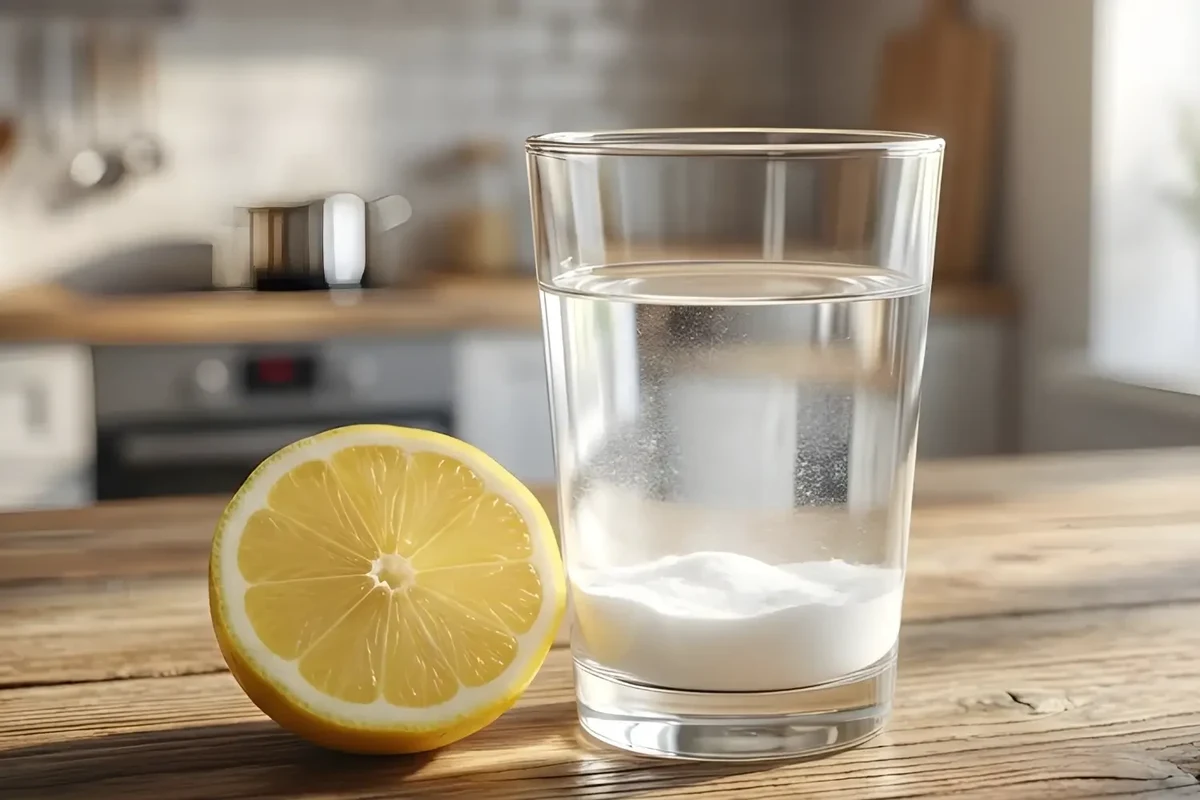
How the mixture is typically prepared and why people drink it
This drink is usually made by adding a small amount of baking soda to lemon juice and then diluting it with water. People drink it for reasons like easing stomach discomfort, reducing bloating, freshening the taste of water, or following social media wellness trends.
In a kitchen setting, it is important to remember that baking soda is sodium bicarbonate, a strong alkaline ingredient used in baking, cleaning, and some household tasks. If you want a broader look at how it behaves in other non-food settings, our guide on baking soda and vinegar reaction explained simply covers the same fizzing principle in a different context.
Why the search intent centers on health claims, not baking use
Even though Baking Pastry Schools focuses on baking science, most people searching for this mixture want to know whether it helps their health. That is why the discussion here centers on benefits, risks, and safe use rather than recipe flavor or cake structure.
From a food-science angle, the question is less about baking performance and more about how an acidic juice and an alkaline powder interact in liquid. In baking, that kind of reaction matters for lift; in a drink, it mostly changes taste, fizz, and acidity.
Claimed Benefits: What Supporters Say It May Do
Digestive comfort, bloating, and “alkalizing” claims
Supporters often say lemon and baking soda water can calm indigestion, reduce bloating, or “alkalize” the body. The first two claims are usually based on personal experience, while the alkalizing claim is often overstated because the body tightly regulates blood pH on its own.
Some people feel temporary relief because baking soda can neutralize stomach acid. That does not mean it treats an underlying digestive condition, and it should not be used as a substitute for medical care if symptoms are frequent, severe, or worsening.
Hydration, taste, and replacing sugary drinks
For some drinkers, the biggest practical benefit is simple: it makes plain water more appealing. If a person uses it occasionally instead of soda or a sweetened beverage, that may reduce added sugar intake overall.
That said, the benefit comes mostly from replacing a less healthy drink, not from any special detox effect. The same logic applies in the kitchen when you compare ingredients by function, not by hype.
What current evidence can and cannot support in 2026
As of 2026, there is not strong evidence that drinking lemon and baking soda water cures disease, burns fat, or detoxifies the body. It may temporarily change stomach acidity and taste, but those effects are limited and short-lived.
Current evidence can support a cautious statement: in small amounts, it may be tolerated by some healthy adults as an occasional homemade drink. It cannot support broad health promises, and readers should be skeptical of claims that sound too good to be true.
Baking soda is used in baking because it creates gas when it reacts with acids. In a drink, that same reaction can make the liquid fizz, but it does not turn the mixture into a medical treatment.
Potential Risks and Side Effects You Should Know
Too much sodium bicarbonate and sodium intake concerns
Baking soda contains sodium, so frequent or large servings can raise sodium intake more than people expect. That matters for anyone who has been told to limit sodium for blood pressure, kidney, or heart-related reasons.
Too much baking soda can also create an overly alkaline load in the body. That is one reason why “more” is not better, even if the drink seems harmless in a glass.
Stomach upset, gas, and rebound symptoms
The fizz may feel like it is doing something, but it can also cause gas, belching, or a bloated feeling. Some people get temporary relief and then feel worse later if they keep using the mixture too often.
Another issue is rebound discomfort. If the drink masks acid-related symptoms for a short time, the underlying problem can still be there, which makes it easy to delay proper care.
Tooth enamel irritation and sensitivity from acidic lemon juice
Lemon juice is acidic, and repeated exposure can wear on tooth enamel over time. If you sip acidic drinks slowly throughout the day, the teeth spend more time in that acidic environment.
That does not mean lemon juice must always be avoided, but it does mean the drink should be treated like any other acidic beverage. A straw, quick drinking, and rinsing with plain water afterward may help reduce contact with teeth.
Medication interactions and when to avoid the drink
Baking soda can affect how some medications are absorbed or cleared. This is especially important for prescription drugs that depend on stomach acidity or kidney excretion, so it is wise to ask a pharmacist or clinician before using the drink regularly.
baking soda for ED does it really help men naturally is another example of a search trend where people look for a household ingredient to solve a health issue. The safer approach is the same in both cases: do not use a home remedy as a replacement for professional advice when the symptom is ongoing or serious.
People with reflux, kidney disease, heart disease, high blood pressure, or sodium restrictions should be especially careful. If you are pregnant, breastfeeding, or giving anything to a child, check with a qualified professional first.
How Lemon Juice and Baking Soda Behave Chemically
The fizzing reaction and what it changes in the drink
When lemon juice meets baking soda, the acid in the lemon reacts with sodium bicarbonate and releases carbon dioxide gas. That gas creates the fizz people notice right away.
The reaction also changes the acidity of the mixture. If enough baking soda is added, the drink becomes less acidic than lemon juice alone, but it does not become some kind of universal health tonic just because it bubbles.
Why the reaction does not make it a cure-all
A fizzing reaction is easy to see, which makes it feel powerful. In reality, visible bubbles only show that a chemical reaction happened; they do not prove the drink can treat digestion, inflammation, or illness.
This is a useful reminder from baking science: a reaction can be real without being useful for every purpose. In bread and cakes, gas production helps structure the crumb. In a health drink, the same reaction mostly affects texture and taste.
How acidity, pH, and dilution affect the final mixture
The final pH depends on the amount of lemon juice, baking soda, and water, plus the strength of the lemon itself. A fresh lemon, bottled juice, or concentrate can all behave a little differently.
Dilution matters because a stronger mixture may taste sharper, feel harsher on the stomach, and expose teeth to more acidity. A weaker mixture is generally easier to tolerate, though it still should not be used carelessly.
Lemon juice brand, water temperature, and the exact spoon size used for baking soda can all change the final result. In home kitchens, “close enough” is often fine for flavor, but for health claims it is not a reliable way to judge safety or effectiveness.
Safe Preparation: Ratios, Timing, and Practical Use
Common household measurement ranges and why more is not better
There is no single official household recipe for this drink. If someone chooses to make it, a very small amount of baking soda in a full glass of water is the safer starting point, and it should not be treated like a daily tonic.
Because measuring spoons vary and lemon sizes vary, the exact balance can change from batch to batch. That is one reason to keep the mixture mild and avoid trying to “boost” it with extra powder.
Mixing order, waiting for fizz to settle, and how to drink it safely
For a gentler result, add the baking soda to the lemon juice slowly, then dilute with water after the initial fizz settles. This helps prevent overflow and makes it easier to judge how strong the mixture is before drinking.
Do not seal the mixture in a bottle or jar while it is still fizzing. Carbon dioxide builds pressure quickly, and a closed container can pop or leak.
When to stop using it and signs the mix is too strong
Stop using the drink if it causes nausea, stomach pain, repeated burping, diarrhea, a burning mouth feel, or unusual swelling. Those signs suggest the mixture is not agreeing with you or that the dose is too strong.
If you notice that symptoms return every time you stop, that is a cue to get help for the underlying issue instead of continuing the home remedy. For frequent digestive discomfort, a clinician can help identify the real cause.
Common Mistakes People Make With This Home Remedy
Using it daily without a clear reason
One of the most common mistakes is turning an occasional drink into a daily habit. Regular use makes it easier to overdo sodium intake and harder to notice whether the drink is actually helping.
If you only want a refreshing beverage, plain water with lemon is usually the simpler choice. It gives flavor without adding baking soda.
Assuming it helps weight loss, detox, or illness treatment
This mixture is often promoted as a fat-loss, detox, or cleanse drink, but those claims are not well supported. A temporary change in appetite or bloating is not the same thing as meaningful weight loss or toxin removal.
For readers who like ingredient myths explained clearly, our article on using baking soda instead of baking powder safely shows how a small kitchen substitution can work in one situation and fail in another. The same caution applies here: function matters more than trend.
Overusing baking soda in place of medical advice
Some people keep increasing the amount because they want stronger relief. That can backfire quickly, especially if the real issue is acid reflux, an ulcer, medication side effects, or something unrelated to stomach acid.
Home remedies are best used as minor, occasional support, not as a stand-in for diagnosis. If you have repeated symptoms, official guidance from recognized health agencies is a better reference point than internet anecdotes.
Pairing it with other acidic or carbonated drinks
Mixing this drink with soda, energy drinks, or extra acidic beverages can make the stomach feel even more unsettled. It can also make the taste harsher and increase the chance of discomfort.
If you are already dealing with reflux or sensitivity, keep the rest of your beverage choices simple. That gives you a clearer sense of whether the lemon and baking soda mixture is helping or hurting.
- Cheap and easy to make at home
- May taste better than plain water for some people
- Can temporarily neutralize excess stomach acid
- Can raise sodium intake
- May irritate the stomach or teeth
- Not a proven cure for weight loss, detox, or disease
Who Should Be Extra Cautious in 2026
People with high blood pressure, kidney issues, reflux, or sodium restrictions
Anyone with high blood pressure, kidney disease, fluid retention, or a prescribed sodium limit should be cautious with baking soda drinks. Even a small amount can matter if the drink is used often.
People with reflux may also find that the mixture does not solve the problem, especially if the lemon content is strong enough to trigger more irritation.
Pregnant or breastfeeding individuals and children
Pregnant or breastfeeding individuals should not assume a home remedy is automatically safe just because it is common. Children are also more sensitive to dosing mistakes, so this drink is not a casual “wellness” beverage for them.
If it is ever considered at all, it should be discussed with a qualified health professional first. That is especially true when the goal is to treat nausea, stomach pain, or another ongoing symptom.
Anyone taking prescription medications that may be affected
Baking soda can change the way some medications behave in the body, especially when timing, absorption, or kidney handling matters. This is why a pharmacist is a good resource if you take prescriptions on a regular schedule.
Do not guess at spacing or dosing if you are unsure. A simple check can prevent a bigger problem later.
Final Verdict: When It May Be Worth Trying and When to Skip It
Best use cases for occasional, low-dose use
Drinking lemon and baking soda water may be worth trying occasionally if you are a healthy adult, you keep the amount small, and your goal is mild, short-term stomach comfort or a less sugary drink. It should be treated as an occasional kitchen remedy, not a wellness routine.
If you do try it, keep the mixture mild, drink it promptly after the fizz settles, and stop if it causes discomfort. For readers who are interested in the ingredient science behind other baking-soda uses, our baking soda whitening teeth safely effectively guide explains why a popular claim may have a small basis but still come with real limits.
Situations where safer alternatives make more sense
If your goal is hydration, plain water is usually the safest choice. If your goal is digestive relief, a clinician-approved treatment is more dependable than an improvised drink, especially when symptoms are frequent.
If you want flavor without the downsides, try lemon slices in water without baking soda. That keeps the drink simple while avoiding the added sodium and stronger chemical reaction.
Balanced recap for readers deciding whether to drink it
The short answer is that lemon and baking soda water can be harmless in small, occasional amounts for some people, but it is not a cure-all. The benefits are modest, the risks are real, and the safest choice depends on your health, your medications, and how often you plan to use it.
For most readers, the best approach is to treat it like a niche home remedy rather than a daily habit. If you have ongoing symptoms or any medical condition that affects sodium, digestion, or medication use, skip the trend and ask a professional instead.
Occasional use may be reasonable for a healthy adult who wants a mildly fizzy, less sugary drink, but the mixture should stay weak and infrequent. If you have reflux, kidney concerns, blood pressure issues, or take prescription medications, safer alternatives usually make more sense.
Frequently Asked Questions
Daily use is not a good idea for most people. The sodium load and stomach irritation risk can add up, especially if you have reflux, kidney issues, or blood pressure concerns.
It may help some people feel temporary relief because baking soda can neutralize acid. But it can also cause gas and belching, so the effect is not always positive.
There is no strong evidence that it causes meaningful weight loss. Any benefit usually comes from replacing sugary drinks, not from a special fat-burning effect.
The fizz comes from an acid-base reaction that releases carbon dioxide gas. That reaction changes the drink’s taste and acidity, but it does not make it a cure-all.
People with high blood pressure, kidney disease, reflux, or sodium restrictions should be careful. Pregnant or breastfeeding individuals, children, and anyone on prescription medication should check with a professional first.
Use a small amount of baking soda, plenty of water, and let the fizz settle before drinking. Do not seal the mixture in a closed container while it is reacting.