
How Long to Let Baking Soda Sit on Carpet for Best Results

For most carpets, let baking soda sit 15 to 30 minutes for light freshening, several hours for stronger odors, and overnight only for stubborn smells or damp spots. It helps with odor and moisture, but it will not replace deep cleaning for stains or set-in messes.
If you are wondering how long to let baking soda sit on carpet, the practical answer is usually 15 to 30 minutes for a light refresh, several hours for stronger odors, and overnight only for stubborn smells or damp areas. It can help with odor control and moisture, but it is not a substitute for deep cleaning when there is a real stain or spill.
- Best timing: Use 15–30 minutes for light odor control and routine freshening.
- Stronger odors: Several hours or overnight can help with pet smells and musty areas.
- Limitations: Baking soda is not a deep cleaner or true stain remover.
- Application matters: A thin, even layer works better than a thick pile.
- Cleanup: Vacuum slowly and check filters or bags after use.
How Long to Let Baking Soda Sit on Carpet for Best Results
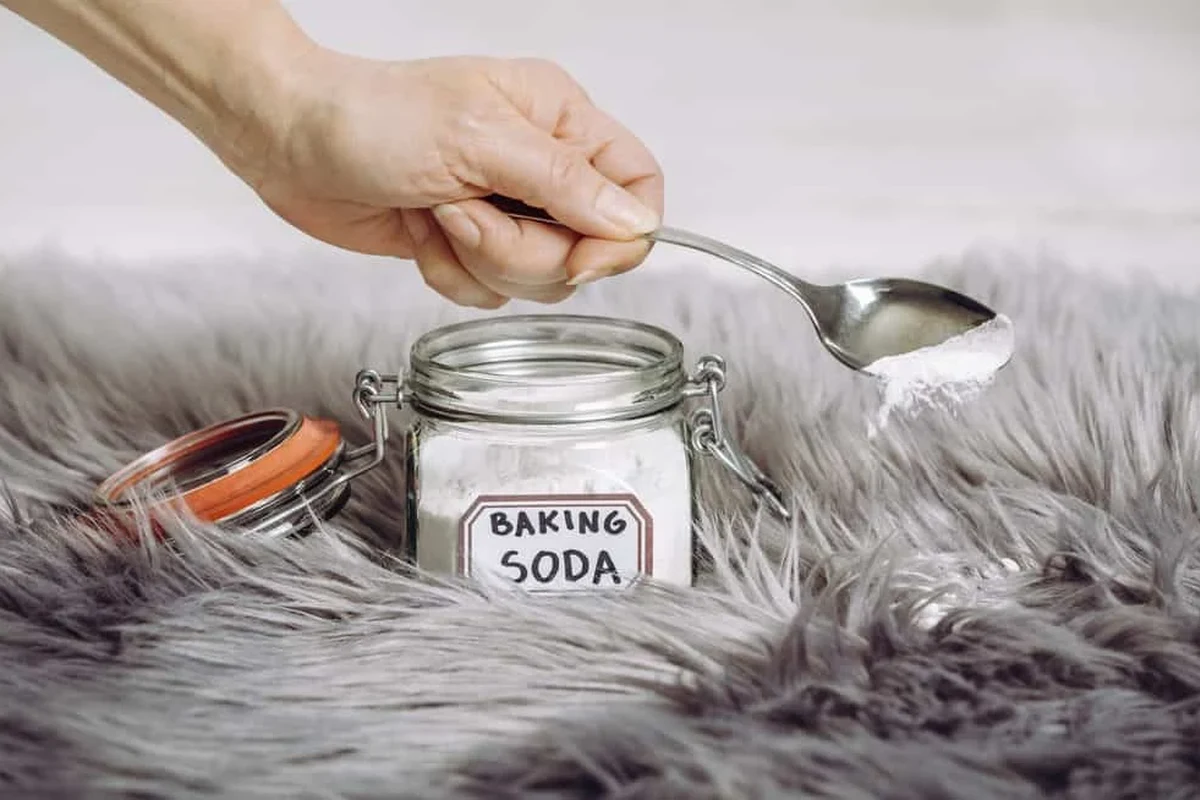
The best sit time depends on what problem you are trying to solve. For everyday deodorizing, a short wait is often enough because baking soda works by absorbing some odors and surface moisture rather than scrubbing out soil.
For most homes, a light dusting left on the carpet for 15 to 30 minutes can freshen the room before vacuuming. If the area smells musty, has pet odor, or was lightly damp, a longer rest of several hours may work better. In some cases, leaving it overnight is reasonable, but only if the carpet is dry enough and the fibers can handle the powder without becoming dull or chalky.
Think of baking soda as a deodorizer first and a cleaner second. The longer it stays in contact with the carpet, the more time it has to absorb odor and moisture, but extra time does not fix every problem.
What Baking Soda Can and Cannot Do for Carpet Cleaning
Baking soda is popular because it is simple, low-cost, and easy to use. Still, it has clear limits, and knowing them helps you choose the right sit time instead of overusing it.
Odor control, light freshening, and moisture absorption
Baking soda can help reduce surface odors from foot traffic, cooking smells that settle into fabric, and mild pet-related odors. It also absorbs a small amount of moisture, which is why it can be useful after a slightly damp spot has been blotted.
This is one reason it is often used in other household cleanup tasks too, such as baking soda for smoke odors or in baking soda in laundry. On carpet, the effect is usually gentler and more surface-level than many people expect.
Why baking soda is not a full stain remover or deep cleaner
Baking soda does not break down all stain types, and it does not lift embedded dirt from carpet backing or padding. If a spill has already set, or if the stain contains oils, dyes, or proteins, you may need a carpet cleaner, an enzyme product, or a professional method.
For that reason, it helps to separate odor treatment from stain treatment. If you are dealing with a spill, blot first, clean the residue, then use baking soda only as a finishing deodorizer if needed. If you want a broader look at how this ingredient works in other cleaning situations, see our guide to the baking soda and vinegar reaction.
Carpet fibers, backing materials, and dye stability vary by brand and construction. A timing method that works on one rug may leave residue or texture changes on another.
Best Timing by Carpet Problem: Odors, Spills, and Pet Messes
The right sit time depends on whether you are freshening a room, dealing with a damp spot, or trying to reduce pet odor. A longer wait is not automatically better, because too much powder or too much time can make vacuuming harder.
Short sit times for light odors and routine refreshes
For normal room freshening, 15 to 30 minutes is a sensible starting point. This is often enough for a light dusting to settle into the fibers and do its job without building up in the pile.
This shorter window is especially useful for high-traffic areas, entry rugs, or a quick reset before guests arrive. If the carpet already smells clean and you only want a mild refresh, there is usually no benefit in leaving the powder on much longer.
Longer sit times for stubborn smells and damp areas
For stronger odors, several hours can improve results because the powder has more time to absorb lingering smell molecules and moisture. Overnight treatment can be helpful for a musty basement carpet, a pet sleeping area, or a spot that was blotted after a minor accident and still feels slightly damp.
If the room has persistent odor from pets or smoke, baking soda may help, but it may not solve the underlying source. In those cases, the carpet pad, subfloor, or nearby fabric may also need attention.
When leaving it too long can backfire
Leaving baking soda on carpet for too long is usually not dangerous, but it can become counterproductive. Fine powder can settle deep into the pile, making vacuuming less efficient and leaving a dull or gritty feel if too much remains behind.
That is especially true on plush carpets, looped textures, or older vacuums with weaker suction. If you notice the carpet looking dusty after vacuuming, the issue is often too much product rather than too little time.
If a carpet is wet from a large spill, leak, or flooding, baking soda is not the right first response. Dry the area safely, address the source, and follow carpet manufacturer guidance or professional cleaning advice to reduce mold risk.
How to Apply Baking Soda on Carpet the Right Way
Good results depend as much on application as on timing. A light, even layer works better than a thick pile, and vacuuming technique matters just as much as the wait.
Measuring the amount for small rooms versus larger areas
For a small rug or spot treatment, start with a modest amount and add more only if needed. For a larger room, it is better to work in sections so you can spread the powder evenly instead of overloading one area.
There is no universal exact measurement because pile height, carpet density, and room size all change how much is needed. As a general rule, use the smallest amount that gives full, light coverage.
Even dusting, spot treatment, and avoiding clumps
Sprinkle baking soda in a thin, even layer. If you see clumps, break them up with your fingers or a dry brush so the powder can contact more of the fiber surface.
For spots, focus only on the affected area rather than the entire room. This reduces waste and makes it easier to tell whether the treatment actually helped. For related cleaning uses where careful application matters, our article on baking soda for yellow stains explains why even coverage matters on fabric surfaces.
Vacuuming technique for better pickup and fewer residue issues
Vacuum slowly and in overlapping passes so the machine has time to lift powder from the fibers. If your vacuum has a height adjustment, use the setting recommended for carpet pile to improve pickup without stressing the brush roll.
For thick carpet, a second pass from a different direction can help remove trapped powder. Empty the bin or replace the bag afterward if you used a noticeable amount, because fine powder can clog filters more quickly than ordinary dust.
Common Mistakes That Reduce Results
Most baking soda carpet problems come from overuse or from expecting it to do the job of a full cleaner. A few simple habits can make the difference between a fresh carpet and a chalky one.
Using too much baking soda or mixing it with too much liquid
More powder does not always mean better odor control. A heavy layer can sink into the pile, and if you add too much liquid on top of it, you may create a paste that is harder to remove.
If you want to combine methods, keep the carpet as dry as possible and use one cleaning approach at a time. Baking soda works best when it is applied dry and then vacuumed away cleanly.
Skipping pre-cleaning before deodorizing
If dirt, crumbs, or sticky residue are still on the carpet, baking soda can sit on top of the mess instead of reaching the odor source. That often leads to disappointing results and more vacuuming afterward.
Blot spills first, remove solids, and let the area dry before deodorizing. This is similar to how many cleaning tasks work in the kitchen: the surface usually needs preparation before any powder or treatment can do its job well.
Not testing carpet fibers, dyes, or backing first
Before treating a large area, test a small hidden section. This is especially important for wool carpets, antique rugs, or carpets with delicate backing, because some materials are more sensitive to repeated dry powder treatment.
If you are unsure about the carpet construction, check the manufacturer label or care instructions. The safest approach is to verify first rather than assume all carpets react the same way.
Baking soda is mildly alkaline, which helps it neutralize some acidic odors. That is part of why it can freshen carpet, but it still cannot replace deep soil removal.
Safety, Carpet Material, and Vacuum Considerations
Most baking soda carpet use is simple, but safety still matters. The main concerns are fiber damage, vacuum strain, and keeping powder away from children, pets, and allergy-sensitive household members.
Delicate fibers, wool carpets, and moisture-sensitive backings
Wool and other delicate fibers may need gentler treatment than synthetic carpet. If the carpet has a sensitive backing or a rug pad that should not get damp, avoid wet mixtures and keep the treatment dry.
For valuable rugs or specialty materials, the safest plan is to follow the care label or consult the manufacturer. If the carpet already has a stain, do not assume baking soda will protect the fiber from discoloration.
Vacuum filter and bag maintenance after baking soda use
Fine powder can collect in filters, hoses, and brush assemblies. After using baking soda, check the vacuum bin or bag and empty or replace it if the machine looks loaded with white dust.
If your vacuum has a washable filter, follow the manufacturer instructions before cleaning it. This helps maintain suction and prevents the machine from blowing fine residue back into the room.
Keep powdered baking soda out of reach of small children and pets, and avoid creating clouds of dust while sprinkling or vacuuming. If anyone in the home has asthma or dust sensitivity, use extra ventilation and clean slowly.
Household safety around kids, pets, and allergies
Although baking soda is a common household ingredient, it should still be used carefully on floors where pets or children play. A light residue is usually easy to remove, but heavy buildup can be tracked around the house.
If a pet has had an accident, remember that odor control alone does not address sanitation. Follow pet-safe cleaning guidance and, when needed, consult a veterinarian or official pet care guidance for persistent issues.
Practical Examples: Choosing the Right Sit Time in Real Homes
Real homes rarely have one perfect carpet problem. The best sit time depends on how strong the odor is, how dry the area is, and how quickly you need the room back in use.
Quick refresh after everyday foot traffic
If a hallway or family room just needs a reset, a 15 to 30 minute treatment is usually enough. This works well before vacuuming on a regular cleaning day, especially if the carpet is otherwise dry and clean.
For this kind of light refresh, a thin dusting and a slow vacuum pass are often all you need. If the room still smells stale afterward, the source may be dust in upholstery, curtains, or vents rather than the carpet itself.
Overnight treatment for pet odors or musty rooms
For a pet area or a room that smells damp, overnight can be a reasonable choice if the carpet is only lightly affected. The extra time gives the powder more opportunity to absorb odor and residual moisture.
Just keep in mind that overnight is not automatically better for every carpet. If the area is heavily soiled, the odor may come from deeper layers, and a surface powder will only partially help.
Spot treatment after a spill versus whole-room deodorizing
After a small spill, treat only the spot once it has been blotted and dried. For a whole-room odor, apply the powder evenly and keep the layer light so vacuuming remains manageable.
If you find yourself treating the same area repeatedly, the issue may be deeper than surface odor. In that case, a carpet shampoo, steam cleaning, or professional service may be a better next step than longer sit times.
- Simple and inexpensive
- Helps with mild odors and light moisture
- Easy to use for spot or room treatment
- Not a full stain remover
- Can leave residue if overused
- May not solve deep or set-in odors
Final Recommendation: The Best Sit Time Based on Carpet Condition
If you want the shortest useful answer, choose 15 to 30 minutes for a light refresh, several hours for stronger odors, and overnight only for stubborn smells or slightly damp areas. That range gives baking soda enough time to absorb odor without making cleanup harder than necessary.
When to choose 15–30 minutes, several hours, or overnight
Use 15 to 30 minutes for routine freshening and low-odor carpets. Use several hours when the smell is more noticeable or when you want more moisture absorption. Use overnight only when the carpet is dry enough, the odor is persistent, and you are comfortable vacuuming thoroughly the next day.
When to stop and use a different cleaning method instead
If the carpet has a visible stain, a sticky spill, a strong pet accident, or a musty odor that keeps returning, baking soda alone is not enough. At that point, a proper carpet cleaner, enzyme treatment, or professional cleaning is usually the better choice.
In short, baking soda is best used as a light, dry deodorizing step, not as a cure-all. Used with the right sit time and a careful vacuum, it can freshen carpet well without creating extra work.
Frequently Asked Questions
Yes, overnight can be helpful for stubborn odors or lightly damp areas. Use a thin layer and vacuum thoroughly the next day to avoid residue.
Use the smallest amount that gives light, even coverage. Too much powder can settle into the fibers and make vacuuming harder.
Not by itself in most cases. It may help with odor, but stains usually need blotting, cleaning, or a dedicated stain remover.
It may be safe for some wool carpets, but delicate fibers and backings should be tested first. Check the care label or manufacturer guidance before treating a large area.
The odor may be coming from deeper in the carpet, the pad, or the subfloor. In that case, baking soda may only help temporarily and a deeper cleaning method may be needed.
No, it usually works better after sitting for a while. Light odors may need only 15 to 30 minutes, while stronger smells may need several hours or overnight.