
How Much Baking Powder for Baking Soda in Recipes
Baking powder is usually not a 1:1 replacement for baking soda; a common starting point is 3 teaspoons of baking powder for 1 teaspoon of baking soda. The swap works best in mild recipes and is less reliable in batters that depend on acidity for lift, browning, and flavor.
If you are wondering how much baking powder for baking soda, the short answer is that baking powder is usually not a perfect 1:1 replacement. In most recipes, you need more baking powder than baking soda, but the exact amount depends on whether the batter already contains acidic ingredients.
- Basic ratio: Start with about 3 teaspoons of baking powder for 1 teaspoon of baking soda.
- Acidity matters: Buttermilk, yogurt, citrus, cocoa, and molasses can make the swap behave very differently.
- Texture changes: Baking powder often gives a softer, cakier, and less browned result.
- Measure carefully: Packed spoons, stale leaveners, and brand differences can change the outcome.
- Best practice: Use the recipe’s original leavener when it is central to flavor, rise, or browning.
What Baking Powder and Baking Soda Actually Do in a Recipe
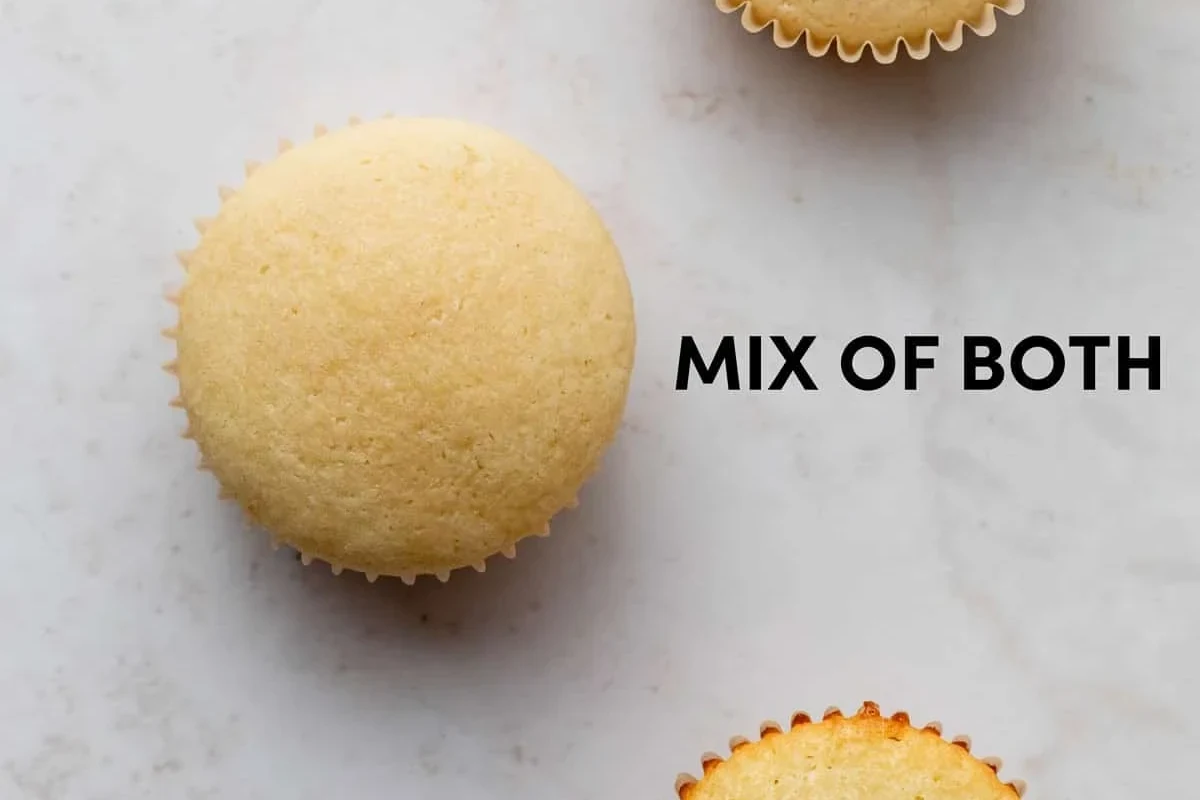
Baking soda and baking powder both help baked goods rise, but they do it in different ways. Understanding that difference is the key to making a substitution that does not flatten your cookies or leave a strange aftertaste.
How each leavener works chemically
Baking soda is sodium bicarbonate. It needs an acid in the recipe, such as buttermilk, yogurt, citrus juice, brown sugar, cocoa, or vinegar, to create carbon dioxide gas that expands during baking. That gas creates lift and also changes browning and flavor.
Baking powder already contains baking soda plus one or more acid salts, so it can make gas on its own once it gets wet and heated. Most baking powders are double-acting, which means they react once when mixed and again in the oven.
Baking soda is much stronger by weight than baking powder because it is only one ingredient, while baking powder includes both the base and the acid needed for the reaction.
Why swapping them changes rise, flavor, and texture
When you swap baking powder for baking soda, you are not just changing the amount of lift. You are also changing how much acid-neutralizing power the recipe has, which affects taste, color, and how the crumb sets. A recipe that relies on baking soda for browning may turn paler if you use baking powder instead.
In practical baking, this can mean cookies spread differently, muffins rise in a softer dome, or quick breads taste less sharp. If you want a deeper explanation of the ingredients themselves, our article on whether baking soda and baking powder are the same is a helpful companion read.
The Real Conversion: How Much Baking Powder for Baking Soda
The most useful starting point is this: baking powder is usually used in a larger amount than baking soda. A common kitchen rule is about 3 teaspoons of baking powder for 1 teaspoon of baking soda, but that only works well when the recipe does not already contain much acid.
The standard substitution ratio bakers use
The standard approximation is 1 teaspoon baking soda equals 3 teaspoons baking powder. That is because baking powder is diluted with starch and acid salts, so it takes more of it to produce a similar amount of lift.
Even so, this is a rough conversion, not a guarantee. Some recipes may still need a small adjustment in sugar, salt, or liquid if the swap changes the batter balance.
This ratio is a baking shortcut, not a scientific one-size-fits-all formula. Brand differences, recipe acidity, and oven performance can all change the final result.
When the ratio needs adjustment for acidic ingredients
If the recipe already includes acidic ingredients, baking soda is doing more than leavening. It is also helping neutralize acidity, which can affect flavor and color. In those recipes, replacing baking soda with baking powder may leave the batter too acidic and less balanced.
That is why chocolate cakes, buttermilk pancakes, and citrus loaves often behave differently after a swap. If you are uncertain whether a recipe depends on baking soda’s chemistry, it helps to review the formula before changing anything.
Simple measurement examples for home bakers
For 1/4 teaspoon baking soda, use about 3/4 teaspoon baking powder. For 1/2 teaspoon baking soda, use about 1 1/2 teaspoons baking powder. For 1 teaspoon baking soda, use about 3 teaspoons baking powder.
These are the basic home-baking estimates most people use when they are in a pinch. If you are missing the ingredient entirely and want the reverse direction, our guide on using baking soda instead of baking powder safely explains the limits of that swap too.
When You Can and Cannot Substitute Baking Powder for Baking Soda
Sometimes the swap works well enough for a home recipe. Other times it changes the chemistry so much that the final product is obviously different, even if it still bakes through.
Recipes that rely on acid for lift and browning
Recipes with buttermilk, sour cream, yogurt, molasses, natural cocoa, lemon juice, or vinegar often rely on baking soda to react with that acid. In those recipes, baking soda helps with both rise and flavor balance. Replacing it with baking powder may reduce browning and leave a tangier or flatter taste.
That effect is especially noticeable in darker batters and quick breads. The batter may also rise more slowly, which can alter how the crumb sets before the center firms up.
Recipes where baking powder can work as a backup
Baking powder can work as a backup in recipes that do not need a strong acid reaction. Plain pancakes, simple vanilla muffins, and some cookie doughs may still bake acceptably with the 3:1 substitution ratio. The final texture may be slightly softer and less crisp, but the recipe can still be usable.
Do not assume a swap is safe just because the batter looks normal. A recipe can still taste off, brown unevenly, or overflow if the leavener balance is wrong.
Signs the recipe will not behave the same after a swap
If the recipe depends on a strong acid-base reaction, you may notice a duller flavor, less spread, or a tighter crumb than expected. If the batter already contains a lot of acidic dairy or citrus, baking powder may not neutralize enough of it to give the same result.
Another clue is the recipe style itself. Old-fashioned chocolate cakes, soda breads, and many bran muffins often depend on baking soda in a way that baking powder cannot fully replace.
How the Substitution Affects Taste, Color, and Texture
Leavening is not only about height. It affects the whole eating experience, from the first smell in the oven to the last bite on the plate.
Bitterness, metallic notes, and lingering aftertaste
Too much baking soda can leave a soapy or bitter taste because the batter has more base than acid to balance it. Baking powder can also taste unpleasant if it is overused, especially if the recipe already contains acidic ingredients and the powder’s own acids push the balance too far in the other direction.
That is why careful measuring matters. A spoon packed into the container can add enough extra leavener to change the flavor, even if the difference looks small.
Spread, crumb, and tenderness changes in cookies, cakes, and muffins
Cookies made with baking soda often spread more because the dough sets differently as it warms. Cakes and muffins made with baking powder may rise more evenly, but they can also become more cake-like and less chewy if the leavener amount is too high.
In cookies, the swap can reduce browning and create a puffier shape. In muffins, it can make the crumb softer, but sometimes a little drier if the structure sets before enough moisture remains inside.
Why too much baking powder can create a soapy or cakey result
Baking powder contains both an acid and a base, so using too much can add a chalky, soapy, or overly “bready” flavor. It can also create a fine, cake-like crumb where you expected a denser texture.
That is one reason bakers treat substitution carefully. More leavener does not always mean better lift; sometimes it means weak structure and a strange mouthfeel instead.
Common Mistakes Bakers Make When Replacing Baking Soda
Most substitution problems come from rushing the measurement or ignoring what else is in the bowl. A recipe is a system, so one ingredient change can affect several outcomes at once.
Using a 1:1 swap without checking acidity
A 1:1 swap is usually not enough because baking powder is weaker per teaspoon. If you use the same amount, the recipe may not rise properly. If you use three times as much without checking acidity, you may create a flat, off-flavored batter instead.
The baked good rises weakly or tastes sharp after replacing baking soda.
Check whether the recipe includes buttermilk, yogurt, citrus, cocoa, or molasses, then decide whether baking powder can truly stand in for baking soda.
Overmeasuring with packed spoons or stale leaveners
Level measuring matters. A packed spoon can add enough extra leavener to affect taste and texture, especially in small-batch recipes. Stale baking powder or baking soda can also fail to perform, which makes it hard to know whether the problem was the recipe or the ingredient.
If your pantry ingredients have been open for a long time, check freshness before blaming the formula. If you need a refresher on shelf life and replacement signs, see our guide on whether baking soda expires and when to replace it.
Ignoring salt, buttermilk, yogurt, cocoa, or citrus in the formula
Salt sharpens flavor, while acidic ingredients change how leaveners behave. Natural cocoa is acidic; Dutch-process cocoa is not, which means the same recipe style may need different leavening. Citrus, yogurt, and buttermilk all push the chemistry in a direction baking powder may not fully match.
That is why two recipes with the same amount of flour can still need different leaveners. Ingredient type matters as much as ingredient quantity.
- Check whether the recipe contains acidic ingredients
- Measure with level teaspoons, not packed spoons
- Use fresh baking powder and baking soda
- Expect some change in flavor or texture after the swap
Practical Recipe Examples and Adjustment Scenarios
Real kitchen decisions are usually about what you are baking right now. The same substitution can be acceptable in one recipe and a bad idea in another.
Cookies, quick breads, and pancakes: where the swap may be acceptable
In simple cookies, quick breads, and pancakes, baking powder can sometimes replace baking soda if the recipe is not heavily acidic. Pancakes are especially forgiving because the batter is relatively wet and the texture is meant to be tender rather than crisp.
Quick breads can also tolerate a partial change, though the crumb may become a little lighter and less browned. Cookies may spread less and taste milder, which may or may not be what you want.
Often the easiest place to test a baking powder substitution because the batter and texture are forgiving.
May work if the recipe is not strongly acidic, but the final rise and browning can change.
Possible backup option, though spread and chewiness may shift.
Chocolate and fruit-based batters: why acidity matters more
Chocolate cakes, berry muffins, lemon loaves, and other fruit-based batters often depend on baking soda because the acid helps activate the leavener and shapes the flavor. In those recipes, baking powder may not replace the chemistry cleanly.
Natural cocoa and acidic fruit can also affect color. A recipe designed for baking soda may bake up darker and more rounded in taste than the same recipe made with baking powder.
For recipes with a strong acidic ingredient list, treat baking powder as a backup only. If the recipe is a keeper, it is usually better to buy the correct ingredient than to force a substitution.
How to test a small batch before committing to a full recipe
If you are unsure, make a small test batch first. Bake a half recipe or a few muffins so you can judge rise, flavor, and browning before using the swap in a full pan. This is especially useful when you are baking for guests or for a special occasion.
Watch for the edges setting too quickly, a pale top, or a crumb that turns dry before the center is done. Oven calibration, pan color, and rack position can all change the result, so keep notes if you plan to repeat the recipe.
Mix the batter as written, but use the substitution ratio carefully and keep an eye on acidity.
Look for normal rise, even browning, and a set center rather than relying only on the clock.
Let the baked item rest so the crumb can finish setting before cutting or moving it.
Storage, Freshness, and Safety Checks for Both Leaveners
Good baking starts with ingredients that still work. Old leaveners can make a substitution look wrong even when the math is correct.
How to tell if baking soda or baking powder has lost strength
Baking soda should fizz strongly when mixed with a little acid, such as vinegar or lemon juice. Baking powder should foam when mixed with warm water, though the exact reaction can vary by brand and age. Weak or delayed bubbling usually means the ingredient is past its best performance window.
If you are checking a pantry item, do not use the result as a food-safety test for all ingredients. It only tells you whether the leavener is likely to perform properly in baking.
Proper storage to prevent clumping and moisture damage
Store both ingredients in tightly closed containers in a cool, dry place. Moisture can trigger clumping or early reaction, which reduces strength and makes measuring less reliable. Keep them away from steam, stove heat, and wet measuring tools.
Can I keep baking powder and baking soda near the stove?
It is better not to. Heat and humidity can shorten freshness and cause clumping, especially in busy kitchens where lids stay open.
Food safety and label-reading tips for modern pantry baking
For home baking, the main safety concern is usually ingredient quality and cross-contact, especially if someone in the household has an allergy. Always read labels carefully because ingredient formulas and processing aids can change by brand. If allergy questions are serious, use product labels and qualified guidance rather than guessing.
Also remember that raw flour and raw eggs can carry foodborne illness risk, so tasting raw batter is not a safe way to judge the recipe. Follow recognized food safety guidance from official sources such as USDA and FDA when handling raw ingredients.
Final Recap: Choosing the Right Leavener for the Best Baking Result
If you need a practical answer to how much baking powder for baking soda, start with 3 teaspoons of baking powder for 1 teaspoon of baking soda. Then check the recipe’s acidity, because that is what decides whether the swap will behave well or only barely work.
Decision guide for when to substitute and when to buy the right ingredient
Use baking powder as a backup in mild recipes like simple pancakes, some cookies, and a few quick breads. Buy the correct ingredient when the recipe depends on buttermilk, yogurt, citrus, molasses, or cocoa for lift, browning, or flavor balance.
If you want to avoid confusion in future bakes, keep both leaveners in your pantry and label the containers clearly. That small habit saves time and helps you choose the ingredient the recipe was actually built to use.
Final troubleshooting advice for rescuing a recipe after a swap
If the recipe has already been mixed, do not keep adding leavener blindly. Instead, bake a small test if possible, watch the rise and browning, and note the flavor after cooling. A slightly different texture may be acceptable, but a soapy taste or collapsed center usually means the swap was not a good match.
For the best results, treat substitution as a backup plan, not a default. The more acidic and delicate the recipe, the more important it is to use the leavener the formula was designed for.
Frequently Asked Questions
A common starting point is 3 teaspoons of baking powder for 1 teaspoon of baking soda. This is only a general rule, so check the recipe’s acidity before swapping.
Sometimes, yes, especially in mild recipes like pancakes or some cookies. Recipes with buttermilk, yogurt, citrus, cocoa, or molasses may not behave the same.
Too much baking powder can leave a chalky or soapy flavor because it changes the balance of acid and base in the batter. Accurate measuring helps prevent that.
Baking soda should fizz with acid, and baking powder should foam with warm water. Weak bubbling usually means it is time to replace the ingredient.
Yes. The swap can change spread, crumb, browning, and tenderness, so cookies, cakes, and muffins may not bake the same way.
No. Raw flour and raw eggs can carry food safety risks, so use testing methods for leaveners and follow official food safety guidance instead.
