
How to Fix Dry, Crumbly Cookie Dough Without Ruining the Batch
Dry cookie dough is usually fixable, but only if you diagnose the cause before adding anything else. A dough that looks sandy, breaks apart when pressed, or refuses to form a ball is telling you something about the formula, the mixing, or the way it was handled.
The good news: most of the time, you do not need to throw the batch away. You usually need a small correction, a short rest, or a better read on whether the dough is truly underhydrated or just cold.
Why Cookie Dough Turns Dry and Crumbly
The most common reason is too much flour. Even a modest overmeasure can throw off the balance and leave the dough looking pale, rough, and hard to press together. If flour was scooped directly from the bag with the measuring cup, it may have been packed more tightly than the recipe intended. That can add more flour than you realize. For a deeper breakdown, see why too much flour makes cookies dry.
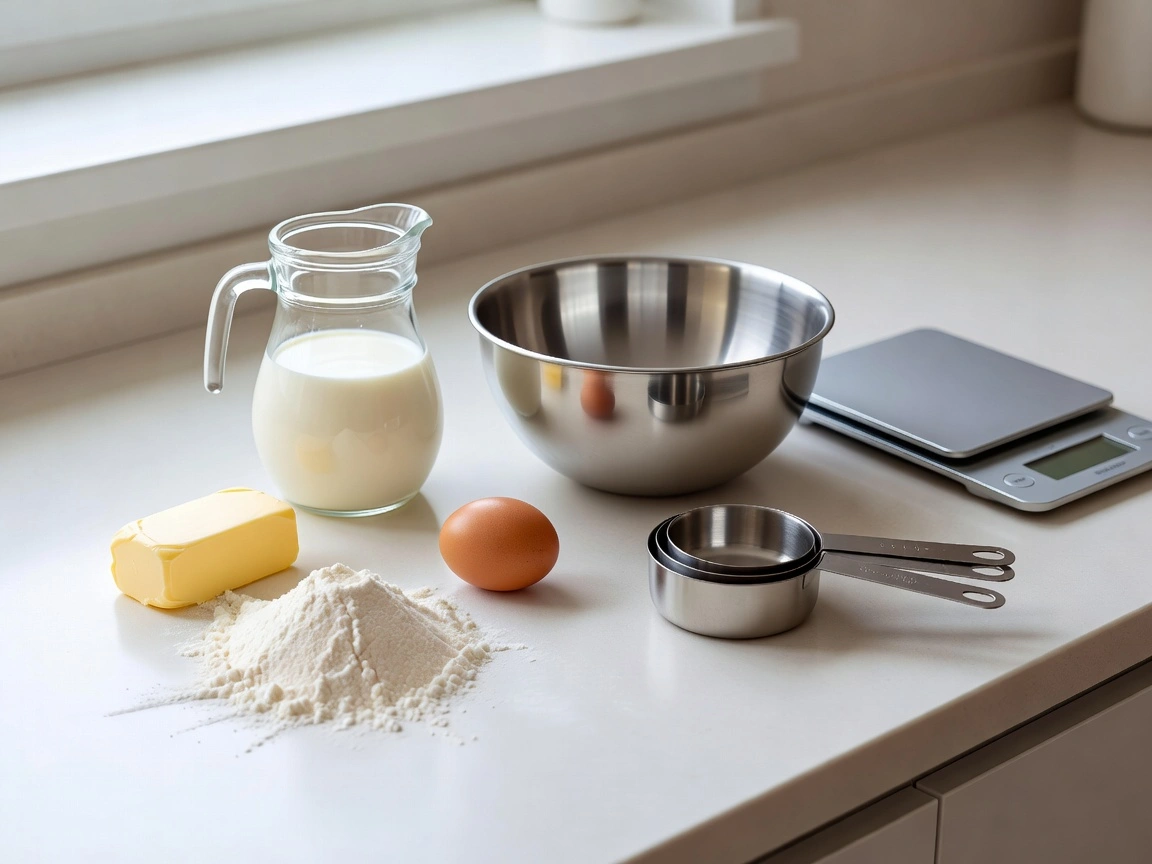
Too little liquid or fat can create the same result. Cookie dough needs enough moisture and richness for the flour to hydrate and for the mixture to hold together. If the butter was reduced, the egg was small, or a liquid ingredient was missed, the dough can turn short and crumbly.
Overmixing is another possibility, though it works a little differently. If you beat the dough too long after the flour goes in, the mixture can become tight and rough instead of cohesive. It may not be truly dry, but it can behave that way in the bowl.
Chilling can also make dough seem drier than it really is. Cold butter firms up, and flour continues to absorb moisture during rest. That means a dough that felt soft earlier may look crumbly after refrigeration even though it only needs a few minutes at room temperature.
First Check: Is It Really Too Dry or Just Cold and Stiff?
Before you add anything, press a small handful of dough together in your palm. If it compacts into a ball with gentle pressure, it may only need a brief rest. If it stays sandy or falls apart immediately, the dough likely needs a correction.
A chilled dough can be misleading. Sugar cookie dough, for example, can often feel firm straight from the fridge but become workable after sitting out briefly. That is different from dough that was never properly hydrated in the first place.
Here is a practical rule: if the dough is cold and crumbly but clearly holds together once warmed slightly, wait before changing the formula. If it still breaks apart after a short rest, move on to a small rescue adjustment.
How to Fix Dry Cookie Dough Without Ruining It
The safest fix is to add the smallest useful amount of the ingredient that matches the problem.
If the dough is only slightly dry, add a little liquid
Milk is often the gentlest rescue because it adds moisture and a bit of richness. Water can work too, but it adds hydration without improving flavor or body. If the dough is only a little too dry, start with 1 teaspoon of liquid for a standard batch, then mix and wait briefly before adding more.
Add the liquid gradually and mix after each addition. Stop as soon as the dough begins to clump and hold when pressed. If you keep pouring in liquid, the dough can swing from crumbly to sticky very quickly.
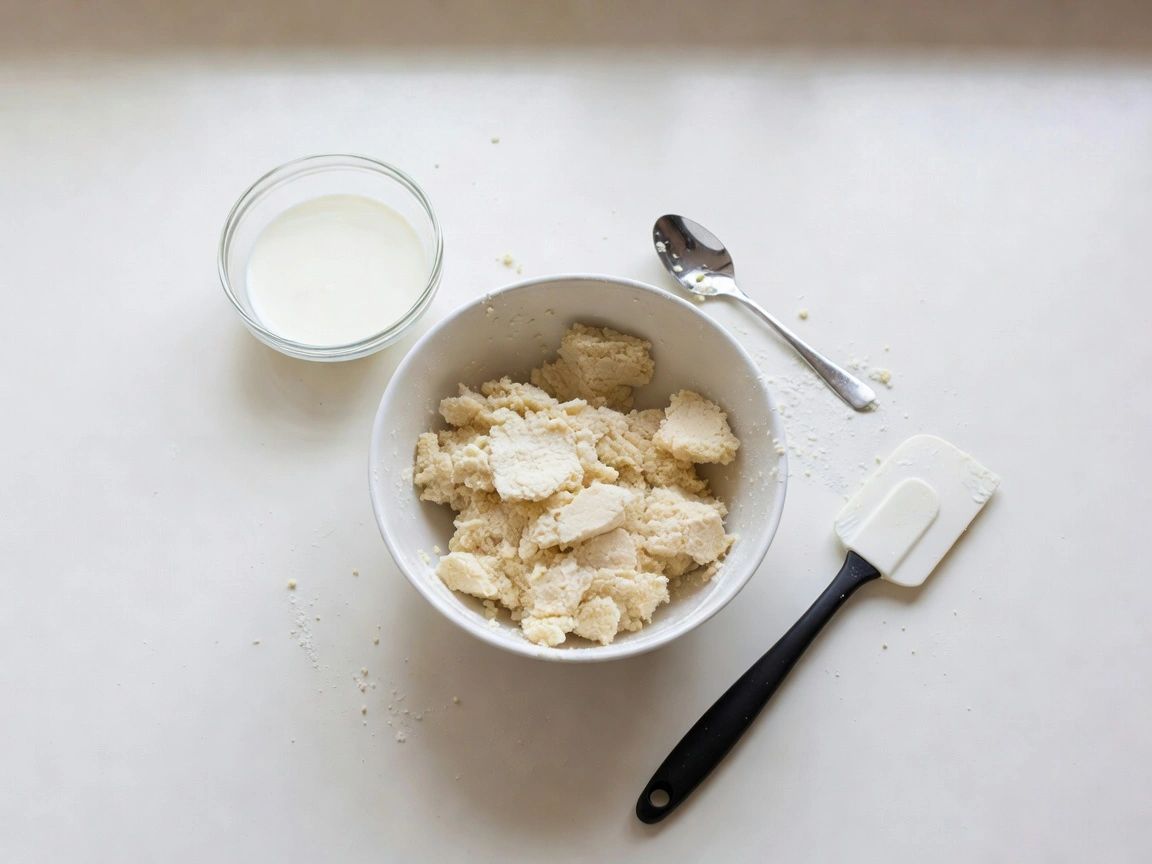
If the dough seems short on richness, add a little fat
If the dough feels dry because it lacks enough butter, a small amount of softened butter can help the mixture bind more smoothly. This is more useful when the dough feels lean and sandy rather than simply thirsty.
Butter changes more than texture, though. It can affect spread, tenderness, and how the cookies bake. That is why it is better for a dough that clearly needs more fat, not as a default fix for every dry batch.
If the dough needs both moisture and structure, add egg carefully
Egg can help when the dough is dry and also failing to bind. It brings moisture, protein, and emulsifying power, which can improve cohesion. This is useful when the dough feels broken and refuses to come together even after a bit of resting.
Use caution here. Extra egg changes the formula more than a splash of milk or water. If you go this route, add only a small portion at a time and mix just until the dough starts to hold.
Which fix should you choose?
Use this simple guide:
- Milk: best for a slightly dry dough that needs gentle hydration
- Water: acceptable in a pinch when flavor change should be minimal
- Butter: best when the dough is dry because it lacks fat
- Egg: best when the dough needs moisture plus binding
If you are unsure, begin with a small amount of milk or water. Those are the least disruptive corrections. Move to butter or egg only if the dough still will not hold together after resting and gentle mixing.
Milk vs. Water vs. Butter vs. Egg: Which Fix Makes the Most Sense?
| Fix | Best for | Main advantage | Main trade-off |
|---|---|---|---|
| Milk | Slightly dry dough | Adds moisture with some richness | Too much can soften the dough quickly |
| Water | Very dry dough when flavor changes should be minimal | Easy, neutral rescue | Adds hydration without improving richness |
| Butter | Dough that feels lean or sandy | Restores cohesion and tenderness | Can change spread and texture |
| Egg | Dough that needs moisture and binding | Helps the dough come together | Alters structure more than liquid alone |
| Resting | Dough that may just need hydration time | No recipe change | Takes patience |
| Restarting | Dough that is badly mismeasured | Protects the final texture | Uses more ingredients and time |
How to Mix in Rescue Ingredients the Right Way
Once you add a rescue ingredient, stop using aggressive mixing. Stir with a spatula or mix on low just until the dough starts to come together. Then press it together by hand.
That hand-pressing step matters. Dry cookie dough often looks worse in the bowl than it does once compressed. If the dough forms a cohesive mass when squeezed, you may already be done.
If you are using a stand mixer, keep the speed low. High-speed mixing can make the dough warmer and tougher without solving the underlying dryness. If the dough still looks uneven, let it sit for a few minutes before deciding it needs more liquid. Flour sometimes needs a moment to absorb what you added.
A useful example: if a chocolate chip cookie dough looks sandy after mixing because the flour was packed into the cup, a teaspoon of milk may be enough in some batches to turn loose crumbs into a scoopable dough. Add too much at once, and you may end up with a sticky batch that spreads more than intended.
When Resting the Dough Is Better Than Adding More
Resting is the right move when the dough is stiff from chilling or when the flour has not fully hydrated yet. This is especially helpful if the dough was mixed recently and still seems a little dry at the center.
Letting the dough sit for a short period can make a noticeable difference because flour absorbs moisture over time. That means the same dough can go from crumbly to workable without any ingredient changes.
Use resting before rescue when:
– the dough was just chilled
– the mixture was only recently combined
– the dough feels firm but not truly sandy
– a squeezed handful holds together better than it looks in the bowl
When the Dough Is Too Dry to Save Easily
There is a point where a batch needs so much added liquid or fat that the recipe balance starts to shift too far. If you have already added several small corrections and the dough still falls apart, it may be better to stop and restart.
A practical threshold: if you have added a few small increments, waited briefly for absorption, and the dough still will not form a cohesive ball, do not keep chasing it. At that point, you are no longer rescuing the recipe; you are rewriting it.
That is especially true if the original measurement error was large. A heavily overfloured batch often needs more than a simple touch-up, and pushing it with too much liquid can lead to cookies that bake with the wrong texture.
How to Prevent Dry, Crumbly Cookie Dough Next Time
The most reliable prevention is accurate measuring. Flour should be measured carefully, and a kitchen scale is the most consistent tool if you bake often. If you use cups, level the flour instead of packing it.
Also pay attention to how the flour is handled. Scooping directly from the bag can compact it. Spoon-and-level is better, and weighing is better still.
Do not reduce the wet ingredients unless the recipe tells you to. Even a small cut in butter, egg, or liquid can make the dough less cohesive than expected.
Mix only until the flour disappears and the dough comes together. If you keep beating after that point, you may make the dough feel tighter than it should.
Finally, chill with purpose. Some doughs need time in the fridge, but chilled dough should be judged after it has had a chance to warm slightly. Otherwise, you may fix a problem that is really just cold butter.
If your batch also feels sticky in other spots, this guide on how to fix cookie dough that is too sticky can help you sort out the opposite problem without overcorrecting.
Quick Troubleshooting Summary
If the dough is:
– Sandy but not cold: suspect too much flour or not enough liquid
– Crumbly right after chilling: let it rest at room temperature first
– Dry and lean: try a little butter
– Dry and refusing to bind: try a small amount of egg
– Only slightly dry: add milk or water in tiny increments
– Still impossible after corrections: restart rather than force it
FAQs
Is cookie dough supposed to be crumbly before chilling?
Some doughs are softer before chilling and firmer after. If the dough is crumbly even before refrigeration, that usually points to a mixing or measurement issue rather than normal chilling.
Can I fix crumbly cookie dough after it has already been mixed?
Yes, in many cases. The safest approach is to add a small amount of the right ingredient, mix gently, and stop as soon as the dough holds together.
Should I add milk or water first?
Milk is usually the better first choice because it adds moisture with some richness. Water is fine if you want the most neutral adjustment possible.
What if the dough crumbles but still bakes okay?
Some doughs look rough in the bowl but bake fine once portioned and pressed. If the dough can be scooped and compressed into portions without falling apart, it may already be workable.
Can I save dough that seems too dry after refrigeration?
Often, yes. Let it sit briefly at room temperature first. If it still seems dry after warming slightly, then consider a small rescue addition.
When should I restart instead of fixing it?
Restart if the dough needs repeated large corrections or if the original measuring error was obvious. At that point, the final cookie texture is likely to suffer.
When to Consult a Pastry Chef
If you are working with a formula that has already been adjusted several times, or if the dough is part of a specialty cookie with a very specific texture, a pastry chef can help you evaluate whether the batch can still be balanced. That is especially useful when the dough needs structure, not just moisture.
For most home bakers, though, the fix is straightforward: identify whether the dough needs hydration, fat, binding, or time. Once you make that distinction, dry cookie dough becomes much easier to rescue.

