
How to Make Sourdough Taste Less Sour Without Losing a Good Rise

If your sourdough is coming out more sharp, tangy, or even vinegary than you want, you are not stuck with it. Sourness is adjustable. In most cases, the fix is not one dramatic change but a smarter combination of starter care, levain timing, fermentation control, and flour choice.
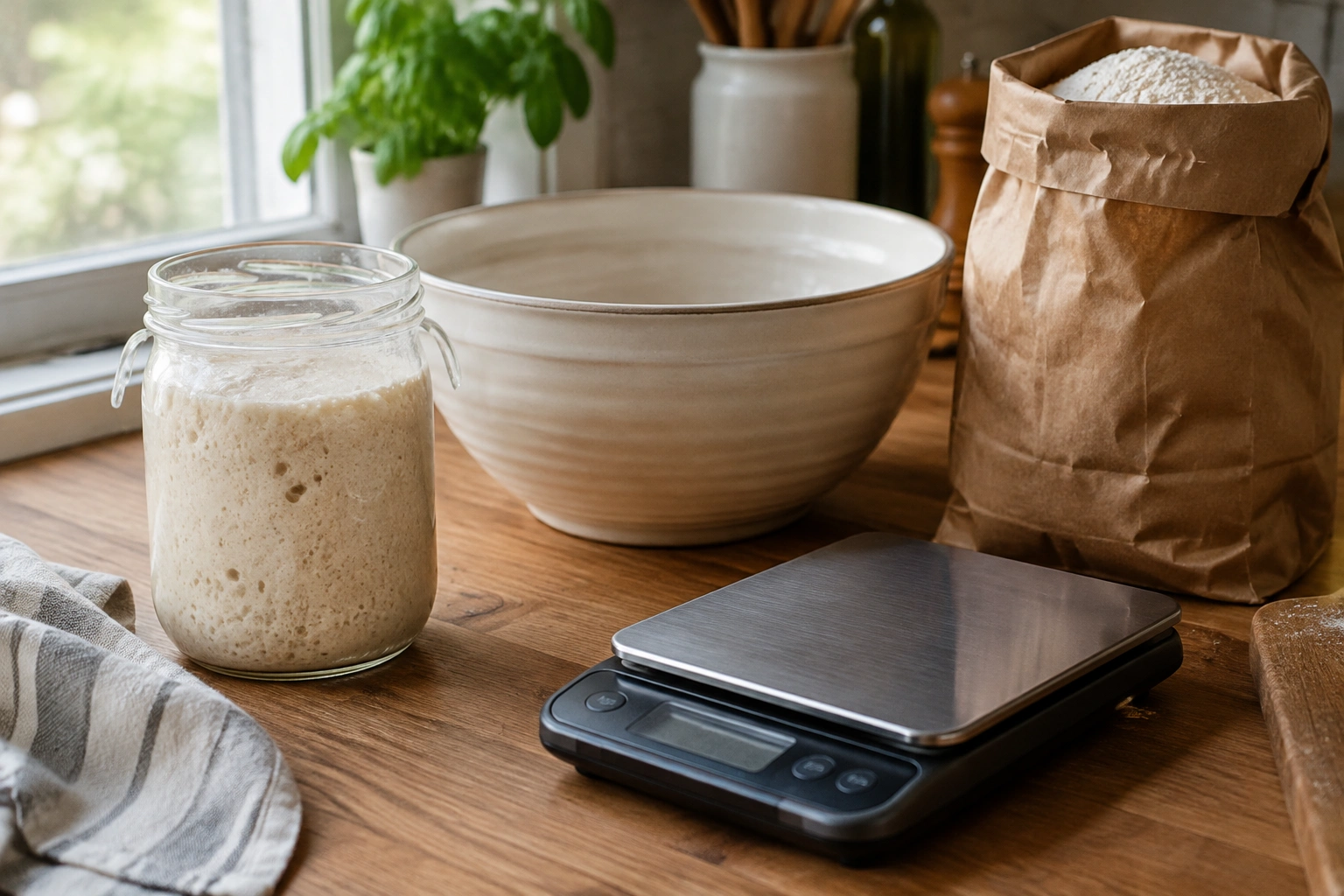
If you want the fastest answer to how to make sourdough less sour, start with a fresher starter and a shorter cold proof. Those two changes often make the biggest difference without sacrificing rise.
The key is to separate where the sourness is coming from from what you want the loaf to do. A loaf can taste too sour because the starter was overripe, because the dough fermented too long, because it spent too long in the fridge, or because the formula leans heavily on whole grain flour. Those are different problems, and they call for different fixes.
As a baker, I like to think of sourdough flavor as a dial, not an on-off switch. You can turn it milder without turning it bland.
Why Sourdough Tastes Too Sour
Sourdough gets its flavor from acids produced during fermentation, especially lactic and acetic acids. In practical baking terms, that means two loaves can both be “sourdough” and still taste very different. One may be soft and yogurt-like in tang. Another may taste sharper and more aggressive.
That difference usually comes from process, not just the recipe.
A few common sourness drivers:
- A hungry starter that has sat too long between feedings
- A large levain build that pushes more fermentation activity into the dough
- Long bulk fermentation or final proof
- Cold retardation, especially overnight or longer
- High whole grain content, especially rye or whole wheat
- An overripe preferment, where the levain is left too long before mixing
The useful question is not “How do I make sourdough less sour?” but “Which stage is adding too much acid to this loaf?”
If you want a deeper starter foundation before changing your bread formula, this guide on how to make sourdough starter at home is a helpful companion.
What You Need Before You Start
Before changing anything, make sure you can measure the effect of your changes.
You’ll want:
- A starter that rises predictably
- A scale
- A clear container for the levain
- A thermometer, if you can manage one
- Notes on your current formula and timing
- One loaf formula you already understand well
The biggest mistake is changing three things at once. If you shorten bulk, reduce whole grain, and switch starter feeding habits all in one bake, you may get a milder loaf—but you will not know which change mattered.
Pick one variable first. Then compare the result.
The Fastest Ways to Make Sourdough Less Sour
If you want the quickest path to a milder loaf, these are the highest-impact moves, in order:
- Use a fresher starter or levain
- Reduce the amount of levain in the dough
- Shorten bulk fermentation and final proof
- Cut back on cold retardation
- Reduce whole grain flour
- Keep the dough formula otherwise familiar
That order matters because starter condition and fermentation timing usually influence sourness more strongly than small formula tweaks.
Step 1: Use a Fresher, Better-Fed Starter
A healthy starter is the foundation for milder sourdough. Regular feeding helps keep acidity in check and gives the culture fresh food to consume. For a deeper starter-focused explanation, The Perfect Loaf’s sourdough flavor guide is worth reading.
Here’s the practical version:
- Feed your starter before it becomes sluggish and overly acidic.
- Use it when it is active and predictable, not after it has clearly passed peak.
- If your starter has been sitting too long, refresh it before baking.
A simple feeding schedule for a milder loaf
If you want a less tangy loaf, try this pattern before baking:
- Feed the starter the night before
- Feed it again the next morning
- Mix the levain or dough when the starter is at or near peak
That two-feeding approach is a simple way to keep the culture fresh without making the process complicated.
Fresh starter vs. hungry starter
A freshly fed starter tends to produce a milder loaf than a hungry one. That does not mean a hungry starter is “bad,” but it often brings more acidity and less consistency.
A good decision rule:
– If the starter is rising well and smells clean and yeasty, use it.
– If it smells sharply acidic, looks deflated, or takes too long to peak, refresh it first.
If your starter is weak or has been neglected, it may help to rebuild it over a couple of feedings before baking. This is especially useful if you store starter in the fridge and only feed it occasionally. If that sounds familiar, this guide on how to revive a sourdough starter can help.
When to rebuild instead of just feeding
Rebuild the starter if:
– It takes much longer than usual to rise
– It smells harsh rather than pleasantly tangy
– It has been in the fridge for a long time
– Your last few loaves were both sour and underwhelming in rise
If the starter is active but the bread is still too sour, the problem is probably later in the process.
Step 2: Lower the Levain Percentage or Inoculation
One of the most useful levers for mild sourdough is the size of the levain. A smaller levain generally means less acid in the dough and a slower fermentation schedule, which can make the loaf taste less tangy. A useful reference point is Brod & Taylor’s comparison, which shows how changing the preferment size changes the bake.
That does not mean every loaf needs a tiny levain. It means that if your current bread tastes too tangy, reducing the preferment size is one of the cleanest ways to soften it.
The trade-off
A smaller levain usually means:
– Milder flavor
– Slower fermentation
– More time needed for bulk and proof
– Less risk of over-acidifying the dough
The downside is timing. If you cut the levain too much, you may need a longer schedule than your kitchen routine allows.
How much to change first
Make a moderate adjustment, not a dramatic one. If your usual formula uses a fairly large levain, reduce it a little and keep everything else the same. That way, you can see whether the flavor shifts without losing too much strength or schedule control.
A practical rule:
– If the loaf is only a bit too sour, reduce levain modestly.
– If the loaf is sharply sour, combine a smaller levain with shorter fermentation.
Two simple examples:
– If your formula uses 20% prefermented flour, try dropping to 15%
– If your levain is 200 g, try 150 g and keep the rest of the formula the same
The smaller the levain, the more important it becomes to watch dough development closely.
Step 3: Shorten Bulk Fermentation and Final Proof
If your starter is healthy and the levain size is reasonable, the next place to look is time.
Long fermentation gives acids more time to build. That can be wonderful when you want complexity, but it is not your friend when you want a gentler flavor.
Where to trim time first
If the loaf is too sour but still rises well, reduce:
1. Bulk fermentation
2. Final proof
If the loaf is sour and dense, do not slash time blindly. That can leave you with a weak, underdeveloped dough. In that case, the starter may be the deeper problem.
How to judge readiness without overproofing
Look for dough that is aerated, elastic, and visibly expanded—not necessarily doubled in every formula. For a milder profile, stop fermentation when the dough is slightly puffy, smoother, and showing clear bubbles at the edges, but before it turns overly slack or fragile.
A practical sign to watch for:
– The dough should feel lighter and more expanded
– It should jiggle slightly when the bowl is moved
– The surface should look smoother, not collapsed or soupy
Trade-off:
– Shorter fermentation = less sourness, but potentially less extensibility and flavor depth
– Longer fermentation = more flavor development, but more tang and more risk of weakening the dough
If you’re baking for family or students who prefer a gentler loaf, err on the shorter side while the starter is strong.
Step 4: Reduce or Skip Cold Retardation
Refrigeration is one of the easiest ways to make sourdough taste more assertive. A long cold proof often adds tang, especially if the dough is already well fermented before it goes into the fridge.
That does not mean cold retardation is “bad.” It is excellent for scheduling, scoring, and flavor development. But if your goal is mildness, it is one of the first things to limit.
Warm same-day proof vs. cold overnight proof
A warmer, same-day schedule usually gives you a milder loaf than a long refrigerated proof. The dough spends less time producing acid, and the flavor stays softer.
A cold retard can still work if:
– You use a fresher starter
– You shorten the room-temperature fermentation first
– You keep the fridge time modest
A useful decision rule
- If the loaf tastes too sour but the crumb is good, reduce fridge time first.
- If the loaf is both sour and overproofed, shorten the entire fermentation path.
A practical rule of thumb: if you usually retard the dough for 12 to 16 hours, try cutting that to 4 to 8 hours and see whether the flavor stays milder. If you need a very small adjustment, even trimming 2 to 4 hours can make a noticeable difference.
If your schedule requires overnight proofing, you may not want to eliminate refrigeration entirely. In that case, reduce the time in the fridge rather than removing it completely.
Step 5: Adjust Flour Choice and Hydration
Flour does matter, but usually as a supporting factor rather than the main cause.
Whole wheat and rye can make sourdough taste more assertive, and a lower whole grain percentage can help keep the flavor milder. For a practical read on this idea, see this sourdough flavor discussion from King Arthur Baking, which emphasizes maintaining a healthy starter as the base for flavor control.
What to change
If your loaf is too sour and your formula uses a lot of whole wheat or rye, try:
– Reducing the whole grain percentage
– Swapping some whole grain for bread flour or all-purpose flour
– Keeping the starter strong so you do not lose fermentation power
Hydration: helpful, but secondary
Hydration can influence fermentation behavior and dough feel, but it is usually not the first lever I would pull for sourness. If you are already using a very wet dough and struggling with tang, a slightly firmer feel may help you control timing more easily. Still, time, temperature, and starter condition usually matter more.
Warm Fermentation vs. Cold Fermentation: What Changes Most?
Here is the practical comparison many bakers need when deciding how to schedule the bake.
| Choice | Sourness | Rise/Structure | Main Trade-Off |
|---|---|---|---|
| Warm, shorter fermentation | Usually milder | Good if watched closely | Needs more attention; less scheduling flexibility |
| Cold, long retard | Usually more tangy | Can improve handling and timing | More sour flavor and more risk of overproofing |
| Freshly fed starter | Usually milder | Strong if active | Requires planning ahead |
| Hungry starter | Often sharper | Less predictable | Can produce inconsistent rise |
| Smaller levain | Usually milder | Slower fermentation | Takes longer to finish |
| Larger levain | Often tangier | Faster schedule | More acid buildup |
| Less whole grain | Usually milder | Easier to keep balanced | Less nutty flavor and less whole-grain character |
| More whole grain | Often tangier | Can be strong if managed well | More pronounced flavor and faster acidification |
How to Keep Good Rise and Oven Spring While Reducing Sourness
The fear many bakers have is that a milder loaf will turn into a flat, bland one. That does not have to happen.
The best balance usually comes from:
– A fresh starter
– A smaller levain
– Careful, not excessive, fermentation
– Less cold retardation
– A flour blend that supports structure
If you reduce sourness by cutting fermentation too aggressively, you may lose oven spring. If you reduce it by improving starter freshness and trimming the fridge time, you often keep better structure.
That is why I usually recommend changing the starter and schedule before making the dough radically different. You preserve the character of the bread while dialing back the sharpness.
Common Mistakes That Make Sourdough Taste More Sour
A few habits repeatedly push sourness in the wrong direction:
Letting the starter get too hungry
An overripe starter can carry more acidity into the dough than you intended.
Overretarding the dough
A long fridge proof is convenient, but it often deepens tang.
Changing too many variables
If you alter starter, levain, flour, and timing all at once, you cannot tell what worked.
Assuming sourness means “better fermented”
A loaf can be very sour and still be underdeveloped or poorly timed.
Ignoring whole grain content
If your formula leans heavily on rye or whole wheat, you may be building tang into the bread from the start.
Troubleshooting: Match the Problem to the Likely Cause
Too sour, but the rise is good
Most likely causes:
– Overripe starter
– Too much levain
– Too much cold retardation
Best first move:
– Reduce fridge time or use a fresher starter
Too sour and dense
Most likely causes:
– Starter not strong enough
– Dough underfermented or poorly timed
– Levain too weak or too old
Best first move:
– Refresh the starter before baking and recheck fermentation timing
Harsh or vinegary flavor
Most likely causes:
– Long, cool fermentation
– Starter left too long between feedings
– Dough held too long in the fridge
Best first move:
– Shorten cold fermentation and use a younger levain
Mild flavor but weak bread
Most likely causes:
– Fermentation cut too short
– Starter not active enough
– Levain reduced too much
Best first move:
– Let the dough ferment a little longer next time without changing everything else
Practical Examples of Milding Different Sourdough Bakes
Example 1: Overnight fridge proof that tastes too sharp
If your usual loaf rises well but tastes noticeably tangy after a night in the fridge, keep the formula nearly the same and reduce the cold retard first. Use the dough earlier in its proofing window before chilling it.
Example 2: Weekend bake with a very sour starter
If the starter has been neglected or left too long between feedings, refresh it before mixing. That often makes more difference than changing flour.
Example 3: Whole grain-heavy loaf
If your dough contains a lot of whole wheat or rye, reduce that percentage slightly and replace it with bread flour. You may lose a bit of rustic depth, but the flavor often becomes noticeably gentler.
Simple Decision Guide for Your Next Bake
Use this quick guide if you want the mildest path with the least guesswork:
- If the starter is sluggish or sharply acidic: refresh or rebuild it first
- If the starter is healthy but the loaf is still too sour: reduce levain size
- If the loaf is sour but rises well: shorten bulk or final proof, then reduce cold retardation
- If the loaf is sour and dense: fix starter strength before changing the recipe
- If the formula uses a lot of whole grain: lower that percentage for a milder profile
- If you need a family-friendly loaf quickly: use a fresher starter, a smaller levain, and a warmer, shorter proof
FAQ
What is the fastest way to make sourdough less sour?
The fastest fix is usually to use a fresher starter and reduce cold retardation. Those changes often make sourdough less tangy without forcing a major recipe rewrite.
Does a young starter make sourdough less sour?
Usually, yes. A young starter or freshly fed levain is often milder than one that has gone past peak and become more acidic.
Can I make sourdough less sour without losing rise?
Yes. The best way is to keep the starter active, reduce levain only moderately, and avoid overproofing. That keeps the loaf from becoming flat while still softening the flavor.
Does whole wheat make sourdough more sour?
It can, especially if the formula uses a lot of whole wheat or rye. If you want a milder loaf, reduce the whole grain percentage and keep the starter strong.
The best sourdough flavor is not always the boldest one. Sometimes the most satisfying loaf is the one that still tastes alive and complex, but no longer overwhelms the palate.
