
Does Baking Soda Kill Rats A Safe Guide to Know

No, baking soda is not a reliable way to kill rats. The safer answer is to use sanitation, sealing, and proven pest control instead of a DIY bait mix.
Short answer: baking soda is not a dependable way to kill rats, and it should not be treated as a safe pest-control plan. If you are dealing with rats in a kitchen, pantry, or baking space, the safer move is to focus on sanitation, exclusion, and proper trapping or professional help.
- Reliability: Baking soda is not a dependable rat-control method.
- Safety: DIY bait can contaminate kitchens and reach pets or children.
- Prevention: Sealed storage and entry-point repair matter more than bait powders.
- Better action: Use traps, exclusion, or professional pest control for active infestations.
- Kitchen focus: Protect ingredients and prep surfaces first in baking spaces.
Does Baking Soda Kill Rats? What the Evidence Actually Shows
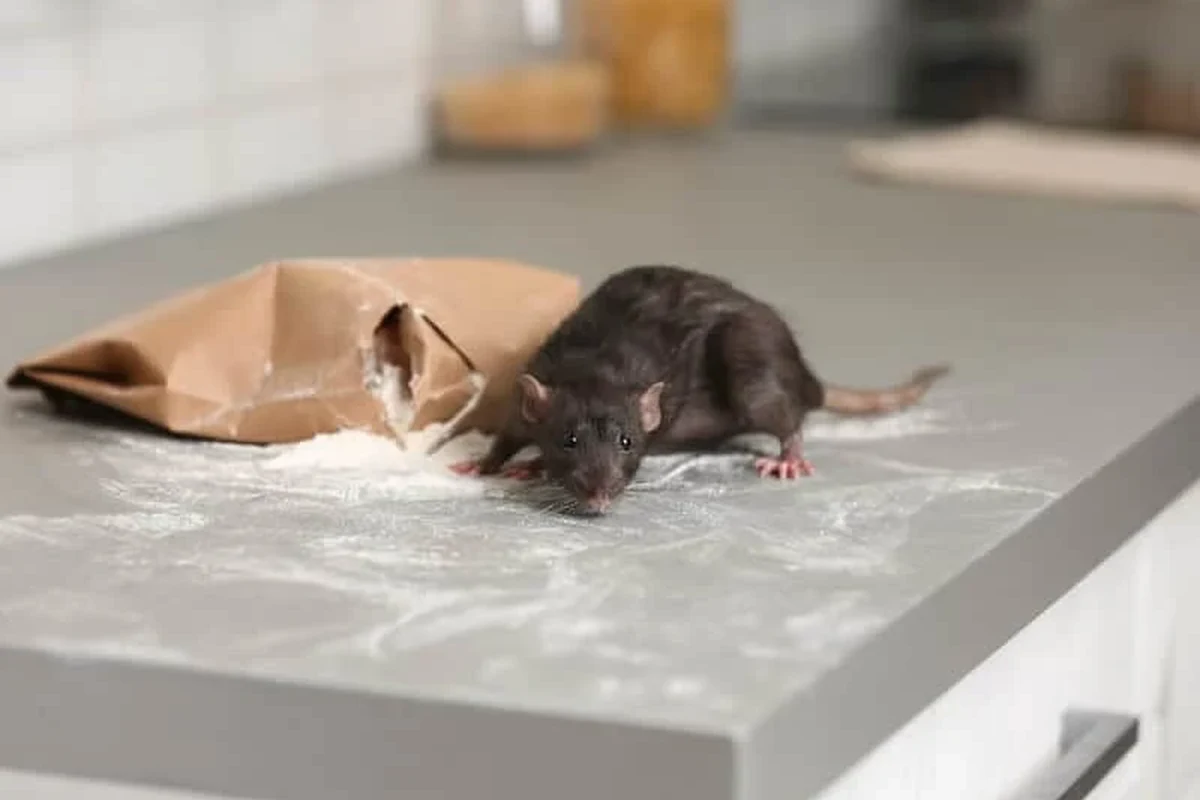
The idea behind this question is simple: people want a cheap household fix that avoids harsh poisons. In 2026, the topic keeps trending because DIY pest-control videos spread fast, especially in homes where people are worried about food safety and do not want toxic bait near ingredients.
What baking soda can do is react in a moist, acidic environment and release gas. What it cannot do is reliably kill rats in a real home setting, where bait intake is unpredictable and rodents often avoid new foods.
Do not assume a kitchen ingredient is automatically safe just because it is common in baking. Around pests, even harmless-seeming powders can create contamination, attract rodents, or be mistaken for food by children and pets.
If you are trying to understand the science behind household reactions, it helps to separate myth from chemistry. Our guide on the baking soda and vinegar reaction explains why gas release happens, but that same reaction does not make a reliable rodent control method.
Why this question keeps trending in 2026
Search interest rises whenever people want low-cost solutions for a sudden infestation. That is especially true in kitchens, garages, bakeries, and storage rooms where people are already thinking about cleanliness and food protection.
Social media also makes home remedies look simpler than they are. A method can sound convincing in a short video and still fail once you deal with real rodent behavior, hidden nesting sites, and repeated access to food.
What baking soda can and cannot do in pest control
Baking soda may be part of an internet DIY bait idea, but there is no strong reason to trust it as a stand-alone rat killer. Rats are cautious eaters, and they usually do not consume enough of a mixed bait for a predictable effect.
It also does not solve the larger problem: entry points, food sources, nesting material, and droppings. Even if a bait mix were eaten, the infestation can continue unless the home environment changes.
How Baking Soda Was Supposed to Work on Rats
The theory is that rats eat a bait containing baking soda, then gas builds up inside the digestive system. In theory, the pressure or internal disruption could harm the animal.
That explanation sounds neat, but it leaves out how rodents actually feed. Rats do not behave like a lab model, and they do not consistently eat a measured dose of a DIY mixture.
The gas-expansion theory explained simply
Baking soda can release carbon dioxide when it meets acid and moisture. In a baking context, that is useful because it helps batter rise and creates lighter texture in cakes, muffins, and quick breads.
In pest control, though, the same chemistry is much less dependable. A rat’s stomach contents, feeding pattern, and the amount consumed all vary, so the result is not consistent enough to count on.
Baking soda works so well in baking because recipe ingredients are measured and mixed carefully. Pest control is the opposite: you cannot control how much a rodent eats, when it eats, or whether it avoids the bait entirely.
Why rats are different from the internet myths
Rats are neophobic, which means they often avoid new food sources at first. That matters a lot because DIY bait depends on the animal choosing the mixture over everything else available in the environment.
They also forage along edges, behind appliances, and near walls, not in the open where people usually place homemade bait. So even a “good” idea can fail simply because it is placed where rats are unlikely to feed.
What makes this method unreliable in real homes
Home conditions are messy compared with a controlled experiment. Temperature, humidity, competing food smells, garbage access, pet food, and crumbs can all make rats ignore a baking soda bait.
There is also no easy way to know how much was eaten. That makes the result uncertain, and uncertainty is a poor match for a kitchen that needs fast, sanitary control.
Safety Risks of Using Baking Soda Around Rats, Pets, and Children
One of the biggest concerns is not whether the bait works, but what happens while you are trying. Any loose food-like mixture can be reached by pets, children, or other wildlife before a rodent ever touches it.
In a baking or prep area, that creates contamination risk. If you are already working with flour, sugar, butter, and raw ingredients, you do not want extra cleanup or unknown residue near surfaces that should stay food-safe.
Accidental exposure and contamination concerns
Baking soda itself is common in kitchens, but a DIY rat bait mixture is not the same as a clean pantry ingredient. Once it is mixed with attractants and placed around the home, it becomes a sanitation problem.
Open bait can spill into cracks, under appliances, or near stored dry goods. That can create a cleanup issue long after the original attempt.
Why DIY bait mixtures can create bigger problems
Many homemade pest ideas use food attractants like peanut butter, sugar, or cereal crumbs. Those ingredients can draw more pests if the bait is not controlled, especially in warm kitchen zones.
If you are storing baking ingredients in the same room where you suspect rodent activity, move all open foods into sealed containers before trying any control method. Focus on protecting the pantry first.
For readers who like to understand how common ingredients behave in the kitchen, our guide on using baking soda instead of baking powder safely shows how ingredient function changes when you change the recipe. That same principle applies here: a kitchen ingredient does not automatically become a pest-control product.
When a home remedy becomes a sanitation issue
Once bait is placed, you have to think about droppings, urine trails, and possible nesting material. Those are not just unpleasant; they are signs that the area needs a proper cleanup plan.
If the infestation is active, the longer you rely on a weak home remedy, the longer rodents can contaminate storage, chew packaging, and spread odor. In a baking environment, that can affect both safety and product quality.
Common Mistakes People Make When Trying Baking Soda for Rats
Most failures come from unrealistic expectations. People often assume that if a household ingredient is mixed correctly, the result will be fast and obvious.
Rodent control is rarely that neat. The biggest mistake is treating a complex infestation like a simple baking experiment.
Using the wrong bait ratios or unrealistic amounts
There is no trustworthy universal ratio that turns baking soda into a dependable rat solution. Too little may do nothing, while too much can make the mixture unappealing or messy.
Even if someone uses a large amount, that still does not guarantee the rats will eat it. The problem is not only the formula; it is the animal’s behavior.
Placing bait in open areas instead of rodent pathways
Rats usually move along walls, behind cabinets, and near hidden gaps. Putting bait in the middle of a room often means it sits untouched until it dries out, spills, or gets noticed by a child or pet.
In kitchens and baking rooms, open placement can also interfere with normal work. You should never place loose bait where food prep, storage, or cleaning happens.
Assuming a home remedy will solve an active infestation
One trap, one bait, or one powder is rarely enough. If you are seeing repeated droppings, gnaw marks, or nighttime movement, the colony may already be established.
At that point, the safest plan is to treat the issue as a pest-management problem, not a DIY science project. A weak remedy can delay real action and make the cleanup harder.
- Cheap and easy to find in most kitchens
- Uses a familiar household ingredient
- May appeal to people looking for non-chemical options
- Unreliable against real rat behavior
- Can create contamination and cleanup problems
- May delay safer pest-control steps
Better Ways to Handle a Rat Problem in a Baking or Kitchen Space
If rats are showing up near ingredients or prep counters, the first goal is to remove what attracts them. That usually means tightening sanitation, sealing access, and using a control method that is actually designed for rodents.
These steps are more practical than hoping a powder mixture will work. They also fit the way a kitchen should function: clean, sealed, and easy to monitor.
Sanitation habits that reduce food attraction
Wipe crumbs, sweep floors, and clean under appliances where food tends to collect. Empty trash regularly and keep lids closed.
Store flour, sugar, grains, and mixes in sealed containers instead of thin bags or torn boxes. That is especially important in baking spaces, where dry goods are often kept in bulk.
Think like you would when protecting delicate pastry ingredients: if air, moisture, or pests can reach it, the ingredient is at risk. Tight storage helps prevent both spoilage and rodent access.
Sealing entry points and protecting dry goods
Look for gaps around pipes, vents, baseboards, and door thresholds. Rats can enter through surprisingly small openings, so even a tiny gap can matter.
Use sturdy containers for ingredients and keep cardboard packaging to a minimum. Cardboard is easy for rodents to chew and can hide droppings or nesting material.
Traps, exclusion, and when professional pest control is the safer choice
Snap traps, enclosed traps, and exclusion work better than improvised bait because they are designed for the job. They still need careful placement, regular checking, and safe handling.
If you are uncertain about the infestation, or if the area is connected to food production, a licensed pest professional may be the safer choice. For health and sanitation concerns, follow recognized guidance from public health or food safety authorities such as the USDA or FDA where appropriate.
If you want more food-safe cleaning context, our article on baking soda and vinegar cleaning ovens explains how to use common ingredients for cleaning, not pest control. Cleaning and rodent elimination are related only in the sense that both depend on a sanitary kitchen.
What Baking Pastry Schools Teaches About Food-Safe Pest Prevention
At Baking Pastry Schools, we look at kitchen issues through a food-safety lens. In a baking environment, pest prevention is not just about comfort; it protects ingredients, equipment, and the quality of finished products.
Whether you are a home baker, a student, or a small bakery owner, the same basic habits apply: keep food sealed, clean up promptly, and watch for signs of contamination early.
Protecting ingredients, storage areas, and prep surfaces
Dry ingredients should be stored off the floor and away from walls when possible. This makes it easier to inspect for droppings, chew marks, or torn packaging.
Prep surfaces should be cleaned before and after use, especially in shared kitchens. If rodents have been present, surfaces and nearby storage may need more than a quick wipe-down.
Keeping baking environments compliant and hygienic
Good kitchen hygiene supports both safety and consistency. In baking, moisture control, clean storage, and regular inspection all help protect leavening agents, flour quality, and finished texture.
That same discipline is useful for pest prevention. A tidy, sealed kitchen gives rodents fewer reasons to stay and fewer places to hide.
Practical examples for home bakers, students, and small bakery owners
A home baker may notice a torn flour bag in the pantry and should replace it immediately, then clean nearby shelves and check for entry points. A student in a shared kitchen should report droppings or gnawing right away instead of assuming it will go away.
Small bakery owners should document sightings, protect inventory, and bring in professional help quickly if there is any sign that food-contact areas may be affected. For business settings, the cost of delay is usually higher than the cost of early intervention.
When to Stop DIY and Choose a Professional or Humane Solution
DIY methods have limits, and rats often expose those limits quickly. If the problem keeps returning, the home remedy is not solving the source.
At that point, the safest approach is to stop experimenting and switch to a method that protects people, pets, and food areas.
Signs the infestation is larger than a home remedy can manage
Frequent droppings, scratching in walls, chewed packaging, greasy rub marks, and repeated sightings are all signs the problem may be established. If you are finding evidence in more than one room, the issue is likely bigger than a single bait attempt.
Strong odors or nesting material in hidden areas also suggest that cleanup and exclusion need to happen together. A product that only targets one rat will not fix the environment that attracted it.
Situations where pets, children, or food production raise the stakes
If pets or children live in the space, loose bait becomes a serious concern. The same is true in kitchens where ingredients, utensils, and prep surfaces are exposed daily.
In food production settings, the safest option is usually the one that reduces contamination risk first. That may mean professional pest control, humane trapping, or a combination of exclusion and sanitation rather than a DIY powder mix.
Final recap: the safest answer to does baking soda kill rats
The safest answer is no, not reliably. Baking soda is a baking ingredient, not a dependable rat control method, and using it as bait can create sanitation and safety problems without solving the infestation.
If rats are near your baking space, focus on sealing entry points, removing food access, cleaning thoroughly, and choosing a proven pest-control approach. That is the practical way to protect your kitchen, your ingredients, and the people who use the space.
- Remove exposed food and seal dry goods
- Check for droppings, chew marks, and entry gaps
- Use traps or professional help instead of loose DIY bait
- Clean and disinfect affected storage and prep areas
Frequently Asked Questions
It is not a dependable method. Rats may avoid the bait, eat too little, or leave you with a contamination problem instead of a solution.
Not as loose bait. Any DIY mixture can be reached, spilled, or mistaken for food, so it is safer to keep ingredients sealed and use proper pest-control methods.
Start with sanitation, sealed storage, and closing entry points. Then use traps or professional pest control if the problem is active.
The idea comes from a gas-expansion theory, but real-world rat behavior makes the method unreliable. Rodents do not consistently eat enough of a DIY bait for predictable results.
Yes. Remove any leftover bait carefully, clean the area, and check nearby storage for droppings or contamination.
Call a professional if you see repeated signs of activity, multiple entry points, or rodent issues near food prep areas. That is especially important in homes with pets, children, or bakery equipment.