
Is Baking Soda Gluten Free What You Need to Know

Yes, plain baking soda is generally gluten free. The real concern is cross-contact from manufacturing, packaging, or shared kitchen handling.
If you are asking “is baking soda gluten free,” the short answer is yes, plain baking soda is generally gluten free. The main caution is not the sodium bicarbonate itself, but the way it is packaged, handled, or blended with other ingredients.
- Plain ingredient: Sodium bicarbonate itself does not contain gluten.
- Main risk: Cross-contact can happen in production, storage, or measuring.
- Best label check: Look for plain ingredients and a gluten-free or certified gluten-free claim.
- Safer kitchens: Use separate tools, sealed storage, and clean measuring habits.
- Best practice: Choose certified gluten free for celiac disease or high-risk shared spaces.
What Baking Soda Is and Why Its Gluten Status Matters
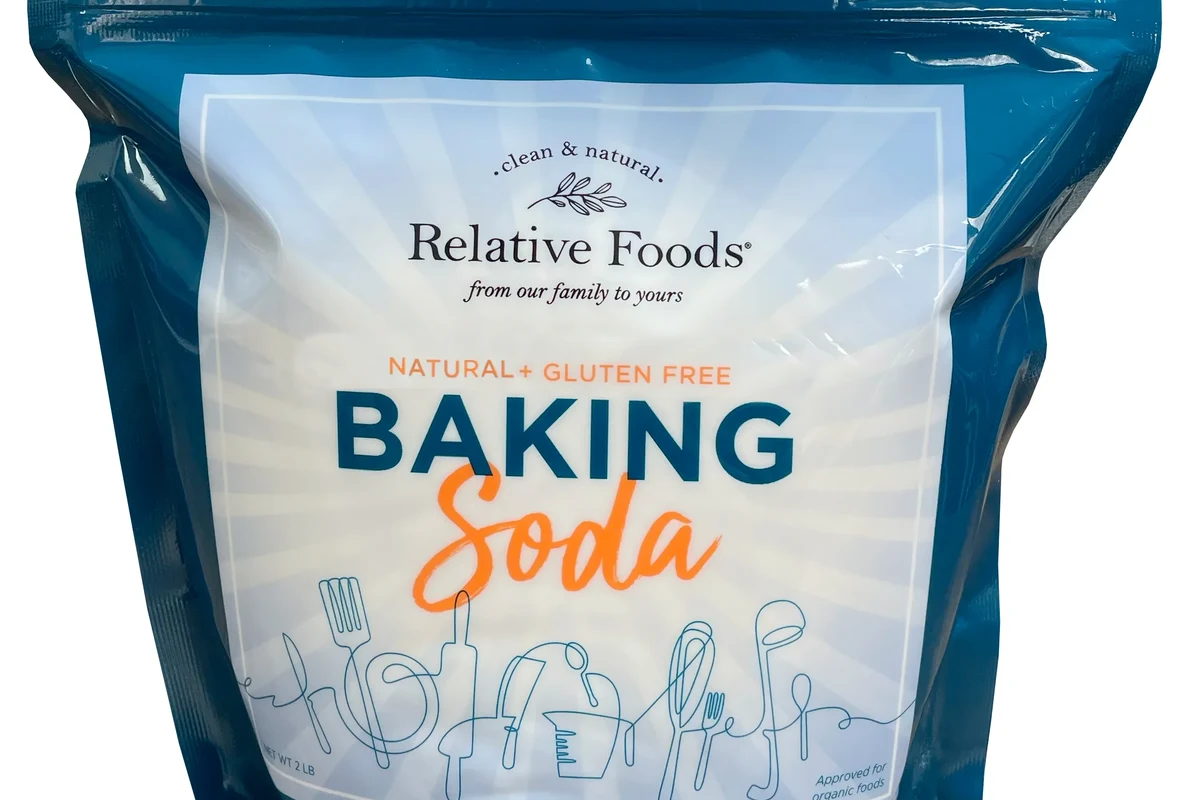
Baking soda is sodium bicarbonate, a simple chemical leavener used to create lift in baked goods. It reacts with an acid and moisture to release carbon dioxide, which helps batters rise and gives cookies, cakes, and quick breads a lighter crumb.
Its gluten status matters because gluten-free baking depends on every ingredient being safe, not just the flour. A small amount of contamination can matter for people with celiac disease or strong gluten sensitivity, especially in schools, shared kitchens, and bulk ingredient settings.
How baking soda differs from baking powder and other leaveners
Baking soda is one ingredient. Baking powder is a blend that usually includes baking soda plus one or more acids and a starch, so it has more points where gluten cross-contact can happen. That does not mean baking powder is unsafe by default, but it does mean it deserves a closer label check.
Yeast, whipped egg whites, steam, and mechanical aeration are other ways to add lift. They do not behave the same way as baking soda, and they do not replace it in recipes that need a quick chemical reaction.
Why gluten-free shoppers need to check every ingredient, even simple ones
Gluten-free baking is often about trust, not complexity. Even a basic ingredient can become a risk if it is processed on shared equipment, repackaged in a facility that also handles wheat, or scooped from a contaminated container.
This is why careful bakers read labels on salt, spices, cocoa, and leaveners, not only on flour. If you are building a gluten-free method from the ground up, our guide to does air fryer use a lot of electricity is not related to ingredients, but it reflects the same habit of checking details before you buy or bake.
Is Baking Soda Gluten Free in 2026?
In 2026, plain baking soda is still usually gluten free. Sodium bicarbonate is not made from wheat, barley, or rye, so the ingredient itself does not contain gluten in its natural form.
What the ingredient itself is made from
Baking soda is an alkaline compound used in food and cleaning products. The core ingredient is not a grain product, which is why plain baking soda is widely considered safe for gluten-free baking when it is sold as a single-ingredient item.
That said, “usually safe” is not the same as “always safe.” The final answer still depends on the exact brand and package you buy.
How manufacturing, packaging, and anti-caking additives can affect gluten risk
Most baking soda is produced as a simple, refined ingredient, but gluten risk can enter later in the supply chain. Shared lines, shared scoops, warehouse dust, and repackaging can all create cross-contact concerns.
Some brands may also include anti-caking or flow agents in specialty products, and those extra ingredients should be checked carefully. If a package is not plain sodium bicarbonate, the gluten-free question becomes a label-reading question, not just an ingredient question.
For people with celiac disease, the safest choice is often a product that clearly states “gluten free” or carries a certified gluten-free seal from a recognized certifier. If the package is vague, treat it as a product to verify, not assume.
When “gluten free” labeling is helpful and when it is not enough
A gluten-free label is helpful because it gives you a clearer signal about the maker’s controls and testing practices. It is especially useful for school kitchens, bakeries, and home bakers who want a lower-risk choice without investigating the whole supply chain themselves.
Still, a label is not magic. You should also check the ingredient statement, allergen statement, and whether the product is certified, because labeling practices vary by brand and region.
How to Read Labels on Baking Soda Products
Label reading is the most practical skill for answering is baking soda gluten free in real life. The package should tell you whether you are buying plain sodium bicarbonate or a blended product with extra ingredients.
Ingredient lists, allergen statements, and certified gluten-free seals
Start with the ingredient list. If it says only sodium bicarbonate, that is a good sign, but you should still look for a gluten-free claim if you need a stricter standard.
Allergen statements can also help, though they are not a full gluten test. A certified gluten-free seal is stronger than a vague marketing claim because it usually means the product has met a defined standard and has been reviewed by a certifying body.
Plain baking soda often works the same way in regular and gluten-free recipes because its job is chemical lift, not gluten development. The difference is in the surrounding ingredients and how carefully they are handled.
What to look for on bulk, store-brand, and industrial baking soda packages
Bulk bins are the highest-risk option for cross-contact because scoops, ladles, and nearby ingredients can all transfer traces of wheat flour. Store-brand products can be perfectly fine, but they deserve the same label check as national brands.
Industrial or foodservice packaging may be sold in large bags with less consumer-friendly wording. In that case, ask the supplier directly whether the product is gluten free, whether it is produced on shared lines, and whether documentation is available for school or commercial use.
Common label red flags that suggest possible cross-contact
Watch for unclear statements like “processed in a facility that also handles wheat” if you are shopping for someone with celiac disease. Also be cautious with products that list several ingredients you do not recognize, especially if the package is not specifically marketed for gluten-free use.
If the package has no ingredient panel, no allergen statement, and no gluten-free claim, you have less information to work with. That does not prove the product contains gluten, but it does mean you should verify before using it in a gluten-free kitchen.
For severe gluten sensitivity or celiac disease, label reading is not enough if the product is handled in a shared pantry. Cross-contact can happen after purchase, during storage, or while measuring.
Cross-Contact Risks in Home and Professional Baking
Even a gluten-free ingredient can become unsafe if it touches contaminated tools or surfaces. This is one reason baking schools and home kitchens need clear storage habits, separate utensils, and careful workflow.
Shared scoops, contaminated storage containers, and flour-dust exposure
A shared scoop is one of the most common problems. If a spoon has touched wheat flour, then goes into baking soda, the contamination can spread to the whole container.
Flour dust is another issue in busy kitchens. When wheat flour is measured nearby, tiny particles can settle on open containers, bench tops, or measuring cups that will later be used for gluten-free baking.
Why a gluten-free pantry setup matters for baking schools and home bakers
A dedicated gluten-free pantry setup reduces guesswork. Separate containers, labeled utensils, clean shelves, and closed storage all help keep ingredients safer and easier to manage.
This matters in baking schools because students often move quickly between stations. A simple system, such as clearly marked gluten-free bins and color-coded tools, can prevent accidental mix-ups before they start.
Practical examples of safe measuring and handling practices
Use a dry, clean spoon to transfer baking soda from the container to a measuring spoon, or pour a small amount into a separate bowl before measuring. Do not measure directly over a bowl of flour, where spills can fall back into the container.
Keep the lid closed when baking soda is not in use. If you suspect contamination, replace the container rather than trying to “clean” it, because powdery ingredients are difficult to decontaminate completely.
In a shared kitchen, label gluten-free baking soda with the date opened and keep it away from flour, breadcrumbs, and pastry dust. A sealed container on a separate shelf is safer than a communal drawer or open bin.
How Baking Soda Works in Gluten-Free Baking
Baking soda can be especially useful in gluten-free baking because gluten-free batters often need extra help with lift and spread. Since there is no gluten network to trap gas the same way wheat dough does, the formula has to do more of the structural work.
Its role in lift, browning, and texture without gluten structure
In gluten-free recipes, baking soda helps create rise, encourages browning, and can improve tenderness. It is often used in cookies, muffins, and cakes where a softer crumb is desirable.
Because gluten-free batters may rely on starches, eggs, gums, or alternate flours for structure, the leavening needs to be balanced carefully. Too little soda can leave the bake dense; too much can create an uneven rise or a soapy aftertaste.
Why precise measurement matters more in gluten-free batters and doughs
Precision matters because gluten-free batters are less forgiving. A slight excess of baking soda can change flavor and color quickly, especially in recipes that already include acidic ingredients like yogurt, buttermilk, vinegar, citrus juice, or brown sugar.
Use level measuring spoons and avoid guessing. Ingredient brand, humidity, altitude, and flour blend can all change the final result, so a recipe that works in one kitchen may need small adjustments in another.
Common mistakes that cause flat, bitter, or soapy results
One common mistake is using baking soda without enough acid to activate it. Another is overmixing the batter, which can collapse the air you worked to create and make the finished bake heavy.
Flat results can also come from old baking soda or from an oven that runs cool. Bitter or soapy flavors usually point to too much soda, uneven mixing, or a formula that was not balanced for the amount of acid in the recipe.
Your gluten-free cake rises fast, then sinks or tastes slightly soapy.
Check the soda amount, make sure the recipe includes enough acid, and verify your oven temperature with an oven thermometer if results keep changing.
Best Uses for Gluten-Free Baking Soda in Everyday Baking
Baking soda performs best in recipes where you want quick lift and some browning. It is a dependable tool for everyday baking, as long as the formula includes the right supporting ingredients.
Cakes, cookies, quick breads, and other applications where it performs well
Cookies often benefit from baking soda because it helps spread and promotes browning. Quick breads like banana bread, pumpkin bread, and zucchini bread also use it well because their batters usually contain moisture and some natural acidity.
Cakes and muffins can also use baking soda, especially when the recipe includes buttermilk, yogurt, sour cream, molasses, or citrus. In these recipes, the reaction starts as soon as the wet and dry ingredients meet, so the batter should go into the oven without long delays.
Baking soda helps with spread and browning, which gives cookies a more even edge and a softer center when the recipe is balanced well.
These batters often have enough moisture and acidity to activate baking soda quickly and support a tender crumb.
When baking soda needs an acid partner for proper activation
Baking soda needs acid to do its job well. Common partners include buttermilk, yogurt, vinegar, lemon juice, cocoa that is naturally acidic, brown sugar, and molasses, though the exact balance depends on the recipe.
If a recipe calls for baking soda alone, the formula may already contain enough acidic ingredients. If not, the soda may remain partly unreacted, which can affect flavor and texture.
Storage, freshness, and how to test whether it still works
Store baking soda in a sealed container in a cool, dry place. Moisture, odors, and time can reduce quality, especially if the package has been opened for a long period.
If you are unsure whether it is fresh, a simple test is to combine a small amount with vinegar or another strong acid. A lively fizz suggests it is still active, though this is only a practical kitchen check, not a laboratory test.
- Confirm the package is plain sodium bicarbonate or clearly labeled gluten free
- Use a separate, clean measuring spoon
- Check that the recipe includes enough acid for activation
- Keep the container sealed and away from flour dust
What Baking Pastry Students and At-Home Bakers Should Verify Before Buying
Students and home bakers should treat baking soda like any other ingredient used in a gluten-free setup: simple, but worth verifying. That is especially true in kitchens that serve multiple dietary needs.
Questions to ask brands, retailers, and school supply lists
Ask whether the product is certified gluten free, whether it is made on shared equipment, and whether the supplier can provide current ingredient information. For school supply lists, verify whether the program expects students to bring their own ingredients or use shared lab stock.
If you are comparing school tools or appliance guidance alongside ingredient planning, it can also help to review practical kitchen articles such as do air fryers need to preheat for the same habit of checking the details that affect results.
How to choose baking soda for gluten-free labs, classes, and kitchens
For a gluten-free lab, choose a plainly labeled product with a clear ingredient statement and, when possible, a certified gluten-free claim. Keep one container dedicated to gluten-free work instead of sharing with general pantry ingredients.
In teaching kitchens, consistency matters. The same brand and package size can reduce variation, while a shared ingredient library should be organized so students can find verified products quickly.
Safety considerations for people with celiac disease or severe gluten sensitivity
For celiac disease, the safest approach is to use products that are explicitly labeled or certified gluten free and to prevent cross-contact after purchase. That means separate storage, clean tools, and careful handling at every step.
For severe sensitivity, medical questions should be discussed with a qualified professional. Product labels and manufacturer statements are important, but they are not a substitute for personal medical guidance when symptoms are serious.
Final Verdict: Choosing Baking Soda With Confidence for Gluten-Free Baking
Plain baking soda is usually fine for gluten-free baking, and in many kitchens it is one of the simplest ingredients to use safely. The main risks come from manufacturing, packaging, and cross-contact after the product reaches your kitchen.
When standard baking soda is usually fine and when to buy certified gluten free
If the package is a single-ingredient sodium bicarbonate product from a brand you trust, standard baking soda is often suitable for general gluten-free baking. If you are baking for someone with celiac disease, a certified gluten-free product is the more cautious choice.
Buy certified gluten free when the ingredient will be used in a shared kitchen, a baking class, or a home pantry where flour dust and shared tools are hard to control. That extra step can reduce uncertainty even when the ingredient itself is naturally gluten free.
Recap of the safest buying and handling approach for 2026
For 2026, the safest approach is straightforward: choose plain baking soda, read the label carefully, prefer certified gluten-free products when the risk level is high, and store it in a clean, dedicated container. Use accurate measuring, keep it away from flour dust, and pair it with the right acid so your gluten-free bakes rise properly.
If you follow those steps, baking soda can be a reliable part of gluten-free cakes, cookies, muffins, and quick breads. The ingredient itself is simple; the safety comes from how carefully you buy, store, and use it.
Plain baking soda is generally gluten free, but the safest choice depends on the exact brand, label, and kitchen setup. For higher-risk situations, choose certified gluten free and keep the ingredient separate from shared tools and flour dust.
Frequently Asked Questions
Yes, plain baking soda is generally gluten free because sodium bicarbonate is not made from wheat, barley, or rye. The main concern is cross-contact during manufacturing, packaging, or storage.
Certified gluten-free baking soda is the safer choice for celiac disease, shared kitchens, or high-risk settings. For lower-risk home use, a clearly labeled plain product may be enough if the brand is trusted.
Yes, contamination can happen if the product is processed on shared equipment, repackaged, or handled with shared scoops. Contamination can also happen after purchase if it is stored with flour or used with dirty utensils.
Fresh baking soda should react strongly with an acid such as vinegar. If the fizz is weak or delayed, replace it for better baking results.
That usually means there was too much baking soda, not enough acid, or uneven mixing. Old baking soda or an inaccurate oven temperature can also affect flavor and texture.
No, baking powder is a blend that usually includes baking soda plus acids and starches. Because it has more ingredients, it needs a separate gluten-free label check.