
Is Bicarbonate of Soda Baking Soda Explained Simply

Yes, bicarbonate of soda is baking soda. It is the same ingredient with different regional names.
If you have ever wondered is baking soda and baking powder the same, the short answer is yes: bicarbonate of soda is baking soda. It is the same ingredient, just called by different names in different places.
- Same ingredient: Bicarbonate of soda, baking soda, and sodium bicarbonate refer to the same baking base.
- Needs acid: It works best when the recipe includes an acidic ingredient and moisture.
- Measure carefully: Small overages can cause bitter flavor, dark color, and excess spread.
- Check freshness: Store it dry and test it if you are unsure it still reacts.
- Use by recipe: It is not a direct swap for baking powder unless the formula is adjusted.
What “Bicarbonate of Soda” Means in Baking and Why It’s Called Baking Soda
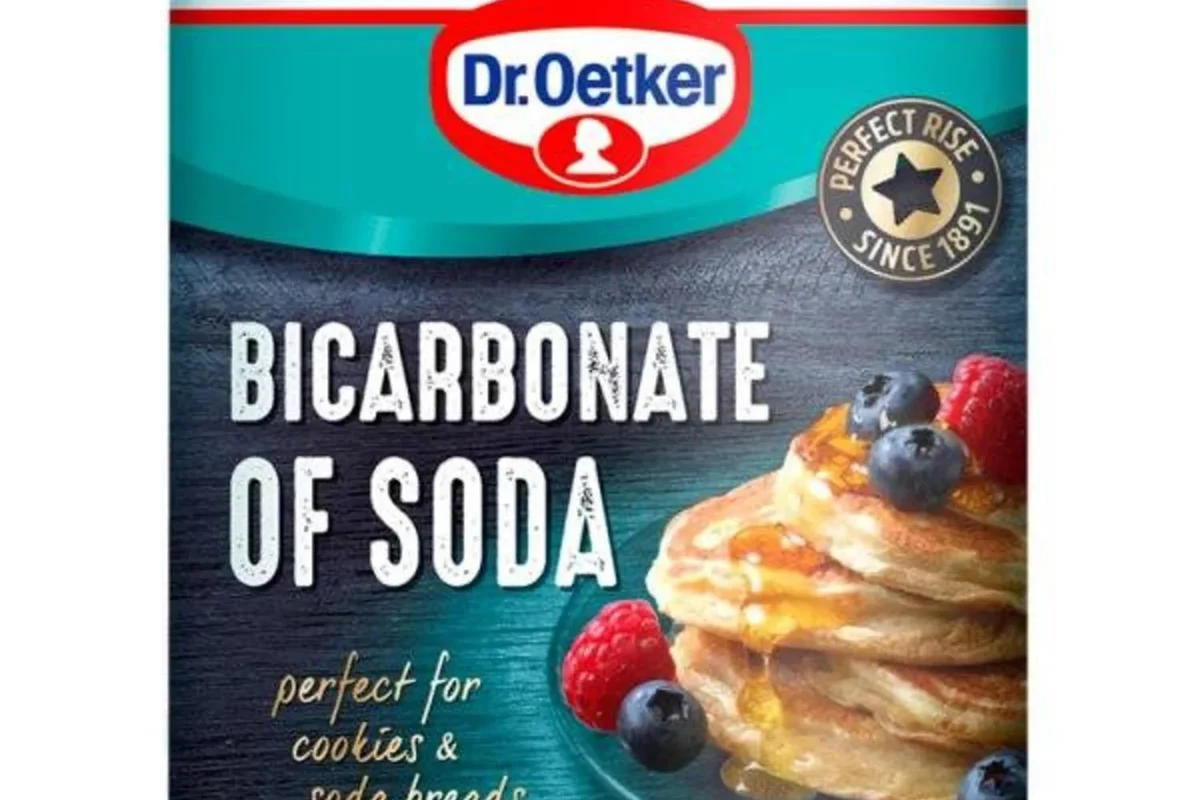
Bicarbonate of soda is the full chemical name for a basic baking ingredient used to help batters and doughs rise. In everyday kitchen language, most people shorten that to baking soda.
You may also see the name sodium bicarbonate on labels. That is the ingredient’s chemical name, and it is the same substance used in baking, cleaning, and some other household tasks.
How the names differ by region: bicarbonate of soda, baking soda, and sodium bicarbonate
In the United States, recipes usually say baking soda. In the United Kingdom, Ireland, Australia, and some other regions, bicarbonate of soda is more common.
On packaged ingredients, sodium bicarbonate is often the most precise label. If a recipe asks for any of these names in a baking context, it usually means the same thing.
Do not confuse bicarbonate of soda with baking powder. Baking powder already contains an acid plus a base, while bicarbonate of soda is only the alkaline ingredient and needs the right recipe conditions to work well.
Why this ingredient matters in modern baking-school basics
Any baking class that covers quick breads, cookies, muffins, or cakes should explain bicarbonate of soda early. It is one of the easiest ways to understand how acids, moisture, and heat create lift in baked goods.
It also teaches a useful habit: read recipes carefully and measure accurately. Even a small error can change spread, rise, color, and taste.
How Bicarbonate of Soda Works as a Leavening Agent
Bicarbonate of soda is a leavening agent, which means it helps baked goods become lighter by producing gas. That gas forms bubbles in the batter or dough, and those bubbles expand during baking.
The chemical reaction with acids and moisture
For bicarbonate of soda to begin working, it needs moisture and an acidic ingredient. When the two meet, the ingredient releases carbon dioxide gas.
That reaction starts as soon as the batter is mixed, so recipes that use it often need to go into the oven without much delay. If a batter sits too long, some of the gas can escape before baking begins.
Bicarbonate of soda also raises the pH of a batter slightly. That can affect browning, which is one reason cookies and chocolate cakes made with it often bake up darker.
What happens when heat is added in the oven
Once the batter enters the oven, heat expands the gas bubbles already formed. The batter sets around those bubbles as starches gelatinize and proteins firm up, which locks in the structure.
If the recipe has the right balance of ingredients, the final result is a lighter crumb and a more open texture. If the balance is off, the baked good may rise poorly or taste odd.
Examples of ingredients that activate it in common bakes
Common acidic ingredients include buttermilk, yogurt, sour cream, molasses, brown sugar in some recipes, natural cocoa powder, lemon juice, vinegar, and cream of tartar. Not every one of these is strongly acidic on its own, but they can all help activate bicarbonate of soda in the right formula.
If you want a deeper look at the reaction itself, our guide to the baking soda and vinegar reaction shows the same gas-producing principle in a simple example.
When to Use It in Cakes, Cookies, Muffins, and Other Bakes
Bicarbonate of soda works best in recipes that already include an acid. In those bakes, it helps with lift, browning, and sometimes flavor balance.
Typical batter and dough situations where it performs best
It is especially useful in cookie doughs, muffin batters, gingerbread, chocolate cake, and quick breads. These recipes often benefit from a little spread, a tender crumb, and a warm browned color.
In cookie dough, for example, the ingredient can encourage spreading and a crisper edge. In muffins, it can help create a lighter rise when the batter is mixed gently and baked promptly.
The dough often includes brown sugar or cocoa, which can support the soda’s reaction and deepen color.
The acid in buttermilk pairs well with bicarbonate of soda for a quick, reliable rise.
How it differs from baking powder in practical use
Baking powder contains bicarbonate of soda plus one or more acids, so it can work even when a recipe has little or no acidic ingredient. That makes it more forgiving in some cakes and biscuits.
Bicarbonate of soda is more specific. It is powerful, but it depends on the rest of the recipe. If the acid is missing, the result may not rise as expected and may taste soapy or metallic.
The main difference is that bicarbonate of soda needs acid from the recipe, while baking powder brings its own acid with it.
Soda Only
Best for recipes with acidic ingredients and for stronger browning. Less forgiving if the formula is unbalanced.
VS
Complete Leavener
Best for recipes without much acid. Usually easier for beginners when the formula calls for it.
What happens when a recipe has no acidic ingredient
If a recipe uses bicarbonate of soda without enough acid, the soda may not fully react. That can leave a harsh taste and a darker, sometimes coarse crumb.
In some recipes, a small amount of soda is added mainly for browning rather than major lift. But that only works when the recipe is designed for it.
How to Measure and Substitute Bicarbonate of Soda Correctly
Because bicarbonate of soda is strong, small measuring errors matter. Too much can change flavor quickly, while too little can leave a bake dense or flat.
Standard measuring amounts and why small errors matter
Always level the spoon, unless the recipe says otherwise. A heaped teaspoon can be enough to push a delicate cake or cookie out of balance.
For beginners, it helps to use the exact amount listed in the recipe rather than estimating. In baking, “close enough” is often not close enough.
Safe substitution guidance when a recipe says baking soda
If a recipe says baking soda, you can usually use bicarbonate of soda directly because they are the same ingredient. The main question is not the name, but whether the recipe has enough acid to support it.
If you are comparing ingredient labels or trying to confirm a swap, our article on using baking soda instead of baking powder safely explains why the substitution is not always one-to-one.
What to do if you only have bicarbonate of soda on hand in a mixed recipe
If a recipe calls for baking powder but you only have bicarbonate of soda, do not swap automatically. You usually need an added acid, and the amount depends on the recipe’s structure and flavor.
For mixed recipes, a better approach is to check whether the batter already contains acidic ingredients such as yogurt, buttermilk, citrus, or natural cocoa. If it does not, the recipe may need a different leavener rather than a simple replacement.
Do not assume a substitution will work just because the ingredient names sound similar. Incorrect leavening can affect texture, taste, and even pan overflow during baking.
Common Baking Problems Caused by Too Much or Too Little Baking Soda
Most baking soda problems come from balance. The ingredient is useful, but it is not forgiving when the recipe proportions are off.
Soapy taste, dark color, and spreading from overuse
Too much bicarbonate of soda can leave a soapy or bitter aftertaste. It can also create an overly dark color and, in cookies, extra spreading.
That happens because excess alkaline ingredient affects flavor and weakens the recipe’s intended balance. In cakes, it may also create a rough or uneven crumb.
Cookies spread too much and taste a little bitter or soapy.
Check the measuring spoon, review the acid level in the recipe, and confirm that the recipe actually calls for baking soda rather than baking powder.
Flat texture and poor rise from underuse
Too little bicarbonate of soda can leave muffins heavy and cakes compact. You may also notice weaker browning and a paler finish than expected.
In quick breads, the crumb can seem tight or under-aerated. The bake may still be edible, but it will likely feel less light and less balanced.
How to tell whether the issue is the soda, the acid, or the mixing method
If the recipe has enough soda but not enough acid, the flavor may seem dull or slightly chemical. If the acid is fine but the batter was overmixed, the problem may be gluten development rather than leavening.
When a bake is flat, check the full process: ingredient freshness, spooning method, mixing time, oven temperature, and whether the batter sat too long before baking. A problem in one of those areas can look like a soda issue even when it is not.
Storage, Freshness, and Safety for Home Bakers
Bicarbonate of soda stores well, but it still benefits from dry, sealed storage. Moisture is the main thing that can reduce its reliability over time.
How to store bicarbonate of soda so it stays effective
Keep it in a tightly closed container away from steam, splashes, and strong odors. A cool, dry pantry shelf is usually a good choice.
Do not store it open near the stove or sink, where humidity changes often. That can cause clumping and reduce confidence in the ingredient’s performance.
How to check freshness before baking
If you are unsure whether your bicarbonate of soda is still active, test a small amount with an acidic liquid such as vinegar or lemon juice. A quick fizz means the ingredient is still reacting.
For more storage guidance, see our article on whether baking soda expires and when to replace it. That is especially useful if the box has been in the pantry for a long time.
Food safety and handling notes for beginners and students
Bicarbonate of soda itself is not a high-risk ingredient, but kitchen safety still matters. Wash hands, keep measuring tools clean, and avoid cross-contamination with allergens if you are baking for others.
If you are working in a classroom or shared kitchen, label containers clearly and keep leaveners separate from cleaning products. Baking soda used for food should not be confused with any container used for cleaning.
If a recipe uses hot pans, boiling syrups, or acidic ingredients that can splash, handle the batter carefully and keep your workspace dry. Slippery counters and rushed mixing are common beginner mistakes in busy kitchens.
Practical Examples of Bicarbonate of Soda in Everyday Baking
The easiest way to understand bicarbonate of soda is to see where it shows up in familiar recipes. It is common in bakes that need lift, browning, or a little spread.
Cookies, quick breads, and chocolate cakes that rely on it
Classic chocolate chip cookies often use bicarbonate of soda for spread and color. Banana bread, pumpkin bread, gingerbread, and many chocolate cakes also rely on it for a tender, slightly open crumb.
In these recipes, the soda is not working alone. It is part of a formula that includes sugar, fat, flour, moisture, and usually an acid.
Why it is often used in recipes with buttermilk, yogurt, molasses, or citrus
These ingredients bring acidity, which gives bicarbonate of soda something to react with. That reaction helps create rise while also softening the final texture.
Molasses and brown sugar can also contribute to flavor and color, which is why gingerbread and spice cakes often look and taste better when soda is used correctly. If you want to understand ingredient naming in another context, our guide on baking soda in Spanish can help with recipe labels and translation.
Simple classroom-style examples that show the difference in texture and rise
A useful classroom demonstration is to compare two small muffin batters that are otherwise similar: one with an acidic dairy ingredient and baking soda, and one without the acid. The first batter usually rises more evenly and browns more readily.
Another good comparison is a cookie dough made with the right amount of soda versus one with too much. The over-soda version often spreads more, darkens faster, and leaves a sharper aftertaste.
Measure the soda carefully, then mix the batter only as long as needed to combine.
Place the pan in a properly preheated oven so the gas bubbles can expand before the structure sets.
Let the bake cool enough to finish setting before slicing, removing, or judging the crumb.
Final Decision: Is Bicarbonate of Soda Baking Soda, and What Should Bakers Remember?
Yes, bicarbonate of soda is baking soda. In baking, the names refer to the same ingredient, and the important part is how it fits into the recipe.
Clear recap for students choosing ingredients confidently
Remember three simple points: bicarbonate of soda needs acid, it reacts quickly once mixed, and small measuring errors can change the final bake. If you keep those rules in mind, you will choose and use it more confidently in cakes, cookies, muffins, and quick breads.
For students building baking-school basics, this is one of the most useful ingredients to understand because it connects science with real kitchen results. It is also a good reminder to read recipes closely and verify the leavener before you start.
Common mistakes to avoid in school kitchens and home baking
Do not swap it blindly for baking powder. Do not overmeasure it. Do not let a mixed batter sit too long if the recipe depends on an immediate reaction.
Also, do not assume every recipe needs the same amount of acid or the same baking time. Oven calibration, pan size, humidity, ingredient brand, and mixing method can all change the final result. When in doubt, follow the recipe closely and adjust only after you understand what each ingredient is doing.
- Use bicarbonate of soda in recipes with acidic ingredients.
- Measure it level and accurately.
- Bake the batter soon after mixing when the recipe depends on a fast reaction.
- Replacing it with baking powder without checking the recipe.
- Using old, damp, or clumped ingredient without testing it.
- Assuming a chemical name change means a different ingredient.
When you understand that bicarbonate of soda and baking soda are the same thing, recipe reading becomes much easier. From there, the real skill is learning when the ingredient belongs in the formula and when another leavener is the better choice.
Frequently Asked Questions
Yes. In baking, bicarbonate of soda and baking soda are the same ingredient. The different names are mainly regional.
Not directly in most recipes. Baking powder contains its own acid, while bicarbonate of soda usually needs an acidic ingredient in the recipe to work properly.
Bicarbonate of soda can affect pH, browning, and spread. In the right amount, it helps cookies brown and spread; too much can make them spread too far.
Test a small amount with an acidic liquid such as vinegar or lemon juice. If it fizzes quickly, it is still active enough for baking.
Too much can leave a soapy or bitter taste, darker color, and excessive spread. It can also create a rough texture in cakes and cookies.
Common activators include buttermilk, yogurt, sour cream, molasses, natural cocoa powder, citrus juice, and vinegar. The recipe must be balanced so the soda has enough acid to react.