
Baking Soda Armpit Odor Fix That Really Works

Baking soda can help reduce armpit odor by neutralizing odor-causing compounds, but it does not stop sweating. Use a small amount on dry skin and stop if it irritates your underarms.
Baking soda can help reduce armpit odor by changing the skin’s surface chemistry so odor-causing compounds are less noticeable. Used carefully, it can be a simple, low-cost fix for mild to moderate odor, but it is not the best choice for everyone.
- Works on odor: Baking soda helps neutralize smell, but it does not control sweat.
- Use lightly: A small amount on dry skin is usually enough.
- Watch for irritation: Stop if you notice burning, redness, or rash.
- Not for everyone: Sensitive or freshly shaved skin may react badly.
- Best as a backup: It can help for mild odor, workouts, or travel.
What Baking Soda Does to Armpit Odor and Why It Works
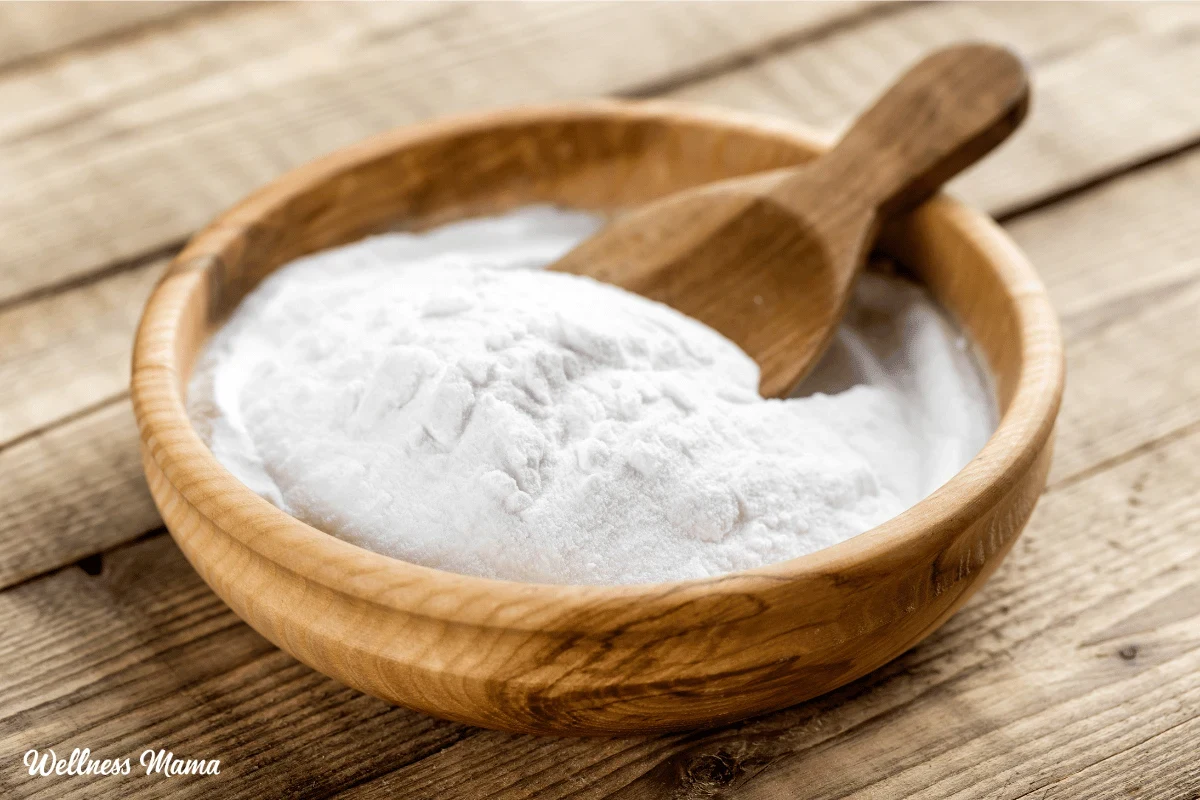
Baking soda works on odor, not sweat itself. That matters because underarm smell usually comes from bacteria breaking down sweat and skin oils, then releasing stronger-smelling compounds. Baking soda can help by making the area less friendly to those odor-causing reactions.
The science behind odor neutralization
Baking soda is mildly alkaline. In simple terms, it can help neutralize some of the acidic compounds that contribute to body odor and can also reduce the “stale” smell that builds up in damp fabric and skin folds.
This is one reason baking soda is also used in other odor-control jobs, like baking soda for smoke odors and baking soda in laundry. The same general idea applies: it helps absorb and neutralize odor rather than masking it with fragrance.
Baking soda is sodium bicarbonate, a compound that can react with acids. That is why it is useful in both cooking and odor control, though the skin needs a gentler approach than a countertop does.
How baking soda differs from deodorant and antiperspirant
Deodorant is designed mainly to control odor. Antiperspirant is designed to reduce sweat, usually by temporarily blocking sweat glands with aluminum-based ingredients. Baking soda does neither job in the same way, so it should be seen as an odor helper, not a full replacement for heavy sweating.
If you are comparing options, think of baking soda as a simple home remedy, deodorant as a scent and odor product, and antiperspirant as a sweat-control product. If you want a broader comparison of how baking soda behaves in household use, our article on using baking soda instead of baking powder safely explains why the same ingredient can act very differently depending on the job.
How to Use Baking Soda for Armpit Odor Safely
The safest approach is to start small and use the least amount that works. Underarm skin can be sensitive, especially after shaving, sweating, or using strong soaps.
Simple dry application method
For many people, the easiest method is a very light dusting of baking soda on clean, fully dry underarms. Use a small amount, tap off any excess, and stop if you see a white residue that feels gritty or cakey.
Dry application is best when you want quick odor control before a normal day, not when your skin is already irritated. If you want to understand how baking soda changes form when mixed with an acid or liquid, the chemistry is similar to the reaction explained in baking soda and vinegar reaction explained simply, though underarms are a much gentler environment.
Baking soda paste with water or aloe
If dry powder feels too harsh, make a thin paste with a few drops of water or a little aloe gel. The paste should spread easily, not sit like thick frosting. Apply a thin layer, leave it on briefly, then rinse if your skin feels dry or tight.
Aloe can make the mixture feel less abrasive, but it does not guarantee that irritation will disappear. Keep the application light, because more product does not usually mean better odor control.
Patch testing and frequency guidelines
Before using baking soda regularly, test a small amount on one underarm or another small area of skin for a day or two. If you notice redness, itching, burning, or a tight, stinging feeling, stop using it.
Do not use baking soda on broken skin, freshly shaved skin that feels raw, or an area that already has a rash. If irritation lasts or worsens, stop and consider a safer alternative.
For frequency, many people do better using it only when needed rather than every day. Skin tolerance varies with humidity, activity level, shaving habits, and the brand of soap or deodorant already in use.
Best Ways to Apply It for Real-World Daily Use
The best routine is the one you can repeat without irritating your skin or leaving powder on your clothes. In practice, that means matching the method to the day ahead.
After shower routine for morning freshness
Apply baking soda only after showering and drying off well. Moisture can make it clump, which increases residue and can make the underarm area feel sticky instead of fresh.
Think “thin and dry.” A tiny amount on dry skin usually works better than a heavy layer on damp skin, which can cake and rub off on clothing.
For best results, wait until your skin is fully dry before dressing. This is similar to how baking results depend on surface dryness, whether you are trying to avoid soggy crusts or prevent a powder from clumping.
Workout, travel, and hot-weather use cases
Baking soda can be handy for workouts, long travel days, or hot weather when odor builds faster than usual. It may help you get through a few hours more comfortably, especially if you do not sweat heavily.
That said, if your sweat output is high, odor control alone may not be enough. In those cases, a deodorant or antiperspirant may be more practical than relying on baking soda alone.
Combining baking soda with other odor-control habits
Baking soda works best when paired with basic hygiene and laundry habits. Clean skin, breathable clothing, and regular washing of shirts and sports bras can make a bigger difference than any single product.
For clothing that holds onto odor, it also helps to understand fabric care. Our guide on removing baking soda deodorant stains fast is useful if you notice residue on dark shirts after applying powder-based underarm products.
- Use a small amount on clean, dry skin
- Patch test before daily use
- Wash sweat-prone clothes regularly
- Applying a thick layer
- Using it on irritated skin
- Expecting it to stop sweating
Common Mistakes That Make Baking Soda Less Effective
Most problems come from using too much, using it at the wrong time, or expecting it to do a job it was never meant to do. Those mistakes can lead to residue, irritation, or disappointment.
Using too much and causing residue or irritation
A heavy application can leave a chalky film on skin and clothing. It can also increase the chance of stinging, especially if the skin is already dry from soap, shaving, or frequent washing.
If you notice white marks on shirts, the issue is usually excess product, not failure of the ingredient itself. A smaller amount often performs better and feels more comfortable.
Applying to damp skin or over broken skin
Damp underarms can turn baking soda into a paste that rubs unevenly and may feel scratchy. Broken skin is even more of a problem because the ingredient can sting and prolong irritation.
Even though this is a home remedy, skin safety still matters. If the area burns, itches, or turns red after use, wash it off and stop applying it until the skin has fully calmed down.
Expecting it to replace antiperspirant for heavy sweating
Baking soda may help with odor, but it does not reliably reduce wetness. If your main issue is sweat soaking through shirts, antiperspirant or a different sweat-management plan is usually a better fit.
That distinction is important because odor and sweat are related but not identical. You can have noticeable odor with moderate sweat, or heavy sweat with only mild odor.
Skin Sensitivity, Safety, and When to Stop Using It
Underarm skin is thinner and more reactive than many people realize. A product that seems harmless on a countertop can still be too harsh for some people on skin.
Signs of irritation, burning, or rash
Stop using baking soda if you notice burning, itching, redness, flaking, swelling, or a rash. Mild dryness can happen too, but a strong stinging sensation is a clear sign that the skin does not like the product.
If symptoms do not improve after stopping, or if the rash spreads, it is wise to get medical advice. Skin reactions can look simple at first but become harder to manage if you keep applying the trigger.
Who should avoid baking soda underarms
People with eczema, very sensitive skin, recent shaving irritation, or a history of contact dermatitis may want to skip baking soda under the arms. The same caution applies if you already react to fragranced deodorants or other topical products.
If you are unsure whether a skin reaction is minor irritation or something more serious, a pharmacist or clinician can help you sort that out. Product-label checks matter, especially if you have allergy concerns.
Safer alternatives for sensitive skin
If baking soda feels too harsh, look at gentler odor-control options such as magnesium-based deodorants, fragrance-free deodorants, or products made for sensitive skin. Arrowroot and charcoal appear in some natural formulas, but they do not work the same way for every person.
For a natural comparison, it can help to think of baking soda as the strongest-feeling DIY option, while magnesium and fragrance-free products are often easier on delicate skin. The best choice depends on whether your main concern is odor, sweat, or irritation.
How Baking Soda Compares with Other Armpit Odor Fixes in 2026
In 2026, the biggest difference between underarm products is still the same: odor control versus sweat control versus skin comfort. Baking soda remains popular because it is cheap and simple, but it is not always the most balanced choice.
Deodorant, antiperspirant, and aluminum-free options
Traditional deodorants focus on odor and often include fragrance or antimicrobial ingredients. Antiperspirants reduce wetness more directly, which can also reduce odor because less sweat reaches the skin surface.
Aluminum-free options are attractive to some users, especially those who want a lighter feel or fewer active ingredients. They can work well for mild odor, but effectiveness varies a lot by formula and personal body chemistry.
Natural alternatives like magnesium, arrowroot, and charcoal
Magnesium-based deodorants are often chosen by people who find baking soda irritating. Arrowroot is commonly used as a moisture-absorbing ingredient, while charcoal may help with odor in some formulas, though results can be inconsistent.
These ingredients are not automatically better, just different. If you are comparing them, think about skin comfort first and odor control second, because a product you cannot tolerate will not help for long.
Cost, convenience, and effectiveness comparison
Baking soda usually wins on cost and availability. It is already in many kitchens, and that makes it convenient for a quick test before buying a new product.
If you want to read more about how baking soda behaves in other home uses, our article on a baking soda trick that actually works fast and easy shows why simple ingredients can be helpful when used in the right situation.
Practical Home Tips to Reduce Armpit Odor Long-Term
Long-term odor control is usually about habits, not one miracle product. Small changes in clothing, washing, and sweat management can make baking soda work better or make you need it less often.
Clothing fabric choices and laundry habits
Natural fibers like cotton, linen, and wool blends often breathe better than very tight synthetic fabrics. That does not mean synthetics are bad, but they can trap odor if they are not washed well.
Wash workout clothes promptly if possible, and do not let sweaty items sit in a hamper for days. If odor lingers in fabric, baking soda in the wash can help, which is why many people pair underarm care with laundry care.
Showering, shaving, and sweat-management routines
Regular showering helps remove bacteria and sweat residue before odor builds up. If you shave your underarms, be extra careful, because freshly shaved skin can react more strongly to baking soda.
Some people do better applying odor control at night, while others prefer the morning. The right routine depends on how your skin feels, how much you sweat, and how quickly odor develops during the day.
Diet, hydration, and odor triggers that can matter
Spicy foods, garlic, onions, alcohol, and some supplements can affect body odor for certain people. Hydration also matters because very concentrated sweat can smell stronger.
These factors are not the whole story, but they can make a noticeable difference. If odor changes suddenly or becomes unusually strong, it may be worth discussing with a healthcare professional, especially if it comes with other symptoms.
Final Verdict: Is Baking Soda Armpit Odor Fix Worth Trying?
For mild to moderate armpit odor, baking soda is worth trying if you use it carefully. It is inexpensive, easy to find, and can work well as a short-term odor neutralizer when your skin tolerates it.
Best candidates for trying baking soda first
Baking soda is a good first try for people who want a simple, low-cost odor fix and do not have very sensitive underarm skin. It can also be useful if you want an occasional backup for travel, workouts, or hot days.
When to switch to another solution or seek medical advice
Switch to another option if you get irritation, if the powder leaves too much residue, or if you need stronger sweat control. If odor is sudden, severe, or comes with a rash, pain, or other health changes, get medical advice rather than trying to cover it up with more product.
Baking soda can be a real underarm odor fix, but only for the right person and the right situation. Start small, keep skin safety first, and move to a gentler deodorant or antiperspirant if baking soda does not suit your skin or your sweat level.
Frequently Asked Questions
Use a very small amount on fully dry skin. Too much can leave residue and increase irritation without improving odor control much.
Yes, a thin paste with water or aloe can feel gentler than dry powder. Keep the layer light and stop if your skin stings or turns red.
Not usually. Baking soda may help neutralize odor, but deodorant is made for odor control and antiperspirant is better if sweat is the main issue.
Baking soda is alkaline and can be harsh on sensitive skin, especially after shaving or on damp skin. If it burns or causes a rash, stop using it.
Some people can, but many do better using it only occasionally. Patch testing and watching for dryness or irritation is the safest approach.
Try a fragrance-free deodorant, a magnesium-based formula, or an antiperspirant if sweating is heavy. If odor changes suddenly or comes with a rash, seek medical advice.