
How to Make Baking Soda Paste Fast and Easy
Mix about 3 parts baking soda with 1 part water to make a thick, spreadable paste. Add liquid slowly and use it for gentle scrubbing on sinks, pans, grout, and other hard surfaces.
If you want a quick, practical cleaner, learning how to make baking soda paste is one of the easiest kitchen skills to keep on hand. The right mix is simple: baking soda, a little liquid, and just enough stirring to make a spreadable paste that can lift grime without being overly harsh.
- Best ratio: Start with 3 parts baking soda to 1 part water.
- Best texture: Aim for thick and spreadable, not runny.
- Best use: Light scrubbing, spot treatment, and odor cleanup.
- Main caution: Test delicate surfaces before scrubbing.
- Best habit: Add liquid slowly so you can control the paste.
What Baking Soda Paste Is and Why People Use It
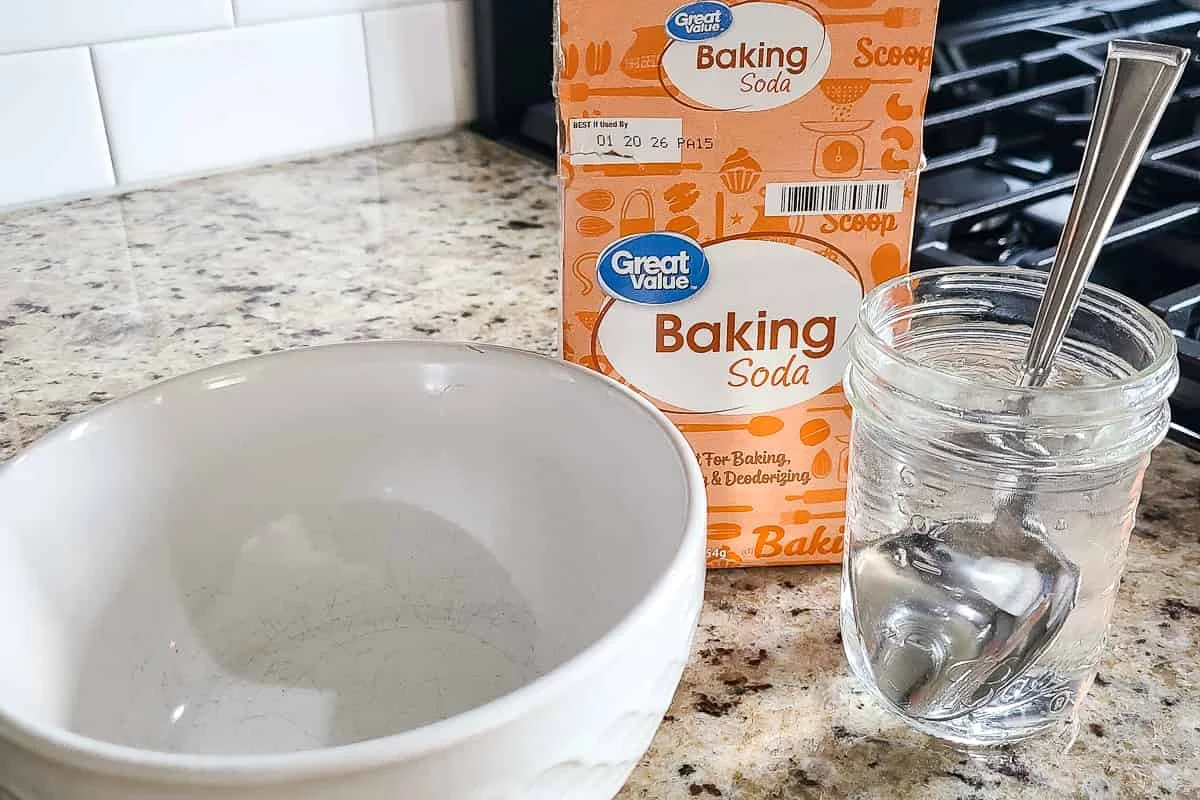
Baking soda paste is a thick mixture of baking soda and a small amount of liquid, usually water. It is popular because it is cheap, easy to mix, and useful for jobs where you want gentle scrubbing instead of a strong chemical cleaner.
How the paste works as a mild abrasive and alkaline cleaner
Baking soda has a fine, slightly gritty texture that helps loosen stuck-on debris when you rub it across a surface. It is also alkaline, which means it can help break down some greasy residue and neutralize certain odors.
That combination makes the paste useful for cleaning tasks where you need a bit of friction and a simple deodorizing effect. It is not a miracle cleaner, but for many everyday messes, it works well enough with very little effort.
Common home uses for stains, odors, grime, and surface scrubbing
People often use baking soda paste on sinks, stovetops, baking pans, grout, and other areas with light buildup. It can also help with odor-prone items and surfaces, especially when the goal is to freshen rather than disinfect.
If you are also interested in odor cleanup, our guide on baking soda for smoke odors explains why baking soda is often used for scent control. For laundry-related stains, the same basic idea can help loosen residue before washing, which is why many people keep a small batch ready for spot treatment.
Baking soda paste works best when it has enough body to stay on the surface long enough to do its job. If it is too thin, it slides off before you can scrub.
Ingredients and Ratios for Making Baking Soda Paste Fast
The fastest version uses only two ingredients: baking soda and water. Most of the time, the exact ratio matters less than the final texture, because humidity, brand, and how you measure can all change the thickness a little.
Basic measurement formula for a thick, spreadable paste
A good starting point is about 3 parts baking soda to 1 part water. For example, 3 tablespoons of baking soda mixed with 1 tablespoon of water usually makes a thick paste that can cling to a sponge or cloth.
If you want a looser paste for spreading over a larger area, add water a few drops at a time. If you want a stronger scrubbing paste, keep it thick enough that it holds its shape on a spoon.
How water temperature affects texture and mixing speed
Room-temperature water is usually the easiest choice because it mixes predictably and does not create surprises in texture. Warm water can dissolve and combine a little faster, but it may also make the mixture feel thinner sooner if you add too much.
Very hot water is usually unnecessary. For a simple cleaning paste, consistency matters more than temperature.
Optional add-ins for specific jobs, such as vinegar, soap, or lemon
You can add a drop or two of dish soap if you want more grease-cutting power. A little lemon juice may add a fresh scent, but it can also change the reaction and texture, so use it sparingly.
Vinegar is often mentioned with baking soda, but it reacts immediately and foams. If you want the paste itself to do the scrubbing, keep vinegar separate or use it only when you want a short-lived fizzing effect. For a clearer breakdown of that reaction, see baking soda and vinegar reaction explained simply.
Do not mix baking soda paste with bleach or other strong cleaners unless the product label specifically says it is safe. When in doubt, follow the cleaner manufacturer’s instructions and ventilate the area well.
Step-by-Step Method for Making Baking Soda Paste
Making the paste takes less than a minute once you know the texture you want. The main goal is to avoid clumps and stop adding liquid before the mixture becomes runny.
Tools you need: bowl, spoon, measuring spoon, and storage container
You only need a small bowl, a spoon or spatula, a measuring spoon, and a container with a lid if you want to save the extra paste. A shallow bowl makes it easier to see the texture as you stir.
Mixing order for a smooth paste without clumps
Start by putting the baking soda in the bowl first. Add a small amount of water, then stir slowly until the dry powder is moistened, and keep adding tiny amounts until the paste comes together.
This method helps prevent dry pockets at the bottom of the bowl. If you dump in too much water at once, the mixture can turn soupy before you have a chance to correct it.
Measure the baking soda into a clean bowl so you can control the texture from the start.
Add water a little at a time and stir after each addition until the paste becomes thick and smooth.
Stop when the paste clings to a spoon and spreads without running.
How to adjust consistency for scrubbing, spot treatment, or spreading
For scrubbing tough spots, aim for a thick paste that stays in place on the surface. For spot treatment, a slightly looser paste may spread more evenly over a stain or ring.
If you want to use it on a sponge, keep it soft enough to pick up easily but not so wet that it drips. Think of the texture as similar to thick frosting rather than batter.
If the paste feels too loose, let it sit for a minute before deciding to add more baking soda. Baking soda absorbs water slowly, so the mixture often thickens slightly after resting.
Best Uses for Baking Soda Paste Around the Kitchen and Home
The paste is most useful on surfaces that need light abrasion, odor control, or help loosening stuck residue. It is especially handy when you want a simple option before moving to stronger cleaners.
Cleaning sinks, stovetops, pots, and baking pans
In the kitchen, baking soda paste can help remove dull film from sinks, smear marks on stovetops, and baked-on residue on pots and pans. Let it sit briefly if needed, then scrub with a soft sponge or non-scratch pad.
For oven-related messes, a paste can help with light buildup, but heavy carbonized grease often needs a stronger method. If you are comparing approaches, our article on baking soda vinegar cleaning ovens covers a common cleaning approach for tougher oven grime.
Using the paste on grout, tiles, sneakers, and other surfaces
Outside the kitchen, the paste can be useful on grout lines, tile edges, and some sneaker soles. These surfaces often benefit from a paste because it stays where you put it and gives you more control while scrubbing.
Always test a small hidden area first if you are unsure how a surface will react. Some finishes can dull, scratch, or discolor if you scrub too hard or leave moisture sitting too long.
Examples of when a thinner or thicker paste performs better
A thicker paste is better for vertical surfaces, grout, and stuck-on spots because it stays put. A thinner paste is better when you need to spread it across a wider area, such as inside a sink basin or across a baking pan.
When in doubt, start thick and thin it only if needed. It is easier to add a few drops of water than to fix a runny mixture.
Baking soda paste is best for cleaning and deodorizing, not sanitizing. If a surface needs disinfection, use a product that is labeled for that purpose and follow the directions on the package.
Common Mistakes When Making or Using Baking Soda Paste
Most problems come from using the wrong texture or scrubbing too aggressively. The good news is that both issues are easy to avoid once you know what to watch for.
Using too much water and ending up with a runny mixture
This is the most common mistake. A runny mixture slides off surfaces, wastes product, and gives you less scrubbing power.
If that happens, stir in more baking soda a little at a time until the paste thickens. Do not try to fix it with a large scoop all at once, or you may end up with dry lumps instead.
Scrubbing delicate surfaces too aggressively
Even though baking soda is mild, it is still abrasive. That means it can scratch polished, coated, or delicate surfaces if you use too much pressure or a rough scrubber.
Use a soft cloth or sponge first, and increase pressure only if the surface tolerates it. When cleaning finishes you are unsure about, test a hidden spot before treating the whole area.
Assuming the paste replaces stronger cleaners for every task
Baking soda paste is useful, but it is not the right answer for every mess. Heavy grease, mineral buildup, burnt-on residue, and disinfection tasks may need a different cleaner or a longer soak time.
If you are comparing everyday baking soda uses, it can help to separate odor control, light scrubbing, and stain treatment from deep-cleaning jobs. For example, our guide to baking soda for yellow stains shows the kind of situation where a gentle paste may help, but not fully solve the problem on its own.
- Easy to make with common pantry ingredients
- Good for gentle scrubbing and odor control
- Cheap and adjustable for different tasks
- Can scratch delicate surfaces if used carelessly
- Not strong enough for every stain or buildup
- Fresh paste works better than old, dried-out paste
Safety, Surface Compatibility, and Storage Tips
Safety is mostly about knowing what surfaces can handle light abrasion and what cleaners should never be combined. A little caution goes a long way here.
Which materials tolerate baking soda paste and which ones need caution
Many hard, non-porous surfaces tolerate baking soda paste well, including stainless steel, ceramic, porcelain, and some tile surfaces. Even then, the finish matters, so polished or coated items may need a gentler touch.
Use caution on soft plastics, aluminum, glossy finishes, and any surface that scratches easily. If the item is expensive, antique, or manufacturer-sensitive, check care instructions first.
If you are cleaning cookware, make sure it is cool enough to touch before applying paste. Hot surfaces can cause burns and may dry the paste too quickly to work well.
How long homemade paste keeps and when to make a fresh batch
Fresh paste is usually best because it mixes smoothly and is easy to spread. If stored in a sealed container, it may keep for a short time, but it can dry out, harden, or pick up odors from the fridge or cabinet.
If the paste changes color, smells odd, or becomes hard and crumbly, make a new batch. For most home uses, a small fresh batch is faster than trying to revive an old one.
Simple safety habits for skin contact, inhalation, and mixing with other cleaners
Baking soda is generally mild, but sensitive skin can still get irritated with repeated contact. Wash your hands after cleaning if you notice dryness, and avoid breathing in loose powder when scooping from the box.
Also avoid mixing baking soda with unknown cleaners. If you are using vinegar in the same project, remember that the fizz is temporary and does not mean the mixture is stronger for every cleaning job.
- Test on a small area first
- Use soft cloths or non-scratch sponges
- Rinse or wipe residue after cleaning
- Mixing with bleach or unknown cleaners
- Scrubbing polished surfaces too hard
- Leaving paste on a surface for too long
Practical Troubleshooting for Better Results
If the paste does not behave the way you want, the fix is usually simple. Texture, residue, and stain type are the three things to check first.
What to do if the paste is too dry, too watery, or grainy
If the paste is too dry, add a few drops of water and stir again. If it is too watery, add more baking soda gradually until it thickens.
A grainy paste usually means the powder has not fully absorbed the liquid yet. Let it rest for a minute, then stir once more before deciding whether to adjust it.
The paste looks clumpy or uneven.
Add liquid slowly, stir from the bottom of the bowl, and let the mixture sit briefly so the powder can absorb moisture evenly.
How to remove residue after cleaning
After scrubbing, wipe the area with a damp cloth or rinse with clean water if the surface allows it. Drying the area helps prevent a chalky film from remaining behind.
On textured surfaces like grout or rough tile, you may need a second wipe to remove trapped powder. A soft brush can help lift residue from grooves without adding too much pressure.
When to switch to another method for tougher stains or buildup
If the stain is deeply set, the buildup is thick, or the surface still looks dull after a normal scrub, it may be time to switch methods. Baking soda paste is best for moderate messes, not for every stubborn problem.
For example, mineral deposits, heavy burnt-on grease, or old discoloration may need a specialty cleaner, a soak, or repeated treatment. If you often use baking soda in other household routines, you may also find our guide on baking soda in laundry benefits helpful for understanding where it shines outside the kitchen.
Final Recap: The Fastest Way to Make Baking Soda Paste That Actually Works
The fastest reliable method is simple: mix about 3 parts baking soda with 1 part water, then adjust slowly until the paste is thick and spreadable. That texture is usually the sweet spot for scrubbing, spot treatment, and light deodorizing jobs.
Best ratio, easiest method, and most reliable use cases
The most dependable paste is the one that stays where you put it. For sinks, pans, grout, and other everyday cleaning jobs, a thick paste gives you control and enough friction to loosen grime without making a mess.
Start with a small batch, because it is easier to make more than to throw out a bowl that is too thin. Freshly mixed paste also tends to spread more evenly than paste that has sat out too long.
Decision guide for choosing the right paste texture for the job
Choose a thick paste when you need staying power on vertical or stubborn spots. Choose a slightly thinner paste when you need wider coverage or easier spreading across a flat surface.
If you remember one thing, make it this: add liquid slowly and stop before the mixture turns runny. That one habit is the easiest way to make baking soda paste fast, easy, and actually useful in a real kitchen.
Frequently Asked Questions
A common starting point is 3 parts baking soda to 1 part water. Add water slowly and stop when the paste is thick enough to spread without running.
You can, but vinegar reacts with baking soda right away and creates fizz. If you want a paste for scrubbing, water is usually the better choice.
Fresh paste is best, and stored paste may dry out or change texture over time. Make a new batch if it becomes hard, watery, or picks up an odd smell.
Use caution on delicate, polished, coated, or easily scratched surfaces. Test a hidden spot first, especially on aluminum, glossy finishes, or soft plastics.
Stir in more baking soda a little at a time until the mixture thickens. If it is too dry, add a few drops of water and mix again.
No, baking soda paste is mainly for gentle scrubbing and odor control. If you need disinfection, use a product labeled for that purpose and follow the directions on the package.
