
Baking Soda for Couch Odors Easy Freshening Tips

Baking soda can help freshen a couch by reducing surface odors on dry fabric upholstery. It works best for light smells and is not enough for deep pet, mildew, or spill odors.
Baking soda can help freshen a couch by reducing surface odors trapped in upholstery fibers. It works best on dry, fabric-covered furniture and is most useful when the smell is light to moderate rather than deeply set in.
- Best use: Light odor freshening on dry fabric, microfiber, and upholstered sectionals.
- Main limit: It does not remove deep stains, mildew, or soaked-in pet urine by itself.
- Safe method: Vacuum first, spot-test, use a thin layer, then vacuum thoroughly.
- Common mistake: Leaving too much powder behind or rubbing it into seams and wet fabric.
- Next step: If the smell returns, treat the source or switch to deeper cleaning.
Why Baking Soda Works for Couch Odors and What It Can’t Do
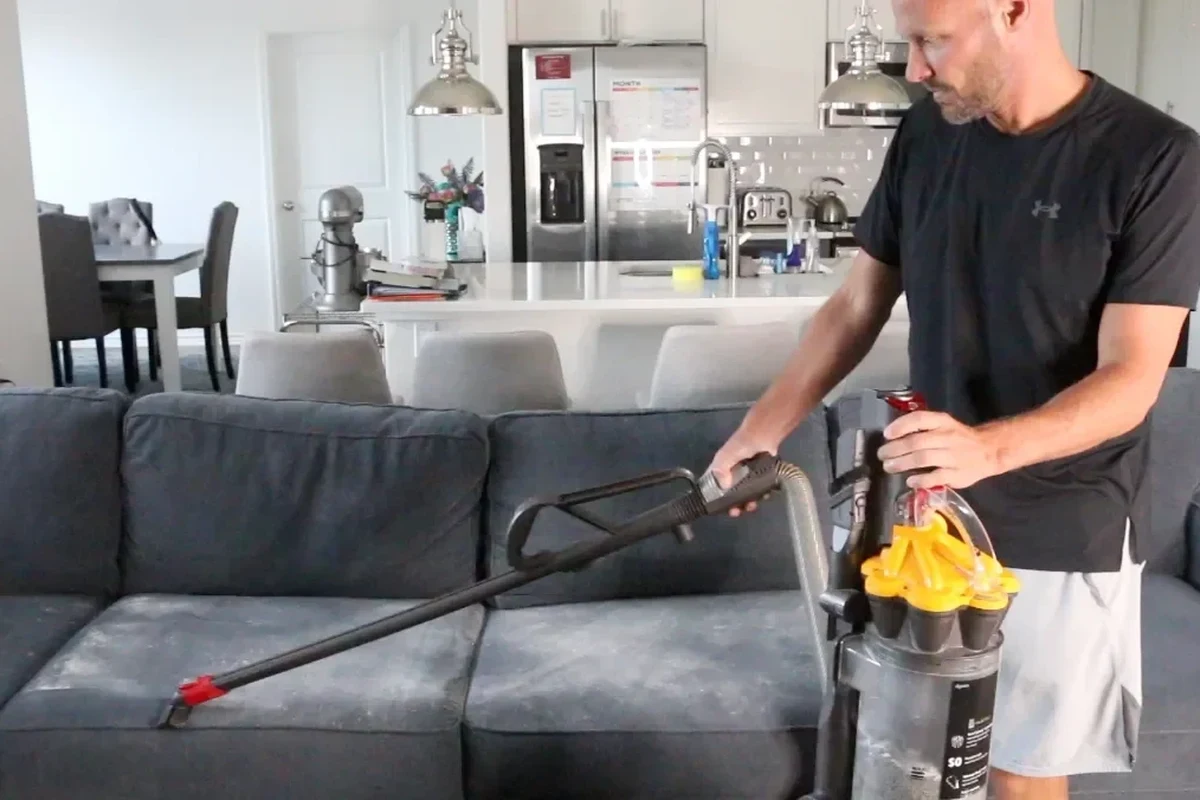
Baking soda is mildly alkaline and has a fine, porous texture, which makes it useful for absorbing some odor compounds at the surface of a couch. It does not “clean” the couch in the deep-cleaning sense, but it can reduce the stale smell that lingers in fabric, seams, and cushion covers.
For a broader look at how this ingredient performs in home care, see our guide on baking soda in laundry benefits. The same basic odor-freshening idea applies here: it helps with smell, but it is not a cure-all.
How baking soda absorbs surface odors in upholstery fibers
When a couch smells musty, sweaty, or generally “used,” the odor is often sitting on the fiber surface and in tiny gaps between threads. Baking soda can cling to those areas and help neutralize some odor-causing compounds, especially if the couch is dry and well ventilated.
This is why the powder often works better on soft, porous materials than on slick surfaces. The more airflow and contact time it has, the better the chance it has to pull down mild odors before vacuuming.
Baking soda is often used as an odor absorber because it can help reduce smell without adding a strong fragrance of its own. That makes it useful when you want the couch to smell cleaner, not perfumed.
When odor comes from spills, pet accidents, or mildew instead of the couch itself
If the smell is coming from a spill, pet accident, or hidden moisture, baking soda alone usually will not solve the problem. In those cases, the odor source is still active inside the fabric, padding, or cushion insert.
Mildew is a special concern because it points to moisture that may still be trapped in the couch. If you suspect mold or persistent dampness, dry the area thoroughly and follow the furniture maker’s care instructions before using any powder treatment.
Do not use baking soda on a damp couch as a fix for mildew, leaks, or wet pet accidents. If the fabric is still moist, focus first on drying and source removal so you do not trap moisture deeper into the upholstery.
Best Couch Materials for Baking Soda Freshening
Material matters because baking soda performs best on fabrics that can hold odor on the surface and can be vacuumed clean afterward. Always check the furniture tag or manufacturer care code before treating the entire couch.
Fabric sofas, microfiber, and upholstered sectionals
Fabric sofas and microfiber couches are the best candidates for baking soda freshening. These surfaces usually tolerate a light powder application, and the fine particles can settle into the weave where odor tends to linger.
Upholstered sectionals also respond well, especially in high-use areas like seat cushions, armrests, and headrest zones. If your couch has removable cushions, treat both the cushion tops and the exposed frame fabric for a more even result.
Leather, faux leather, and delicate finishes: when to avoid baking soda
Leather and many faux leather finishes are not ideal for baking soda. The powder can leave a chalky residue, collect in seams, and sometimes dull the finish if rubbed in.
Delicate textiles, specialty coatings, and fabrics labeled “dry clean only” may also need a different approach. If you are unsure, spot-test in a hidden area or rely on the care label and the manufacturer’s cleaning guidance.
If your couch has a special finish, decorative trim, or mixed materials, test the least visible area first. A small spot test is much safer than trying to remove powder residue from an entire cushion edge later.
How to Use Baking Soda on a Couch Safely
The safest method is simple: dry the surface, apply a light layer, wait, then vacuum carefully. The goal is odor reduction, not scrubbing, so avoid forcing the powder into the fabric.
Vacuum-first prep and spot-testing before full application
Start by vacuuming the couch to remove crumbs, dust, pet hair, and loose debris. That gives the baking soda better contact with the upholstery instead of letting it sit on top of lint and dirt.
Next, spot-test a hidden section such as the back corner or under a cushion flap. Wait for the area to dry fully and check for color changes, residue, or texture issues before treating the whole couch.
- Vacuum loose dirt and pet hair first
- Confirm the couch is completely dry
- Check the care label or manufacturer instructions
- Spot-test a hidden area
Recommended amount, dwell time, and vacuuming method
Use a light, even dusting rather than a thick layer. A thin coat is usually easier to remove and less likely to leave residue in seams or cushion piping.
Let it sit long enough to interact with the odor, then vacuum with a brush attachment or upholstery tool. Work slowly so the vacuum can lift the powder from the fibers instead of just moving it around.
If you need a more structured home-care method, our article on a baking soda trick that actually works explains why light, even coverage tends to be more effective than heavy application.
Example routine for light, moderate, and stubborn odors
For a light smell, vacuum first, sprinkle a thin layer, wait briefly, and vacuum again. This is often enough for a couch that just smells stale from everyday use.
For a moderate odor, repeat the process after airing out the room and opening windows if possible. For stubborn smells, baking soda may help reduce surface odor, but you will likely need a deeper clean or a targeted stain treatment.
The couch still smells after one treatment.
The odor may be deeper than the surface fibers. Repeat only if the couch is dry and vacuumed clean, then move to a deeper cleaning method if the smell remains.
Common Mistakes That Make Couch Odors Worse
Most problems come from using too much powder, applying it to the wrong material, or skipping the real source of the smell. A careful approach usually works better than a heavy one.
Using too much powder or leaving residue behind
Heavy piles of baking soda can settle into seams and cushion stitching, which makes vacuuming harder. Any leftover residue can also make the fabric feel dusty and attract more dirt.
If you see white traces after vacuuming, the layer was probably too thick or the vacuum attachment was not close enough to the fabric. A second careful pass often works better than adding more powder.
Rubbing baking soda into seams, cushions, or wet fabric
Rubbing can push powder deeper into stitching and padding where it is harder to remove. That is especially true around seams, tufting, and zipper lines.
Never rub baking soda into wet fabric. Moisture can turn the powder into a paste, which may leave marks and can make the odor problem worse by trapping dampness.
Although this is a furniture-care task, the safety rule is the same as in the kitchen: keep dry powders away from moisture when you want a clean finish. Wet fabric and baking soda do not mix well.
Masking odor without treating the source of the smell
Baking soda can reduce the smell, but it cannot remove old urine, spilled milk, smoke residue, or mildew hidden in padding. If the source is still there, the odor usually returns.
That is why source cleanup matters more than fragrance. If the smell keeps coming back after freshening, look for stains, damp spots, or contamination under cushions and along the frame.
What to Do for Pet Odors, Smoke Smells, and Food Spills
Different odors need different cleanup strategies. Baking soda is helpful in some cases, but not every smell responds the same way.
Pet urine and dander: when baking soda helps and when enzyme cleaners are needed
For pet dander and general pet smell, baking soda can be a useful freshening step on dry upholstery. It may reduce the stale smell that builds up in a pet-friendly living room.
For urine, however, an enzyme cleaner is often needed because it breaks down the compounds that cause the odor. If you are dealing with an active pet accident, clean according to the product label and follow pet-safe guidance from trusted sources such as your cleaner’s manufacturer or recognized animal-care resources.
- Helps with light pet odor on dry fabric
- Simple and inexpensive to use
- Not enough for urine soaked into padding
- Can leave residue if overused
Smoke, sweat, and cooking odors: practical freshening strategies
Smoke and sweat odors often cling to upholstery fibers and respond well to a dry freshening step. If you want a deeper dive on this problem, our article on baking soda for smoke odors covers why smoky smells can be especially persistent.
Cooking odors can also settle into fabric after a long day in a closed room. In those cases, open windows, improve airflow, and use baking soda only after the couch is free of crumbs and surface dust.
Fresh spills versus old set-in odors
Fresh spills are easier to handle because the odor source has not had time to soak deeply into the padding. Blot first, dry thoroughly, and only then use baking soda if the fabric is safe for it.
Old odors are harder because they often live below the surface. If the smell has been present for weeks or months, a surface treatment may help only a little.
The couch smells clean for a day, then the odor comes back.
The source is probably deeper than the top layer of fabric. Check cushions, padding, and any hidden damp spots before repeating the treatment.
Tools, Add-Ons, and Safety Tips for Better Results
You do not need fancy equipment, but the right tools make the process cleaner and more effective. Good airflow and careful vacuuming matter as much as the powder itself.
Vacuum attachments, soft brushes, and microfiber cloths
An upholstery attachment helps lift powder from fabric without roughing up the surface. A soft brush can help distribute the baking soda lightly, but it should not be used to scrub.
Keep microfiber cloths nearby for blotting spills before you ever reach for the powder. If the couch is already wet, cloths are more useful than baking soda at the start.
Optional scent boosters like essential oils: risks and limitations
Some people add essential oils to baking soda for a stronger scent. That may make the couch smell pleasant for a short time, but it does not improve odor removal very much.
Be careful with oils around upholstery, pets, children, and anyone sensitive to fragrance. Oils can stain fabric, and strong scents may irritate allergies or asthma.
Do not assume a stronger fragrance means a cleaner couch. If you add scent boosters, use them sparingly and check that they will not stain or bother anyone in the room.
Ventilation, allergy concerns, and keeping pets and kids safe
Open windows when possible and keep the room ventilated while the powder sits and while you vacuum it up. This helps clear loose dust and any lingering smell.
If anyone in the home has dust sensitivity, asthma, or fragrance concerns, vacuum slowly and thoroughly. Keep children and pets away from the couch until the powder is fully removed.
When Baking Soda Is Not Enough: Cleaning and Replacement Decisions
Sometimes the best answer is not more powder but a different cleaning method. If the couch has deep odor in the padding or frame, baking soda may only provide a temporary improvement.
Signs the odor is trapped in cushions, padding, or frame materials
If the smell is strongest when you press into the cushion, lift the cushions, or sit in one spot, the odor may be trapped inside the padding. A sour, musty, or urine-like smell that returns quickly is another sign that the problem is deeper than the surface.
Also check for discoloration, dampness, or a persistent smell near the base or underside. Those clues often point to a hidden source rather than the visible fabric.
When to switch to steam cleaning, upholstery shampoo, or professional help
Steam cleaning or upholstery shampoo may be appropriate for some fabrics, but only if the care label allows it. Follow manufacturer instructions carefully, since too much moisture can damage cushions or set stains deeper.
If the couch is valuable, antique, or made from a delicate material, professional cleaning may be the safer choice. For some furniture, a service call is cheaper than replacing a damaged cushion set later.
Always match the cleaning method to the upholstery code or care label. If the tag is missing or unclear, test cautiously and avoid flooding the fabric with liquid.
How to decide whether the couch is worth restoring
Consider the age of the couch, the severity of the odor, and the cost of deeper cleaning. If the smell is mild and the fabric is in good shape, restoration usually makes sense.
If the odor is widespread, the padding is damaged, or the frame has absorbed moisture, replacement may be the more practical option. A couch that keeps holding odor after repeated cleaning may have a problem that surface freshening cannot solve.
Freshening Plan for a Cleaner-Smelling Living Room
The best long-term fix is a simple routine. Regular care prevents odors from building up and makes each baking soda treatment more effective when you do need it.
Routine maintenance schedule for preventing couch odors
Vacuum the couch routinely to remove dust, crumbs, and pet hair before they settle deeper into the fabric. Air out the room often, especially after cooking, hosting guests, or having pets on the furniture.
Clean spills quickly and let the couch dry completely after any damp cleaning. If odors return often, look at the room conditions too, including humidity, airflow, and pet access.
- Vacuum regularly
- Treat spills quickly
- Use baking soda on dry fabric only
- Leaving powder in thick layers
- Rubbing into wet upholstery
- Ignoring the odor source
Final recap on the best use cases for baking soda on couch odors
Baking soda for couch odors works best as a light, dry freshening step on fabric upholstery, microfiber, and sectionals. It is most useful for surface smells from everyday use, smoke, sweat, or general stale air.
If the odor comes from urine, mildew, deep spills, or soaked padding, baking soda alone is not enough. Use it as part of a larger cleaning plan, not as a replacement for source removal, deeper cleaning, or professional help when needed.
For the cleanest result, treat the couch when it is fully dry, vacuum it thoroughly afterward, and keep the room well aired out. That simple sequence usually gives baking soda the best chance to do its job.
Frequently Asked Questions
A light odor treatment usually needs enough time to sit on dry fabric before vacuuming, but the exact time depends on the odor level and the couch material. Always follow the furniture care label and avoid leaving residue behind.
It is usually better to avoid baking soda on leather and many faux leather finishes because it can leave residue and dull the surface. Check the manufacturer’s care instructions before using any powder.
Baking soda may help with light pet odor on dry upholstery, but it usually will not remove urine smell soaked into padding. An enzyme cleaner is often needed for that kind of odor.
Use an upholstery attachment or brush tool and move slowly so the vacuum can lift the powder from the fibers. A second careful pass is often better than applying more baking soda.
Baking soda can leave residue if overused or rubbed into seams, and it may not suit delicate finishes. Spot-test first and use only a light layer on fabric that is safe for dry cleaning methods.
If the odor keeps returning, seems trapped in the cushions, or comes from mildew or deep pet accidents, professional cleaning may be the better option. This is especially important for delicate, valuable, or hard-to-clean upholstery.