Baking soda can be toxic to cats if they swallow enough of it or inhale a significant amount. Keep it stored safely and call a veterinarian right away if your cat shows vomiting, weakness, tremors, or breathing trouble.
Baking soda is not something most cats should be eating, and in larger amounts it can be harmful. If your cat got into a box, a spill, or a homemade cleaner, the safest move is to treat it seriously and watch for symptoms.
- Risk depends on dose: Small accidental contact is less concerning than swallowing a larger amount.
- Watch for symptoms: Vomiting, drooling, weakness, tremors, and trouble breathing need prompt attention.
- DIY products can be riskier: Mixed cleaners may be more dangerous than plain baking soda.
- Prevention matters: Store powder securely and remove residue from floors, bedding, and counters.
- Act early: Do not induce vomiting at home unless a vet instructs you to do so.
Is Baking Soda Toxic to Cats? Understanding the Real Risk
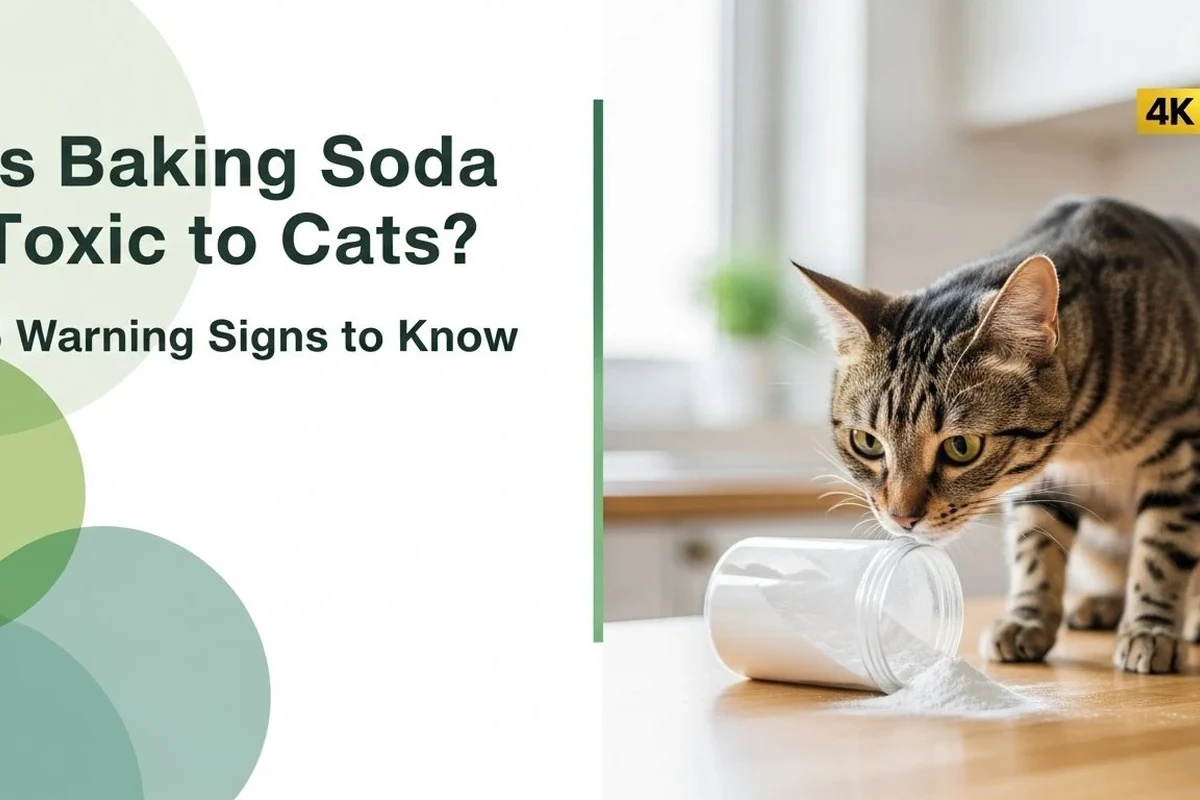
Baking soda, or sodium bicarbonate, is common in kitchens and cleaning routines. In baking, it reacts with acids to create lift, which is why it is a useful leavening ingredient; for a cat, though, the concern is not baking performance but what happens if the powder is swallowed, inhaled, or rubbed onto the body.
The risk depends on the amount, the cat’s size, and whether the exposure was a one-time accident or repeated contact. A small lick may cause only mild stomach upset, but a larger amount can disrupt the body’s salt and acid balance, which is why it should never be treated as harmless around pets.
What baking soda is and why cats may encounter it at home
Cat owners often keep baking soda in kitchens, bathrooms, laundry rooms, and near litter areas because it helps with odors and cleaning. That makes it easy for a curious cat to find open containers, spilled powder, or residue on floors and fabric.
Cats may also walk through fresh powder and later lick it off their paws, or sniff dust from a cleaning project. If you also use it for household cleaning, it helps to understand the difference between a controlled baking ingredient and a loose powder sitting within paw reach; our guide on baking soda vinegar cleaning ovens explains why cleanup and ventilation matter so much.
How this topic differs from harmless kitchen use in baking
In a recipe, baking soda is measured in small, predictable amounts and mixed into batter or dough. That is very different from a cat swallowing a spoonful, breathing in a cloud of dust, or getting repeated exposure from a deodorizing layer left on bedding.
Kitchen use is controlled and diluted by other ingredients; pet exposure is not. The same powder that helps cookies rise can become a problem when it is concentrated, accessible, or combined with other cleaners.
How Baking Soda Affects Cats: Exposure, Symptoms, and Severity
Most cases are about accidental exposure, but the body response can change quickly if the dose is high enough. Sodium bicarbonate can irritate the digestive tract and, in larger amounts, affect sodium levels and the way the blood handles acid and base balance.
Common exposure routes: ingestion, paw contact, and inhalation
Ingestion is the biggest concern. A cat may eat spilled powder, lick it from a counter, or groom it off fur after stepping in a pile.
Paw contact is less serious at first, but it can still lead to licking and swallowing. Inhalation is usually less common, yet a sudden dust cloud from shaking a box or scrubbing a surface can irritate a cat’s nose and eyes.
If the exposure involved a household cleaner, deodorizer, or DIY mixture, the risk may be higher than with plain baking soda alone. Some products include fragrances, essential oils, vinegar, bleach, or other ingredients that can be more dangerous to cats than sodium bicarbonate itself.
Signs of mild versus serious toxicity in cats
Mild exposure may cause drooling, lip licking, vomiting, soft stool, or brief discomfort. Some cats look restless, avoid food, or seem unusually quiet after licking a powdery surface.
More serious signs include repeated vomiting, weakness, tremors, trouble walking, fast breathing, bloating, or collapse. If you see neurologic signs or your cat seems unable to stand normally, that is no longer a simple stomach upset.
Cats are smaller than humans and have less room for error with salt and mineral imbalances. That means a dose that seems tiny to an adult person can still matter for a kitten or a small adult cat.
Why small amounts can still matter for kittens and smaller cats
Kittens, senior cats, and cats with kidney or heart disease may have less reserve if they are exposed. Their smaller body size means the same spoonful represents a larger dose per pound, and their systems may tolerate it less well.
Even if the amount looks minor, the cat’s health history matters. If you are unsure whether the amount was trivial, it is better to call a veterinarian or poison helpline than to wait and guess.
When Baking Soda Is Used Around Cats: Safe Uses and Hidden Hazards
Baking soda can be useful around a cat household, but only when it is handled carefully. The main goal is to keep it out of the air, off surfaces the cat touches, and away from open containers.
Cleaning litter boxes, carpets, and pet bedding without overexposure
Many owners use baking soda to reduce odors in carpets or near litter boxes. That can be reasonable in small amounts, but it should be vacuumed or wiped away thoroughly so the cat is not walking on residue all day.
For laundry and odor control, a measured approach is safer than scattering powder freely. If you use it in broader home cleaning, our article on baking soda in laundry benefits shows how common household use can be practical without becoming messy.
Baking soda in homemade deodorizers, toys, and DIY pet products
DIY pet products can sound natural and safe, but they are easy to overdo. A homemade deodorizer or toy filled with loose powder can leak, puff dust, or end up in a cat’s mouth during play.
A better rule is to keep any powder-based project sealed, measured, and inaccessible. If a product is meant to freshen a room, think about whether a cat could sit, roll, or groom near it before you use it.
Risks of dust clouds, clumping residue, and accessible containers
Dust clouds are a hidden problem because they spread farther than the original spill. Cats may breathe in the powder or get it on whiskers and paws, then ingest it later while grooming.
Clumping residue can also stick to damp floors, mats, or litter box edges. An open box on the floor is an easy target for a curious cat, so storage matters as much as the cleaning step itself.
After using baking soda for cleaning, wipe the area with plain water if appropriate, dry it well, and keep pets away until residue is gone. This is especially important on counters, floors, and bedding where cats groom themselves.
What Cat Owners Should Do If Their Cat Eats Baking Soda
If you suspect your cat ate baking soda, respond quickly and calmly. Fast action can help you limit exposure and give the veterinarian the clearest possible picture of what happened.
Immediate steps to take before calling a veterinarian
First, remove access to the source so your cat cannot eat more. Then check the container, spill area, and any nearby products to estimate what was involved, including whether it was plain baking soda or a mixed cleaner.
Keep your cat quiet and observe breathing, walking, vomiting, drooling, and alertness. If possible, note the time of exposure and how much may have been eaten, because that information helps the veterinary team decide what to do next.
- Move the baking soda out of reach
- Check whether the product was plain or mixed
- Watch for vomiting, weakness, or shaking
- Call your veterinarian or an emergency clinic
What not to do: inducing vomiting or waiting for symptoms to worsen
Do not try to make your cat vomit unless a veterinarian specifically tells you to do so. Home vomiting methods can make things worse, especially if the cat is already drooling, weak, or having trouble breathing.
Do not wait for dramatic symptoms if the cat ate a meaningful amount. Some problems start as mild stomach upset and then progress, so early guidance is safer than a “wait and see” approach.
When emergency care is needed right away
Seek emergency care immediately if your cat has tremors, seizures, collapse, severe vomiting, trouble breathing, or marked lethargy. These are signs that the exposure may be affecting more than the stomach.
Emergency help is also important if a kitten, very small cat, or medically fragile cat was exposed. When in doubt, call first and follow the clinic’s instructions while you prepare to leave.
Veterinary Diagnosis and Treatment for Baking Soda Exposure
Veterinarians usually start by asking what product was involved, how much may have been swallowed, and when the exposure happened. They will also assess the cat’s weight, age, symptoms, and any existing health issues before choosing treatment.
How veterinarians assess the amount swallowed and the cat’s condition
There is no single answer that fits every cat, because the same amount can mean very different things depending on body size and health status. A veterinarian may ask you to bring the package or a photo of the label so they can confirm whether other ingredients were involved.
They may check hydration, temperature, heart rate, and neurologic signs. If the cat appears stable, the clinic may focus on observation and supportive care rather than aggressive intervention.
Typical treatment options for gastrointestinal or neurologic symptoms
Treatment depends on the signs present. Mild stomach upset may be managed with monitoring, fluids, and medication prescribed by the veterinarian, while more serious cases may need hospitalization, bloodwork, and closer observation.
If neurologic signs or major electrolyte concerns are present, the clinic may provide more intensive support. The exact plan varies by case, so it is important not to assume one home remedy will solve it.
Any treatment plan should come from a licensed veterinarian or poison-control resource familiar with pets. This article is informational and not a substitute for medical care.
What recovery may look like after prompt care
Many cats recover well when the exposure is small and care is prompt. Recovery often means the cat returns to normal appetite, energy, and litter box habits over the next day or so, though your veterinarian may recommend follow-up based on the symptoms.
If the exposure was larger, recovery can take longer and may involve repeat checks. Watch for renewed vomiting, poor appetite, or unusual behavior after you get home, because some signs can return as the body clears the exposure.
Practical Prevention Tips for a Cat-Safe Kitchen and Home
Prevention is easier than treatment, especially in homes where baking soda is used for both cooking and cleaning. A few storage and cleanup habits can reduce the chance of an accidental exposure.
Storing baking soda securely in baking and cleaning areas
Keep baking soda in a closed container, not in an open box on the floor or a low shelf. If you store both food and cleaning supplies in the same space, label them clearly and keep them separate so there is no confusion during a busy cleanup.
It also helps to keep measuring spoons, scoops, and funnels out of reach. A cat that jumps onto counters can knock over a lightly closed container faster than most owners expect.
Choosing cat-safe deodorizing and cleaning alternatives
For many odor problems, good ventilation, regular washing, and vacuuming are safer first choices than heavy powder use. If you need a deodorizer, pick one that is clearly labeled for pet-safe use and follow the directions exactly.
When comparing cleaning habits, think about whether the product leaves residue, dust, or strong fragrance behind. If you are interested in household ingredient comparisons, our piece on using baking soda instead of baking powder safely shows how ingredient purpose changes what is appropriate in the kitchen.
Common owner mistakes that increase accidental exposure
One common mistake is using too much powder because it seems “natural” and therefore harmless. Another is leaving a fresh layer on carpets, litter mats, or bedding without fully removing it afterward.
Owners also forget about curious behavior during cleanup time. Cats investigate motion, smell, and texture, so a room that seems tidy to a person can still be very tempting to a pet.
How to Use Baking Soda Responsibly in a Cat Household
You do not necessarily need to ban baking soda from a home with cats. The better approach is to use it intentionally, keep it contained, and avoid situations where your cat can inhale or ingest it.
Balancing everyday baking needs with pet safety
For baking, the ingredient is usually safe when it stays in the bowl, batter, or dough. The key is to store it securely before and after use, clean up spills promptly, and keep pets out of the kitchen while you measure and mix.
If you want a refresher on the ingredient itself, our guide to the baking soda and vinegar reaction explains why the powder behaves differently in food than it does on a floor or carpet.
Practical examples for kitchens, laundry spaces, and litter areas
In the kitchen, use a lidded container and wipe down counters after measuring. In the laundry room, keep boxes closed and avoid shaking powder into the air near where pets pass through.
Near litter areas, use only the amount needed, vacuum or sweep up leftovers, and keep the cat away until the area is dry. If you notice your cat regularly trying to lick or sniff a treated area, that is a sign to change the product or the setup.
When to avoid baking soda entirely around sensitive pets
Avoid using baking soda around cats with breathing problems, repeated vomiting, kidney disease, or a history of chewing and licking household products. In those homes, the safest choice may be to skip powder-based deodorizers altogether.
If a pet is especially curious, elderly, or medically fragile, the margin for error is smaller. In that situation, a simpler routine with less dust and fewer loose powders is usually the smarter choice.
Final Verdict: Is Baking Soda Toxic to Cats and What Owners Should Remember?
Yes, baking soda can be toxic to cats if they eat enough of it or are exposed in the wrong way, even though small accidental contact is not always an emergency. The main warning signs are vomiting, drooling, weakness, tremors, and any trouble breathing or walking.
For 2026, the safest home strategy is simple: store baking soda securely, clean up residue completely, and call a veterinarian quickly if your cat swallows it. Used carefully, it can still belong in a cat household, but it should never be left where a curious paw or tongue can reach it.
Baking soda is useful in baking and cleaning, but it is not harmless to cats when swallowed or inhaled in meaningful amounts. Keep it sealed, use it sparingly, and treat any suspected ingestion as a call-to-the-vet situation rather than a wait-and-see moment.
Frequently Asked Questions
There is no safe universal amount because toxicity depends on the cat’s size, age, and health. Even a small amount can matter for kittens or fragile cats, so contact a veterinarian if your cat ate any noticeable quantity.
Watch for drooling, vomiting, diarrhea, weakness, tremors, trouble walking, fast breathing, or collapse. Mild cases may only cause stomach upset, but serious signs need urgent veterinary care.
No, do not induce vomiting unless a veterinarian specifically tells you to do it. Home vomiting methods can be risky and may make the situation worse.
It can be used carefully, but residue, dust, and accessible containers create risk. Keep cats away during cleaning, remove leftover powder, and avoid mixing it with other products that may be more harmful.
If it was a tiny lick and your cat seems normal, you may only need close observation, but calling a veterinarian is still the safest option. If the amount is unknown or symptoms appear, get professional advice right away.
Treat it as potentially more serious because DIY cleaners may include other ingredients that are more dangerous than baking soda alone. Check the product details and contact a veterinarian if your cat was exposed.
