
What Is the pH of Baking Soda and Why It Matters
Baking soda is mildly alkaline, usually around pH 8 to 9 in water. That alkalinity helps it react with acid, create lift, and affect browning and flavor in baked goods.
If you are asking what is the pH of baking soda, the short answer is that it is mildly alkaline. In water, baking soda usually measures around pH 8 to 9, and that alkalinity is a big reason it works so well in baking.
- pH range: Baking soda is usually around pH 8 to 9 in water.
- Baking role: It needs acid to produce carbon dioxide for rise.
- Flavor impact: Too much can taste soapy, bitter, or metallic.
- Best uses: It works well in acidic batters like buttermilk, cocoa, and molasses recipes.
- Practical rule: Measure carefully and match baking soda to the recipe’s acid level.
What Is the pH of Baking Soda?
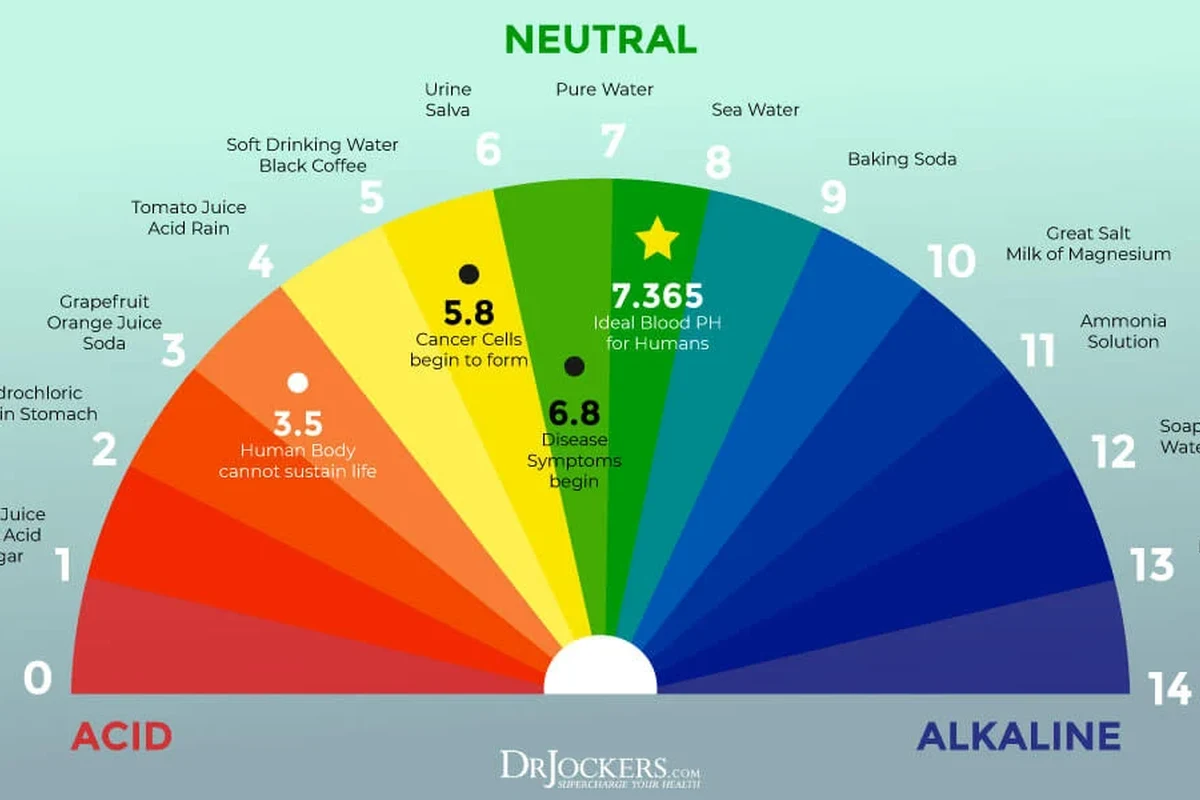
Baking soda is sodium bicarbonate, a chemical compound that behaves as a base when it dissolves in water. That means it raises the pH of a mixture instead of lowering it.
In everyday baking, this matters because pH affects how ingredients react, how quickly batter rises, and how the finished product tastes and browns. For a simple breakdown of how this ingredient reacts with acids, see our guide to the baking soda and vinegar reaction.
Understanding baking soda as sodium bicarbonate
Sodium bicarbonate is not the same thing as baking powder. Baking soda is a single alkaline ingredient, while baking powder includes baking soda plus one or more acids and a starch to keep it stable.
When baking soda meets moisture and an acid, it releases carbon dioxide gas. Those gas bubbles help lift doughs and batters, which is why the ingredient is so useful in quick breads, cookies, and cakes.
The typical pH range of baking soda in water
Pure baking soda does not have one exact pH number in every situation. In a standard water solution, it is commonly described as having a pH around 8 to 9, which places it on the alkaline side of the scale.
That range is enough to influence dough chemistry without making the mixture strongly caustic. In practical kitchen terms, it is alkaline enough to react with acid, but mild enough to be used in food.
Why pH measurements can vary by concentration and method
The pH you get from baking soda depends on how much powder you dissolve, how much water you use, and how the reading is taken. A thicker slurry can read differently than a thin solution.
Temperature, the quality of the water, and the accuracy of the meter or test strip can also change the result. That is why pH values for baking soda are best understood as a typical range, not a fixed number.
Kitchen pH is often discussed as a range because real baking ingredients are rarely pure laboratory samples. Flour, cocoa, buttermilk, yogurt, brown sugar, and eggs all shift the final pH of a batter.
Why Baking Soda’s Alkalinity Matters in Baking
Baking soda’s alkalinity is not just a science fact. It changes how a recipe rises, how it tastes, and even how it looks when baked.
How pH affects leavening and rise
Baking soda needs acid to make carbon dioxide gas efficiently. When the acid and base meet, the mixture starts producing bubbles right away, so the batter should usually go into the oven soon after mixing.
If the batter sits too long, some of the gas escapes before baking, and the rise can be weaker. That is one reason many soda-based batters are mixed quickly and baked without delay.
How alkalinity changes color, flavor, and browning
Higher pH can deepen browning and make baked goods look more golden or even darker. This can be helpful in cookies and some chocolate recipes, where a richer color is part of the appeal.
Alkalinity can also soften sharp acidic flavors. In small amounts, that can improve balance, but too much baking soda may create a soapy, bitter, or metallic taste.
Alkaline ingredients can make cocoa taste smoother and less sharp. That is one reason some chocolate cake recipes use baking soda along with acidic ingredients like buttermilk or natural cocoa.
Examples of recipes where baking soda works best
Baking soda is especially useful in recipes that already contain acid. Think buttermilk pancakes, molasses cookies, gingerbread, chocolate cakes, and banana bread.
It is also common in recipes where browning and spread matter, such as drop cookies. For a deeper comparison of leaveners, our article on using baking soda instead of baking powder safely explains when substitution can work and when it cannot.
How Baking Soda Interacts with Acids in the Dough or Batter
The reaction between baking soda and acid is the heart of its baking power. Without enough acid, the soda may not fully react, and the result can be flat or oddly flavored.
Common acidic ingredients that activate baking soda
Many everyday baking ingredients are acidic enough to activate baking soda. Common examples include buttermilk, yogurt, sour cream, vinegar, lemon juice, molasses, brown sugar in some formulas, natural cocoa, and cream of tartar.
The amount of acid matters as much as the type. A recipe may use one acidic ingredient for flavor and another for structure, so the balance is usually intentional.
What happens when there is too little acid
If there is too little acid, some baking soda may remain unreacted. That can leave a harsh aftertaste and may also affect the crumb, making the baked good taste less clean and sometimes look overly dark.
In a finished bake, too little acid can show up as a dry or slightly coarse texture, depending on the recipe. The rise may also be uneven if the batter chemistry is out of balance.
What happens when there is too much acid
If the batter is too acidic for the amount of baking soda, the soda may neutralize only part of the acid. The result can be a recipe that still tastes tangy and may not brown as well as expected.
Too much acid can also make the crumb tighter or denser if the leavening balance is off. In recipes where structure matters, that imbalance can be just as noticeable as a flavor problem.
Do not assume more baking soda means more lift. Overusing it can leave a strong alkaline taste and can damage the flavor balance of the entire recipe.
How to Measure and Use Baking Soda Correctly
Accurate measurement matters because baking soda is powerful in small amounts. Even a small measuring error can change flavor, browning, and rise.
Typical measurement guidelines for home baking
Most home recipes use baking soda in small spoon measurements, often fractions of a teaspoon to a few teaspoons depending on batch size. Always follow the recipe first, because the correct amount depends on the acidity of the other ingredients.
If you are measuring by volume, level the spoon carefully instead of packing it. Ingredient brand, humidity, and how densely the powder settles can all affect consistency, so a gentle, level measure is the safest approach.
When to sift, mix, or combine it with dry ingredients first
In most recipes, baking soda should be mixed thoroughly with the dry ingredients before adding wet ingredients. This helps prevent bitter pockets and gives a more even rise.
Sifting is not always required, but it can help if the recipe includes cocoa, powdered sugar, or other fine dry ingredients that tend to clump. If a batter must be mixed lightly to avoid overdeveloping gluten, combining the dry ingredients first is especially helpful.
If a recipe uses both acidic and non-acidic ingredients, mix efficiently and get the batter into the pan soon. That helps capture the gas before it escapes.
Signs that the amount is off in a finished bake
Too much baking soda often leaves a soapy or metallic flavor, an overly dark color, or a coarse crumb. Too little may give a pale bake with weak lift and a tighter texture than expected.
If the recipe is otherwise sound, those clues usually point to a measurement or balance issue. Oven calibration, pan size, and rack position can also affect the final result, so do not blame baking soda alone.
The bake tastes bitter, soapy, or metallic.
Check whether the recipe used too much baking soda, or whether there was not enough acid to balance it. Recheck measuring spoons, ingredient freshness, and recipe instructions before trying again.
Common Mistakes Bakers Make with Baking Soda
Baking soda is simple to store and measure, but it is easy to misuse. Most mistakes come from confusing it with baking powder or using it after it has lost performance.
Confusing baking soda with baking powder
This is one of the most common baking errors. Baking soda needs acid from the recipe, while baking powder already contains its own acid and is designed to work in a wider range of batters.
If you swap them without adjusting the rest of the recipe, the texture and flavor can change a lot. For a clear breakdown, our guide on whether baking soda and baking powder are the same is a useful companion read.
Using expired or moisture-damaged baking soda
Baking soda is generally stable, but it can lose effectiveness if it has absorbed moisture or odors from storage. A hard, clumpy box may still be usable in some cases, but it should be checked before relying on it in an important recipe.
Because baking soda can pick up smells, it is best kept sealed away from strong odors. If you want more detail on shelf life, see our article on how to tell when baking soda expires.
Overusing baking soda and causing soapy or metallic flavors
More is not better with baking soda. Excess can push the pH too high, which changes flavor and can make the crumb look odd or taste unpleasant.
In some recipes, a small increase may seem harmless, but the effect can be obvious in the finished bake. If you are adjusting a formula, change one variable at a time and keep notes on the result.
Do not taste raw batter or dough that contains raw flour or raw egg. If you are troubleshooting a recipe, judge the leavener by aroma, texture, and finished crumb instead.
Practical Examples of pH in Everyday Baking
Once you understand pH, baking soda becomes easier to use with confidence. The ingredient is not just about lift; it also shapes the look and taste of the final bake.
Cookies, quick breads, and cakes that rely on baking soda
Chocolate chip cookies often use baking soda for spread and browning. Quick breads like banana bread and zucchini bread often use it because they contain acidic ingredients and benefit from a tender crumb.
Some cakes use baking soda to work with acidic dairy or cocoa. In those recipes, the soda helps the batter rise while also affecting color and flavor balance.
Baking soda helps cookies spread, brown, and develop a deeper flavor when the recipe includes enough moisture and acid.
Banana bread and similar batters often depend on soda for lift because they contain acidic fruit, dairy, or brown sugar components.
How pH influences chocolate, cocoa, and buttermilk batters
Natural cocoa is acidic, so it often pairs well with baking soda. Dutch-process cocoa is less acidic, so a recipe using that ingredient may need a different leavening plan.
Buttermilk batters are another classic example. The acid in buttermilk reacts with baking soda, and the result is often a soft crumb with good browning and a balanced tang.
When baking soda is used for color adjustment beyond leavening
In some recipes, baking soda is added not only to help the batter rise but also to shift color and flavor. A slightly higher pH can make cocoa look darker and can soften acidic notes in the finished bake.
This is one reason small formula changes can have noticeable effects. If you are experimenting, keep the recipe, pan, oven rack, and bake time consistent so you can isolate the effect of the soda.
Storage, Safety, and Final Decision Guide for Bakers
Good baking results depend on both chemistry and storage. A fresh, dry ingredient used in the right recipe is much more reliable than a guess.
How to store baking soda for freshness and performance
Store baking soda in a tightly sealed container in a cool, dry place. Keeping it away from strong odors helps preserve its neutral flavor and keeps it from absorbing unwanted smells.
If you use it for both baking and cleaning, consider keeping separate containers to avoid cross-contamination. That is especially important in a kitchen where flavor and food safety both matter.
When baking soda is the right choice versus baking powder
Baking soda is the right choice when the recipe contains enough acid to activate it and when you want the flavor and browning effects that come with alkalinity. Baking powder is usually better when the recipe is not acidic enough on its own.
If you are unsure which leavener a recipe needs, start by looking at the wet ingredients. Buttermilk, yogurt, sour cream, molasses, natural cocoa, and citrus often point toward baking soda, while neutral batters often need baking powder instead.
- Strong lift when paired with acid
- Improves browning and color
- Useful in many classic baked goods
- Can taste soapy if overused
- Needs the right acid balance
- Less forgiving than baking powder
Recap: what the pH of baking soda means for better baking results
The pH of baking soda is usually around 8 to 9 in water, which makes it mildly alkaline. That alkalinity is what lets it react with acids, create lift, and influence browning and flavor in baked goods.
For best results, match baking soda to the recipe’s acid level, measure carefully, and mix it evenly with the dry ingredients. If you remember that pH controls both chemistry and flavor, you will have a much easier time choosing the right leavener and avoiding common baking mistakes.
- Use baking soda in recipes with acidic ingredients
- Measure level amounts carefully
- Mix it evenly with dry ingredients
- Substituting it for baking powder without adjustments
- Using extra soda for more rise
- Ignoring stale or moisture-damaged product
If you want one simple rule to remember, it is this: baking soda works best when the recipe gives it a reason to react. When the acid balance is right, the pH of baking soda becomes a tool for better rise, better color, and better flavor.
Frequently Asked Questions
Baking soda is typically mildly alkaline in water, often around pH 8 to 9. The exact reading can change with concentration, temperature, and the measuring method.
Baking soda reacts with acid to make carbon dioxide gas, which helps batter rise. Without enough acid, the soda may not fully react and can leave an off flavor.
Sometimes, but only if the recipe has enough acidic ingredients to activate the baking soda. The formula usually needs adjustment, so it is not a direct one-to-one swap.
Common signs include a bitter, metallic, or soapy flavor, plus overly dark color or a coarse crumb. Careful measuring and good acid balance help prevent this.
It may work less reliably if it has absorbed moisture or odors. If you want dependable lift, check freshness before using it in an important recipe.
Recipes with acidic ingredients often use baking soda, such as buttermilk pancakes, banana bread, gingerbread, and some chocolate cakes. It is also common in cookies where browning and spread matter.
