
Baking Soda and Vinegar for Clogged Toilet Works Fast
Baking soda and vinegar may help clear a small toilet clog, but they are not reliable for deep or hard blockages. Use them once as a gentle first step, then switch to a plunger or plumber if the toilet still will not drain.
Yes, baking soda and vinegar for clogged toilet can help with light blockages, especially when the problem is soft toilet paper buildup or minor organic residue. It is not a miracle fix, but it is a simple first step that many homeowners try before moving to a plunger or auger.
- Best for small clogs: It works most often on soft toilet paper or residue buildup.
- Order matters: Add baking soda first, then vinegar for the strongest fizz.
- Safety comes first: Never mix it with bleach or unknown cleaners.
- Know the limit: Deep blockages usually need a plunger, auger, or plumber.
Why Baking Soda and Vinegar Get Recommended for a Clogged Toilet
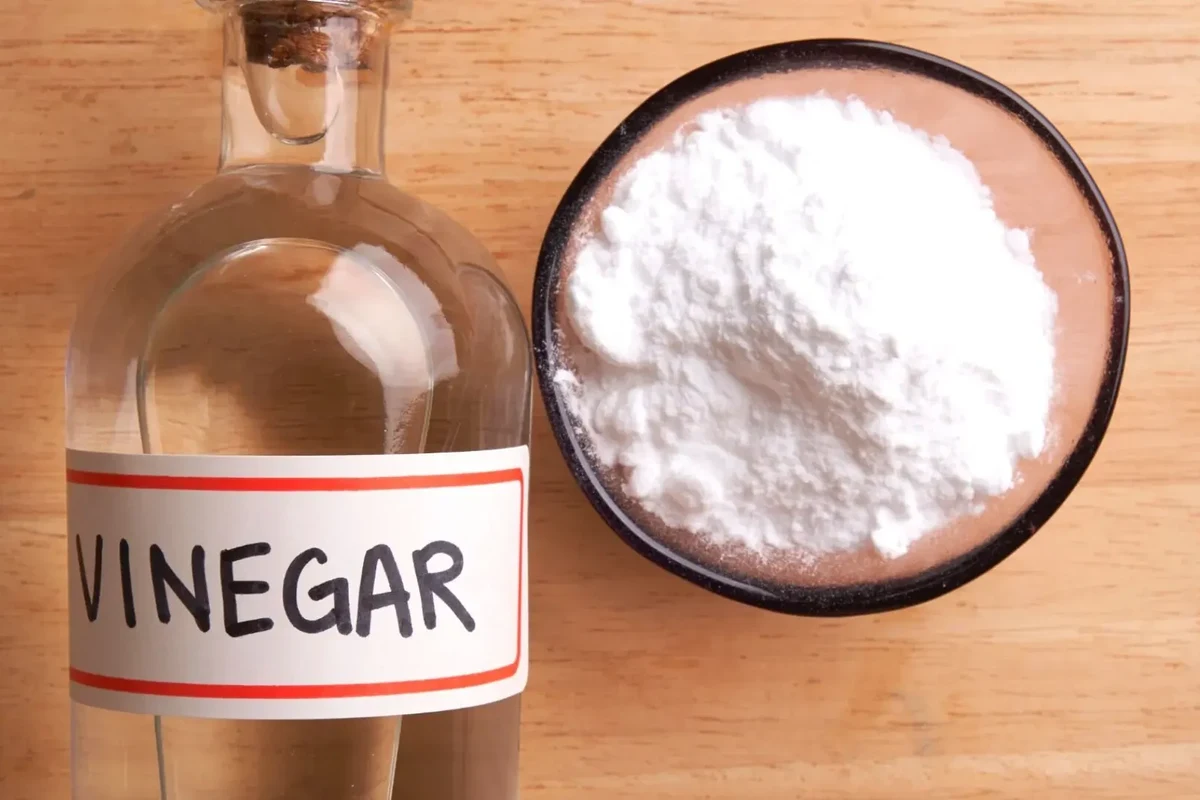
This method gets recommended because it is inexpensive, easy to find, and creates a visible fizz that feels like it should “break up” a clog. The reaction is real, but the result is limited: it can loosen some soft buildup and help move water through a small blockage, but it will not dissolve hard objects or a deep drain obstruction.
How the fizzing reaction is supposed to help
When baking soda and vinegar meet, they form a bubbling reaction that releases carbon dioxide gas. That fizz can agitate the water around the clog and may help nudge loose material apart, especially if the blockage is fresh and not tightly packed.
For a simple science explanation of that reaction, see our baking soda and vinegar reaction explained simply guide. The key point is that the bubbles are more useful for agitation than for “eating through” the clog.
What kinds of minor toilet clogs this method may handle
This approach is most likely to help with small toilet paper clogs, soft waste buildup, and light residue near the bowl or trap. It may also help if the water is draining slowly rather than standing completely still.
If you are dealing with odor and a little buildup in other parts of the bathroom, baking soda is also commonly used in cleaning routines, such as baking soda vinegar cleaning ovens and similar household maintenance tasks. That does not mean the same method works equally well everywhere, but it shows why people reach for it first.
When a clog is too severe for a DIY fix
If the bowl is full to the rim, water backs up into the tub or sink, or the toilet overflows easily, the problem is probably deeper than a minor clog. In that case, baking soda and vinegar is unlikely to solve it on its own.
Anything that looks like a hard blockage, repeated backup, or a sewer line issue usually needs a plunger, a toilet auger, or professional help. The longer you keep trying random mixtures, the more you risk overflow and mess.
This method is best treated as a gentle first attempt, not a guaranteed unclogging solution. If the toilet is close to overflowing, skip straight to safer mechanical methods.
What You Need Before You Try the Method
Before you start, gather the basics so you can work calmly and avoid splashes. This is a simple cleanup task, but toilet water can still carry germs, so gloves and good handwashing matter.
Measuring the baking soda and vinegar correctly
A common home-use starting point is about one cup of baking soda followed by one to two cups of vinegar. Exact amounts can vary based on bowl size and how much water is already in the toilet, but the goal is enough reaction to create fizz without causing an overflow.
Using too little of either ingredient usually gives you a weak reaction. Using too much vinegar can make the bowl foam up faster than expected, especially if the toilet is already nearly full.
Why hot water, a plunger, and gloves matter
Warm or hot water can sometimes help soften a toilet paper clog before you add the reaction mixture, but it should not be boiling. Very hot water can crack porcelain or damage parts inside the toilet tank if it is poured carelessly.
A plunger should be nearby in case the fizz loosens the clog but does not clear it completely. Gloves are also smart because toilet water can splash when the reaction starts or when you later test the flush.
Safety checks before adding anything to the bowl
Make sure you are not mixing this with bleach, toilet bowl cleaner, or any commercial product already in the water. Some combinations can release irritating fumes or create a stronger reaction than you want in a small bathroom.
If the toilet has already been treated with a cleaner, wait, flush if safe, and rinse the bowl before trying baking soda and vinegar. Good ventilation also helps, especially in a small bathroom with the door closed.
Never mix vinegar with bleach or unknown cleaners in the toilet bowl. If you are unsure what was used last, rinse thoroughly and wait before starting.
Step-by-Step: How to Use Baking Soda and Vinegar in a Clogged Toilet
The method is simple, but sequence matters. Baking soda first, then vinegar, gives you the best chance of getting the full fizzing reaction in the bowl instead of letting it start too early in a cup or bucket.
Preparing the toilet bowl and lowering the water level if needed
If the water level is very high, remove a little with a small container so the bowl is not near the rim. That gives the reaction room to foam without spilling onto the floor.
You do not need to empty the bowl completely. In fact, a little water helps carry the reaction around the clog and keeps the mixture in contact with the blockage.
Adding baking soda first, then vinegar for maximum reaction
Add the measured baking soda directly into the toilet bowl and aim it toward the drain opening if possible.
Pour the vinegar in a steady stream so the reaction starts in the bowl, not all at once on the surface.
Allow the mixture to bubble and sit so it can loosen soft material without being disturbed too soon.
For readers who like understanding the chemistry behind common household uses, our clean drains with vinegar baking soda fast and easy article explains why this combination is often used for light drain maintenance. Toilets are different from sink drains, but the same basic bubbling action is what people are hoping to use.
Waiting time, flushing, and when to repeat the process
Give the mixture time to sit before flushing. A short wait may help with very minor clogs, while a longer wait can be useful for stubborn soft buildup, though results still vary.
After waiting, test with a small flush or add a little warm water if the bowl looks like it is draining. If nothing changes after one careful attempt, repeating the process once is reasonable, but do not keep dumping in more and more ingredients.
Low-flow toilets can clog more easily than older models because they use less water per flush, so waste and paper may not move through the trap as forcefully.
What Actually Makes This Method Work Fast in 2026
In 2026, the appeal of this method is still the same: it is quick to try and uses common pantry items. But “works fast” usually means it may help with a light, recent clog rather than a serious blockage.
Soft clogs from toilet paper and organic buildup
Soft clogs are the best match for this method because they can loosen when agitated and soaked. Toilet paper, waste, and slimy residue respond better to bubbling and soaking than to dry, hard material.
If you want a deeper look at how baking soda is used in everyday cleaning, our article on baking soda in laundry benefits shows how it can help with odor and residue in another setting. The same general idea applies here: it is better at helping with buildup than with major blockages.
Why the method works better as a maintenance aid than a guaranteed fix
For many households, this is more of a maintenance aid than an emergency repair. It may freshen the bowl, reduce mild odor, and loosen small debris, but it does not create the mechanical force of a plunger or auger.
That is why it is smart to think of it as a first step, not the final answer. If the clog is packed tightly, the fizz may simply bubble around it and stop there.
How modern low-flow toilets change clog behavior
Modern low-flow toilets save water, but they can also be less forgiving of too much paper or bulky waste. That means clogs may happen more often, and they may sit closer to the trap than in older high-volume toilets.
Because of that design, a fizzing cleaner can sometimes help move a small clog along, but it cannot replace enough water pressure to clear every blockage. The toilet’s design matters just as much as the cleaning method.
Common Mistakes That Make the Clog Worse
Most problems come from rushing, overfilling the bowl, or using the method with the wrong expectations. A careful approach is safer and gives you a better chance of success.
Using too much vinegar or too little baking soda
If you pour in a lot of vinegar without enough baking soda, you may get a weak reaction and a stronger smell, but not much cleaning action. The balance matters because the fizz is part of what helps move the clog.
On the other hand, dumping in too much of both ingredients can create more foam than the bowl can comfortably hold. That is especially risky when the toilet is already blocked and the water has nowhere to go.
Flushing too early and overflowing the bowl
Flushing before the mixture has had time to work can push the clog tighter or send the water level higher. If the bowl is still full and draining slowly, wait rather than forcing the issue.
Use a plunger first if the water is already near the rim. That is usually safer than testing a flush and hoping for the best.
Even though this is a bathroom task, the same safety rule applies as in the kitchen: never combine unknown cleaners. Keep your hands, eyes, and face away from the bowl during the reaction.
Mixing this method with bleach or commercial cleaners
Do not add bleach, acidic toilet cleaners, or other products while the reaction is happening. Some cleaners can react badly together, and even when they do not create a dangerous gas, they can irritate skin and lungs.
If you want a safer cleaning routine, use one method at a time and rinse between products. That habit matters as much in the bathroom as it does when comparing other household uses like hydrogen peroxide and baking soda uses.
When to Stop and Use a Different Unclogging Method
There is a point where baking soda and vinegar is no longer the right tool. Knowing when to stop saves time, reduces mess, and can keep a small clog from becoming a bigger plumbing problem.
Signs of a deep blockage in the trap or drain line
If the toilet gurgles, drains slowly every time, or backs up into other fixtures, the blockage may be deeper than the bowl. A clog in the trap or main line usually will not respond well to a simple fizzing mixture.
Repeated failure after careful attempts is another sign that the issue is beyond surface buildup. At that point, the problem is probably not something pantry ingredients can solve.
When a plunger or toilet auger is the better choice
A plunger is usually the better next step for a soft or medium clog because it creates direct pressure. A toilet auger is better when the clog is farther down or when the plunger does not move the blockage.
These tools are more mechanical and more reliable than chemical reactions for toilet clogs. If you are unsure which one to use, start with the plunger before moving to the auger.
Situations that call for a plumber
Call a plumber if the toilet overflows repeatedly, sewage backs up elsewhere, or the clog keeps returning. Those signs can point to a sewer line issue, vent problem, or another plumbing fault that DIY methods will not fix.
If you rent, tell the property manager before using stronger tools or chemicals. It is better to document the issue than to make the repair more expensive later.
Cleaning, Odor Control, and Preventive Toilet Care
Even when it does not fully clear a clog, this method may still help with mild odor and light residue. That makes it useful as a gentle maintenance step in the right situation.
How this method may help with mild buildup and smell
Baking soda is known for helping absorb odors, and vinegar can help loosen some surface film. Together, they can make the bowl smell fresher after a minor clog or slow drain issue.
That said, odor control is not the same as disinfection or deep cleaning. If sanitation is the goal, follow recognized cleaning guidance and choose products designed for that purpose.
Safe cleanup after the reaction
Once the reaction is over, wipe up any drips on the floor and rinse tools with clean water. Wash your hands well after removing gloves, and keep the bathroom ventilated until the smell fades.
If the clog cleared, flush once more and watch the bowl for a minute to make sure the water level drops normally. If the bowl rises again, stop and move to a plunger or auger.
- Use gloves and keep the bathroom ventilated.
- Measure ingredients before you start.
- Wait before flushing.
- Do not mix with bleach or other cleaners.
- Do not keep flushing a full bowl.
- Do not treat a deep clog like a surface clog.
Simple habits that reduce future toilet clogs
Use less toilet paper per flush, especially with low-flow toilets. If needed, flush twice rather than forcing one large load through the bowl.
Keep wipes, paper towels, and other non-flushable items out of the toilet. Small habits like those prevent the kind of clog that baking soda and vinegar can only partially address.
Final Verdict: Is Baking Soda and Vinegar Worth Trying for a Clogged Toilet?
For a light clog, yes, it is worth trying once. The method is cheap, familiar, and sometimes effective enough to save you from reaching for a plunger right away.
Best-use scenarios for homeowners and renters
This works best for minor toilet paper clogs, slow drainage, and mild odor or residue. It is also a reasonable first attempt for renters who want a low-risk option before using tools or calling for help.
If you are comparing household cleaning approaches, remember that this is closer to a gentle maintenance trick than a heavy-duty repair. It is useful, but only in the right situation.
Limitations, safety reminders, and the smartest next step if it fails
If the mixture does not help after one careful try, move on to a plunger or toilet auger. If the toilet is overflowing, backing up, or clearly blocked deep in the line, stop and contact a plumber.
The smartest approach is simple: try baking soda and vinegar once for a minor clog, stay safe with cleaner mixing, and switch methods quickly if the toilet does not respond.
Baking soda and vinegar can be a useful first aid step for a small toilet clog, but it is not a replacement for a plunger, auger, or plumber when the blockage is serious. Use it carefully, give it time, and stop if the bowl shows signs of backing up.
Frequently Asked Questions
A common starting point is about one cup of baking soda and one to two cups of vinegar. The exact amount depends on the bowl size and how full the toilet is.
You can try it, but it is less likely to work if the toilet is fully blocked or close to overflowing. A plunger or toilet auger is usually a better choice for a severe clog.
Give the mixture time to sit so it can agitate the clog. If the bowl is still high, wait longer rather than flushing too soon.
No. Do not combine baking soda and vinegar with bleach or other cleaners in the bowl. Rinse the toilet first if any cleaner was used earlier.
Try a plunger next, then a toilet auger if needed. If the toilet still backs up or the problem keeps returning, call a plumber.
It may help reduce mild odor and surface buildup. It is not a full disinfecting or deep-cleaning method, so use proper toilet cleaners when sanitation is the goal.