
Baking Soda and Salt Uses for Cleaning and Cooking
Baking soda and salt are useful for different jobs: baking soda helps with rise, acidity, deodorizing, and gentle cleaning, while salt improves flavor, structure, and light scrubbing. Use each one for its strength, and avoid treating them as interchangeable.
Baking soda and salt are two of the most useful pantry staples in a home kitchen, but they do very different jobs. Knowing when to use each one can improve baking, sharpen flavor, and make everyday cleaning easier without guesswork.
- Different jobs: Baking soda leavens and neutralizes acid; salt seasons and strengthens dough.
- Baking matters: Small measurement errors can change spread, crumb, browning, and taste.
- Cleaning use: Baking soda is usually better for odor control; salt is better for mild abrasion.
- Storage counts: Keep both dry and sealed to prevent clumping and contamination.
- Best habit: Match the ingredient to the task instead of swapping by appearance alone.
Why Baking Soda and Salt Are a Useful Pair in the Kitchen and Around the House
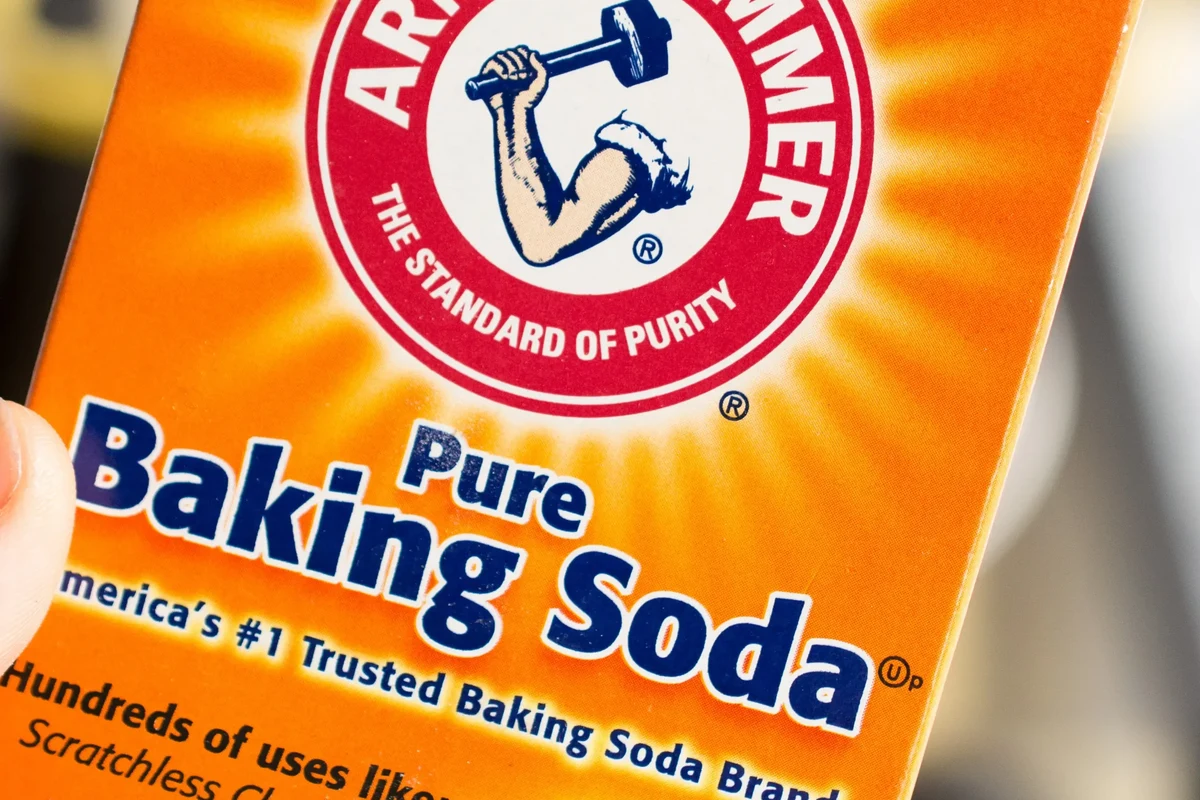
Baking soda and salt are often mentioned together because both are inexpensive, versatile, and easy to store. They are not interchangeable, though, since one changes chemistry while the other mainly changes flavor, moisture behavior, and surface texture.
How each ingredient works differently: leavening, seasoning, odor control, and scrubbing
Baking soda is sodium bicarbonate. In food, it reacts with acids and heat to create carbon dioxide, which helps batter or dough rise. It also helps some foods brown faster and can soften acidic flavors when used carefully.
Salt is sodium chloride. In cooking, it deepens flavor, supports gluten structure in dough, and helps balance sweetness. Around the house, it can add mild abrasion for scrubbing and can help with some odor control, though it is not a true deodorizer like baking soda.
Why searchers compare baking soda and salt instead of treating them as interchangeable
People compare them because both are white crystals and both appear in baking and cleaning. The problem is that they solve different problems. If you use salt where baking soda is needed, you may get flavor but no leavening. If you use baking soda where salt is needed, you may change taste in an unpleasant way.
For readers who are still learning the difference between pantry leaveners, it helps to review baking soda versus baking powder before swapping ingredients. That distinction matters more than many beginners expect.
Baking soda needs an acid to react fully in many recipes, while salt does not create lift at all. Salt’s main job is flavor and structure, not leavening.
Baking Soda and Salt in Baking: What They Do in Doughs, Batters, and Finishing
In baking, small measurement changes can have a big effect. A spoon too much or too little may change spread, crumb, browning, and even how the finished item tastes on the tongue.
How baking soda affects rise, browning, and texture in quick breads and cookies
Baking soda is common in quick breads, chocolate cakes, muffins, and many cookies that include acidic ingredients such as buttermilk, yogurt, sour cream, molasses, natural cocoa, or brown sugar. When the acid and baking soda meet moisture and heat, gas forms and the batter expands.
It also encourages browning. That is why some cookies and cakes made with baking soda look more golden and taste a little deeper in flavor. Too much, however, can create a coarse crumb, an over-spread cookie, or a soapy note.
How salt sharpens flavor, strengthens gluten, and balances sweetness
Salt does not make dough rise, but it does make baked goods taste more complete. In bread dough, it tightens and strengthens gluten, which can improve dough handling and final structure. In sweet doughs and batters, it keeps sugar from tasting flat.
Even a small amount can clarify chocolate, caramel, vanilla, and fruit flavors. Without salt, many desserts taste dull or one-dimensional, even if the recipe is otherwise correct.
If a recipe tastes sweet but oddly flat, the issue may be too little salt rather than too little sugar. A measured pinch can sometimes improve balance without making the item taste salty.
Common measurement mistakes that affect taste, spread, and crumb
The biggest baking mistake is assuming “a little extra” will not matter. Too much baking soda can leave a metallic or soapy aftertaste, especially if the recipe does not contain enough acid to neutralize it. Too little can leave baked goods dense or pale.
Salt mistakes are usually about type and measuring method. Fine table salt measures differently from kosher salt by volume, and coarse salt may not dissolve the same way in short-mixed batters. Ingredient brand, humidity, and how tightly a spoon is packed can all change the result.
Do not substitute by volume between different salt types unless the recipe specifically says to. Table salt, kosher salt, and flaky salt can vary a lot in density and saltiness per spoonful.
Cooking Uses of Baking Soda and Salt Beyond the Oven
Outside baking, baking soda and salt still have very different strengths. One is best for certain texture changes and acidity control, while the other is essential for seasoning and moisture management.
When baking soda helps with tenderizing, blanching vegetables, or reducing acidity
Baking soda can help tenderize some vegetables by making the cooking water more alkaline, which softens cell walls faster. That can be useful in very specific cases, but too much can make vegetables mushy and dull their color or flavor. It can also help reduce sharp acidity in tomato-based sauces, though careful tasting is important so the food does not taste flat.
Some cooks use a tiny amount in bean cooking or in certain stir-fry techniques to speed softening, but the effect is easy to overdo. If you are interested in ingredient reactions, our guide to the baking soda and vinegar reaction explains why acid-base reactions matter in the kitchen and around the sink as well.
When salt matters most in pasta water, brines, soups, and roasted foods
Salt is most important when it can season food from the inside or throughout the cooking process. Pasta water, soup, stock, brines, and roasted vegetables all benefit from early, even salting. This is not just about making food taste salty; it is about making the final dish taste balanced and complete.
In roasting, salt also helps draw moisture to the surface and then reabsorb it, which can improve seasoning and browning. In brines, it changes how proteins hold moisture, which is why chicken, pork, and some vegetables can taste juicier after proper brining.
Examples of practical use cases for everyday home cooking in 2026
For a weeknight cook in 2026, baking soda may be useful if you are making a tomato sauce that tastes too sharp, or if you need a fast tenderizing boost for a vegetable side. Salt, on the other hand, is the ingredient you reach for in nearly every savory dish, from eggs to roasted potatoes to soup.
If you are using an air fryer or convection-style appliance, salt still matters for surface seasoning and crispness, while baking soda is only useful in recipes designed for it. For equipment-specific guidance, always follow the manufacturer’s instructions, especially when liners, coatings, or basket materials are involved. If you want to compare appliance safety topics, see our article on whether air fryers are dangerous.
A tiny pinch of baking soda can soften excess acidity, but it should be added gradually and tasted between additions.
Salt belongs here because it seasons the pasta itself as it cooks, which plain water cannot do.
Cleaning Uses: When Baking Soda and Salt Work as Gentle, Low-Cost Cleaners
In cleaning, both ingredients are useful because they are mild and inexpensive. Baking soda is usually better for odor control and gentle scrubbing, while salt is better when you want a little more abrasion.
Best surfaces and messes for each ingredient, including sinks, pans, and drains
Baking soda works well on sinks, cutting boards, stainless steel, and some baked-on messes when paired with water or a soft sponge. It can loosen residue without the harshness of strong abrasives. Salt can help scrub stuck food from cast-iron pans, cutting boards, and some cookware surfaces when used carefully.
For drains and odor-heavy cleanup, baking soda is often the first choice because it can help neutralize smell. If you are specifically dealing with drain maintenance, our guide on cleaning drains with vinegar and baking soda covers the basic reaction and its limits.
How to use them for scrubbing without damaging nonstick, stainless steel, or stone
Use a soft cloth, sponge, or nylon scrubber for most jobs. On stainless steel, a baking soda paste can lift residue if you rub with the grain and rinse well. On nonstick pans, avoid aggressive scrubbing, because even mild abrasives can shorten the life of the coating.
Stone countertops and sealed surfaces need extra caution. Even gentle powders can leave a haze if they are not rinsed fully, and repeated abrasive rubbing can dull the finish. When in doubt, test a small hidden spot first.
Never scrub hot pans right away or use abrasive powders on delicate coatings while the surface is still warm. Let cookware cool first to reduce warping, burns, and finish damage.
What not to mix them with, including vinegar, bleach, and delicate finishes
Baking soda and vinegar are often combined in cleaning videos, but the fizz is mostly a short reaction, not a powerful all-purpose cleaner. For more detail, see our explanation of the baking soda and vinegar reaction. Do not mix either ingredient with bleach, because bleach should be used only as directed on the label and never combined with other cleaners unless the product instructions say it is safe.
Also avoid using salt or baking soda on delicate finishes, unsealed stone, or surfaces that scratch easily. A gentle cleaner used the wrong way can still cause damage.
How to Choose Between Baking Soda, Salt, or a Combination for a Specific Task
The best choice depends on the goal. Ask whether you need lift, flavor, deodorizing, or abrasion, and the answer usually becomes clear.
Decision points based on purpose: cooking, deodorizing, stain removal, or abrasion
If the task is baking or acidity control, baking soda is usually the better choice. If the task is seasoning food, salt is the better choice. If the task is removing stuck-on residue, either ingredient may help, but baking soda is milder and salt is more abrasive.
If the task is deodorizing a fridge, trash area, or container, baking soda usually has the edge. If the task is loosening dried food from a pan, salt may work better because of its texture.
When a baking soda and salt blend makes sense and when it does not
A blend can make sense for certain cleaning jobs where you want both mild deodorizing and light scrubbing. It may also be useful in a seasoning rub where salt is the main ingredient and baking soda is intentionally included for a specific texture or browning effect, though that is less common and should be recipe-driven.
It does not make sense to blend them casually in baking unless the recipe accounts for both. In baking, salt and baking soda are not interchangeable, and combining them without a formula can throw off taste and texture.
- Baking soda can lift, brown, and neutralize some acidity.
- Salt improves flavor and strengthens many doughs.
- Both are low-cost and easy to keep on hand.
- Baking soda can taste soapy if overused.
- Salt can ruin balance if measured carelessly.
- Neither is a substitute for stronger cleaners or proper recipe structure.
Practical examples of choosing the right ingredient for common household problems
For a smelly sink, choose baking soda first. For a bland soup, choose salt first. For a pan with stuck-on residue, start with a soak and then use baking soda or salt depending on whether you need gentleness or more abrasion.
If you are dealing with laundry residue or fabric odor, do not assume kitchen salt is the answer. A separate cleaning approach may work better, and readers can compare options in our article on baking soda in laundry before trying it on fabrics.
Storage, Shelf Life, and Safety for Baking Soda and Salt in the Home
Both ingredients keep well, but storage still matters. Moisture, odors, and contamination can reduce quality even when the product technically does not “go bad” in a dramatic way.
How to store each ingredient to prevent clumping, contamination, and odor transfer
Keep baking soda in a tightly closed container away from strong odors. It can absorb smells from the pantry or fridge, which is useful in some cases but not ideal for baking storage. Salt should also be sealed well, especially in humid kitchens where clumping can happen.
Use clean, dry scoops. A wet spoon can introduce moisture that causes clumps or makes measuring less reliable.
How to tell if baking soda has lost effectiveness and when salt quality changes matter
Baking soda can lose effectiveness over time, especially if exposed to moisture or if it has been stored for a long period after opening. A simple freshness check is to combine a small amount with vinegar and look for a strong fizz, though a lack of reaction means it should not be trusted for baking. For a deeper guide, see how to tell if baking soda has expired.
Salt does not usually “expire,” but quality can change if it picks up odors, moisture, or contaminants. Iodized salt can also be less ideal for some specialty recipes where a cleaner salt flavor or different crystal size matters.
Storage needs depend on your kitchen humidity and the container you use. In damp climates, airtight jars or sealed bins matter more than they do in dry homes.
Safety notes for food use, cleaning use, pets, and sensitive skin
For food use, follow recipe amounts carefully and keep cleaning products separate from ingredients meant for eating. For cleaning, rinse food-contact surfaces thoroughly before using them again. If you have pets, store both ingredients out of reach, since large amounts can cause problems if ingested.
For sensitive skin, wear gloves if repeated scrubbing causes dryness or irritation. If a surface or ingredient contact causes a rash or breathing concern, stop and seek qualified medical guidance.
Common Mistakes People Make With Baking Soda and Salt
Most problems come from overuse, confusion, or assuming one ingredient can do the job of the other. A little precision goes a long way with both.
Using too much baking soda and leaving a soapy or metallic taste
Too much baking soda can overpower a recipe fast. The finished item may taste soapy, metallic, or oddly alkaline, and baked goods may brown too quickly on the outside while staying underbaked inside. This is especially common in recipes that do not include enough acid to balance the soda.
If you are unsure whether a recipe needs soda or powder, review the formula before adding more leavener. A helpful starting point is our guide on using baking soda instead of baking powder safely.
Over-salting food or relying on salt for cleaning tasks it cannot handle well
Salt is powerful in food because it seasons every bite, but that also means over-salting is hard to fix. In cleaning, salt can scrub, but it will not replace a true degreaser, disinfectant, or specialty cleaner where those are needed.
Use salt as a support tool, not a cure-all. It works best when the problem is simple residue, mild abrasion, or seasoning.
Confusing baking soda with baking powder or using table salt where texture matters
Baking soda and baking powder are not the same, and the wrong one can change a recipe from light and tender to dense or bitter. Table salt and kosher salt are also not identical, especially when a recipe depends on crystal size or fast dissolving. If you need a refresher on that comparison, see our ingredient comparison guide.
Final Verdict: The Best Ways to Use Baking Soda and Salt in a Modern Home
Baking soda is the better choice for leavening, soft acidity control, deodorizing, and gentle cleaning. Salt is the better choice for seasoning, dough structure, brining, and many everyday scrubbing jobs where a little texture helps.
Recap of the most reliable cooking and cleaning applications
In cooking, use baking soda when a recipe needs chemical lift or a small acidity adjustment, and use salt when a dish needs flavor and balance. In cleaning, use baking soda for mild deodorizing and residue removal, and use salt when the task calls for light abrasion.
Which ingredient to keep on hand for baking school basics, everyday cooking, and household maintenance
If you are building a beginner baking pantry, keep both. Baking soda supports classic baking school basics, while salt is essential for nearly every savory and sweet recipe. For everyday household maintenance, baking soda is usually the more versatile cleaner, but salt is still useful enough to earn a place in the cabinet.
The safest and most effective approach is simple: choose the ingredient based on the job, measure carefully, and avoid treating them as substitutes. That habit improves your cooking, protects your cookware, and keeps cleanup easier.
Frequently Asked Questions
No. Baking soda changes rise and acidity, while salt mainly improves flavor and structure. Swapping them usually harms taste or texture.
Yes, sometimes. A blend can help with mild scrubbing and odor control, but it is not a substitute for stronger cleaners or the right product for the surface.
Check for clumping, moisture damage, or weak reaction with an acid test. If it no longer fizzes strongly, replace it for baking.
It depends on the recipe. Table salt, kosher salt, and fine sea salt measure differently, so follow the type named in the recipe when possible.
No. It is usually fine on many stainless steel surfaces, but it can be too abrasive for some nonstick coatings, stone, or delicate finishes.
Excess baking soda leaves an alkaline taste when there is not enough acid to balance it. That can make baked goods taste metallic, bitter, or soapy.
