Baking soda paint creates a thick, matte, textured finish that works well for crafts, signs, and decor. The best results come from small test batches, thin layers, and the right paint base for the surface.
Baking soda paint is a simple way to add body, matte finish, and light texture to everyday craft paint. It works well for projects that need a handmade look without expensive supplies, but the mix has limits, so the best results come from matching the paint type, ratio, and surface to the project.
- Best paint base: Acrylic usually gives the most reliable texture and finish.
- Texture control: Add baking soda slowly to avoid cracking and chalkiness.
- Good surfaces: Canvas, paper, and unfinished wood are the easiest to work with.
- Project fit: Use it for decorative crafts, not high-wear or flexible items.
What Baking Soda Paint Is and Why It Creates a Unique Texture
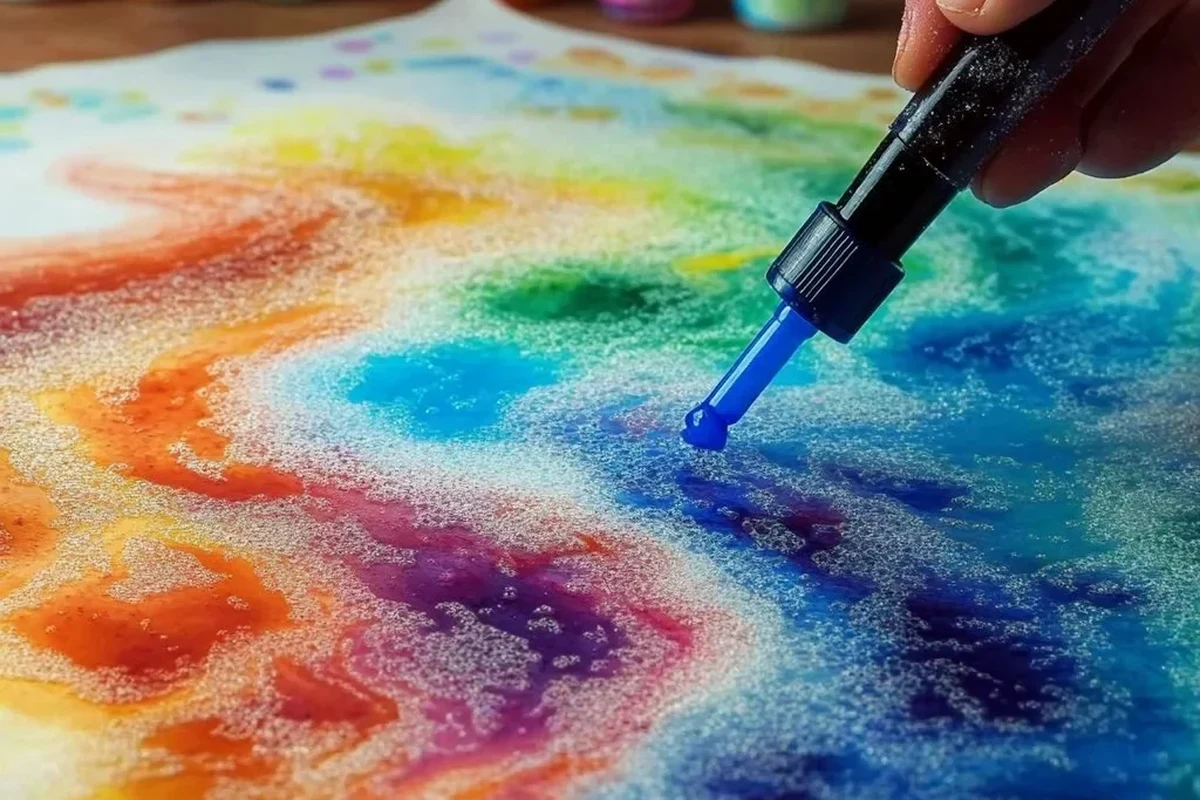
Baking soda paint is exactly what it sounds like: paint mixed with baking soda to make it thicker and more textured. The baking soda changes how the paint sits on the surface, so the finish looks softer, chalkier, and less glossy than standard craft paint.
This works because baking soda adds dry solids to the paint base. That extra body reduces flow, increases brush marks, and can create a slightly grainy surface that feels more like plaster or ceramic glaze than flat paint.
How baking soda changes paint body, finish, and surface grip
When you stir baking soda into paint, the mixture becomes denser and easier to control on vertical or detailed surfaces. It also dries to a matte finish, which helps colors look muted, vintage, or handmade.
The texture can improve grip on some surfaces, especially porous ones like canvas, paper, and unfinished wood. On slick surfaces, though, the same texture can work against you if the paint cannot bond well underneath.
Baking soda is mildly alkaline, but in paint projects its main job is mechanical, not chemical. It thickens the paint and changes the finish more than it changes the color itself.
Best project types for this thick, matte, craft-friendly paint
This paint is best for decorative pieces, not high-wear items. It shines in wall art, seasonal decor, faux finishes, handmade signs, and classroom crafts where a soft texture is part of the design.
If you want a more rustic surface, baking soda paint can be a good fit for wood plaques, mason jar accents, or canvas pieces. For a smoother, more polished finish, regular paint is usually the better choice.
Materials, Paint Types, and Mixing Ratios That Work Best
The paint base matters as much as the baking soda. Some paints hold the powder evenly, while others turn lumpy, streaky, or too dry to brush on cleanly.
Choosing between acrylic paint, tempera, and washable craft paint
Acrylic paint is usually the most reliable choice because it has stronger binders and dries into a durable film. Tempera and washable craft paint can work for kid projects, but they often need more careful mixing because they are thinner and may not hold texture as well.
If you are making art for display, acrylic gives the best chance of a stable matte finish. If the project is temporary, classroom-based, or meant for young children, washable paint may be easier to clean up, even if the final texture is less crisp.
Always check the paint label before mixing. Some paints are not designed for porous, sealed, or food-contact surfaces, and no craft paint should be used on items that will touch food unless the manufacturer clearly says it is safe.
Starter ratios for smooth, textured, and paste-like baking soda paint
There is no single exact ratio that works for every brand, because paint thickness varies. A practical starting point is to begin with a small amount of baking soda and add more only until you reach the texture you want.
For a smoother finish, use less baking soda and keep the mixture spreadable. For a more textured result, add enough to make the paint hold visible brush strokes. For a paste-like effect, keep adding slowly until the paint mounds on the brush and spreads like a thick frosting.
Optional add-ins for color depth, texture, and better coverage
You can deepen the look by layering colors instead of trying to make one mix do everything. A second color brushed lightly over the first can create shadow and dimension without making the paint too thick.
For even more texture, some crafters add a little fine sand or a textured medium, but those extras change the finish quickly. If coverage is weak, it is usually better to apply a second coat than to overload the mix with dry ingredients.
If you want a smoother result, strain out clumps before painting. Even a few unmixed grains can leave rough spots that show up once the paint dries.
Easy Baking Soda Paint Ideas for Kids, Home Decor, and Seasonal Crafts
Baking soda paint works best when the texture supports the design instead of fighting it. Think about whether you want a rough artisan look, a soft chalky finish, or raised details that stand out from the surface.
Textured canvas art and abstract color blocking
Canvas is one of the easiest surfaces for baking soda paint because it accepts brush texture well. Abstract blocks of color, ombré backgrounds, and layered strokes all look more interesting when the paint has a little body.
For a modern look, use two or three colors and let the brush marks remain visible. The matte finish helps the colors read as calm and earthy rather than shiny or plastic-like.
Raised lettering, stenciled signs, and faux ceramic effects
For signs and labels, thicker baking soda paint can create raised lettering or a hand-painted stencil effect. The edges will not look as sharp as vinyl, but the result often feels more handcrafted and decorative.
On wood or primed panels, the same mix can mimic a faux ceramic or plaster finish. That makes it useful for shelf decor, quote boards, and small home accents where a slightly imperfect surface is part of the appeal.
- Creates a handmade matte look
- Works well for texture and layering
- Uses inexpensive, easy-to-find supplies
- Can crack if mixed too thick
- May not bond well to slick surfaces
- Not ideal for washable or high-touch items
Holiday ornaments, cards, and themed classroom projects
Holiday ornaments, paper cards, and classroom art are all good candidates because they do not need heavy durability. Baking soda paint can create snow-like texture, embossed details, or a frosted look on winter crafts.
For classroom use, keep the design simple and the cleanup easy. Paper, cardstock, and lightweight wood shapes usually give the most predictable results, especially when many children are working at once.
The matte texture looks like snow, frost, or ceramic glaze and works well on simple shapes.
Raised dots, borders, and lettering add depth without needing special tools.
Large painted shapes are forgiving, which makes them easier for group projects.
Step-by-Step Method for Mixing and Applying Baking Soda Paint
The best way to make baking soda paint is to mix small batches and test them before committing to the full project. That gives you control over thickness, brush feel, and drying behavior.
How to measure, blend, and test consistency before painting
Start with a small amount of paint in a mixing cup or palette. Add baking soda gradually while stirring until the mixture looks even and no dry pockets remain.
Test a swipe on scrap paper, cardboard, or the same material you plan to paint. If it drags too much, add a little more paint. If it runs or looks flat, add a little more baking soda.
- Choose a paint base that matches the project surface
- Mix a small test batch first
- Prepare scrap material for testing
- Cover the work area before painting
Brush, sponge, and palette knife techniques for different effects
Brushes work best for general coverage and visible strokes. A sponge gives a softer, more broken texture, while a palette knife can push the mixture into raised ridges for a heavier craft look.
If you want a smoother surface, use a soft brush and avoid overworking the paint. If you want more texture, apply it in one direction and leave the surface alone as it starts to set.
Combine paint and baking soda until the texture is even, then test it on scrap.
Spread the paint with a brush, sponge, or knife depending on the finish you want.
Wait until the surface is dry to the touch before deciding whether to add more texture or another coat.
Layering, drying time, and when to add a second coat
Drying time depends on paint type, thickness, room humidity, and the surface underneath. A thick layer can feel dry on top while still being soft below, so patience matters more than speed here.
Add a second coat only after the first layer has set enough not to smear. If you brush over a layer too soon, you can pull up the texture and leave patchy spots that are hard to fix.
Mix a small batch, test the texture, and prep the surface before painting.
Let the paint dry until the surface no longer feels tacky; thicker layers may need longer.
Add only if needed for coverage or texture, and keep the layer thin enough to avoid cracking.
Common Mistakes That Ruin the Finish
Most problems with baking soda paint come from pushing the mix too far. The paint can look great in the cup and still fail on the surface if the ratio, base, or prep is wrong.
Using too much baking soda and causing cracking or chalkiness
Too much baking soda makes the paint dry into a brittle layer. That can lead to cracking, flaking, or a powdery surface that sheds when touched.
If the paint starts to look like dry paste instead of a smooth coating, it is usually too thick for even application. Thin it with more paint and keep the texture under control instead of chasing a heavier effect.
The paint dries chalky, cracks, or falls off in pieces.
The mix likely has too much dry ingredient or was applied too thickly. Reduce the baking soda, apply thinner coats, and let each layer dry before adding more.
Mixing with the wrong paint base or over-thinning the mixture
Very thin paint can become watery once baking soda is added, which makes application uneven. On the other hand, some thick paints can clump if they are not stirred thoroughly.
Choose a paint that already fits the project and do not try to rescue a weak mix by adding water too quickly. If you need more flow, add a little paint first and recheck the texture before thinning further.
Skipping surface prep on wood, canvas, paper, or glass
Surface prep matters because texture needs something to grip. Dust, grease, glossy coatings, and damp surfaces all make bonding weaker.
Wood and canvas usually behave better than glass or highly sealed surfaces. If you are painting a slick object, lightly sanding or priming it first may improve adhesion, but always follow the product directions for the specific primer and paint.
- Clean and dry the surface before painting
- Test the mix on a hidden area or scrap piece
- Build texture with thin layers
- Painting over dust, grease, or moisture
- Using a thick paste on flexible surfaces
- Expecting one heavy coat to do everything
Safety, Cleanup, and Storage Tips for Mess-Free Projects
Baking soda paint is generally simple to handle, but it still needs normal craft safety habits. That matters most when children are involved or when you are working with multiple surfaces and tools at once.
Non-toxic considerations for kids and classroom use
Many craft paints are marketed as non-toxic, but that does not mean they are edible or safe on every surface. Keep paint away from mouths, eyes, and food-contact items, and supervise younger children closely.
If allergies are a concern, check the full product label and avoid cross-contact with known triggers. For school projects, it is smart to verify the paint brand and classroom rules before you begin.
Do not use baking soda paint on plates, mugs, serving boards, or any item that will touch food unless the paint manufacturer clearly says it is food-safe after curing. Decorative craft paint is not the same as a food-safe finish.
How to clean brushes, palettes, and work surfaces quickly
Clean tools soon after use, before the paint starts to set. Warm water and mild soap usually work for water-based craft paints, but dried baking soda paint can cling to bristles and palette edges.
Wipe spills while they are still wet, then rinse the area well. If the mix has dried into a crust, soak the tool first rather than scrubbing hard and damaging the bristles.
How long mixed baking soda paint lasts and when to discard it
Mixed baking soda paint does not keep as well as unopened paint because the added powder changes the texture over time. It can thicken, separate, or develop lumps as it sits.
For best results, make only what you plan to use the same day. If the mixture becomes grainy, stringy, or difficult to spread even after stirring, it is usually better to discard it and mix a fresh batch.
When Baking Soda Paint Is the Right Choice and When It Is Not
Baking soda paint is a smart choice when texture, matte finish, and low-cost materials matter more than durability. It is less suitable when the surface needs to flex, get washed often, or stand up to heavy handling.
Best use cases for craft projects, budget decorating, and texture effects
Use this method for signs, seasonal decor, abstract art, and beginner-friendly craft projects. It also works well when you want a handmade look without buying specialty texture paints.
If you are comparing different baking soda techniques, it can help to read about baking soda and vinegar reaction basics and safe baking soda substitutions so you can separate useful kitchen science from craft-only uses. The same ingredient behaves differently depending on whether it is reacting, thickening, or cleaning.
Limitations on flexible surfaces, outdoor pieces, and high-wear items
Baking soda paint is not the best option for fabric that bends, outdoor decor exposed to weather, or objects that will be handled constantly. The thicker the mix, the more likely it is to crack when the surface moves.
It is also not a good match for pieces that need a hard, washable finish. For those projects, a paint or coating designed for that surface will usually last longer and look better.
For readers who like using baking soda in other practical ways, you may also find our guides on baking soda for shoes cleaning and baking soda vinegar cleaning ovens helpful for understanding where the ingredient shines outside of crafts.
Final recap for choosing the right project and finish
The best baking soda paint projects are simple, decorative, and forgiving. Start with a small batch, choose a compatible paint base, and test the texture before you paint the final surface.
If you want matte color, visible brush marks, and a handmade finish, baking soda paint is a practical option. If you need durability, flexibility, or a perfectly smooth coat, skip the texture mix and use a paint made for that job instead.
Baking soda paint is best for creative projects that benefit from a soft, textured, matte finish. Keep the mix small, the layers thin, and the surface prep careful for the most reliable result.
Frequently Asked Questions
Acrylic paint is usually the most reliable because it holds texture well and dries into a stronger film. Tempera and washable craft paint can work for kid projects, but they may need more careful mixing.
Start with a small amount and add more gradually until you like the texture. The right ratio depends on the paint brand, the surface, and whether you want a smooth, textured, or paste-like finish.
Cracking usually means the mix is too thick or was applied in a heavy layer. Use less baking soda, paint in thinner coats, and let each layer dry before adding another.
It is possible, but adhesion is less reliable on slick surfaces than on canvas, paper, or unfinished wood. Cleaning, priming, or light sanding may help, depending on the item and the paint directions.
It is best to use it the same day you mix it. Over time, the mixture can thicken, separate, or become lumpy, which makes it harder to apply smoothly.
It is generally suitable for supervised craft use, especially with non-toxic water-based paint, but it should not be treated as edible or food-safe. Keep it away from mouths and check labels for allergy or surface warnings.
