
How to Clean a Mattress with Baking Soda Fast and Easy

Baking soda can freshen a mattress by absorbing some moisture and odors from the surface. Vacuum first, apply a thin even layer, let it sit, then vacuum thoroughly for the best result.
If your mattress smells stale, feels damp, or just needs a quick refresh, baking soda is one of the simplest fixes. This guide shows how to clean a mattress with baking soda fast and easy, while also explaining what it can and cannot do.
- Best use: Baking soda works well for sweat, musty smells, and general freshness.
- Method: Vacuum first, treat spots if needed, then apply a thin layer and vacuum again.
- Limit: It cannot remove deep stains, mold, or heavy urine damage on its own.
- Safety: Keep the mattress dry and let it air out fully before remaking the bed.
- Maintenance: Use a protector and regular vacuuming to keep odors from building up again.
Why Baking Soda Works on Mattress Odors, Moisture, and Surface Stains
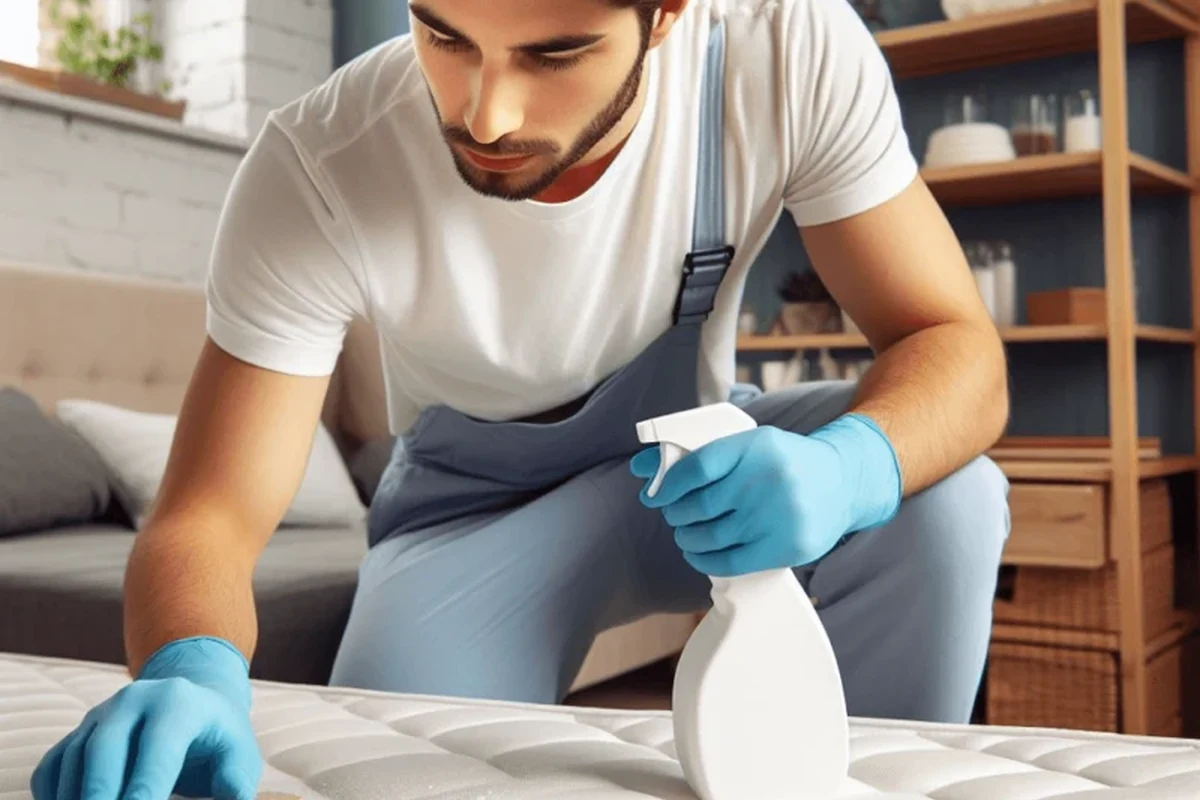
Baking soda helps because it is mildly alkaline and can absorb some moisture and odor compounds from the mattress surface. It does not “wash” a mattress the way water and detergent clean a shirt, but it can reduce smells and help lift a dry, dusty feel.
For mattress care, that matters. A bed can hold onto sweat, body oils, pet smells, and room odors, especially if the room stays humid or the bedding is not changed often. Baking soda is useful when the problem is mostly on the surface and not deep inside the padding.
What baking soda actually absorbs and what it cannot remove
Baking soda can help absorb light moisture and neutralize some odor molecules. It can also loosen dry residue sitting on the fabric, which makes vacuuming more effective afterward.
It cannot remove set-in stains, disinfect a mattress, or fix damage caused by mold, urine, or a long-term leak. If the mattress is wet through the layers, baking soda is only a small part of the solution.
When this method is best for sweat, musty smells, and everyday freshness
This method is best for routine freshening. Think sweat odor, a faint musty smell, or a mattress that simply needs a reset between deep cleans.
If you want a broader home-cleaning routine, you may also find our guide on baking soda for smoke odors helpful, since the same odor-absorbing principle applies in other rooms. For a similar everyday cleaning approach, see this baking soda trick that actually works fast and easy.
Baking soda works best on dry surfaces because moisture helps odors cling to fibers. That is why letting it sit before vacuuming usually gives better results than brushing it off right away.
What You Need Before You Start: Supplies, Mattress Type, and Safety Checks
Before you begin, make sure the mattress is dry on the surface and that you can vacuum it thoroughly afterward. A little preparation saves time and keeps powder from getting trapped in seams or foam layers.
Choosing the right baking soda amount for twin, queen, and king mattresses
Use enough baking soda to create a light, even layer over the sleeping surface. As a general guide, a twin mattress may need less than a queen or king, but the exact amount depends on the mattress thickness, fabric texture, and how strong the odor is.
Do not bury the mattress under a thick white blanket of powder. A thin, even coat is usually more effective and much easier to vacuum cleanly.
If you are unsure how much to use, start with a light layer and add a little more only where the odor is strongest. More powder is not always better if it gets trapped in seams or around quilting.
Optional tools: vacuum, soft brush, microfiber cloth, and stain pretreatment
A vacuum is the most important tool because it removes the baking soda after it has had time to work. A soft brush can help spread the powder evenly without grinding it into the fabric.
Keep a microfiber cloth nearby for blotting small spots before you apply baking soda. If you need a stronger stain approach, pretreat the spot first, then let the area dry fully before adding powder.
Safety notes for memory foam, pillow-top, latex, and older mattresses
Memory foam and latex mattresses should stay as dry as possible, because too much liquid can soak into the layers and cause longer drying times. Pillow-top mattresses often have more seams and quilting, so powder can settle into edges and need extra vacuuming.
Older mattresses may already have worn fabric or weak stitching. Be gentle with brushing and avoid harsh scrubbing, which can damage the cover or push residue deeper into the surface.
Do not use baking soda as a fix for active mold, heavy urine damage, or a mattress that feels wet inside. If you suspect mold or deep moisture, the mattress may need professional evaluation or replacement.
Step-by-Step: How to Clean a Mattress with Baking Soda Fast and Easy
The fastest safe method is simple: remove loose dirt, treat stains if needed, apply baking soda evenly, wait, and vacuum thoroughly. The whole process is easy, but the waiting time makes the biggest difference in results.
Remove sheets, mattress pads, and protectors. Vacuum the mattress surface slowly, especially along seams, tufts, and edges where crumbs and dust collect.
If you see a stain, blot it first with a dry or slightly damp microfiber cloth. Use a stain pretreatment only if the mattress label and product directions allow it, then let the area dry completely.
Shake or sprinkle a thin, even layer over the mattress. Let it sit long enough to absorb odors and moisture from the surface, then keep pets and children off the bed while it works.
Vacuum slowly in overlapping passes. Check seams, corners, and quilting for white powder, and repeat with a clean vacuum pass if needed.
If you are also dealing with laundry or fabric odors, our article on baking soda in laundry benefits explains why the same ingredient is so useful on soft surfaces. For a deeper look at ingredient behavior, see baking soda and vinegar reaction explained simply.
If your vacuum has multiple settings, use the upholstery attachment and a lower suction setting first on delicate fabrics. That helps keep the cover from pulling up while still removing loose powder.
How Long to Leave Baking Soda on a Mattress for Best Results
How long you leave baking soda on depends on the goal. A short refresh can help with light odors, while a longer sit time is better for deeper freshness and a more noticeable clean smell.
Short refresh sessions versus deeper odor-removal treatments
For a quick refresh, a shorter session may be enough when the mattress only smells a little stale. For stronger odors, a longer treatment gives the powder more time to absorb moisture and odor compounds from the surface.
In practice, the best choice depends on how strong the smell is and how much time you have before the bed needs to be made again. If you are in a hurry, do a lighter treatment and repeat later rather than overloading the mattress with powder.
Vacuum, spot-treat, and make sure the mattress is fully dry on the surface.
Leave a thin layer of baking soda in place long enough to reduce odor and surface moisture.
Vacuum thoroughly and let the mattress air out before putting on clean sheets.
How room temperature, humidity, and mattress thickness affect drying time
Warm, dry rooms usually help baking soda work better and make vacuuming easier. In humid rooms, the powder may clump slightly, and the mattress may need more time to air out afterward.
Thicker mattresses and dense foam layers can also hold onto moisture longer than thinner models. If the room feels damp, open windows or run a fan so the mattress finishes drying before you remake the bed.
Common Mattress Problems Baking Soda Can Help With
Baking soda is not a cure-all, but it is very useful for common surface problems. It is especially good when the mattress is basically clean but needs odor control and a fresher feel.
Odors from sweat, pets, smoke, and cooking smells
Body sweat is one of the most common reasons a mattress starts to smell. Baking soda can help absorb those odors, especially if you use it regularly between deeper cleanings.
It can also help with pet smells and light smoke odors that drift into bedding and upholstery. For stronger smoke-related cleaning, see our guide on baking soda for smoke odors.
Light moisture issues and the importance of full drying
If the mattress has only a small amount of surface moisture, baking soda may help draw out some of that dampness. The key is to let it sit on a dry-enough surface and then vacuum it off completely.
Do not trap moisture under fresh sheets too soon. If the mattress still feels cool or damp after vacuuming, give it more air time before covering it.
Freshening between seasonal deep cleans and linen changes
Many people use baking soda as a maintenance step rather than a rescue treatment. It works well between seasonal deep cleans, after changing bedding, or before guests arrive.
This is the same practical idea behind many simple home-cleaning methods: use a mild, dry ingredient to reduce odor and make the next cleaning easier. If you like that style of routine, you may also want to read about baking soda for shoes cleaning, which uses the same freshening logic in a different setting.
Mistakes That Make Mattress Cleaning Less Effective
Most problems come from rushing the process or using too much product. A careful, light application usually works better than a heavy one.
- Use a thin, even layer of baking soda.
- Vacuum slowly and check seams carefully.
- Let the mattress dry fully before remaking the bed.
- Dumping powder in thick piles.
- Leaving residue trapped in quilting.
- Applying powder to a wet stain without drying first.
Using too little or too much baking soda
Too little powder may not cover the full surface well enough to make a difference. Too much can be hard to remove and may leave the mattress dusty after vacuuming.
The goal is coverage, not a heavy layer. If the odor is strong, repeat the process later rather than trying to fix everything in one thick application.
Skipping vacuuming or leaving powder trapped in seams
Vacuuming is not optional. If you leave baking soda behind, it can settle into seams, make the mattress feel gritty, and transfer to sheets.
Use the crevice tool for stitched edges and corners. Those areas often hold the most residue after the main surface looks clean.
Applying baking soda to wet stains without drying first
Baking soda works best on dry or nearly dry surfaces. If you apply it to a wet stain, it can clump and may not reach the odor source evenly.
Blot first, then dry the area as much as possible before adding powder. That simple order makes a big difference in the final result.
Expecting baking soda to replace disinfecting or professional cleaning
Baking soda freshens, but it does not disinfect the way a proper sanitizer or professional treatment might. It also cannot solve deep contamination, severe allergen buildup, or hidden mold.
If you need broader cleaning guidance for other household surfaces, our article on cleaning drains with vinegar and baking soda shows how this ingredient behaves in a different cleaning job, but mattress care has stricter limits because of fabric and foam layers.
When Baking Soda Is Not Enough: Stains, Allergens, and Deeper Cleaning Limits
Sometimes a mattress needs more than deodorizing. If the problem is a stain, a biological spill, or a persistent odor that keeps returning, baking soda is only the starting point.
Signs a mattress needs enzyme cleaner, upholstery cleaner, or steam treatment
If the stain is from urine, food, or another organic spill, an enzyme cleaner may be more effective because it breaks down the source of the smell. For some fabric covers, an upholstery cleaner may help with visible marks that baking soda cannot lift.
Steam treatment can be useful in some situations, but only if the mattress manufacturer allows it. Too much heat or moisture can damage foam and shorten the life of the mattress.
When to stop and call a professional for mold, urine, or severe odor damage
Stop and get professional help if you see mold, smell a strong persistent musty odor, or suspect the mattress has absorbed urine deeply into the core. Those problems often need more than a surface cleaning.
If the mattress is old, heavily stained, or still smells after repeated cleaning, replacement may be the safer and more practical choice. A fresh mattress is sometimes the best fix for ongoing odor or hygiene concerns.
Keep baking soda away from electrical parts of vacuum cleaners and do not use any cleaning method that leaves the mattress wet for long periods. Moisture trapped inside foam can create bigger problems than the original odor.
How to Keep Your Mattress Fresher After Cleaning
Once the mattress is clean, a few habits can keep it fresher longer. The best maintenance plan is simple, consistent, and easy to repeat.
Using mattress protectors, regular vacuuming, and bedding rotation
A mattress protector helps block sweat, spills, and dust from reaching the surface in the first place. Regular vacuuming, even just a quick pass every so often, keeps dust and crumbs from building up.
Rotating bedding and washing sheets on a regular schedule also helps reduce odor buildup. If your home has pets, this step matters even more because hair and dander can settle into fabric quickly.
Recommended cleaning cadence for homes, guest rooms, and pet-friendly spaces
For a normal bedroom, a baking soda refresh every few months is often enough for maintenance. Guest rooms may need less frequent cleaning, while pet-friendly spaces may need it more often depending on use and odor levels.
There is no single schedule that fits every home. Humidity, airflow, bedding habits, and how often the bed is used all affect how quickly odors come back.
Final recap: the fastest safe way to use baking soda on a mattress
The fastest safe method is to vacuum first, treat stains only if needed, spread a thin layer of baking soda, let it sit, and vacuum it off completely. That simple process is usually enough to refresh a mattress and reduce everyday odors.
Use baking soda for freshness, not as a cure for deep damage. When the problem is beyond surface odor, switch to a stronger cleaner or call a professional instead of repeating the same step over and over.
Frequently Asked Questions
Use a thin, even layer across the sleeping surface. The exact amount depends on mattress size, thickness, and odor level, but thick piles are harder to vacuum and usually not more effective.
A short refresh can work for light odors, but deeper odor removal usually needs more time. Room humidity, mattress thickness, and airflow all affect how long it should sit before vacuuming.
Baking soda may help with odor, but it usually will not remove urine stains or deep contamination by itself. For urine damage, an enzyme cleaner or professional cleaning is often needed.
Yes, baking soda is generally safe on memory foam when used dry and vacuumed thoroughly. Avoid soaking the foam with water or liquid cleaners unless the manufacturer instructions allow it.
It is better to dry the surface first. Baking soda works best on dry or nearly dry fabric, and applying it to a wet mattress can cause clumping and poor results.
Many people use it every few months for maintenance, but the right cadence depends on use, humidity, pets, and bedding habits. If odors return quickly, the mattress may need deeper cleaning or a protector.