
Baking Soda Rinse for Canker Sores Fast Relief Guide

A baking soda rinse for canker sores may help reduce acidity and ease irritation, especially for minor sores. Use a mild mixture with lukewarm water and stop if it stings or symptoms persist.
A baking soda rinse for canker sores is a simple home remedy many people try for quick comfort. It may help calm irritation, reduce mouth acidity, and make it easier for a sore to heal without extra sting.
- Mild mix: Use a small amount of baking soda in lukewarm water for comfort.
- Gentle use: Swish softly so you do not rub the sore more.
- Best fit: Works best for minor canker sores and acidic mouth irritation.
- Know the limit: It will not treat severe, recurring, or unusual sores.
- Get help: Seek dental or medical care if symptoms last or worsen.
Baking Soda Rinse for Canker Sores: What It Is and Why It May Help
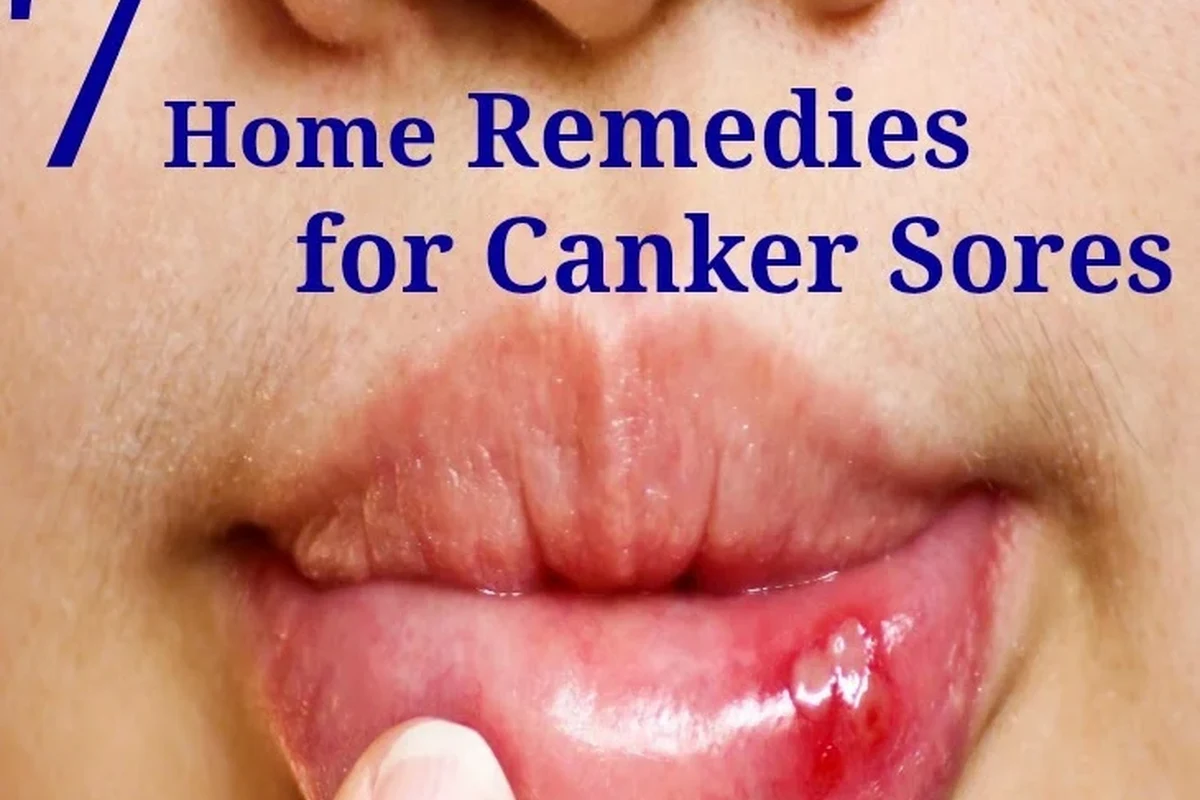
A baking soda rinse for canker sores is usually just baking soda mixed with water and swished gently around the mouth. The goal is not to “cure” the sore instantly, but to create a less acidic environment that may feel calmer on raw tissue.
This is different from baking soda cleaning uses around the house, where the ingredient is used for scrubbing or deodorizing. In the mouth, the mixture must be mild, clean, and used carefully. If you want a broader look at how the ingredient behaves in other settings, our guide on the baking soda and vinegar reaction explains why baking soda changes when it meets acid.
How a baking soda rinse works on mouth sores
Baking soda is alkaline, so it can help neutralize acids in the mouth. That matters because acidic foods, drinks, and saliva can make a canker sore feel sharper or more irritated.
The rinse may also loosen debris around the sore and keep the area cleaner between brushings. That can support comfort, though it does not replace proper oral care or treatment from a dentist or clinician when needed.
When people typically try it for fast relief
People usually try a baking soda rinse when a sore starts to burn after eating, brushing, or drinking something acidic. It is also common when the mouth feels generally irritated from a minor scrape, braces, or accidental cheek biting.
If you are already familiar with using baking soda in household routines, the same ingredient can be useful in a much gentler way here. For example, many readers who use it for odor control also look at our article on baking soda for smoke odors, but the mouth rinse version should always be much milder and more cautious.
Think “gentle and brief,” not “strong and scrubbing.” A mouth rinse should feel soothing, not gritty or harsh.
Safe Mixing Ratio, Water Temperature, and Basic Ingredients
The safest approach is a simple mixture made with plain baking soda and clean water. You do not need vinegar, salt, peroxide, or other add-ins unless a clinician specifically suggests them for your situation.
Standard baking soda-to-water measurement for mouth rinses
A common starting point is about 1/2 teaspoon of baking soda in 1 cup of water. Some people use a slightly weaker mix if their mouth is very sensitive, and that is often the better place to start.
Because brands and measuring methods vary, the exact feel of the rinse can change. If the mixture tastes too salty, gritty, or strong, dilute it more. The goal is a mild rinse that does not sting.
If your mouth is extremely sore, a weaker rinse may be easier to tolerate than a standard one. Mildness matters more than making the mixture “as strong as possible.”
Why lukewarm water is usually preferred over hot or cold
Lukewarm water is usually the most comfortable choice because it is less likely to shock sensitive tissue. Hot water can increase discomfort, while very cold water may feel sharp on an open sore.
In kitchen terms, this is similar to how temperature changes texture and comfort. Just as a dough can behave differently when too warm or too cold, the mouth can react strongly to extremes. Lukewarm water helps keep the rinse predictable and gentle.
Optional add-ins to avoid unless a clinician recommends them
Avoid adding vinegar, lemon juice, essential oils, or concentrated mouthwash to the rinse. Those ingredients can make the area sting more and may slow comfort rather than help it.
It is also wise to avoid mixing baking soda with other “home remedy” ingredients just because they are popular online. A simple rinse is easier to control and less likely to irritate already inflamed tissue.
Do not use a baking soda rinse as a substitute for professional care if you have severe pain, fever, swelling, trouble swallowing, or sores that keep returning. Mouth ulcers can have many causes, and some need diagnosis.
Step-by-Step Rinse Method for Daily Use
The best rinse method is slow, gentle, and consistent. You are trying to coat the sore lightly, not forcefully wash it.
How to swish without irritating the sore
Mix the baking soda fully into the water before rinsing so there are no dry clumps. Take a small sip, swish it gently around the sore area, and avoid vigorous motion that can rub the tissue.
Do not force the liquid directly against the sore. If a sore is on the inner lip or cheek, a soft, slow swish is usually enough to spread the rinse without extra friction.
Stir baking soda into lukewarm water until it dissolves as much as possible.
Move the liquid around the sore for a short, comfortable rinse without forceful gargling.
Spit out the rinse, then let the mouth rest before eating or drinking anything acidic.
How long to rinse and how often to repeat
A short rinse is usually enough. Many people use it several times a day, especially after meals, but the right frequency depends on how sensitive the mouth feels and whether a clinician has given different instructions.
If the rinse starts to dry your mouth or make the tissue feel tight, reduce how often you use it. More is not always better with mouth care.
What to do after rinsing to support comfort and healing
After rinsing, avoid acidic snacks, spicy foods, and very hot drinks for a while. Give the sore a chance to settle before exposing it to more irritation.
Brushing gently with a soft toothbrush can also help, but do it carefully. If your toothpaste stings, consider a milder formula and check whether it contains ingredients that bother your mouth.
Minor canker sores often heal on their own, but the right rinse can make the waiting period more comfortable by reducing acid exposure and friction.
When a Baking Soda Rinse Is Most Useful vs. When It Is Not
This rinse is most helpful for small, uncomplicated sores or irritation that feels worse after acidic foods. It is a comfort tool first, not a complete treatment.
Best use cases for minor canker sores, irritation, and acidic mouth discomfort
A baking soda rinse may be most useful when the sore is small, not deeply swollen, and not paired with other symptoms. It can also help when your mouth feels raw after citrus, tomato sauce, soda, or other acidic foods.
Some people find it useful after accidental cheek biting or minor rubbing from braces. In those cases, lowering acidity can make the area feel less “hot” or sharp.
Situations where the rinse may not be enough on its own
If a sore is large, unusually painful, or keeps coming back, a rinse alone may not solve the underlying issue. Mouth ulcers can be linked to stress, nutrient deficiencies, food sensitivities, dental irritation, or other health conditions.
If you suspect a different type of mouth problem, it helps to compare symptoms carefully. For instance, cold sores usually behave differently from canker sores, and the treatment approach is not the same. When in doubt, professional evaluation is the safer path.
Examples of common triggers that can make sores linger
Common triggers include sharp teeth, rough brushing, braces, dentures, acidic foods, and frequent mouth dryness. Stress and sleep disruption can also make recovery feel slower for some people.
Even habits that seem harmless can keep the area irritated. Repeated touching with the tongue, crunchy snacks, and very spicy seasoning can all keep a sore from settling down.
- Simple and inexpensive
- May reduce mouth acidity
- Gentle when mixed correctly
- May not help severe sores
- Can feel drying if overused
- Does not treat the root cause
Common Mistakes That Can Make Canker Sores Feel Worse
Most problems with this remedy come from making it too strong or using it too often. The mouth is sensitive, and overdoing a simple rinse can backfire.
Using too much baking soda or rinsing too aggressively
Too much baking soda can leave a chalky, unpleasant feel and may dry the tissue. Aggressive swishing can also rub the sore and make it more painful.
If you notice more burning after rinsing, reduce the amount of baking soda or stop using it for the moment. A mild approach should feel calming, not irritating.
Confusing canker sores with cold sores or other mouth conditions
Canker sores usually appear inside the mouth, while cold sores often show up on or near the lips and are caused by a virus. Because the causes differ, the best treatment differs too.
Other mouth problems, including infections or persistent lesions, can look similar at first glance. If a sore has an unusual appearance or does not behave like a typical canker sore, get it checked.
Pairing the rinse with foods or habits that slow recovery
Even a good rinse can be undermined by repeated exposure to acidic drinks, crunchy snacks, or smoking. These habits can keep the tissue inflamed and delay comfort.
If you are trying to recover quickly, think about the whole day, not just the rinse. The mouth heals best when irritation is reduced from multiple angles.
The sore still burns after rinsing.
The mixture may be too strong, the water may be too hot or cold, or the sore may need a different treatment. Dilute the rinse and reassess symptoms.
Safety, Side Effects, and Signs You Should Stop Using It
For most people, a mild baking soda rinse is low risk when used occasionally. Still, mouth tissues can react quickly if the mix is too concentrated or if there is another issue underneath the soreness.
Possible stinging, dryness, or taste sensitivity
Some people notice a dry feeling, a slightly odd taste, or mild stinging after rinsing. That does not always mean something is wrong, but it is a sign to make the mixture gentler.
If the rinse consistently feels harsh, stop using it and look for another soothing option. Comfort is the main goal here.
Who should be cautious with frequent mouth rinses
People with very dry mouths, sensitive oral tissue, or ongoing dental problems should be cautious with repeated rinsing. Frequent rinses can sometimes make dryness more noticeable.
If you have a medical condition that affects your mouth or immune system, ask a dentist or clinician before using home remedies often. Official guidance from recognized health sources is especially important when symptoms are persistent or complicated.
Use clean utensils, clean water, and a clean cup. Even though this is not a cooking recipe, hygiene still matters because the rinse goes directly into the mouth.
Warning signs that need dental or medical evaluation
Get checked if a sore lasts longer than about two weeks, becomes very large, keeps returning, or comes with fever, swelling, or trouble eating or drinking. Bleeding, spreading redness, or severe pain also deserve attention.
If you are unsure whether the lesion is a canker sore, cold sore, or something else, do not rely on self-treatment alone. A proper diagnosis can save time and prevent the wrong remedy from delaying care.
Practical Relief Plan: How to Combine the Rinse with Other Supportive Habits
The baking soda rinse works best as part of a gentle mouth-care routine. Small changes in brushing, eating, and daily habits can make a noticeable difference in comfort.
Gentle oral care choices during an active sore
Use a soft toothbrush and brush slowly around the sore instead of over it. If flossing or brushing a certain area keeps catching the tissue, be extra careful until the mouth settles down.
For readers who enjoy practical ingredient breakdowns, our guide to whether baking soda whitens teeth safely covers why oral use needs a lighter touch than cleaning use. The same caution applies here: gentle is better than aggressive.
Food and drink examples that are easier on irritated tissue
Soft foods are often easier to handle, such as yogurt, oatmeal, mashed potatoes, applesauce, eggs, or smooth soups that are warm rather than hot. Non-acidic drinks like water can also be easier than citrus juice or soda.
If you are choosing snacks while a sore heals, avoid rough textures that can scrape the spot. Crispy chips, crusty bread, and very salty snacks often feel harsher than they look.
How to reduce friction from braces, dentures, or sharp teeth
If braces, dentures, or a chipped tooth are rubbing the sore, that friction may keep the ulcer active. Orthodontic wax, denture adjustments, or a dental visit may help more than any rinse.
When the sore is caused by repeated mechanical irritation, the best relief comes from removing the cause. The rinse can soothe the area, but it cannot stop a sharp edge from rubbing the same spot again.
- Use clean, lukewarm water
- Mix a mild amount of baking soda
- Swish gently, not forcefully
- Stop if the rinse stings or dries the mouth
- Seek help if symptoms are severe or persistent
Final Recommendation: Is a Baking Soda Rinse Worth Trying for Fast Relief?
For many minor canker sores, yes, a baking soda rinse is worth trying at home because it is simple, low-cost, and easy to prepare. It is most helpful when the goal is to calm acidity and reduce everyday irritation while the sore heals naturally.
That said, it is not the right answer for every mouth sore. If the pain is severe, the sore keeps coming back, or the symptoms do not look typical, professional care is the better choice than continuing self-treatment.
Best candidates for trying it at home
This rinse is a good fit for people with small, ordinary canker sores, mild mouth irritation, or acid-related burning. It also makes sense when you want a simple, gentle option that does not involve strong ingredients.
If you prefer practical home remedies that are easy to control, this one is straightforward when mixed correctly. Just keep the mixture mild and the swishing gentle.
When to seek professional care instead of self-treatment
See a dentist, doctor, or other qualified clinician if sores last more than two weeks, become unusually painful, or come with other symptoms such as fever or swelling. Also seek care if you are not sure what kind of sore you have.
For official health guidance, it is always wise to check recognized medical sources and follow a clinician’s advice when symptoms are persistent. Home care can support comfort, but it should not delay diagnosis when the mouth is sending clear warning signs.
Frequently Asked Questions
A common starting mix is about 1/2 teaspoon of baking soda in 1 cup of lukewarm water. If your mouth is very sensitive, a weaker mix may feel better.
Many people use it several times a day for short periods, but overuse can dry or irritate the mouth. If it feels harsh, reduce how often you use it or stop.
A simple baking soda and water rinse is usually the safest starting point. Avoid add-ins unless a clinician recommends them, because some ingredients can sting or irritate sores.
It may bring short-term comfort right away by reducing acidity, but it does not guarantee instant healing. Most minor canker sores still need time to heal on their own.
If the rinse burns, dries the mouth, or makes the sore feel worse, stop using it and dilute the mixture if you try again. Ongoing pain or swelling should be checked by a dental or medical professional.
Canker sores usually form inside the mouth, while cold sores often appear on or near the lips. If the sore is unusual, keeps returning, or lasts longer than two weeks, get it evaluated.