
Food Grade Baking Soda Uses Benefits and Buying Guide

Food grade baking soda is a food-safe leavening ingredient that helps baked goods rise, brown, and spread when paired with acid. Choose a clearly labeled product, measure carefully, and store it dry for the most reliable results.
Food grade baking soda is one of the most useful ingredients in a bakery kitchen, but it only works well when bakers understand what it does and how to use it. In pastry and baking classes, it is a simple way to teach leavening, browning, and recipe balance without adding much cost.
- Food-safe label: Use only baking soda labeled for food when it will go into baked goods.
- Acid balance: It works best with buttermilk, yogurt, cocoa, citrus, or similar acidic ingredients.
- Small errors matter: Too much can cause soapy flavor, excess browning, or collapse.
- Storage counts: Keep it sealed, dry, and away from strong odors.
- Teaching value: It is a low-cost way to show leavening science in baking classes.
What Food Grade Baking Soda Is and Why It Matters in Baking
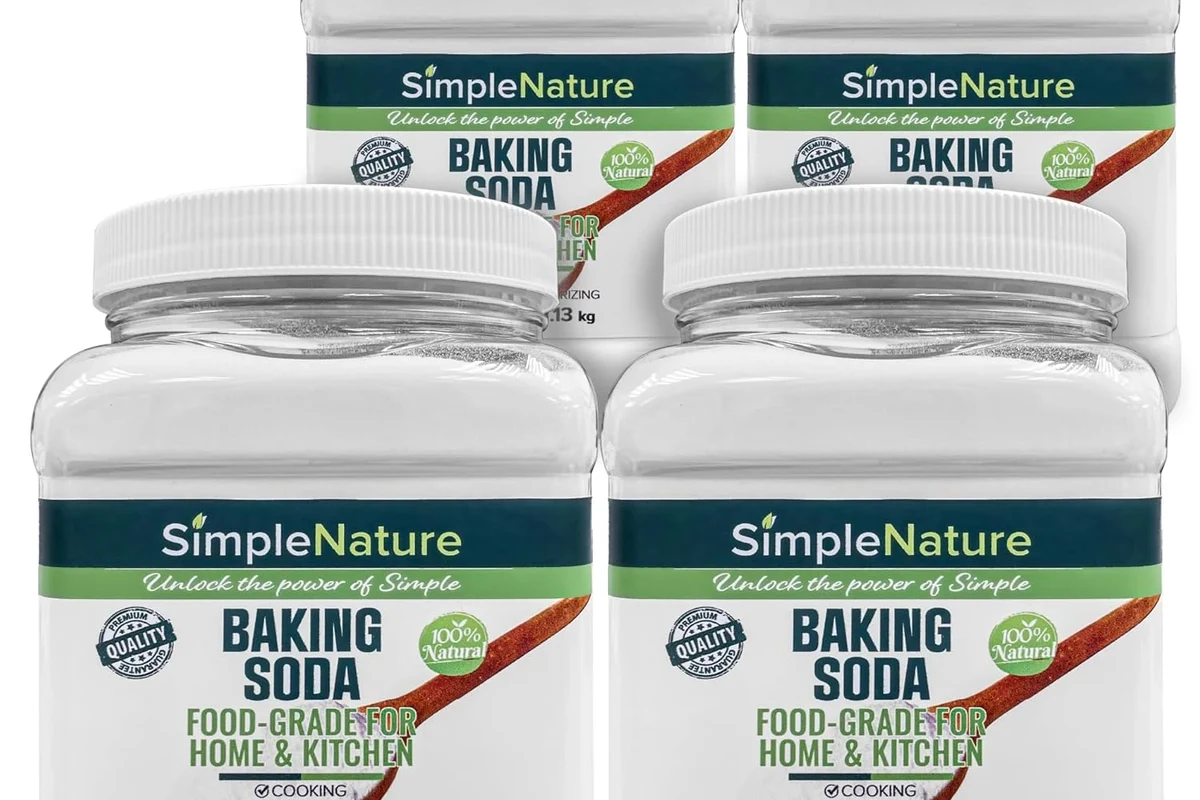
Food grade baking soda is sodium bicarbonate made and labeled for use in food. In baking, it reacts with acidic ingredients to release carbon dioxide, which helps batter or dough rise and affects flavor, color, and texture.
How food grade differs from household and industrial baking soda
Food grade product is intended for edible use and should be labeled accordingly. Household baking soda sold for kitchen use is usually food grade, while industrial grades are not meant for eating and may contain impurities or be processed for nonfood purposes.
The key difference is not the white powder itself, but the standard behind it. For a baking school or home kitchen, that matters because the ingredient touches finished food and should meet food-use labeling and quality expectations.
Do not assume every white bicarbonate product is food safe. Check the label carefully and buy only product marked for food use when it will go into batters, doughs, or fillings.
Why purity and labeling matter for baking schools and home bakers
Purity affects taste, appearance, and consistency. A clean, food-labeled ingredient helps prevent off flavors, strange residues, or classroom confusion when students compare brands and results.
For schools, labeling also supports better ingredient control in shared kitchens. It is easier to teach recipe science when every student is working from the same type of ingredient and the same package instructions.
Baking soda is alkaline, so it needs acid in the formula to react fully. Without enough acid, it can leave a soapy or bitter note in the final bake.
Core Uses of Food Grade Baking Soda in Pastry and Bakery Work
In the bakery, food grade baking soda is not just a rising agent. It also changes how dough spreads, how quickly surfaces brown, and how certain flavors develop in the oven.
Leavening cookies, cakes, muffins, and quick breads
Baking soda is commonly used in cookies, muffins, gingerbread, chocolate cakes, and quick breads that contain acidic ingredients. Once mixed with acid and moisture, it starts releasing gas, so the batter should usually move into the oven without long delay unless the recipe is designed for resting.
If you want more context on a fast household use, see our guide on the baking soda trick that actually works fast and easy. It is a helpful reminder that soda reacts quickly when conditions are right.
Supporting browning, texture, and spread control
Because baking soda raises pH, it can help baked goods brown more deeply. That is useful in cookies and some cakes where a richer color and more complex flavor are welcome.
It also affects spread. In cookies, a small amount can encourage a wider, thinner shape, while too much can cause excessive spread, rough texture, or a darker finish than intended.
Where it shows up in cleaning, prep, and food-safe kitchen routines
Food grade baking soda may also appear in kitchen prep routines, such as deodorizing containers or helping clean some food-contact surfaces when used according to kitchen policy. In a school setting, that can be useful for routine cleanup, but it should never replace approved sanitation procedures.
For food-contact cleaning, follow your facility rules and recognized food safety guidance. If a surface or tool is used for production, it still needs proper washing and sanitizing, not just a dusting of baking soda.
Baking soda can help with odor control, but it does not remove all residue by itself. In a bakery or classroom, use it as a helper, not as the only cleaning method.
Benefits of Using Food Grade Baking Soda in a Baking Curriculum
For baking instructors, food grade baking soda is a practical teaching ingredient. It is inexpensive, easy to measure, and excellent for showing how chemistry affects real bakery results.
Cost-effective ingredient for teaching chemical leavening
Because it is widely available and used in small amounts, baking soda is a low-cost way to demonstrate leavening science. Students can compare one formula with and without soda and see how rise, color, and flavor change.
That makes it useful in both beginner and intermediate classes. It teaches an important lesson: good baking depends on balance, not just mixing ingredients together.
Reliable results when paired with acidic ingredients
When soda meets acid, the reaction is predictable if the formula is balanced. That reliability helps students learn why buttermilk, yogurt, sour cream, molasses, brown sugar, cocoa, and citrus all matter in recipe design.
It also shows why substitutions can change results. If a recipe depends on acid and a student swaps ingredients without adjusting the soda, the bake may taste flat, overly brown, or slightly alkaline.
Practical examples of texture and flavor improvements
In chocolate cake, baking soda can deepen color and round out flavor when paired with cocoa and acid. In muffins, it can support a tender crumb and better lift.
In cookies, it can create more spread and a crisper edge, which is desirable in some styles. In quick breads, it helps create a lighter loaf when the batter has enough acid to activate it fully.
- Low cost for classroom use
- Clear reaction with acidic ingredients
- Improves browning and spread in many formulas
- Can taste soapy if overused
- Needs acid to work well
- Less forgiving than recipes that use baking powder
How to Measure and Use Food Grade Baking Soda Correctly
Measurement matters because baking soda is strong. Small differences can change taste, color, and texture more than many beginner bakers expect.
Common measurement ranges for batters, doughs, and doughnuts
There is no single correct amount for every recipe, because the right level depends on flour weight, acidity, sugar content, fat, and desired browning. In many home recipes, the amount is small enough that even a slight overmeasure can be noticeable.
For doughnuts, quick breads, cookies, and batters, follow the recipe exactly and measure level with a proper spoon or scale when the formula is written by weight. If your class uses volume measures, teach students to avoid packing the spoon.
The baked good tastes bitter, soapy, or overly dark.
The soda amount may be too high, or the recipe may not have enough acid to balance it. Recheck measurements, ingredient freshness, and formula balance before changing the oven time.
Matching baking soda to acidic ingredients like buttermilk, yogurt, cocoa, or citrus
Food grade baking soda works best when the recipe includes acidic ingredients such as buttermilk, yogurt, sour cream, natural cocoa, brown sugar, molasses, vinegar, or citrus juice. The acid activates the soda and helps prevent leftover alkaline flavor.
When a recipe uses Dutch-process cocoa or other less acidic ingredients, the formula may need different leavening support. That is one reason recipe testing matters in pastry work.
When too much baking soda causes soapy taste, excess browning, or collapse
Too much soda can create a sharp taste, yellowish crumb, or overly dark crust. It can also weaken structure if the batter rises too fast and then falls before the interior sets.
That failure often shows up as a muffin top that cracks badly, a cookie that spreads too much, or a cake that looks high in the oven and sinks after cooling. If that happens, check both the leavening amount and the acid balance, not just the baking temperature.
Do not taste raw batter or dough to judge whether the soda balance is right, especially in formulas that contain raw eggs or untreated flour. Use the baked result and the recipe formula instead.
Common Mistakes Bakers Make with Baking Soda
Most baking soda problems come from confusion, storage issues, or formula imbalance. These are easy to miss in a busy kitchen, which is why they make good teaching points.
Confusing baking soda with baking powder
Baking soda is pure sodium bicarbonate, while baking powder contains soda plus one or more acids and usually a starch. They are not interchangeable in equal amounts, and swapping them usually changes rise, flavor, and texture.
If a recipe calls for soda, it is usually designed around an acidic ingredient. If it calls for baking powder, the recipe may not have enough acid for soda to work properly on its own.
Using old, clumped, or improperly stored product
Food grade baking soda can absorb moisture and odors from the storage area. Clumps do not always mean it is unusable, but they can signal poor storage or a package that has been open too long.
In a school kitchen, keep the container sealed and away from strong aromas like onions, spices, or cleaning chemicals. A fresh, dry product is easier to measure and more dependable in class.
Overlooking acidity balance and recipe formulation
Even a good soda can fail if the recipe is not balanced. Too little acid can leave a flat, coarse result, while too much acid without enough soda can make the bake taste tangy or dense.
That is why formula reading matters. In professional baking, the ingredient list is not just a shopping list; it is the structure of the finished product.
Buying Guide: How to Choose the Right Food Grade Baking Soda in 2026
Buying baking soda is simple, but choosing well still matters. The best option is the one that is clearly labeled for food use, stored well, and sized for how you actually bake.
Reading food-grade labels, certifications, and ingredient statements
Look for a clear food-use statement and a straightforward ingredient list. For bakery use, you want a product that identifies itself as baking soda or sodium bicarbonate for food applications.
If your school kitchen follows specific purchasing rules, verify any certifications or supplier requirements on the official product page or package. Do not rely on marketing claims alone.
Packaging size, freshness, and storage considerations
Smaller packages are often better for occasional home bakers because they are used up before odor absorption becomes a problem. Larger containers can make sense for school kitchens or small bakeries, but only if the product is sealed tightly after each use.
Freshness is mostly about storage after purchase. A well-closed container in a dry cabinet will usually perform better than an open box near steam or spice traffic.
Buying for school kitchens, small bakeries, or home practice
For school kitchens, choose a package size that fits class volume and ingredient rotation. For small bakeries, buy enough to support production without letting the stock sit open for too long.
For home practice, a basic food grade container is usually enough. If you are learning, the bigger priority is consistency: use the same brand, same measuring method, and same recipe so you can see what changes when you adjust the formula.
Food Grade Baking Soda for Everyday Baking
Choose a plain, food-labeled sodium bicarbonate product with clear packaging and a dry storage plan. The right option is usually the one that fits your baking frequency and stays fresh before you finish it.
Storage, Safety, and Quality Control in the Baking Kitchen
Good storage keeps baking soda useful longer and makes class results more consistent. It also helps prevent accidental contamination in shared kitchen spaces.
Best storage conditions to prevent moisture and odor absorption
Store food grade baking soda in a tightly sealed container in a cool, dry cabinet away from strong odors. Moisture makes it clump, and nearby smells can transfer into the powder and affect baked goods.
Do not store it near cleaning supplies, onions, garlic, or other strong-smelling ingredients. In a busy bakery, that small habit can save a lot of off-flavor problems.
Simple freshness checks before using in class or production
A quick check is to look for dryness, free-flowing texture, and a clean smell. If the product smells stale, holds hard clumps, or has been open for an unknown period, replace it.
For a simple classroom test, some instructors mix a small amount with an acidic liquid to confirm a visible fizz. That can help show reactivity, but it should not replace normal inventory rotation.
- Confirm the package is labeled for food use
- Check for dryness, clumps, and odor transfer
- Measure carefully with the recipe’s method
- Match the soda to an acidic ingredient in the formula
Food safety and handling notes for shared kitchen environments
In shared kitchens, keep ingredient containers closed, labeled, and separated from nonfood chemicals. Use clean scoops, avoid cross-contact with allergens, and follow your school or facility sanitation rules.
If a recipe uses raw flour, eggs, or other high-risk ingredients, handle them according to food safety guidance from recognized agencies such as USDA or FDA. Baking soda is not the safety issue there, but the overall recipe still needs safe handling.
Final Recap: When Food Grade Baking Soda Is the Right Choice
Food grade baking soda is the right choice when you need a reliable, food-safe alkaline ingredient for leavening, browning, and texture control. It shines in recipes with enough acidity to activate it and in classes where students need to see how chemistry changes baked goods.
Best use cases, limitations, and decision points for bakers
Use it for cookies, muffins, quick breads, cakes, and doughnuts when the formula calls for soda and contains acid. Avoid using it as a substitute for baking powder unless the recipe is specifically adjusted for that change.
The main limits are balance and freshness. If the recipe is weak on acid, the soda may leave flavor problems; if the product is old or stored badly, results can be uneven.
What to confirm before buying or teaching with it
Before buying, confirm the package is food labeled, the size fits your baking volume, and storage will keep it dry. Before teaching with it, confirm students understand the difference between soda and powder, how acid activates the reaction, and why small measurement errors matter.
That simple groundwork makes food grade baking soda a strong teaching ingredient and a dependable pantry staple.
- Match soda to acidic ingredients
- Measure carefully and store dry
- Use food-labeled product only
- Swapping it for baking powder one-for-one
- Using clumped or odor-absorbing product
- Ignoring recipe acidity balance
Frequently Asked Questions
Food grade baking soda is pure sodium bicarbonate, while baking powder includes baking soda plus acid and usually starch. They are not interchangeable in equal amounts.
Baking soda works best with acidic ingredients such as buttermilk, yogurt, sour cream, cocoa, molasses, vinegar, or citrus juice. The acid activates the soda and helps prevent a bitter taste.
If it has been stored well and still looks dry and smells clean, it may still work. If it is clumped, stale-smelling, or stored near strong odors, replace it.
Too much baking soda leaves extra alkaline residue in the batter or dough. That can create a soapy or bitter taste and can also cause excessive browning.
Store it in a tightly sealed container in a cool, dry cabinet away from moisture and strong odors. Good storage helps prevent clumping and flavor transfer.
Yes, when it is clearly labeled for food use and handled with normal kitchen sanitation practices. Shared kitchens should still follow allergen control, cleaning, and food safety rules.