
Is Baking Soda Bad for Dogs What Pet Owners Need to Know
Yes, baking soda can be harmful to dogs if they swallow enough of it. Keep it stored safely, and call a veterinarian right away if your dog eats some or shows symptoms.
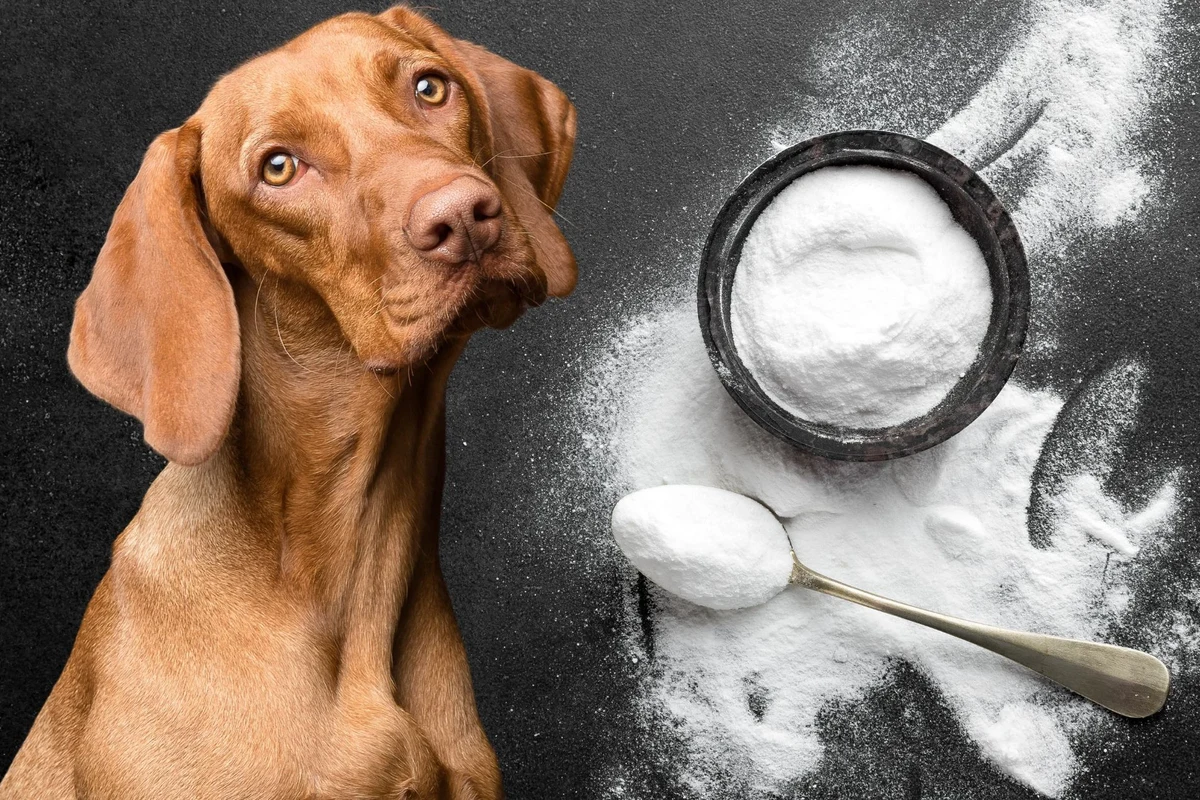
- Ingestion is the main risk: Swallowing baking soda is more concerning than brief skin contact.
- Small dogs are more vulnerable: Size, age, and health can change how serious an exposure becomes.
- Watch for warning signs: Vomiting, bloating, weakness, tremors, or breathing changes need prompt attention.
- Act fast after exposure: Remove access, note what was eaten, and call a veterinarian or poison hotline.
- Store it like a hazard: Sealed containers and clean work surfaces reduce accidental ingestion.
Frequently Asked Questions
There is no single safe amount for every dog because risk depends on body size, health, and how much was eaten. Even a small amount can be a concern for a small dog, so call a veterinarian if ingestion is possible.
Common signs include vomiting, drooling, diarrhea, belly discomfort, weakness, and unusual thirst. Severe cases can involve tremors, trouble breathing, collapse, or seizures.
Do not induce vomiting unless a veterinarian tells you to do it. The right response depends on the amount, the dog’s symptoms, and whether baking soda was part of another mixture.
Brief contact is usually less concerning than swallowing it, but dogs may lick their paws and ingest residue. Wipe it off and rinse the area if needed.
Small measured amounts in a finished treat are different from free access to the powder. Still, check the whole recipe and ask a veterinarian if the dog has health concerns or dietary restrictions.
Call right away if your dog ate a meaningful amount, has vomiting or bloating, or shows weakness, tremors, or breathing changes. Severe symptoms need urgent emergency care.

