
How Long to Leave Baking Soda on Carpet for Best Results
For most dry carpets, leave baking soda on for 15 minutes to 1 hour for light freshening or several hours to overnight for stronger odors. Use a thin layer and vacuum thoroughly so the powder does not stay trapped in the fibers.
If you are wondering how long to leave baking soda on carpet, the practical answer is usually a few hours for light odor control and up to overnight for stronger smells. The right timing depends on the carpet type, the moisture level, and whether you are trying to freshen the room or treat a specific spot.
- Light odors: A short wait of 15 minutes to 1 hour is usually enough.
- Strong odors: Several hours or overnight works better on dry carpet.
- Application matters: Use a thin, even layer so cleanup stays easy.
- Dryness is critical: Do not leave baking soda on damp carpet.
- Know the limit: Baking soda helps with odor, but not every stain or deep smell.
Why Baking Soda Works on Carpet Odors and Stains
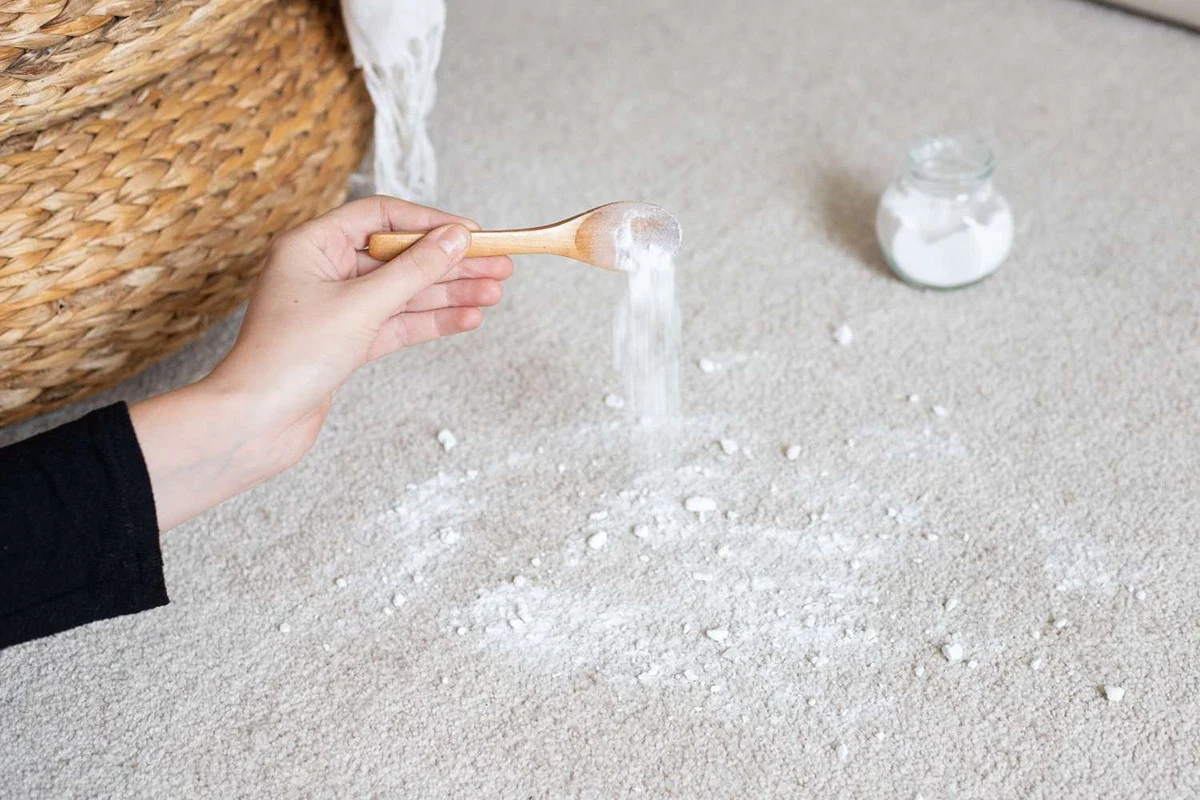
Baking soda is a mild alkaline powder that can help absorb moisture and reduce some odor molecules at the carpet surface. It is popular because it is inexpensive, easy to use, and simple to vacuum away when it has done its job.
For a quick refresher on the basic method, you can also read our guide to the baking soda trick that actually works. The same simple principle applies on carpet: give the powder enough contact time, then remove it thoroughly.
What baking soda can and cannot do on carpet fibers
Baking soda can help with surface odors, light freshness, and some residue from spills once the area is fully dry. It works best when the smell is in the fibers or trapped in fine dust and not deeply soaked into the padding.
It cannot erase every stain, disinfect carpet, or pull up every type of spill. If the carpet has a set-in dye stain, grease mark, or pet urine that reached the underlay, baking soda alone is usually not enough.
Baking soda is a deodorizing aid, not a full carpet cleaner. For deep stains or wet contamination, a carpet-safe cleaner and proper drying matter more than extra waiting time.
When odor control is the main goal versus stain lifting
If odor control is the goal, the contact time matters more than heavy scrubbing. The powder needs time to sit on the carpet fibers and interact with moisture and odor particles before vacuuming.
If you are hoping for stain lifting, expectations should stay modest. Baking soda may help after a spill is blot-dried, but it is not a substitute for spot treatment on colored or oily stains.
How Long to Leave Baking Soda on Carpet for Different Cleaning Goals
The best answer to how long to leave baking soda on carpet depends on the job. A short treatment can freshen a room, while a longer one can help with stubborn odors that have settled in over time.
Light deodorizing for freshening rooms
For light deodorizing, leave a thin layer of baking soda on the carpet for about 15 minutes to 1 hour. This is often enough when the room just needs a quick reset after normal foot traffic or closed windows.
If the carpet is dry and the odor is mild, longer is not always better. A thin, even layer often works more efficiently than a thick pile that sits on top of the fibers.
Deeper odor treatment for pet smells, smoke, and mustiness
For stronger odors such as pet smells, smoke, or a musty room, leave baking soda on the carpet for several hours, and in many cases overnight is reasonable. The extra time gives the powder a better chance to absorb lingering odor and moisture at the surface.
That said, if the carpet is damp, do not keep adding more powder and more time. Moisture can cause clumping, make cleanup harder, and leave a chalky residue if the area is not vacuumed well.
If the carpet is still wet from a spill, leak, or cleaning, focus on drying first. Baking soda should go on dry carpet or on a fully dried spot unless a carpet-care product specifically says otherwise.
Treating spill areas and high-traffic spots without overdoing it
For spill areas that have already been blotted dry, a 1 to 4 hour treatment is a practical middle ground. High-traffic zones near doorways or sofas may benefit from the same window if the goal is mild freshness rather than stain removal.
Do not assume that leaving baking soda on for days improves results. Past a point, the powder is just sitting there, and the real challenge becomes removing every trace from the pile.
Step-by-Step Method for Applying Baking Soda Correctly
Good results depend as much on application as on timing. Even coverage, the right amount, and careful vacuuming make a bigger difference than using a huge quantity.
How much to use per square foot
Use a light dusting rather than a heavy blanket. In practical terms, enough to lightly coat the carpet surface is usually better than trying to cover every strand completely.
If you can see thick white patches, you have probably used too much. The goal is contact, not a mound of powder.
How to distribute it evenly without clumping
Shake the baking soda through a fine sieve, a shaker top, or your fingers for a more even spread. Work in small sections so you can see where the powder lands and avoid piling it into corners.
For a deeper refresh, gently work it into the top of the fibers with a dry brush or clean cloth. Avoid wetting the carpet during this step, because moisture can turn the powder into paste.
Apply baking soda to a fully dry carpet and let it sit undisturbed. The less foot traffic and movement during the waiting period, the better the powder can do its job.
Best vacuuming technique after the waiting period
Vacuum slowly and make multiple passes from different directions. This helps lift powder from both the top of the pile and the lower fibers, especially on thicker carpet.
If your vacuum has brushes or a beater bar, check the manufacturer’s guidance before using it on delicate carpet. Empty or replace the bag or canister afterward if the powder load is noticeable, since fine particles can clog filters more quickly than normal dust.
What Changes the Waiting Time on Carpet
There is no single perfect timer for every floor. Carpet construction, room conditions, and the severity of the odor all influence how long baking soda should stay in place.
Carpet material, pile height, and backing
Low-pile carpet releases powder more easily than dense or shaggy carpet. In a thick pile, baking soda can settle deeper and take longer to vacuum out, so a moderate waiting time is often safer than an all-day treatment.
Natural fibers and delicate carpets may also react differently than synthetic ones. If you are unsure, spot test first in a hidden area to make sure the color and texture stay stable.
Humidity, airflow, and room temperature
Dry, airy rooms usually work better because baking soda stays powdery and easier to remove. In humid spaces, the powder can absorb moisture faster and clump, which reduces cleanup quality.
Good airflow also helps the carpet smell fresher sooner. If the room is damp or stale, open windows or run ventilation when possible before and after treatment.
Baking soda is more effective as a deodorizer when the source of the smell is dry. If odor keeps returning, the problem may be below the carpet surface, not just in the fibers.
Severity of odor and how long the carpet has been affected
Fresh odors are easier to manage than smells that have built up for weeks. The longer a smell has been present, the more likely it is to have reached the backing or padding, where baking soda has limited reach.
For old or strong odors, longer contact time can help, but it is not a cure-all. If the smell remains after a proper overnight treatment, the next step should usually be a deeper clean rather than another round of powder.
Common Mistakes That Reduce Results or Damage Carpet
Most problems come from using too much powder, leaving it on the wrong kind of surface, or vacuuming too quickly. A careful approach protects both the carpet and your vacuum.
Leaving baking soda on too long in damp conditions
On damp carpet, baking soda can clump and leave residue if it sits too long. This is especially true after spills that were not fully blotted or in rooms with poor airflow.
If the area feels even slightly wet, dry it first. Use towels, fans, or a carpet-safe drying method before applying powder.
Using too much product and making cleanup harder
More baking soda does not always mean a cleaner carpet. Thick layers can settle deep into the pile and take several vacuum passes to remove, especially from dense or textured carpet.
Heavy application can also leave a dusty look if the vacuum misses some of it. A light, even coat usually gives the best balance of odor control and cleanup.
The carpet still looks dusty after vacuuming.
Use less powder next time, vacuum more slowly, and make crosswise passes. If residue remains, brush the pile gently and vacuum again.
Skipping spot testing on delicate or dark carpets
Even though baking soda is common, every carpet is different. Dark, dyed, wool, or specialty carpets may show residue or texture changes more easily than standard synthetic carpet.
A small hidden test spot is a simple safeguard. If the area looks dull or chalky after vacuuming, choose a shorter contact time or a different cleaner.
Practical Examples for Homes, Rentals, and Pet Areas
Different situations call for different timing. A living room refresh is not the same as handling a pet accident or maintaining a rental between deep cleans.
Refreshing a living room carpet before guests arrive
For a quick pre- სტუმ? no, let’s keep clean. For a quick pre-guest refresh, a short treatment of 15 minutes to 1 hour can be enough if the carpet is dry and the odor is mild. That gives you a fast cleanup window without making vacuuming harder than necessary.
Pair it with fresh air and a thorough vacuum. If the room still smells off afterward, the source may be upholstery, trash, or another soft surface nearby.
Handling a pet accident zone after the area is fully dry
Once the area has been blotted and fully dried, baking soda can help reduce lingering odor. In this case, several hours or overnight is often more useful than a short treatment.
Still, pet accidents are one of the situations where baking soda has clear limits. If odor keeps returning, the stain may have reached the pad or subfloor and may need an enzyme cleaner or professional carpet cleaning.
Using baking soda between deep-cleaning sessions
Baking soda works well as a maintenance step between deeper carpet cleanings. It can help keep a room smelling fresher when used occasionally on dry carpet, especially in entryways and family rooms.
For routine upkeep, avoid overusing it every few days. Frequent heavy applications can build up in the fibers and make the vacuum work harder than necessary.
Safety, Cleanup, and When to Choose Another Carpet Cleaner
Most baking soda carpet use is simple, but cleanup and vacuum care still matter. The goal is a fresher carpet, not a clogged machine or a hidden moisture problem.
Vacuuming safely around filters, brushes, and bagless systems
Fine powder can collect in filters, bags, and brush assemblies. Check your vacuum’s instructions if you plan to use baking soda regularly, especially if the model has a delicate filter or a small dust bin.
If your vacuum starts losing suction after cleanup, empty the canister, clear the brush roll, and inspect the filter. A slow vacuum pass is usually more effective than one fast pass over powder.
Keep baking soda away from electrical cords, damp outlets, and wet vacuum parts. Even though it is a common household ingredient, cleanup should still follow basic appliance safety.
When baking soda is not enough for stains, mold, or wet carpet
Baking soda is not the right fix for mold, mildew, or a carpet that stayed wet for too long. Those problems can involve hidden moisture and require proper drying and, in some cases, professional assessment.
For stains that are oily, colored, or set in, use a carpet-safe stain remover made for that type of spill. If you are dealing with pet waste, follow manufacturer directions for enzyme cleaners and consult the carpet care label when available.
Best alternatives for persistent odors or sensitive flooring
If odors keep coming back, a deeper carpet shampoo, steam cleaning, or professional cleaning may be more effective. For sensitive flooring, always check the carpet maker’s care instructions before trying any powder treatment.
When in doubt, use the gentlest option that addresses the real problem. Sometimes the best choice is not a longer wait with baking soda, but a different cleaner entirely.
Final Recommendation: The Best Time Window for Most Carpets
For most dry carpets, the best time window is 15 minutes to 1 hour for light freshening and several hours to overnight for stronger odors. If the carpet is thick, the smell is stubborn, or the room is humid, lean toward the longer end only if the carpet stays dry.
Simple timing guidance based on odor level and carpet condition
Use a short wait for mild freshness, a medium wait for everyday odor control, and an overnight treatment for pet or smoke smells that are not tied to wet carpet. The cleaner and drier the carpet is before you begin, the better the result will usually be.
When to repeat the treatment and when to stop using baking soda
You can repeat the treatment after thorough vacuuming if the carpet is still dry and the odor is mild to moderate. Stop using baking soda and switch methods if residue builds up, the smell keeps returning, or the carpet may be wet underneath.
In short, how long to leave baking soda on carpet is usually a matter of hours, not days. For the best results, use a light layer, give it enough time to work, and vacuum it up completely before deciding whether the carpet needs a stronger cleaner.
Frequently Asked Questions
For light odors, 15 minutes to 1 hour is often enough. For stronger smells, several hours or overnight may work better if the carpet is dry.
Yes, overnight is a common option for stronger odors on dry carpet. Vacuum thoroughly the next day so no powder stays in the fibers.
It can help with some light residue after a spill is fully dry, but it does not remove every stain. Set-in or oily stains usually need a carpet-safe stain remover.
Not always. Spot test first on delicate, dark, or wool carpets, and check the carpet manufacturer’s care instructions when available.
On dry carpet, it usually just becomes harder to vacuum if too much is used. On damp carpet, it can clump and leave residue.
Use another cleaner if the carpet is wet, moldy, or has a persistent stain or pet odor that keeps returning. Deep cleaning or an enzyme cleaner may be a better choice.
