
Is Baking Soda Safe for Cats A Complete Guide

Baking soda is usually safe for cats when used carefully for cleaning or deodorizing and fully removed afterward. Direct exposure, inhalation, or eating larger amounts can cause irritation or illness, so keep cats away during use and call a vet if symptoms appear.
Is baking soda safe for cats? In many everyday household situations, the answer is yes with limits, but direct exposure can still cause problems. The key is understanding how much is involved, how your cat contacts it, and whether the powder is being used in a well-ventilated, pet-safe way.
- Direct exposure matters: Small indirect use is usually lower risk than licking, inhaling, or rolling in powder.
- Cleanup is essential: Residue left on carpets, bedding, or floors can still reach your cat later.
- Symptoms need attention: Vomiting, drooling, coughing, or breathing trouble after exposure should not be ignored.
- Storage helps prevent accidents: Keep baking soda sealed and out of reach of curious cats.
- Mixed cleaners are riskier: Follow label directions and avoid combining products without clear safety guidance.
What Baking Soda Is and Why Cat Owners Search for It
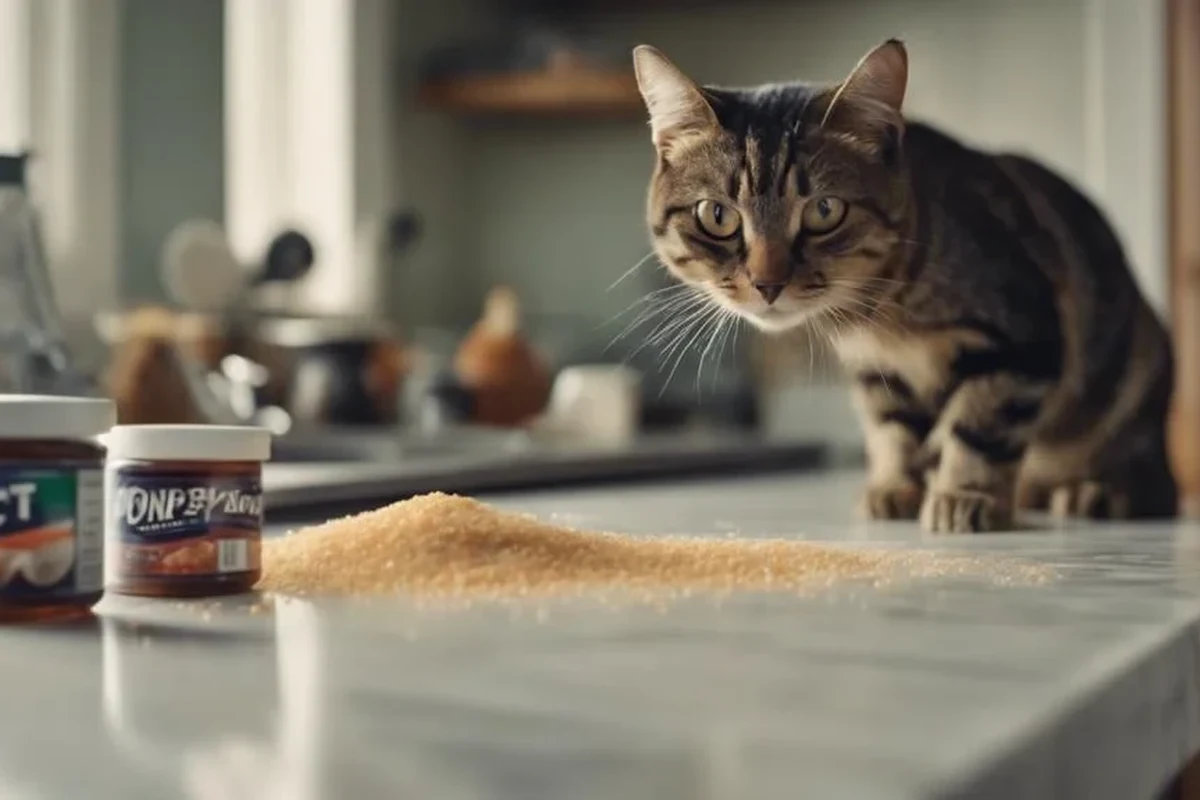
Baking soda is sodium bicarbonate, a common pantry ingredient used for baking, deodorizing, and light cleaning. Because it is so familiar in kitchens, many cat owners assume it is automatically harmless around pets, which is not always true.
Common household uses that create confusion around pet safety
People use baking soda to freshen carpets, absorb odors in litter areas, clean sinks, and neutralize smells in laundry rooms. Those jobs often happen on floors, fabrics, and other places cats walk, lick, or nap on, so the ingredient can move from “household cleaner” to “pet exposure” very quickly.
This is also why questions about cleaning products often come up alongside other safety concerns, such as whether kitchen appliances are toxic or how to keep a home safe during routine cleaning. In a multi-pet home, even a small amount of powder left behind can matter more than people expect.
Why the question matters in 2026 for modern homes and multi-pet households
Modern homes are smaller, more sealed, and often filled with soft surfaces that trap powder and odor treatments. That means baking soda is more likely to stay in carpets, upholstery, and vents instead of disappearing completely after use.
In 2026, many households also combine pets, children, and frequent DIY cleaning. That makes it more important to separate “generally useful” from “safe for direct contact,” especially when curious cats can jump, sniff, lick, or groom themselves after walking through a treated area.
Is Baking Soda Safe for Cats in Everyday Home Use?
Used carefully and indirectly, baking soda is usually considered low risk for cats in the home. But it is not something to apply freely where a cat can inhale it, eat it, or get it on fur and paws in large amounts.
When small, indirect exposure is usually low risk
A light amount used for deodorizing, followed by thorough vacuuming or wiping, is usually less concerning than direct contact. If the powder is fully removed from the surface and the room is aired out, the chance of meaningful exposure drops a lot.
Low-risk does not mean no-risk. Cats are more sensitive than humans to powders that can irritate the nose, eyes, or stomach, especially if they groom residue off their fur.
Situations where baking soda becomes unsafe or irritating
Baking soda becomes more of a concern when it is used in thick layers, left in piles, spread on bedding, or placed where a cat can lick it directly. It can also be irritating if a cat has asthma, breathing sensitivity, or a habit of rolling in treated fabric.
Another risk is mixing baking soda with other cleaners. Some combinations can create fumes or leave residues that are more irritating than baking soda alone, so it is better to follow product labels and avoid improvising with unknown mixtures.
How ingestion, inhalation, and skin contact differ in risk
Ingestion is usually the biggest concern because it can upset the stomach and, in larger amounts, affect the body’s salt balance. Inhalation is more likely to cause sneezing, coughing, or eye watering, especially if the powder is dusty and the room is poorly ventilated.
Skin contact is often less serious, but it can still lead to dryness or irritation, and cats may then groom the area and swallow the powder. That grooming step is why a “skin issue” can become an “ingestion issue” very quickly.
How Cats May Be Exposed to Baking Soda Around the House
Most exposure happens during ordinary cleaning, storage, or deodorizing routines. The product itself is common, but the placement and cleanup determine whether it stays a useful household tool or becomes a pet hazard.
Cleaning carpets, litter areas, and upholstery
Carpets and upholstery are the most common places for residue to linger. If baking soda is sprinkled on fabric to reduce odors, some of it can stay trapped in fibers and end up on paws, whiskers, or fur when a cat sits or lies down.
Litter areas are another problem spot because cats naturally investigate changes in scent and texture. If powder is added too generously near a box, your cat may inhale it while digging or track it through the house.
Stored baking soda in kitchens, bathrooms, and laundry rooms
Open boxes or bags stored low to the floor can be tempting to a curious cat. Bathrooms and laundry rooms are especially risky because they may already contain detergents, fragrance products, and humidity, which can clump powder or make spills harder to notice.
Keep baking soda sealed and stored above floor level if possible. A tipped box or open container can create a surprising amount of dust in a room where your cat sleeps or eats.
DIY deodorizing and grooming mishaps cat owners often overlook
Some owners try to deodorize pet beds, cat carriers, or even the cat itself with baking soda. That is where problems often start, because the powder can cling to fur and be swallowed during grooming.
It is also easy to overapply when trying to remove a strong smell fast. If you are also looking at other home care shortcuts, such as the baking soda trick that actually works fast and easy, remember that a trick that works in a kitchen may need a much gentler approach in a pet household.
Potential Health Effects and Warning Signs to Watch For
Most mild exposures cause short-lived irritation, but larger exposures can be more serious. Watch closely after any incident, especially if your cat is young, elderly, has a medical condition, or already has sensitive breathing.
Digestive upset, drooling, and vomiting after ingestion
If a cat eats baking soda, the first signs may be drooling, lip-smacking, vomiting, or an upset stomach. Some cats may also seem restless, hide, or stop eating briefly.
These signs can happen because the powder reacts in the digestive tract and can irritate the stomach lining. The amount matters, but so does the cat’s size and overall health, which is why even “small” amounts should be taken seriously if symptoms appear.
Respiratory or eye irritation from airborne powder
Airborne baking soda can cause sneezing, coughing, watery eyes, or pawing at the face. If your cat walks away from a room, blinks repeatedly, or seems bothered right after cleaning, the powder may still be in the air or on surfaces.
Fine powders are more likely to irritate pets when they are spread dry and then disturbed by footsteps, fans, or vacuum airflow. That is why cleanup matters as much as the product itself.
Signs that require immediate veterinary attention
Get urgent veterinary help if your cat has trouble breathing, repeated vomiting, collapse, marked weakness, seizures, or swelling around the mouth. If your cat ate a large amount, do not wait for symptoms to “pass on their own.”
If you are unsure how much was eaten or inhaled, contact your veterinarian or a pet poison resource right away. Official poison guidance is especially useful when the exposure involved another product mixed with baking soda, because the risk can be very different from baking soda alone.
Safe Ways to Use Baking Soda in a Cat-Friendly Home
You do not have to ban baking soda from a home with cats. The safer approach is to use it in controlled amounts, remove residue completely, and keep pets out of the area until the surface is ready.
Best practices for cleaning and deodorizing without exposing pets
Use only the amount needed, and avoid creating visible piles. After deodorizing, vacuum slowly and thoroughly, then empty the vacuum if the manufacturer recommends it so residue does not recirculate later.
For hard surfaces, wipe with a damp cloth after the baking soda has done its job. If you are cleaning fabric, test a small hidden area first so you do not damage the material while trying to freshen it.
- Move cats to another room before applying powder
- Use the smallest effective amount
- Remove residue completely after use
- Check labels if you are mixing products
How much ventilation and waiting time to allow before re-entry
There is no single universal waiting time because it depends on the amount used, room size, airflow, and how well the powder was removed. The safest rule is to wait until the area is fully cleaned, dry, and free of visible dust before letting your cat back in.
Open windows if weather and safety allow, and run ventilation to clear lingering dust. If you can see powder on dark floors or furniture, your cat can probably track or inhale it too, so clean again before re-entry.
Practical examples of safer room-by-room use
In a kitchen, a small amount can be used inside a trash area or on a dry spill spot, then removed completely. In a bedroom, avoid dusting it onto pet bedding unless you can vacuum every trace away afterward.
In a laundry room, keep boxes sealed and elevated. In living rooms, be especially careful with rugs and couches because cats spend long periods there, and residue can build up where you do not notice it right away.
Common Mistakes Cat Owners Make With Baking Soda
Most problems come from overuse, poor cleanup, or assuming a common household ingredient is automatically pet-safe in every form. A little planning prevents most of the avoidable issues.
Using too much powder on carpets or bedding
Heavy application creates more dust and makes cleanup harder. It also increases the chance that powder will stay behind in fibers and transfer to paws or fur later.
If a room still smells strongly after normal use, that usually means the source of the odor needs attention, not that more powder should be added. In baking terms, more of a powder is not always better; the same idea applies here.
Mixing it with other cleaners that increase risk
Do not assume baking soda is safe just because it is often used with vinegar in home projects. Some mixtures are less useful than people expect, and some cleaning combinations can produce irritating fumes or messy residues.
Never mix cleaning products unless the label says it is safe. If a cat is nearby, choose simple, well-labeled products and keep the room ventilated.
Leaving open containers where curious cats can reach them
Cats investigate with their paws, whiskers, and noses. An open box left on a counter or low shelf can be knocked over, spilled, or licked, turning a storage habit into an exposure event.
Use sealed containers and store them away from pet food, litter, and grooming supplies. That reduces both accidental ingestion and the chance of powder drifting into places your cat uses daily.
What to Do If Your Cat Eats or Inhales Baking Soda
Quick, calm action matters. The goal is to stop further exposure, gather details, and get professional advice based on the amount, symptoms, and any other products involved.
Immediate steps to take at home before calling the vet
Move your cat away from the source and prevent more contact. If powder is on the fur, gently wipe it off with a dry cloth first, then follow your veterinarian’s advice before bathing, because some cats become stressed or chilled during home cleanup.
Take the cat out of the area and stop the exposure.
Look for vomiting, drooling, coughing, sneezing, or breathing changes.
Contact your veterinarian or pet poison support with the product details.
What information to have ready for a poison control or veterinary call
Have the product name, the estimated amount involved, the time of exposure, and your cat’s weight if you know it. Also mention whether the baking soda was plain or mixed with another cleaner, because that changes the risk assessment.
If possible, keep the package nearby when you call. Label information is often more useful than guesses, especially when a product contains fragrance, bleach, or other additives.
When to avoid home remedies and seek urgent care
Do not force vomiting or give home treatments unless a veterinary professional tells you to do so. Some home remedies can make the situation worse, especially if your cat is already coughing, drooling, or having trouble breathing.
If your cat shows severe symptoms, go to urgent veterinary care right away. The safest response is the one that matches the symptoms, not the one that seems fastest on the internet.
Final Verdict: When Baking Soda Is Acceptable and When to Avoid It
Baking soda can be acceptable in a cat household when it is used sparingly, cleaned up thoroughly, and kept out of direct reach. It is not a good choice for open piles, heavy carpet treatments, or any situation where your cat can inhale, lick, or roll in it before cleanup is complete.
Decision guidance for routine household use versus direct cat exposure
Use baking soda for light deodorizing and cleaning only if you can control the area and remove every trace afterward. Avoid it when you cannot supervise the room, when your cat has respiratory sensitivity, or when the product is being used in a way that creates dust.
Recap of the safest approach for baking soda in homes with cats
The safest answer to “is baking soda safe for cats” is: usually yes for careful household use, no for direct exposure, and maybe not at all if cleanup is incomplete. Keep it sealed, use it lightly, ventilate well, and treat any ingestion or breathing issue as a reason to call a vet.
If you want more practical kitchen-safety reading, you may also find our guide on whether air fryers are dangerous useful for understanding how everyday tools become risky only when they are misused. The same common-sense rule applies here: the ingredient is not the whole story, the handling is.
Frequently Asked Questions
Yes, if the cat is kept out of the area and the powder is fully cleaned up before re-entry. Avoid letting your cat walk on, inhale, or lick any residue.
A small lick may only cause mild stomach upset, but larger amounts can lead to drooling, vomiting, or worse. Contact a veterinarian if you are unsure how much was swallowed or if symptoms appear.
It can be used carefully for deodorizing, but only if you can remove every trace afterward. Residue left in fabric may be inhaled or groomed off by your cat.
Yes, airborne powder can irritate the nose, eyes, and airways, especially in cats with breathing sensitivity. Good ventilation and thorough cleanup reduce that risk.
No, do not induce vomiting unless a veterinarian specifically tells you to. Call your vet or a pet poison resource for guidance based on the amount and symptoms.
Keep it sealed, dry, and stored above floor level if possible. That helps prevent spills, dust exposure, and curious cats getting into the container.