Is Bicarbonate of Soda the Same as Baking Soda Explained
Yes, bicarbonate of soda is the same as baking soda in everyday baking. The important part is knowing when a recipe needs baking soda, baking powder, or both.
If you have ever wondered is bicarbonate of soda the same as baking soda, the short answer is yes in everyday baking. The main catch is that recipe names change by country, and the wrong label can lead to a flat cake or a bitter aftertaste.
- Same ingredient: Bicarbonate of soda, baking soda, and sodium bicarbonate usually mean the same thing.
- Not the same as baking powder: Baking powder includes an acid and works differently in recipes.
- Balance matters: Baking soda needs the right acid level, or you may get poor rise or.
- Freshness counts: Old soda can still be safe but may lose lifting power.
What “Bicarbonate of Soda” Means in Baking and Why the Name Changes by Country
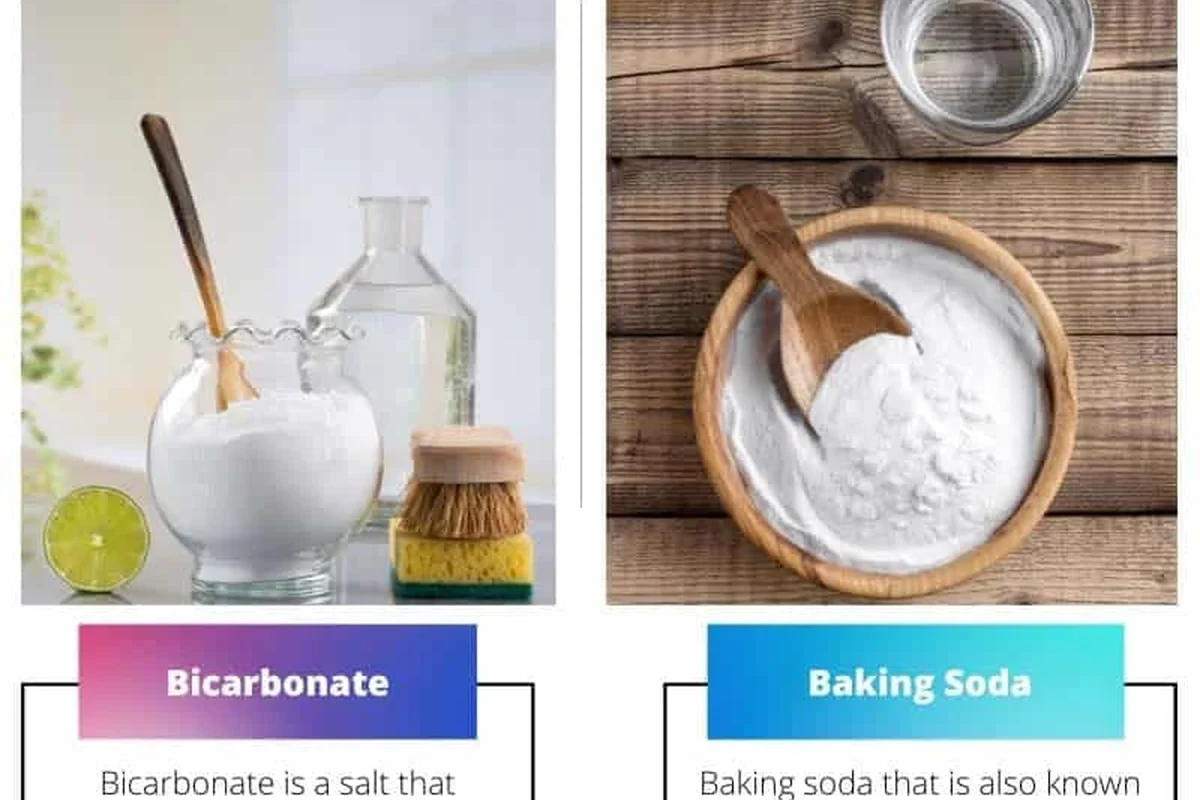
Bicarbonate of soda is the common baking term for sodium bicarbonate, a white alkaline powder used to help baked goods rise. In practical kitchen language, it is the same ingredient as baking soda, even though the name on the package may depend on where you live.
How bicarbonate of soda, baking soda, and sodium bicarbonate relate chemically
These three terms point to the same basic compound: sodium bicarbonate. The chemical name is sodium bicarbonate, while bicarbonate of soda and baking soda are the everyday names bakers use.
What matters most in the bowl is not the label, but whether the ingredient is pure sodium bicarbonate and whether the recipe has enough acid to activate it. If a recipe relies on this ingredient, the batter usually needs a sour dairy, cocoa, citrus, brown sugar, molasses, yogurt, or another acidic component to make the reaction work properly.
UK, US, and Commonwealth naming differences bakers still run into in 2026
In the UK and many Commonwealth countries, “bicarbonate of soda” is the standard phrase. In the US, “baking soda” is more common, while “sodium bicarbonate” appears on ingredient panels and in technical contexts.
This naming difference still causes confusion when people borrow recipes online. A recipe written in one region may use a familiar term for locals, but the ingredient itself is usually the same unless the label clearly says otherwise.
Baking soda only needs a small amount of acid to react, but too much can leave a sharp, soapy, or metallic taste if the balance is off.
Is Bicarbonate of Soda the Same as Baking Soda in Everyday Baking?
Yes, in normal recipe use, bicarbonate of soda and baking soda are interchangeable terms. If a recipe says one, you can generally use the other without changing the quantity.
When the terms can be used interchangeably in home and professional recipes
When a recipe calls for baking soda or bicarbonate of soda, it is usually asking for the same leavening agent. That means you can follow the recipe as written, as long as you are using standard sodium bicarbonate and not a specialty blend.
This is especially true in cookies, muffins, quick breads, and many tray bakes. The ingredient is doing the same job in each case: helping the batter expand and affecting color and texture.
Where confusion happens with baking powder, baking soda, and self-raising flour
Confusion usually starts when bakers mix up baking soda with baking powder. Baking powder already contains an acid plus starch, while baking soda is only the alkaline part and needs acid from the recipe to work well.
Self-raising flour is another common point of error because it already includes a raising agent, often baking powder, plus salt in many markets. If you add extra bicarbonate of soda without adjusting the rest of the formula, the result can rise too quickly, taste off, or collapse after baking.
Do not assume baking soda and baking powder are the same. They behave differently in the oven, and swapping them one-for-one can change both flavor and structure.
How Baking Soda Works in Doughs, Batters, and Pastries
Bicarbonate of soda works by creating carbon dioxide when it meets acid and moisture, then heat helps those bubbles expand in the oven. That trapped gas opens up the crumb and gives baked goods lift.
Acid + alkali reactions and why timing matters
The reaction starts as soon as the soda meets liquid and acid, so timing matters. If a batter sits too long before baking, some of the gas escapes before the oven can set the structure.
That is why many quick breads, muffins, and cookies are mixed and baked promptly. For best results, have the oven preheated, pans ready, and ingredients measured before the wet and dry mixtures come together.
What bicarbonate of soda contributes beyond lift: browning, spread, and flavor balance
Bicarbonate of soda does more than add height. It raises the pH of the batter, which encourages browning and can deepen flavor in chocolate and caramel-style bakes.
It also affects spread in cookies. A little more spread can be useful in some cookie styles, while too much can make them thin, dark, and slightly alkaline tasting.
Examples of recipes that rely on it most, from cookies to quick breads
You will see bicarbonate of soda often in chocolate chip cookies, gingerbread, brownies, banana bread, soda bread, and some pancakes. It is also common in recipes with brown sugar, molasses, buttermilk, sour cream, yogurt, or natural cocoa.
For a broader look at how a small amount of soda can change a bake quickly, see our guide on the baking soda trick that actually works fast and easy. It helps show why speed and balance matter so much in leavening.
How to Measure and Substitute Correctly Without Ruining the Bake
For most recipes, you can measure bicarbonate of soda and baking soda the same way because they are the same ingredient. The real issue is not the name, but the amount and whether the recipe has enough acid to support it.
Practical conversion guidance for recipes that list bicarbonate of soda or baking soda
If a recipe lists bicarbonate of soda, use baking soda in the same amount. If it lists baking soda, use bicarbonate of soda in the same amount. There is no conversion needed between those two names.
Be more careful when a recipe asks for baking powder instead. Baking powder is not a direct swap because it contains different components and usually works in a broader range of recipes.
Common substitution mistakes that cause metallic taste, flat texture, or over-browning
Using too much bicarbonate of soda can make a bake taste bitter, salty, or metallic. It can also cause the batter to brown too fast before the center is fully set.
Using too little can leave cookies dense and cakes under-risen. If the recipe depends on acid for balance, reducing the soda without adjusting the rest of the formula can also change the final flavor and texture.
Your cake rises, then sinks in the middle.
Check whether too much soda was used, whether the batter sat too long, or whether the oven temperature was too low to set the structure in time.
When a recipe needs baking powder instead, or both leaveners together
Some recipes use both baking soda and baking powder. In those formulas, the soda may neutralize acidity and add browning, while the baking powder provides extra lift for a more predictable rise.
This is common in batters that need a little acidity for flavor but not enough to fully activate all the leavening. If you are studying recipe structure, it helps to compare formulas rather than assuming one leavener can replace the other.
Signs Your Bicarbonate of Soda Is Fresh Enough to Use
Freshness matters because old soda may still be safe to use, but it may not perform well in the oven. Weak leavening can mean less rise, a tighter crumb, and weaker browning.
Simple freshness checks bakers can do at home
A simple check is to stir a small amount of bicarbonate of soda into a little vinegar or lemon juice. If it fizzes strongly, it is usually still active enough for baking.
You can also compare the texture and smell. It should look dry and free-flowing, not clumped or damp, and it should have little to no odor.
Storage conditions that preserve potency in humid kitchens
Store bicarbonate of soda in a tightly closed container away from steam, humidity, and strong odors. A cabinet far from the stove is usually better than a shelf next to the oven or dishwasher.
In humid kitchens, moisture can weaken performance over time. If you bake often, label the container with the purchase date and replace it when it no longer fizzes well in the acid test.
How expired soda affects rise, crumb, and color in finished bakes
Expired or weakened soda may still blend into the batter, but the finished bake can look flatter and paler than expected. In cookies, that may mean less spread and a thicker, denser bite.
In cakes and quick breads, the crumb may feel tight or gummy because the structure did not get enough early lift. If color is part of the recipe goal, you may also notice weaker browning.
If a recipe fails, do not blame the soda alone. Oven calibration, pan size, flour brand, mixing time, and room humidity can all affect the result.
Technique, Troubleshooting, and Safety in Real Baking Situations
Even a correct ingredient can underperform if the method is off. Baking soda works best when the batter is mixed just enough, the oven is hot and ready, and the bake goes in without delay.
Why overmixing, incorrect oven temperature, or delayed baking can reduce performance
Overmixing can develop too much gluten in wheat-based batters, making the texture tougher even if the soda is fresh. A delayed bake can let the reaction start too early, so the batter loses some of its gas before heat sets it.
If the oven runs cool, the structure may not set fast enough to hold the bubbles. If it runs too hot, the outside may brown too quickly while the center stays underbaked.
How to avoid bitter flavor, excessive spread, or pale results
Measure carefully and level your spoons. Small errors matter with bicarbonate of soda because the ingredient is potent and the flavor can become obvious if you add too much.
For cookies that spread too much, check the butter temperature, dough chill time, and soda amount. For pale bakes, confirm the recipe really needs soda rather than baking powder, and make sure the batter contains enough acid to support browning.
Use clean, dry measuring tools and keep baking soda away from wet surfaces in storage. In busy kitchens, contamination with flour dust, liquids, or cleaning chemicals can create waste or unsafe handling problems.
Safety and handling notes for schools, kitchens, and high-volume baking environments
In baking schools and commercial kitchens, label containers clearly so bicarbonate of soda is not confused with baking powder or cleaning products. That matters because the same white powder appearance can create serious mix-ups in a fast-paced environment.
Follow standard food safety guidance for ingredient storage, allergen control, and sanitation. If a recipe includes raw eggs or uncooked flour, remember that those ingredients can carry food safety risks and should be handled according to recognized guidance such as USDA or FDA recommendations.
When to Use Bicarbonate of Soda vs. Baking Powder in Specific Baking Scenarios
The best choice depends on the recipe’s acidity, flavor goal, and how much rise you need. Bicarbonate of soda is strongest when the recipe already has acid built in, while baking powder is often better when you need a more self-contained rise.
Best use cases for acidic batters, chocolate bakes, and tender cookies
Use bicarbonate of soda in recipes with buttermilk, yogurt, sour cream, molasses, brown sugar, citrus, or natural cocoa. These ingredients help activate the soda and often improve flavor balance at the same time.
It is also useful in tender cookies where a slightly spread, crisp edge, or deeper color is desired. Chocolate bakes often benefit because soda can enhance browning and soften sharp acidity.
Situations where baking powder is the better choice for predictable rise
Baking powder is usually the better choice when a recipe has little natural acid and needs dependable lift. It is common in plain sponge cakes, some biscuits, and batters where the goal is a more neutral flavor and a steadier rise.
If you are comparing leaveners in a class setting, think of baking powder as the more complete system and bicarbonate of soda as the stronger specialist. Each has a place, but they are not interchangeable in every formula.
Practical examples of recipe reading for students and beginner bakers
If a recipe lists baking soda and also includes buttermilk, the soda is probably there to react with the acid and improve browning. If a recipe lists baking powder but no acidic ingredient, the powder is likely doing most of the lifting.
When you read a recipe, scan the ingredient list before you start. That habit helps you spot whether the formula depends on acid, whether self-raising flour is already doing some of the work, and whether the rise will be immediate or gradual.
Bicarbonate of soda helps with spread, browning, and the classic chewy edge many cookie recipes want.
Ripe bananas add moisture and mild acidity, making soda a natural fit for lift and flavor balance.
Final Verdict: The Simple Answer and the Best Way to Read Baking Labels in 2026
The simple answer is yes: bicarbonate of soda is the same as baking soda in everyday baking. The limit is that the term does not mean baking powder, and it does not automatically tell you whether the recipe has enough acid for the soda to work well.
Recap of the interchangeability of the terms and the limits of that rule
If you see bicarbonate of soda, baking soda, or sodium bicarbonate, you are usually looking at the same ingredient. You can swap the names, but not the role they play in the recipe.
The real baking decision is whether the formula needs soda, powder, or both. That choice affects rise, browning, spread, and flavor more than the name on the package.
What Baking Pastry Schools readers should check before baking from any recipe
Before you bake, check the ingredient list for acidity, the leavener type, and whether the recipe uses self-raising flour. Also confirm the oven temperature, pan size, and mixing method, because those factors can change how well the soda performs.
For readers who want a simple rule to remember: if the recipe says bicarbonate of soda, baking soda is the correct match; if it says baking powder, do not treat them as the same. Reading the label carefully is the best way to protect both texture and flavor in 2026.
Bicarbonate of soda and baking soda are the same ingredient, but they are not the same as baking powder. Use the recipe’s acid level, leavener type, and timing to decide whether the substitution is safe and effective.
Frequently Asked Questions
Yes. In everyday baking, they are the same ingredient, so the amount usually stays the same.
That is usually a country naming difference. UK and Commonwealth recipes often say bicarbonate of soda, while US recipes more often say baking soda.
Too much can cause a bitter or metallic taste, excess browning, and poor texture. It can also make cookies spread too much or cakes rise and then collapse.
Mix a small amount with vinegar or lemon juice and look for a strong fizz. If the reaction is weak, the soda may be past its best for baking.
Use baking powder when the recipe has little or no acid and needs predictable rise. Baking powder already contains an acid, while baking soda does not.
It usually does not make them unsafe, but it can reduce rise and affect texture and color. If it is clumped, damp, or weak in the fizz test, replace it.