
Baking Soda Odor Eliminator Tips for a Fresher Home
Baking soda can help reduce everyday odors in small enclosed spaces, especially after cleaning and drying the area first. It works best for light household smells, not active leaks, wet spills, or heavy chemical odors.
Baking soda is still one of the simplest ways to reduce everyday household odors, especially in small enclosed spaces. Used correctly, a baking soda odor eliminator can help your home smell fresher without heavy fragrance or complicated products.
- Best use: Small, dry spaces like fridges, closets, shoes, and storage bins.
- Main limit: It reduces odor; it does not replace cleaning or fix active odor sources.
- Best method: Use an open container, light sprinkle, or paste depending on the surface.
- Common mistake: Mixing it with vinegar when odor absorption is the real goal.
Baking Soda Odor Eliminator: How It Works and Why It Still Matters in 2026
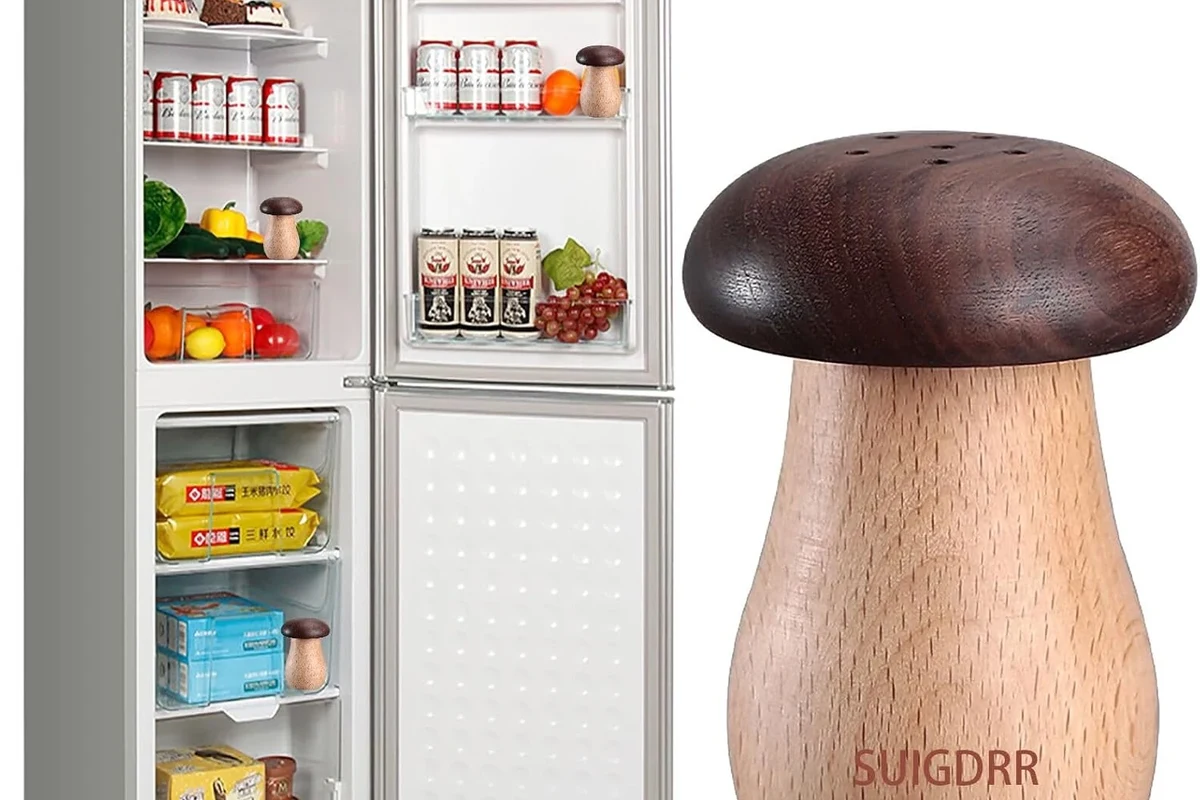
Baking soda, or sodium bicarbonate, helps reduce odors by interacting with some of the acidic or basic compounds that create smell. It does not “clean the air” in a broad sense, but it can help lower the strength of certain odors on surfaces and in confined spaces.
That is why it remains useful in kitchens, closets, and storage areas. It is inexpensive, easy to store, and simple to use, which makes it a practical backup when you want a low-effort deodorizing option.
What baking soda actually absorbs versus what it only masks
Baking soda works best on odors that are sitting in dry materials, light residue, or trapped air in a small container. It can help reduce smell from food, fabric, and some household buildup, but it is not a cure for mold, sewage, or a spill that is still wet.
It also does not cover odors the way a strong perfume does. That matters, because masking and reducing are not the same thing. If the source is still active, the smell usually returns.
Baking soda is often most effective when the odor source has already been cleaned and dried. It works better as a finishing step than as a replacement for washing or scrubbing.
Why it remains a practical low-cost deodorizing option for homes
Many homes need a simple odor control method for routine use, not a specialty treatment. Baking soda is easy to place in a fridge, sprinkle on a carpet, or keep near a trash can, and it does not require power or batteries.
If you already keep baking soda in the pantry for baking, you may also use it for odor control with very little extra effort. For readers who want to understand the ingredient itself, our guide on when baking soda expires and how to tell can help you judge freshness more confidently.
Best Places to Use Baking Soda for Odor Control Around the Home
The best places are the ones that trap smell in a small space or on a dry surface. Think of it as a helpful tool for enclosed areas, not a whole-house air treatment.
Refrigerators, freezers, and pantry storage areas
Refrigerators are one of the classic uses because they hold many different food smells in a compact space. An open box or bowl can help reduce lingering odors from onions, leftovers, and strong cheeses.
Freezers and pantries can also benefit, especially if packaging has absorbed odor over time. For pantry storage, keep the baking soda in a dry, open container and away from direct contact with food unless the package instructions say otherwise.
Trash cans, diaper pails, laundry rooms, and pet zones
These are high-odor areas because moisture, organic waste, and warm air can intensify smells. A small amount of baking soda in the bottom of a clean trash can or in a nearby open container can help between deep cleanings.
In laundry rooms, it can help with musty baskets or damp hamper odors. In pet zones, it is best used only after the area is cleaned and fully dry, since baking soda is not a substitute for removing urine, litter residue, or spills.
If you use baking soda in laundry routines, our article on baking soda in laundry explains why it is often paired with regular washing rather than used alone.
Carpets, upholstery, shoes, closets, and entryways
Soft surfaces hold odor because fibers trap particles. Baking soda can be useful on carpets, upholstered furniture, shoes, and closet floors when the material is dry and fabric-safe.
Entryways also collect outdoor smells, dampness, and shoe odor. A light treatment can help, but vacuuming and airflow matter just as much as the powder itself.
For smoke-related odor buildup, baking soda may help with light residue, but stronger smoke damage usually needs deeper cleaning and better ventilation. See our guide on baking soda for smoke odors for more context.
How to Use Baking Soda as an Odor Eliminator the Right Way
The method matters as much as the product. Too little baking soda, too much moisture, or the wrong surface can reduce results quickly.
Open bowl method for enclosed spaces
This is the simplest approach for fridges, closets, cabinets, and small storage areas. Place baking soda in a shallow bowl or open box so more surface area is exposed to the air.
Keep it in a stable spot where it will not spill. If the area is very humid, expect weaker performance because moisture can reduce how well the powder stays free-flowing.
Surface sprinkling for carpets and fabric-safe areas
Sprinkling works best on dry carpet, rugs, and some upholstery when the fabric is safe for light powder treatment. Use a thin, even layer rather than a heavy pile, because more powder does not always mean better odor removal.
Let it sit long enough to interact with the odor source, then vacuum thoroughly. If the material is delicate, hidden, or labeled dry-clean only, test a small spot first or choose another method.
Paste and wipe method for stubborn odor spots
For hard surfaces, a paste made from baking soda and a little water can help with stubborn odor spots on counters, bins, or sink areas. The paste gives you more contact with the surface than dry powder alone.
Apply it gently, let it sit briefly, then wipe and rinse if needed. This method is useful for residue, but it is not ideal for porous materials that can hold moisture.
Do not use a wet paste on electronics, unsealed wood, or moisture-sensitive finishes. If you are unsure whether a surface is safe, check the manufacturer’s care instructions first.
How much to use and how long to leave it in place
There is no single exact amount that fits every job, because room size, humidity, odor strength, and surface type all matter. A light, even application is usually better than a thick layer that is hard to remove.
For enclosed spaces, leave it in place long enough to absorb odors gradually, then replace it when the smell returns or the powder clumps. For carpets and fabrics, vacuum only after the powder has had time to sit and dry.
Common Odor Problems and the Best Baking Soda Approach for Each
Different smells need different handling. A baking soda odor eliminator works best when you match the method to the source of the odor.
Food odors from fish, onions, garlic, and leftovers
Strong food odors often cling to containers, fridge shelves, and cutting boards. Baking soda can help reduce lingering smell after the area has been washed and dried.
For active food residue, start with cleaning first. If the odor is in a storage container, an open bowl of baking soda nearby or a dry sprinkle in the container after washing can help with the last traces of smell.
Musty smells from damp storage and closets
Musty odors usually point to trapped moisture, which means the smell source is still part of the problem. Baking soda can help with the odor, but you also need to dry the area and improve airflow.
Closets, basement shelves, and storage bins often do better with a combination of cleaning, drying, and a small open container of baking soda. If the odor keeps coming back, check for leaks or poor ventilation.
Pet odors, smoke residue, and everyday household buildup
Pet odors are often strongest in fabrics, litter areas, and places where accidents were not fully cleaned. Baking soda can help after washing, but it cannot replace enzyme cleaners or proper cleanup when urine or waste is involved.
Smoke residue and general household buildup are similar in that the smell may be spread across surfaces. Baking soda can help with lighter residue, but stronger odors often need repeated cleaning and fresh air. For broader kitchen odor issues, some readers also find our guide on cleaning ovens with baking soda and vinegar helpful, especially when baked-on residue is part of the smell.
Common Mistakes That Reduce Baking Soda’s Effectiveness
Most disappointing results come from using the product in the wrong way, not from the ingredient itself. A few small adjustments can make a noticeable difference.
Using too little product or replacing it too late
If the space is large or the odor is strong, a tiny amount may not do much. The same is true if you leave the powder in place long after it has absorbed what it can.
When baking soda becomes damp, clumpy, or no longer seems to reduce smell, it is usually time to replace it. Fresh product performs more consistently than old, exposed powder.
Expecting it to work on wet, active, or chemical odors alone
Baking soda is not designed to fix a spill that is still wet, a leak that continues to smell, or chemical fumes from cleaners, paint, or solvents. Those situations usually need source removal, drying, and ventilation first.
If the odor is active, the powder may help a little, but it will not solve the underlying issue. That is an important limit to understand before you rely on it.
Mixing it with vinegar when odor absorption is the real goal
Many people assume baking soda and vinegar are always better together, but that is not true for odor absorption. When they react, they neutralize each other and create fizz, which can be useful for some cleaning tasks but not for keeping baking soda available to absorb smell.
If you want a simple explanation of that reaction, you can read our article on the baking soda and vinegar reaction. Use the right method for the job instead of combining ingredients automatically.
Overapplying on delicate fabrics or moisture-sensitive surfaces
Heavy application can leave residue, especially on dark carpet, textured upholstery, or tight fabric weave. It can also be difficult to remove completely if the powder settles deep into fibers.
Always check the care label when you are working on fabric, and avoid wet applications on surfaces that may stain, warp, or corrode. When in doubt, test a small hidden area first.
Safety, Surface Compatibility, and Cleanup Tips
Baking soda is generally considered a mild household ingredient, but mild does not mean universal. Surface type, moisture, and cleanup all matter.
When baking soda is safe for food areas, fabrics, and hard surfaces
It is commonly used in food storage areas, on many washable fabrics, and on a range of hard surfaces. That said, food-contact use should still follow sensible cleanup and the product directions on the package.
For kitchen use, keep the area clean and dry after treatment. If you are working around food, avoid loose powder where it could contaminate ingredients or get into unfinished dishes.
What to avoid on aluminum, polished finishes, and electronics
Baking soda can be too abrasive or too moisture-prone for some materials. Aluminum, polished finishes, and sensitive electronics are better left alone unless the manufacturer specifically says the surface is safe for that type of cleaning.
When a surface is coated, painted, or sealed in an unusual way, check care instructions before applying powder or paste. A cautious test spot is better than a permanent mark.
Keep baking soda away from open electrical components and unplug appliances before cleaning around them. Moisture and powder can both create problems if they enter vents, switches, or cords.
How to vacuum, wipe, or rinse residue without leaving buildup
For carpets and upholstery, vacuum slowly enough to lift the powder from the fibers instead of skimming over the top. You may need more than one pass, especially on thick pile.
For hard surfaces, wipe with a clean damp cloth and then dry the area so residue does not build up. If the powder was used as a paste, rinse if needed and finish with a dry cloth.
Storage, Freshness, and When to Replace Baking Soda
Baking soda only works well when it is dry and exposed to air in a useful way. Packaging, humidity, and how often you open the container all affect performance.
How packaging, humidity, and air exposure affect odor performance
A sealed box stays fresher longer than an open one, but once you open it for odor control, it starts interacting with the surrounding air. In humid rooms, clumping can happen faster, which may reduce performance.
That is why a box in a damp basement may not last as long as one in a dry pantry. Airflow helps, but moisture is the bigger enemy.
Practical replacement schedules for fridge boxes and open containers
There is no universal schedule that fits every home, because odor load and humidity vary. A fridge box, closet bowl, or trash-area container should be checked regularly and replaced when freshness drops.
If the container is near strong odors or in a warm, damp space, it may need replacing more often. For baking use, always keep a separate box from one used for odor control if you want consistent ingredient freshness.
How to tell when baking soda is no longer doing the job
The easiest sign is simple: the smell comes back even though the powder is still there. Clumping, dampness, and a stale appearance are also clues that it has absorbed as much moisture and odor as it can.
If you are not sure whether the box is still useful, replace it and see whether the odor improves. That is often the fastest way to judge performance in real household conditions.
Choosing the Right Odor Control Strategy for Your Home
Baking soda is a useful tool, but it works best as part of a sensible routine. Clean first, dry completely, then use the powder to help with what remains.
When baking soda is enough on its own
It can be enough for mild fridge smells, light shoe odor, or a closet that only needs routine freshening. It is also helpful in small enclosed spaces where the odor source has already been removed.
In those cases, a simple open container or light surface treatment may be all you need.
When to combine it with cleaning, ventilation, or activated charcoal
If the odor is strong, recurring, damp, or linked to a spill or leak, cleaning and ventilation should come first. Activated charcoal can be useful in some situations where you want a stronger odor-adsorbing material, especially in sealed storage.
Use baking soda as one part of the plan, not the entire plan. That is the most reliable way to keep a home smelling fresh without overcomplicating the process.
Final recap: the most effective use cases for a fresher home
The best uses for a baking soda odor eliminator are small enclosed spaces, dry fabrics, and areas that have already been cleaned. It is affordable, familiar, and easy to keep on hand for everyday odor control.
For the best results, use it where it can stay dry, replace it when it loses strength, and do not expect it to solve active moisture, chemical, or heavy contamination problems by itself.
Baking soda is still one of the most practical low-cost odor helpers for kitchens, closets, fabrics, and storage spaces. Use it after cleaning and drying, and you will usually get better results than relying on fragrance alone.
Frequently Asked Questions
It depends on the surface, odor strength, and humidity. For carpets and fabrics, let it sit long enough to dry and interact with the odor before vacuuming.
It can help with mild odors after the area is cleaned and dried. For urine or waste odors, use proper cleanup first because baking soda alone is not enough.
No, not all fabrics are suitable. Check the care label, test a hidden spot first, and avoid delicate or dry-clean-only materials unless the manufacturer says it is safe.
It can absorb moisture and odors over time, which reduces its effectiveness. Replace it when the smell returns, the powder clumps, or it looks damp.
Not if your main goal is odor absorption. The reaction is useful for some cleaning tasks, but it neutralizes the baking soda before it can keep absorbing smells.
Check for the source of the odor, such as moisture, residue, or a spill that was not fully cleaned. Ventilation, drying, and deeper cleaning are often needed before baking soda can help.
