
Baking Soda and Heat What Happens When You Use It
Baking soda and heat work best together when the recipe has enough acid to trigger a real reaction. If the formula, oven temperature, and measurements are balanced, you get better rise, browning, and texture.
Baking soda and heat work together in very specific ways, and the result depends on the recipe, the oven, and the ingredients around it. In some batters, heat helps baking soda create lift and browning; in others, it only reveals mistakes in measuring or mixing.
- Acid matters: Heat helps, but baking soda still needs an acidic ingredient for strong lift.
- Measure carefully: Small overages can cause soapy flavor, dark color, and coarse crumb.
- Oven control matters: Preheating and correct temperature affect spread, rise, and browning.
- Recipe fit matters: Soda works best in batters and doughs with buttermilk, yogurt, molasses, or cocoa.
- Check freshness: Old or contaminated baking soda can weaken results and change flavor.
How Baking Soda Reacts to Heat in Real Baking
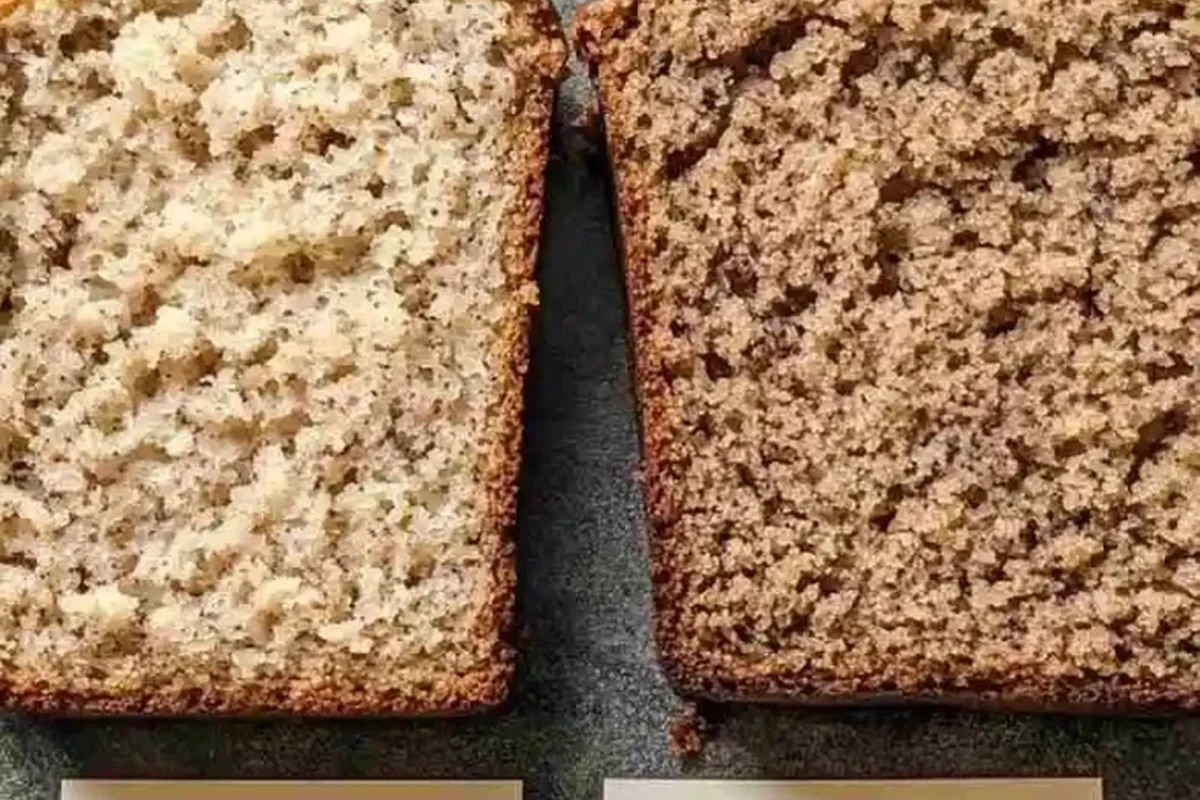
Baking soda is sodium bicarbonate, a base that needs an acid to release carbon dioxide gas efficiently. Heat can speed parts of the process, but it does not replace the acid needed for the strongest rise. If you want a deeper breakdown of that gas release, our guide on baking soda and vinegar reaction explains the basic chemistry in a simple way.
What happens at the chemical level when baking soda warms up
When baking soda warms in a wet batter, it can begin reacting faster, especially if an acidic ingredient is present. The gas bubbles form early, and those bubbles expand further as the batter heats in the oven. That expansion helps cakes, muffins, and quick breads rise before the structure sets.
Heat also affects browning. Baking soda raises pH, and a more alkaline batter usually browns faster because it encourages Maillard reactions. That is why soda-based cookies often turn darker than recipes made with baking powder alone.
Baking soda can change both rise and color at the same time, which is why a well-browned cookie is not always overbaked.
Why heat alone does not always create lift without an acid
Heat can expand trapped gases, but baking soda still needs acid for a strong, reliable reaction. If a recipe is not acidic enough, the soda may remain partly unreacted and leave a soapy or metallic taste. That is one reason many bakers use baking soda instead of baking powder safely only when the formula clearly has enough acid.
In other words, the oven helps the process finish, but it does not do the whole job. The batter still needs the right ingredient balance before it goes in.
How reaction timing changes in cookies, cakes, and quick breads
Cookies often spread before they set, so soda can encourage a thinner, browner edge if the dough is properly balanced. Cakes and muffins need enough lift early in the bake to create a tender crumb before the starches and proteins firm up. Quick breads rely on that same timing, but they are more sensitive to underbaking in the center if the oven is too cool.
A thick batter holds gas longer than a loose one, so timing changes with hydration and mixing. A chilled cookie dough, for example, will react differently from a room-temperature muffin batter even when the ingredient list is similar.
When Baking Soda Is the Right Leavening Choice
Baking soda is the right choice when the recipe already includes acidic ingredients and you want quick lift plus good browning. It is especially useful in batters that bake soon after mixing. For a comparison of the two common leaveners, see is baking soda and baking powder the same.
Recipes that benefit from fast rise and browning
Recipes with buttermilk, yogurt, sour cream, molasses, citrus juice, natural cocoa, or brown sugar often benefit from baking soda. The acid helps neutralize the soda, while the heat finishes the lift. That combination can create a softer crumb and a richer color.
This is why soda appears often in pancakes, gingerbread, chocolate cakes, and many drop cookies. These formulas usually need a quick reaction rather than a long, slow rise.
How ingredient acidity affects flavor and texture
Acid does more than trigger bubbles. It also lowers the batter’s pH, which can mellow harsh soda flavor and improve the final texture. Without enough acid, the crumb may feel coarse, and the flavor may seem flat or slightly alkaline.
Too much acid can create the opposite problem: a batter that rises quickly but tastes sharp or collapses before it sets. The best results usually come from a balanced formula, not from adding extra soda to force more lift.
Examples of batters and doughs where baking soda performs best
Drop cookies, chocolate cakes made with natural cocoa, banana breads with yogurt, and buttermilk muffins are classic soda-friendly formulas. Dense doughs like ginger cookies also benefit because soda helps spread and browning. If you are checking product quality before baking, our Bobs Red Mill baking soda review may help you think about freshness and packaging.
Acidic dairy gives baking soda a clear reaction and helps create a tender crumb.
Natural cocoa and heat together support browning and a softer bite.
Measuring Baking Soda Correctly for Heat-Driven Results
Because baking soda is strong, even a small measuring error can change taste, color, and texture. In school kitchens and home kitchens alike, accuracy matters more with soda than with many other dry ingredients.
Typical ratios and why small overages matter
There is no single perfect ratio for every recipe, but most formulas use only a small amount of baking soda relative to the flour and acidic ingredients. Too much soda can leave a bitter, soapy aftertaste and a darker-than-expected crust. Too little may not neutralize enough acid, which can leave the crumb dense or oddly tangy.
Use the recipe as written first, then adjust only after testing. When a formula changes, the balance between acid, moisture, and heat changes too.
Do not guess with baking soda in a finished formula. A small excess can affect flavor and browning enough to ruin the batch, especially in delicate cakes and muffins.
How to measure for single- and double-acting results in mixed batters
Baking soda itself is not double-acting, but it may be used alongside baking powder in recipes that need both immediate and delayed lift. In those mixed batters, the soda reacts quickly with acids, while the baking powder helps maintain rise in the oven. That is useful when the batter sits briefly before baking or needs a more controlled structure.
Measure with level teaspoons or a scale when possible, and mix evenly so one bite does not taste stronger than another. Uneven distribution is a common reason for streaks, coarse pockets, or uneven browning.
Common scaling mistakes in home and school kitchens
Scaling up a recipe is not as simple as multiplying every ingredient without checking the balance. If you double the flour but forget to double the acid, the soda may not fully react. If you increase the soda without changing the rest of the formula, the flavor can become harsh.
Another common issue is using a packed spoon instead of a level measure. That small difference can matter a lot in recipes with fine crumbs or thin batters.
- Use a level measure or scale for baking soda.
- Check whether the recipe includes enough acidic ingredients.
- Confirm the batter or dough will go into the oven promptly.
- Verify any scaling changes before making a larger batch.
How Oven Temperature Changes the Outcome
Oven temperature controls how fast the bubbles expand and how quickly the batter sets. If the oven is too cool, the structure may set late and the baked good can spread or sink. If it is too hot, the outside may brown before the center is done.
Low, moderate, and high heat effects on spread, rise, and browning
Lower heat usually gives more spread and a gentler rise, which can be useful for some cookies but risky for cakes that need structure. Moderate heat is the safest starting point for most soda-based batters because it gives gas time to expand while the crumb sets. High heat can create strong browning and oven spring, but it can also dry the edges too quickly.
For many home bakers, the exact result depends on oven calibration, rack position, pan color, and pan material. A dark pan often browns faster than a light one, even at the same set temperature.
Actual oven temperature can differ from the dial setting by quite a bit, so an oven thermometer is a practical tool when a recipe depends on precise rise and browning.
Why preheating matters for soda-based batters and doughs
Preheating gives the batter immediate heat, which helps set the outer structure while gas bubbles are still expanding. If the oven is not fully hot, the batter may sit too long, lose gas, and bake up flatter. That matters most in recipes that rely on a fast reaction from baking soda.
For best consistency, put the pan in only after the oven reaches the target temperature and the preheat indicator has finished, if your appliance has one. Manufacturer instructions are the best reference for your specific oven model.
Signs the oven is too hot or too cool for the formula
If the oven is too hot, you may see dark edges, cracked tops, or a center that stays underdone while the surface looks finished. If it is too cool, the product may spread too much, rise slowly, or bake up pale and dense. In both cases, the recipe may be fine, but the heat is not matching the formula.
Watch the visual cues, not just the timer. Color, edge firmness, and center set tell you more than the clock alone.
The outside of the cookie or cake browns before the middle sets.
Lower the rack position, reduce the oven temperature slightly if needed, and check pan color and size. A darker pan or a crowded oven can speed surface browning.
Common Baking Problems Caused by Baking Soda and Heat
Most soda problems come from balance issues, not from the ingredient alone. Heat simply makes the mistake visible faster.
Soapy taste, dark color, and coarse texture from excess soda
Too much baking soda can leave a bitter or soapy flavor because not all of it gets neutralized. It can also make the crumb coarse and the color unusually dark. In cookies, this sometimes shows up as a strange aftertaste at the edges.
If you notice that problem repeatedly, reduce the soda only after checking the acid level and the accuracy of your measuring method. The fix is usually a formula adjustment, not just a longer bake.
Flat baked goods when the batter is too acidic or the oven is underheated
If the batter has too much acid and not enough soda, the lift may be weak and the crumb may stay heavy. An underheated oven can make that worse because the structure sets too slowly. The result is often a flat top, tight crumb, or a center that sinks after baking.
This is one reason bakers test a recipe in the intended pan and oven before scaling it for service or class production. Small differences in equipment can change the outcome.
Over-browning before the center sets
Baking soda encourages browning, which is useful until the exterior gets ahead of the interior. This is common in sweet doughs and enriched batters with extra sugar. If you see deep color too soon, the formula may need less soda, a lower temperature, or a different pan.
For some recipes, pairing soda with baking powder gives a more even rise and less aggressive browning. That blend can be easier to control in mixed batters.
- Match baking soda to an acidic ingredient.
- Preheat fully before loading the pan.
- Check for even mixing and proper scaling.
- Adding extra soda to force more rise.
- Baking in a cool oven and expecting the same result.
- Ignoring dark pans, rack position, or oven calibration.
Ingredient Pairings That Control the Reaction
The best soda results come from ingredients that manage acid, moisture, and structure together. Heat then finishes the job by expanding bubbles and setting the crumb.
Buttermilk, yogurt, molasses, cocoa, and brown sugar
Buttermilk and yogurt are classic partners because they supply reliable acidity and moisture. Molasses adds both acid and flavor, which is why it works so well in gingerbread and spice cookies. Natural cocoa is also acidic enough for many recipes, while brown sugar contributes a slight acidity and extra moisture.
Each ingredient changes the final texture in a different way. A wetter batter may spread more, while a thicker one can trap gas and rise higher before setting.
How fat, sugar, and flour influence heat response
Fat tenderizes and slows gluten development, which can make the crumb softer but also reduce structure if the batter is too loose. Sugar holds moisture and delays setting, which can increase spread and browning. Flour provides the framework that keeps the gas bubbles from escaping too soon.
That balance is why the same amount of baking soda can behave differently in a cookie dough, a muffin batter, and a quick bread. The oven heat is the same, but the formula is not.
When to pair baking soda with baking powder instead
Use both leaveners when the recipe needs acidity for flavor and soda reaction, but also needs extra lift that lasts through baking. This is common in recipes with moderate acid or in batters that sit a little before baking. If you want to compare the two directly, our article on baking soda and vinegar reaction explained simply and the earlier soda-versus-powder guide can help you think through the chemistry.
When in doubt, follow a tested recipe rather than improvising. Leavening is one of the easiest places to upset a formula.
Storage, Freshness, and Safety in the Baking Lab
Fresh baking soda matters because old or contaminated soda can weaken the reaction and affect flavor. Good storage also helps keep the baking area clean and safe.
How to store baking soda so it stays effective
Keep baking soda sealed in a dry container away from strong odors and moisture. It can absorb smells from the pantry, which is why it is sometimes used for odor control around the home. For pantry organization or cleanup reference, see our guide on baking soda for shoes cleaning and related storage habits.
In a classroom or lab setting, label containers clearly and avoid storing them next to cleaning supplies or strongly scented ingredients. Cross-contact can affect both flavor and safety.
How to test whether baking soda is still active
A simple freshness check is to add a small amount of baking soda to an acidic liquid and watch for immediate fizzing. Strong, quick bubbling suggests it is still active. Weak or delayed bubbling suggests it may be old, damp, or contaminated.
This is a practical test, but it is not a substitute for recipe testing. A fresh ingredient can still fail if the formula is unbalanced.
Safe handling, cleanup, and avoiding cross-contamination in classes
Use dry utensils, keep containers closed, and clean spills promptly so the powder does not spread into other ingredients. In shared kitchens, avoid mixing baking soda with cleaners or unknown substances. For food safety questions involving raw flour, eggs, or allergens, follow recognized guidance from the USDA or FDA and check product labels carefully.
Also be careful with hot pans and ovens, since soda-based items often bake at temperatures that can cause burns quickly. Use mitts, keep handles turned in, and let pans cool before unmolding.
Never taste raw batter to check soda flavor if it contains raw egg or untreated flour. Wait until baking is complete and the product has cooled enough to handle safely.
How to Decide If Baking Soda Fits Your Recipe or Technique
Baking soda fits best when the recipe has enough acid, needs quick lift, and benefits from stronger browning. It is less forgiving than baking powder, so the formula must be balanced before it goes into the oven.
Recap of the best use cases for baking soda under heat
Use baking soda for cookies, muffins, quick breads, spice cakes, and other recipes where acidity is already part of the ingredient list. It is especially useful when you want a fast reaction and a browned finish. It is not the best choice when the batter lacks acidity or the recipe needs a very gentle, predictable rise.
When to switch formulas after testing results
If your baked goods taste soapy, spread too much, rise poorly, or brown too fast, the formula may need adjustment. Try changing the acid level, the soda amount, or the oven temperature one factor at a time. That makes it easier to see what actually improved the result.
What students and home bakers should verify before baking
Before you bake, verify the recipe source, ingredient freshness, oven calibration, pan size, and whether the batter will be baked right away. If you are working in a class or production kitchen, keep notes on brand differences, humidity, altitude, and rack position. Those details often explain why one batch behaves differently from the next.
In short, baking soda and heat are a powerful pair only when the formula is built for them. If you balance the acid, measure carefully, and match the oven temperature to the recipe, you get better rise, better color, and fewer unpleasant surprises.
Measure the soda accurately, check the acid sources, and preheat the oven fully.
Use the right rack position and watch for color, spread, and center set.
Let the product set before moving it so the crumb does not collapse.
Frequently Asked Questions
Heat helps the reaction move faster, but baking soda usually needs an acid to create strong lift. Without enough acid, you may get weak rise and a soapy taste.
Baking soda raises the batter’s pH, which encourages browning during baking. That is why soda-based cookies and cakes often look darker than recipes made with baking powder alone.
No, not safely in every recipe. Baking soda needs an acidic ingredient to work well, so the formula must be checked before you swap it in.
Too much can cause a bitter, soapy flavor, dark color, and coarse texture. It can also upset the rise and make the crumb less even.
Test a small amount with an acidic liquid and look for quick fizzing. If the reaction is weak or delayed, replace it.
The batter may have had too much acid, too much soda, or an oven that was too cool. When the structure sets too slowly, the gas can escape before the crumb firms up.

