Baking Soda or Baking Powder for Cookies Which Is Best
Baking soda is best for cookies with acidic ingredients when you want more spread, browning, and chew. Baking powder is best for low-acid doughs when you want a softer, thicker cookie with more lift.
When a cookie recipe calls for baking soda or baking powder, the choice changes more than lift. It affects spread, texture, browning, and even flavor, so the best ingredient depends on the dough you are mixing and the result you want.
- Baking soda: Works best in acidic doughs and usually creates more browning and spread.
- Baking powder: Works best in neutral doughs and usually gives a softer, taller cookie.
- Measurement matters: Small errors can change texture, flavor, and color in a noticeable way.
- Freshness counts: Old leaveners often cause flat, dense, or uneven cookies.
Understanding the Role of Leaveners in Cookie Dough
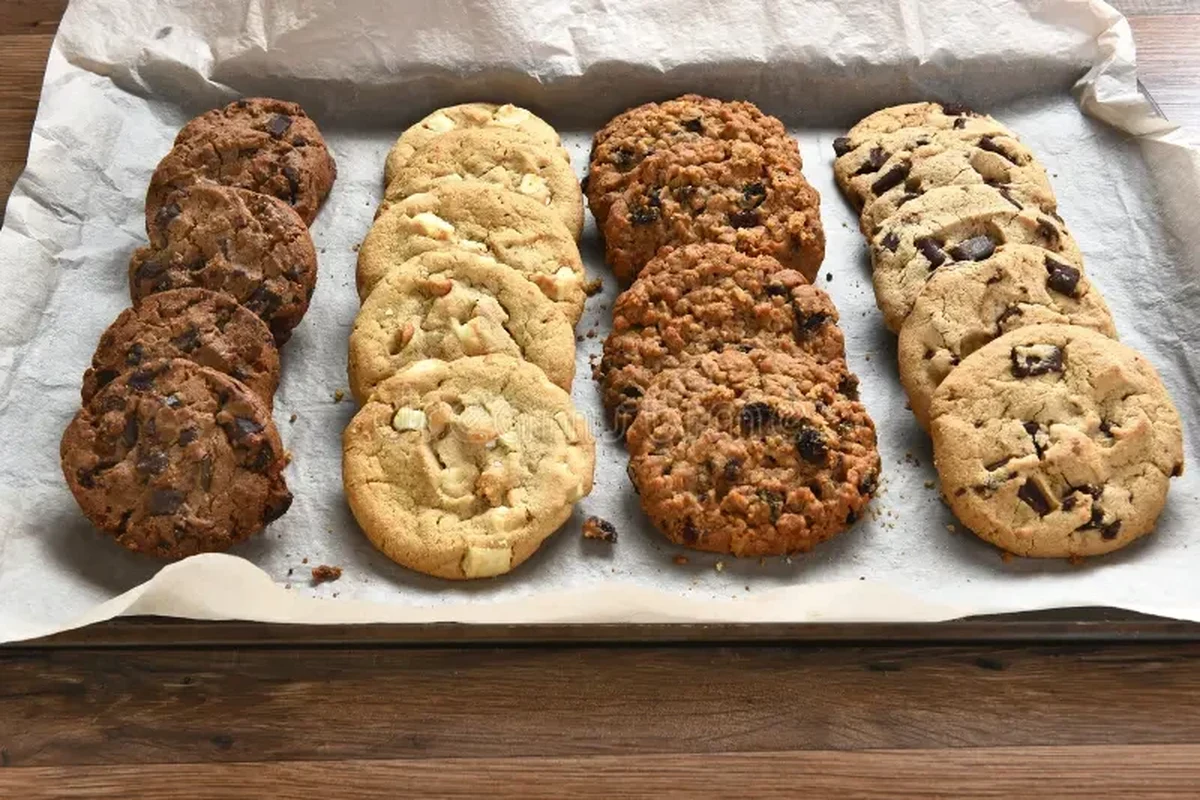
Leaveners help cookie dough rise by creating gas that expands in the oven. In cookies, that rise is usually modest, but it still shapes whether the final cookie is thin and crisp, thick and chewy, or soft and cakey.
How baking soda and baking powder work differently in cookies
Baking soda is pure sodium bicarbonate, and it needs an acid in the dough to react well. Common acidic ingredients include brown sugar, molasses, natural cocoa, yogurt, sour cream, buttermilk, or citrus juice.
Baking powder already contains both an acid and a base, so it can produce lift even when the dough has little natural acidity. Most baking powders are double-acting, which means they release some gas when mixed and more in the oven.
Why cookie spread, lift, and browning depend on the leavener
Cookie spread happens when the dough softens before it sets. Baking soda tends to encourage spread because it raises pH, which weakens gluten slightly and speeds browning, while baking powder usually supports a taller, softer cookie with less spread.
If you want to compare the ingredients more broadly, our guide on is baking soda and baking powder the same explains the core chemistry in simple terms. For substitution questions, see can you use baking soda instead of baking powder safely.
Baking soda can deepen browning because alkaline dough speeds the Maillard reaction, the set of browning reactions that create color and flavor in baked goods.
Baking Soda vs. Baking Powder: What Each Ingredient Changes in a Cookie
The difference is not just how much a cookie rises. The leavener changes how the dough sets, how much moisture stays inside, and how the cookie tastes once it cools.
Texture differences: chewy, cakey, thick, or crisp
Baking soda often supports chewy, crisper-edged cookies because it encourages spread and browning. That is why many chocolate chip and oatmeal cookie formulas use it when the goal is a flatter cookie with a tender center.
Baking powder tends to make cookies thicker and more cake-like because it adds lift without needing extra acid. If a dough is rich in butter and sugar but low in acidic ingredients, baking powder can help the cookie hold a rounded shape.
Flavor and browning effects you can actually taste and see
Cookies made with baking soda often taste a little more caramelized because they brown faster. That can be a benefit in chocolate chip cookies, snickerdoodles, and molasses cookies, where warm flavor and color are part of the appeal.
Baking powder usually gives a milder taste and a lighter color. Too much, however, can leave a slightly metallic or soapy edge, especially if the dough is not balanced with enough sugar, fat, and salt.
How acidity in the dough determines which leavener performs best
Acidity is the deciding factor. If the dough already contains acidic ingredients, baking soda can neutralize some of that acid while creating carbon dioxide for lift.
If the dough is not acidic enough, baking soda may not fully react, leaving a dull taste or a dense cookie. In that case, baking powder is usually the safer choice because it brings its own acid system.
Ingredient brands matter. Brown sugar, cocoa, flour type, and butter water content can all shift how much spread or lift you see in the oven.
When to Use Baking Soda for Cookies
Baking soda is the better choice when you want a cookie that spreads a bit, browns well, and tastes rich rather than plain. It works best when the dough already has enough acid to activate it.
Best cookie styles for baking soda-based doughs
Use baking soda for cookies that should be chewy, crisp at the edges, or deeply browned. Chocolate chip cookies, snickerdoodles, molasses cookies, and many oatmeal cookies are common examples.
These formulas often include brown sugar, molasses, or natural cocoa, all of which help baking soda do its job. The result is usually a cookie with more spread and a more developed flavor.
Ingredient pairings that activate baking soda properly
Baking soda pairs well with brown sugar, buttermilk, yogurt, sour cream, molasses, natural cocoa, or honey in some formulas. The exact amount of acid needed depends on the recipe, so it is best not to improvise heavily unless you understand the balance.
If you are ever unsure about replacing one ingredient with another, our article on baking soda and vinegar reaction explained simply is useful for understanding how acid-base reactions create bubbles, even though vinegar is not a standard cookie ingredient.
- Check whether the recipe includes brown sugar, molasses, cocoa, or dairy acid
- Measure baking soda carefully with level spoons
- Confirm your baking soda is fresh and free-flowing
Common signs your dough has enough acid for soda to work
If the recipe includes brown sugar as the main sweetener, that is often a clue that baking soda is intentional. A dough with natural cocoa, sour cream, buttermilk, or molasses also usually has enough acidity for soda to perform well.
Another sign is the expected finish. If the recipe aims for a darker, wider, chewier cookie, soda is often the right match. If the dough seems very plain and low-acid, baking powder may be more reliable.
Do not assume more baking soda means more lift. Too much can leave a harsh taste, excessive spread, or an off color that is hard to fix after baking.
When to Use Baking Powder for Cookies
Baking powder is helpful when the dough needs lift but does not have much acid. It gives bakers a more self-contained leavening system and is often easier to use in neutral doughs.
Cookie types that benefit from extra lift and a softer crumb
Use baking powder for cookies that should be thick, soft, and slightly puffy. Sugar cookies, some shortbread-style variations, frosted cookies, and certain drop cookies can benefit from that gentler rise.
In these cookies, the goal is usually a tender crumb rather than a chewy, browned edge. Baking powder helps the dough rise before the fat fully melts and spreads the cookie outward.
Why baking powder is useful in low-acid doughs
When a dough has little acid, baking soda may have nothing meaningful to react with. Baking powder avoids that problem because it includes its own acid salts and can create lift without relying on the recipe’s flavor profile.
That makes it especially useful in doughs made with milk, neutral cocoa, or plain butter-based batters. It can also help when you want more predictable results from batch to batch.
How double-acting baking powder changes timing and rise
Double-acting baking powder starts releasing gas when it gets wet and releases more when heated. That gives you some flexibility between mixing and baking, though you still should not let dough sit too long if the recipe depends on maximum lift.
In practical terms, this means the dough may begin to puff slightly before it enters the oven, then rise again as the heat sets the structure. Oven temperature, pan material, and dough chill time still affect the final result.
Use oven mitts and keep cookie sheets level when moving them. Hot sugar and melted butter can cause serious burns if a tray tips or spills.
How to Measure and Substitute Without Ruining the Batch
Leaveners are small ingredients, but cookie dough is sensitive to tiny changes. A little too much or too little can change both texture and flavor more than beginners expect.
Why small measurement errors matter in cookie dough
Cookie recipes often use just a fraction of a teaspoon to a teaspoon or two of leavener. That means an overfilled spoon, a heaping scoop, or a stale container can noticeably change spread and rise.
For the best consistency, use level measuring spoons and avoid packing the ingredient. If your kitchen scale is accurate for small amounts, that can help, but many home scales are less precise at very tiny weights.
Safe substitution guidelines when one leavener is missing
Substitution is possible in some recipes, but it is not always one-to-one. Baking soda and baking powder are not interchangeable in equal amounts because baking powder contains additional ingredients beyond soda.
A common rule of thumb is that baking powder is less concentrated than baking soda, so you usually need more baking powder than soda to get similar lift. Still, the correct ratio depends on the recipe’s acidity and structure, so treat substitutions as a backup plan rather than a routine method.
For a deeper look at replacement limits, our article on does baking soda expire how to tell and when to replace can help you decide whether an old container is still worth using.
What happens when you use too much or too little of either ingredient
Too much baking soda may cause spreading, dark color, or a bitter aftertaste. Too little may leave the cookie pale and dense, especially if the recipe depends on soda for browning.
Too much baking powder can make cookies puff up and then collapse, or leave a chemical aftertaste. Too little can make the cookies flat and heavy, especially in low-acid doughs that depend on powder for lift.
Cookies spread too much, look greasy, or taste flat.
Check whether the recipe needs baking soda for acid balance or baking powder for lift, and verify the leavener is fresh and measured level.
Common Cookie Problems Caused by the Wrong Leavener
If cookies do not behave as expected, the leavener is one of the first ingredients to review. It often explains issues that look like a flour problem or a butter problem at first glance.
Flat, greasy cookies and what they usually mean
Flat, greasy cookies can happen when there is too little structure or when the leavener is not doing its job. Old baking soda, missing acid, or too little baking powder can all contribute to a cookie that spreads before it sets.
Warm dough can make this worse because butter melts quickly in the oven. Chilling the dough may help, but if the leavener choice is wrong, chilling alone will not solve the problem.
Dry, cakey, or bitter cookies caused by overuse
Excess baking powder can make cookies feel dry or bready instead of tender. Excess baking soda can create a bitter note and an overly open texture that reads as coarse rather than soft.
If a cookie tastes slightly metallic or leaves a sharp aftertaste, the leavener level is worth checking before you change the whole recipe. That flavor usually means the balance of acid and base is off.
Uneven browning, metallic taste, and poor spread from imbalanced dough
Uneven browning can happen when the dough is not mixed well or when the leavener is clumped in one area. Poor spread may come from too much flour, too cold dough, or a leavener that does not match the recipe’s chemistry.
For broader baking cleanup and ingredient handling tips, some readers also find our guide to baking soda vinegar cleaning ovens useful, though it is separate from cookie baking itself.
- Match baking soda to acidic doughs
- Match baking powder to neutral doughs
- Keep leaveners sealed and fresh
- Swapping ingredients without checking the recipe’s acid level
- Using heaping spoonfuls for “extra rise”
- Ignoring stale or clumpy leaveners
Practical Examples for Choosing the Right Leavener in 2026 Baking
Modern cookie baking includes more alternative flours, reduced sugar formulas, and plant-based ingredients than it did a few years ago. Those changes can shift the best choice between baking soda and baking powder.
Chocolate chip, sugar, snickerdoodle, and oatmeal cookie comparisons
Chocolate chip cookies often use baking soda because brown sugar and sometimes brown butter flavors work well with stronger browning. Snickerdoodles also commonly rely on baking soda for spread and a classic tangy, crackly texture.
Sugar cookies often use baking powder when the goal is a thicker, softer cookie that holds shape well. Oatmeal cookies can go either way depending on whether the recipe aims for chewy and browned or soft and puffy.
Baking soda usually supports spread, chew, and deeper caramel notes.
Baking powder often helps them stay thicker and softer for decorating.
Baking soda is common because it helps with tang, spread, and crackle.
Either leavener can work, depending on whether you want chewy or cakey results.
How modern ingredient trends affect the choice between soda and powder
Reduced-sugar cookies often brown more slowly, which can make baking soda less effective if there is not enough acid or sugar balance. Gluten-free flour blends may also behave differently because they do not build structure the same way wheat flour does.
Vegan recipes can change the acid profile too, especially when dairy is replaced with plant milk or plant yogurt. In those formulas, baking powder may be a more predictable starting point unless the recipe includes an acidic ingredient on purpose.
Adjustments for gluten-free, vegan, or reduced-sugar cookie formulas
Gluten-free cookies often need careful leavener balance because the dough can be more fragile and less elastic. Too much soda can exaggerate spread, while too much powder can make the cookie feel dry or crumbly.
In vegan baking, watch for acidic swaps such as lemon juice, vinegar, or cultured plant products, because those may make baking soda work better. For reduced-sugar formulas, test small batches and note whether the cookie needs more lift, more browning, or more structure.
Best when the dough is acidic and you want browning, spread, and chew.
Best when the dough is neutral and you want a softer, thicker cookie.
Final Decision: Which Is Best for Cookies?
There is no single winner for every cookie. The best choice depends on whether your dough already has acid, and whether you want a chewy, browned cookie or a softer, taller one.
Simple rule for choosing baking soda or baking powder based on your goal
Choose baking soda when the recipe includes acidic ingredients and you want more spread, browning, and chew. Choose baking powder when the dough is low in acid and you want a gentler, more reliable rise.
Recap of the most reliable cookie outcomes for each ingredient
Baking soda is usually best for cookies that should taste rich, look darker, and bake thinner with crisp edges. Baking powder is usually best for cookies that should stay thicker, softer, and more cake-like.
If you want the most dependable result, follow the recipe’s leavener first instead of guessing. That is especially true in formulas with delicate balance, such as decorated sugar cookies or cookies made with unusual flour blends.
For most chewy, browned cookie styles, baking soda is the better fit. For neutral doughs that need extra lift and a softer crumb, baking powder is usually the safer choice.
Storage, freshness, and safety checks before baking
Keep baking soda and baking powder tightly sealed in a cool, dry place. Moisture and heat can reduce performance, and old containers can lead to weak rise or uneven texture.
If you are unsure whether a leavener is still active, replace it rather than risking a whole batch. Also remember basic kitchen safety: avoid tasting raw dough with raw flour or raw eggs unless your recipe uses heat-treated ingredients and safe handling practices.
For most home bakers, the simplest answer to baking soda or baking powder for cookies is this: use soda when acid and browning matter, and use powder when you want lift without relying on acidity. That one decision solves many common cookie problems before they start.
Frequently Asked Questions
Sometimes, but only if the dough has enough acid to activate the soda. Baking soda is stronger, so the swap is not usually one-to-one.
Flat cookies can happen if the soda is old, the dough lacks acid, or the butter is too warm. Too much soda can also make cookies spread more than expected.
Too much baking powder can leave a metallic or bitter aftertaste. Measuring carefully and using a fresh product usually prevents this.
Yes, many recipes use both to balance spread, browning, and lift. The exact amount depends on the recipe’s ingredients and structure.
Check the package date and look for clumps, moisture damage, or weak performance. If you are unsure, replace it before baking an important batch.
It depends on the formula, but baking powder is often more predictable in neutral gluten-free doughs. If the recipe includes acidic ingredients, baking soda may still be the better choice.