
Baking Soda for Mildew Smell Easy Fixes That Work

Baking soda can reduce mild mildew smell by absorbing odor, especially in closets, fabrics, shoes, and other small spaces. It works best after cleaning and drying, and it will not fix hidden moisture or mold problems.
If you are dealing with a damp, stale smell, baking soda for mildew smell can be a simple first step. It works best on light to moderate odors, especially in closed spaces and on washable surfaces.
- Best use: Use baking soda for light musty odor in small enclosed areas.
- Main limit: It cannot repair leaks, wet materials, or hidden mold.
- Better results: Clean first, then deodorize and dry the space well.
- Repeat as needed: Replace baking soda when it becomes damp or stops helping.
- Prevention matters: Fans, dehumidifiers, and airflow help keep the smell away.
Why Baking Soda Helps With Mildew Smell in the First Place
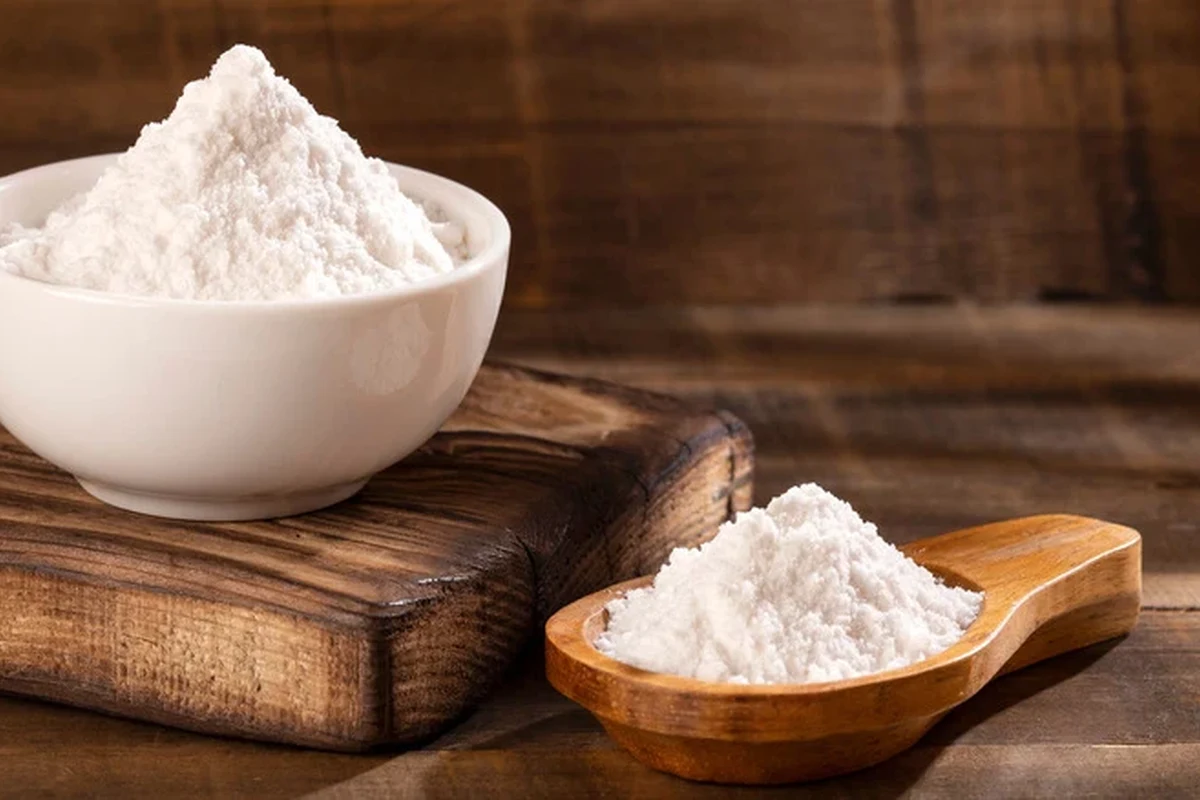
Baking soda helps because it is mildly alkaline and can interact with some odor-causing compounds instead of just covering them up. That is why it is often used in kitchens, laundry rooms, and closets when a musty smell shows up.
For a deeper look at how it works in everyday cleanup, see our guide on baking soda tricks that actually work and our article on baking soda in laundry benefits.
How baking soda absorbs odor instead of masking it
Many air fresheners simply add a stronger scent on top of the problem. Baking soda works differently by helping neutralize some odor molecules and by absorbing lingering smells from the surrounding air and surfaces.
That is useful with mildew because mildew odor often clings to fabric, cardboard, grout, and porous materials. You may notice the smell is less sharp after the baking soda has had time to sit, but the result depends on how much moisture and residue are present.
Baking soda is most effective on odors when the source is dry or already cleaned. If moisture is still active, the smell usually comes back.
When a mildew smell signals moisture, not just odor
A mildew smell is often a clue, not the whole problem. If you smell it in a closet, bathroom, or basement, there is usually moisture somewhere nearby, even if you cannot see standing water.
That is why deodorizing alone can only go so far. If the source is a leak, condensation, or poor airflow, the smell will keep returning until the space is dried and cleaned.
Best Places to Use Baking Soda for Mildew Smell Around the Home
Different areas need different approaches. Baking soda is most helpful in spots where air does not move well or where fabrics and porous materials hold onto odor.
Closets, drawers, and fabric storage bins
Closets and drawers trap humidity, especially if they are packed tightly or sit against an outside wall. A small open container of baking soda can help reduce the stale smell while you also check for damp clothes, wet shoes, or condensation.
Fabric storage bins are another common trouble spot. If the bin itself smells musty, empty it, wash or wipe it if the material allows, and let it dry fully before adding baking soda back into the space.
Basements, laundry rooms, and bathrooms
These rooms often have the right conditions for mildew: moisture, limited airflow, and warm surfaces. Baking soda can help with the smell, but it should be used alongside ventilation and drying.
If a basement smells musty after rain, the odor may be tied to humidity or a hidden damp area. In laundry rooms and bathrooms, check around sinks, washers, tubs, and floor edges where water can collect unnoticed.
Shoes, gym bags, and upholstered furniture
Shoes and gym bags trap sweat and moisture, so they can develop a mildew-like odor fast. For shoes, an odor-absorbing approach works best after the inside has been cleaned and dried; our guide on baking soda for shoes cleaning covers a few practical options.
Upholstered furniture is trickier because moisture can sit in the padding. Baking soda can help with surface odor, but if a couch or chair smells strongly musty, check for spills, pet accidents, or damp padding underneath the fabric.
Do not use baking soda on delicate fabrics, leather, or water-sensitive materials without checking care instructions first. Test a hidden spot when you are unsure.
Easy Baking Soda Methods That Actually Work
The best method depends on where the smell is coming from. In most homes, the goal is to remove surface odor, then stop new moisture from building up again.
Open-box and bowl placement for passive odor control
This is the simplest method. Place an open box or a shallow bowl of baking soda in the musty area and leave it there so it can absorb odor over time.
Use this in closets, cabinets, and small rooms with mild odor. It is a slow fix, but it is easy and low effort, which makes it useful for ongoing odor control after the area has been cleaned and dried.
Passive odor control works better in enclosed spaces than in large open rooms. In a big room, baking soda alone usually is not enough unless the odor source is very mild.
Sprinkling baking soda on carpets, rugs, and mattresses
For carpets and rugs, sprinkle a light, even layer over the affected area, let it sit, then vacuum thoroughly. This can help with surface odors trapped in fibers, especially if the smell is mild and the carpet is already dry.
Mattresses can also hold odor, but use only a thin layer and vacuum carefully. If the mattress feels damp, stop and dry it fully first, because deodorizing a wet mattress will not solve the problem.
Making a baking soda paste for hard surfaces
For tile, grout, plastic, and some sealed hard surfaces, a paste made with baking soda and a small amount of water can help lift residue. Apply it to the affected area, let it sit briefly, then scrub gently and rinse or wipe clean.
This is useful when mildew smell is tied to a surface film rather than deep water damage. If the surface is painted or unfinished, be careful, because a paste can leave residue or affect the finish.
Using baking soda during laundry and fabric refresh routines
Baking soda can be added to laundry routines to help reduce musty odors in towels, washable covers, and clothing that sat too long in a hamper. It is especially helpful when fabrics smell stale but are otherwise clean.
For laundry, the key is not to overload the machine and not to assume one wash will fix mildew odor in heavily affected items. If clothing or linens still smell after washing, dry them completely before storing them again.
How Much Baking Soda to Use and How Long to Leave It
There is no single perfect amount, because the size of the space and the strength of the smell both matter. Start with enough baking soda to cover the area without creating a mess, then give it time to work.
Practical amounts for small enclosed spaces versus larger rooms
For a small closet, drawer, or storage bin, a shallow bowl or open container is usually enough. For a larger room, use multiple containers or treat the source directly, because one small box will not affect much air.
For carpets or mattresses, use a light but visible layer rather than a heavy pile. Too little product may not help much, while too much can be difficult to vacuum completely.
Timing guidelines for light odors and stubborn mildew smell
For light odor, leaving baking soda in place for several hours may help. For stronger mildew smell, overnight or longer is often more realistic, especially in a closed space.
If the smell is stubborn, do not rush the process. Odor absorption takes time, and the source may need cleaning, drying, or both before you will notice a real difference.
The smell is still there after a short treatment.
Leave the baking soda in place longer, increase the amount for the space size, and check for trapped moisture or hidden residue.
When to reapply or replace baking soda for continued results
Baking soda does not stay effective forever. Once it has absorbed moisture and odor, it should be replaced with fresh baking soda if the smell returns or the powder looks damp or clumpy.
For ongoing odor control, replace it regularly based on the room conditions. A humid basement will usually need more frequent changes than a dry closet.
What Baking Soda Can Clean and What It Cannot Fix
Baking soda is useful for odor control and light cleaning, but it is not a cure-all. Knowing the limit saves time and helps you decide when the problem is bigger than a smell.
Surface mildew versus hidden mold or water damage
Surface mildew on washable items or sealed surfaces can often be cleaned and deodorized. Hidden mold, water damage, or soaked building materials are different problems and may need professional attention.
If the smell is coming from inside walls, under flooring, or behind appliances, baking soda will only treat the air around the problem. It will not remove what is growing or rotting inside the structure.
Why ventilation and drying matter as much as deodorizing
Moisture control is the real long-term fix. Fans, open windows when weather allows, and dehumidifiers can all help lower humidity and keep mildew from returning.
If you only deodorize and never dry the area, the smell often comes back. That is especially true in rooms with poor airflow, such as basements and closed bathrooms.
Signs the smell is coming from walls, vents, or insulation
If the odor is strongest near a vent, wall corner, or ceiling area, the source may be hidden. A musty smell that gets worse after rain, plumbing use, or running the HVAC system is another warning sign.
At that point, baking soda is only a temporary measure. It is better to inspect for leaks, condensation, or damaged insulation before the issue spreads.
Common Mistakes People Make When Using Baking Soda for Mildew Smell
Most failures come from using baking soda as the only solution. It works best as part of a cleanup and drying routine, not as a replacement for one.
Expecting baking soda to solve active moisture problems alone
If water is still present, the smell will keep returning. Baking soda can help reduce the odor, but it cannot dry a flooded carpet, fix a leak, or stop condensation from forming.
That is why it should be treated as an odor tool, not a moisture repair tool.
Using too little product or removing it too soon
A common mistake is sprinkling on a tiny amount and vacuuming it up after a few minutes. That usually does not give the powder enough time to absorb odor.
For best results, use enough to cover the area lightly and leave it in place long enough for the smell to soften. If the odor is strong, one short round is rarely enough.
Skipping cleaning before deodorizing
Baking soda works better on clean surfaces than on dirt, soap scum, or residue. If the mildew smell is tied to grime, clean first, then deodorize.
This is especially important in bathrooms, laundry areas, and around sinks where buildup can hold odor even after the surface looks clean.
Mixing up mildew odor treatment with mold remediation
Mildew odor treatment is not the same as mold remediation. If you see widespread growth, have health concerns, or suspect a hidden source, do not rely on a DIY deodorizer alone.
When in doubt, follow recognized safety guidance and consider professional help, especially if the affected area is large or the materials are damaged.
If you are cleaning around appliances, outlets, or damp floors, unplug equipment first and avoid standing water near electricity. Safety comes before odor removal.
Safer Ways to Boost Results and Prevent the Smell From Returning
The best results come from combining deodorizing with prevention. That means drying, cleaning, and improving airflow so mildew does not have the conditions it likes.
Drying damp items fully before storing them
Never store towels, clothes, or linens when they still feel even slightly damp. A little trapped moisture can create the exact stale smell you are trying to avoid.
If an item already smells musty, wash or wipe it first, then dry it completely before putting it away. This is one of the simplest ways to keep the odor from coming back.
Improving airflow with fans, dehumidifiers, and open storage
Air movement helps moisture evaporate faster, which makes mildew less likely. Fans and dehumidifiers are especially useful in basements, laundry rooms, and bathrooms where humidity tends to linger.
Open storage can also help. Leaving a little space between items lets air circulate, which is better than packing shelves or bins too tightly.
Pairing baking soda with cleaning routines for fabric and hard surfaces
For fabrics, vacuum or wash first when possible, then use baking soda for odor control. For hard surfaces, clean away grime before applying a baking soda paste or letting the powder sit nearby.
If you want more background on combining baking soda with other household cleanup routines, our article on baking soda and vinegar cleaning ovens explains why cleaning order matters, even though not every surface should be treated the same way.
When to avoid DIY methods and call a professional
Call a professional if you suspect hidden mold, major water damage, or a leak inside walls or ceilings. You should also seek help if the smell is strong enough to return quickly after cleaning, or if anyone in the home has symptoms that seem linked to damp indoor air.
In those cases, deodorizing is only a short-term cover. The real issue needs inspection, repair, and possibly remediation.
- Low-cost way to reduce mild musty odor
- Useful in closets, fabrics, and small enclosed spaces
- Easy to combine with cleaning and drying
- Will not fix leaks, hidden mold, or wet materials
- Can be too weak for strong room-wide odor
- Needs replacement when it becomes damp or spent
Final Verdict: When Baking Soda Is the Right Easy Fix for Mildew Smell
Baking soda for mildew smell is a smart, easy fix when the odor is light, the area is dry, and you want a simple way to freshen closets, fabrics, shoes, or small rooms. It is also a good support step after cleaning, especially when you want to reduce lingering stale odor without using heavy fragrance.
Best-use scenarios for quick odor control
Use baking soda when the smell is coming from a small enclosed space, a washable fabric, or a surface that has already been cleaned and dried. It is most helpful as an odor absorber, not as a stand-alone solution for moisture problems.
When to move from deodorizing to deeper cleanup or repair
If the smell keeps returning, the space feels damp, or you suspect hidden water damage, move beyond deodorizing. At that point, the better fix is drying, cleaning, improving ventilation, and checking for a leak or structural issue before the problem spreads.
Baking soda is a practical first response for mild mildew odor, especially in closets, drawers, shoes, and other small spaces. If the smell is strong, persistent, or tied to moisture, treat it as a cleanup or repair issue rather than an odor issue alone.
Frequently Asked Questions
For light odor, a few hours may help. For stronger mildew smell, overnight or longer is often more effective, especially in a closed space.
It can help reduce musty odor in washable clothes, especially after washing and drying. If the smell is strong or returns quickly, the fabric may need a deeper clean.
Usually not by itself. It can help with odor, but you also need ventilation, drying, and possibly a dehumidifier to address the moisture source.
Clean first when there is visible dirt, residue, or mildew on the surface. Baking soda works better after the area has been cleaned and dried.
Replace it when it becomes damp, clumpy, or no longer reduces the smell. In humid areas, it may need changing more often than in dry spaces.
If the smell keeps coming back, gets worse after rain, or seems to come from walls, vents, or floors, there may be hidden moisture or damage. That is a sign to inspect further or call a professional.