
Baking Soda for Roaches Does It Really Work Safely

Baking soda for roaches is not a reliable stand-alone fix, but it can support a careful cleanup routine. For real control, focus on sanitation, sealing gaps, moisture reduction, and proven bait or professional treatment.
Baking soda for roaches is one of those home remedies people try when they want a low-cost, low-odor option that feels safer than harsh sprays. The short answer: it may help in very limited situations, but it is not a reliable stand-alone solution for an actual roach infestation.
- Effectiveness: Baking soda is not a dependable roach killer on its own.
- Safety: Keep any powder away from food, children, and pets.
- Best use: Use it only as a small part of cleaning and odor control.
- Better control: Sanitation, sealing, and roach baits work more reliably.
Baking Soda for Roaches: What the 2026 Search Intent Really Wants to Know
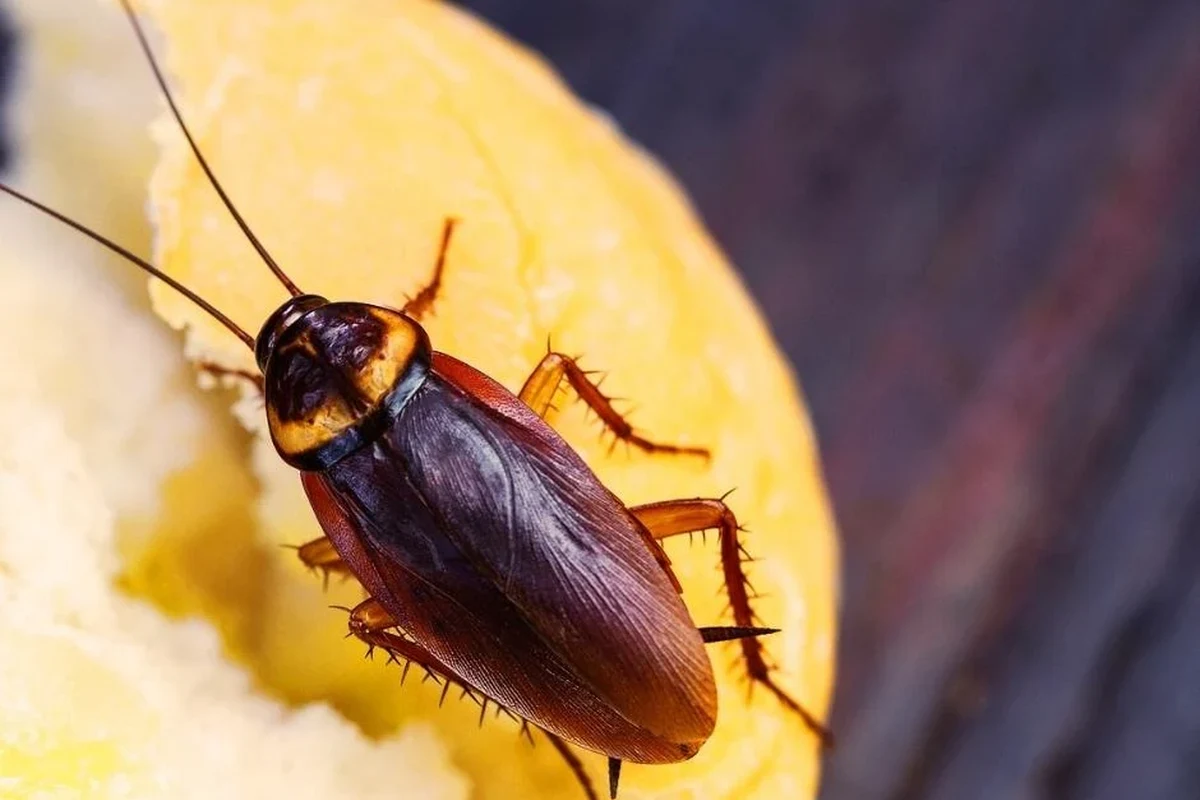
Most people searching this topic want a straight answer, not folklore. They want to know whether baking soda can really kill roaches, whether it is safe in a kitchen, and what to do if they are trying to avoid stronger chemicals around food, children, or pets.
That safety question matters because kitchens are different from other cleaning areas. Anything you place near counters, cabinets, drains, or pantry shelves should be chosen with food prep in mind, and it should be used in a way that does not leave extra mess or create another hazard.
Why people try baking soda as a roach remedy in the first place
People usually reach for baking soda because it is familiar, inexpensive, and already in the pantry. It also has a reputation for deodorizing and cleaning, so it seems logical that it might help with pests too.
In a baking or pastry kitchen, baking soda is known as a leavener that reacts under the right conditions. That idea gets borrowed into pest control, even though the chemistry and the results are not the same as what happens in a batter or dough.
What “safe” means in homes with kids, pets, and food prep areas
Safe does not mean harmless in every situation. In a home, it means the treatment should not contaminate food, attract more mess, irritate skin or eyes, or create a risk if a child or pet touches it.
If you are using any powder in a kitchen, keep the placement controlled and avoid loose piles on open surfaces. For broader home-cleaning ideas that use baking soda, see our guide on baking soda vinegar cleaning ovens and our article on clean drains with vinegar baking soda, where the focus is cleaning rather than pest control.
If roaches are present in food prep areas, follow local food-safety guidance and keep all treatments away from exposed ingredients, utensils, and open containers. When in doubt, prioritize sanitation and sealed storage over any DIY powder treatment.
How Baking Soda Is Supposed to Affect Roaches
The common claim is that roaches eat baking soda, it reacts inside them, and they die. That idea sounds neat, but it is much harder to make happen in a real kitchen where roaches have many hiding spots and many other food sources.
Roaches are opportunistic feeders. If crumbs, grease, pet food, or leaky trash are available, they are far more likely to choose those over a dry powder sitting in the open.
The common myth: baking soda as a poison or gas-producing bait
The myth usually says baking soda creates gas in the roach’s body and kills it. In practice, roaches do not reliably consume enough baking soda for that to be a dependable control method.
Unlike a formulated bait, baking soda is not designed to attract roaches, and it is not a targeted insecticide. It may be mixed into online DIY recipes, but that does not make it an effective replacement for pest-control products made for this job.
What science and pest-control experts say about its actual effectiveness
General pest-control guidance treats baking soda as an unreliable roach killer. At best, it may contribute to cleanliness or help dry out damp spots if used carefully, but that is very different from controlling a breeding population.
If you want a cleaner, safer kitchen routine, baking soda can be useful as a cleaner and deodorizer. But for roaches, the best-supported tools are sanitation, sealing entry points, and targeted baits or professional treatment when needed.
Roaches often hide in warm, dark, moist areas such as behind appliances, under sinks, and inside cabinet gaps, which is why surface-level powders rarely solve the whole problem.
Why roaches are often still present after DIY baking soda attempts
Roaches reproduce quickly, and many species hide in cracks that are hard to reach. If you only treat visible areas, you may remove a few insects while the nest or egg cases remain untouched.
Another common issue is timing. Roaches are usually most active at night, so a person may not see them during the day and assume the problem is smaller than it really is.
- Low cost and easy to find
- Can fit into a gentle cleaning routine
- Usually familiar in kitchens
- Not a dependable roach killer
- May fail if roaches have other food sources
- Does not reach hidden nests well
When Baking Soda May Help and When It Usually Won’t
Baking soda can have a place in a cleanup routine, but it should not be confused with real infestation control. Think of it as a support tool, not the main tool.
Light cleanup and odor control versus real infestation control
For light cleanup, baking soda may help absorb odors and reduce greasy residue in some areas. That can make a kitchen less attractive to pests, especially when paired with regular wiping and dry storage.
But odor control is not the same as extermination. If you are seeing live roaches regularly, finding droppings, or spotting them in daylight, the problem has moved beyond cleanup.
Using baking soda around cracks, drains, and cabinets: realistic expectations
Cracks, drains, and cabinet corners are common roach routes, so people often try placing powder there. The problem is that loose powder can get disturbed, vacuumed away, or spread into food-prep zones.
If you use it at all, keep the application minimal and targeted, and do not expect it to work like a bait station. For a safer kitchen approach, focus on dry, hidden areas only and avoid open surfaces where flour, sugar, or spices are handled.
In baking, small measurement changes can affect the final result; in pest control, small placement changes can also affect whether a method does anything at all. A powder in the wrong place is usually just cleanup work later.
Examples of situations where DIY methods fail fast
If you live in an apartment building, roaches can move between units through shared walls and plumbing gaps. In that case, one household’s DIY treatment often cannot solve the larger source of the problem.
Heavy infestations also tend to resist simple home remedies. If you are seeing roaches during the day, finding them in multiple rooms, or noticing a persistent musty odor, it is time to move beyond baking soda.
Safety Considerations for Using Baking Soda Around Roaches
Safety is the main reason people choose baking soda in the first place, but “natural” does not automatically mean risk-free. The goal is to avoid creating a new problem while trying to solve the old one.
Risks of mixing baking soda with other cleaners or baits
Do not mix baking soda randomly with other cleaners, especially acidic products, bleach, or ammonia-based cleaners. Mixing cleaners can create unwanted reactions, fumes, or mess, and it can also make the treatment less effective.
If you are trying to use commercial roach bait, keep it separate from baking soda. A powder placed too close to bait can reduce feeding, and a cleaner residue can interfere with how the bait works.
Never place loose baking soda where it can be mistaken for food, seasoning, or flour. Label any container clearly, and keep all pest-control materials away from prep bowls, mixers, and open storage bins.
Food safety concerns in kitchens, pantries, and baking spaces
In a baking space, cross-contact is a bigger issue than people expect. Powder can drift onto sheet pans, into drawers, or onto the outside of ingredient jars, especially in small kitchens with fans or frequent movement.
That is why food storage matters more than most DIY treatments. Seal dry goods, wipe grease from appliances, and empty trash often. If you want more background on how baking soda behaves in cleaning settings, our article on the baking soda trick that actually works explains where it is genuinely useful.
Pet and child safety: what to avoid and where to place treatments
Keep any powder treatment out of reach of pets and small children. Curious hands and noses can disturb it quickly, and pets may track it through the home.
A safer approach is to use non-food areas only, such as behind appliances or inside inaccessible wall gaps, and to choose sealed products when possible. If you cannot place a treatment safely, skip it and use another method.
- Remove open food and cover ingredients
- Clean crumbs, grease, and spills first
- Identify where roaches are traveling
- Keep powders away from children and pets
- Plan for sealing and moisture control too
How to Use Baking Soda the Right Way in a Pest-Control Routine
If you still want to try baking soda, use it as part of a larger cleanup plan. That means less emphasis on the powder itself and more emphasis on removing what attracts roaches.
Placement strategy: where roaches travel and hide
Roaches usually prefer tight, dark, warm spaces. That means the most relevant areas are under sinks, behind refrigerators, near dishwasher gaps, around pipe penetrations, and inside cabinet corners.
Use only a thin, controlled application if you choose to use it at all. Thick piles are easier to notice, easier to disturb, and less likely to be useful.
Remove crumbs, grease, standing water, and food residue before any treatment. Roaches are far more likely to stay where food and moisture remain.
Place treatment only in dry, hard-to-reach areas where roaches travel, not on open counters or prep surfaces.
Caulk gaps, fix leaks, and check for new activity over time. If sightings continue, upgrade the control method.
Pairing baking soda with sanitation, sealing, and moisture control
This is where baking soda makes the most sense: as a small part of a bigger routine. Clean the kitchen like you would prep a pastry station—wipe surfaces, remove residue, and keep dry goods sealed.
Then reduce moisture, because water is just as attractive to roaches as food. Fix leaks under sinks, dry dish areas overnight, and empty pet water bowls if they are not needed.
Common mistakes: too little focus on crumbs, grease, and leaks
The biggest DIY mistake is trying to “treat” roaches while leaving their food and water in place. A few spoonfuls of powder cannot compete with a sticky crumb trail or a slow leak under the sink.
Another mistake is cleaning only the visible area. Roaches often live behind the scene, so the real work is in the hidden zones where grease builds, boxes sit, and moisture lingers.
You keep seeing roaches even after using baking soda.
Assume the issue is food, water, or hidden nesting sites. Clean deeper, seal gaps, and switch to a targeted roach control method if activity continues.
Better Alternatives and When to Call a Professional
If the goal is actual roach control, there are better options than baking soda. The right choice depends on how many roaches you are seeing, where they are hiding, and how quickly the problem is spreading.
Comparing baking soda with gel baits, traps, and boric acid
Gel baits are usually more effective because they are designed to attract roaches and spread control through the colony. Traps can help you monitor activity, while boric acid can be useful when applied correctly in dry, inaccessible areas.
Each option has limits, though. Read product labels carefully, follow all directions, and keep food-safety concerns in mind. If you are comparing home-use cleaning products, our guide to Bobs Red Mill baking soda review may help with general baking-soda quality questions, but it will not change the pest-control limits of the ingredient.
What professional exterminators do differently in 2026
Professionals usually start with inspection, not random treatment. They look for entry points, moisture sources, food access, and nesting areas, then build a plan around the species and the severity of the infestation.
That approach matters because roaches are not all the same. Some species live mostly in kitchens, while others spread more widely, so a one-size-fits-all DIY powder is rarely enough.
Signs the infestation is beyond DIY control
If you see roaches in daylight, find droppings in multiple rooms, or notice egg cases and repeated activity after cleaning, the infestation may be beyond DIY control. The same is true if you live in a building where the problem keeps returning from shared spaces.
At that point, professional help is usually the safer and faster route. It can also reduce the chance of spreading roaches by moving items around or overusing sprays and powders in the kitchen.
Final Verdict: Is Baking Soda for Roaches Worth Trying Safely?
Baking soda for roaches is worth trying only as a low-risk, low-expectation support step. It may help with odor and cleanup, but it is not a dependable way to eliminate a roach problem on its own.
Best-use recap for cautious homeowners
If you want to use it, keep it limited to hidden, dry areas and combine it with deep cleaning, sealing, and moisture control. That is the safest way to treat it as a housekeeping aid rather than a pest-control fix.
For baking and pastry spaces, the bigger priority is protecting ingredients and prep surfaces. Clean storage, sealed packaging, and dry cabinets will do more to discourage roaches than any loose powder.
Decision guide: when to try it, when to skip it, and what to do next
Try baking soda only if the issue is minor, you are using it carefully, and you are already addressing crumbs, leaks, and entry points. Skip it if you need fast, reliable control, if children or pets can reach it, or if the area is heavily used for food prep.
If the roach activity keeps going, move to a proven baiting and sealing plan or contact a licensed pest professional. In the long run, that is usually safer, cleaner, and more effective than hoping a pantry ingredient will solve a structural pest problem.
Baking soda is fine as a cautious cleanup helper, but it should not be your main roach treatment. Use it only in a controlled way, and rely on sanitation, sealing, moisture control, and proven pest-control methods for real results.
Frequently Asked Questions
Not reliably. It may be used in DIY ideas, but it is not a dependable roach killer compared with targeted baits and professional control.
It can be safe when used carefully, but keep it away from open ingredients, utensils, and prep surfaces. Clean and seal food first so you do not create cross-contact or mess.
Only in dry, hidden areas such as behind appliances or inside inaccessible gaps. Avoid open counters, pantry shelves, and places children or pets can reach.
No. Do not mix cleaners randomly, because it can create fumes, reduce effectiveness, or make cleanup harder.
Gel baits, traps, sealing entry points, and moisture control are usually more effective. Heavy or repeated infestations may need a licensed pest professional.
If you keep seeing roaches after cleaning and treatment, or if they appear in multiple rooms or during the day, it is time to escalate. That often means the infestation is bigger than a simple home remedy.