
Cleaning Stainless Steel with Baking Soda Made Easy

Baking soda is a gentle, practical cleaner for many stainless steel surfaces when you use a thin paste and wipe with the grain. It works best for routine grease, fingerprints, and water spots, but specialty coatings and deep damage need a different approach.
Cleaning stainless steel with baking soda is a simple, low-cost way to handle everyday grime without reaching for a harsh cleaner. Used correctly, it can lift grease, fingerprints, water spots, and light discoloration while helping preserve the finish.
- Gentle cleaning: Baking soda helps lift everyday grime without harsh scrubbing.
- Use the grain: Straight strokes reduce streaks and help protect the finish.
- Know the limits: Coated, scratched, or heavily stained surfaces may need another cleaner.
- Rinse and dry: Leftover paste can cause haze or white film if it is not removed well.
Why Baking Soda Works for Cleaning Stainless Steel Without Damaging the Finish
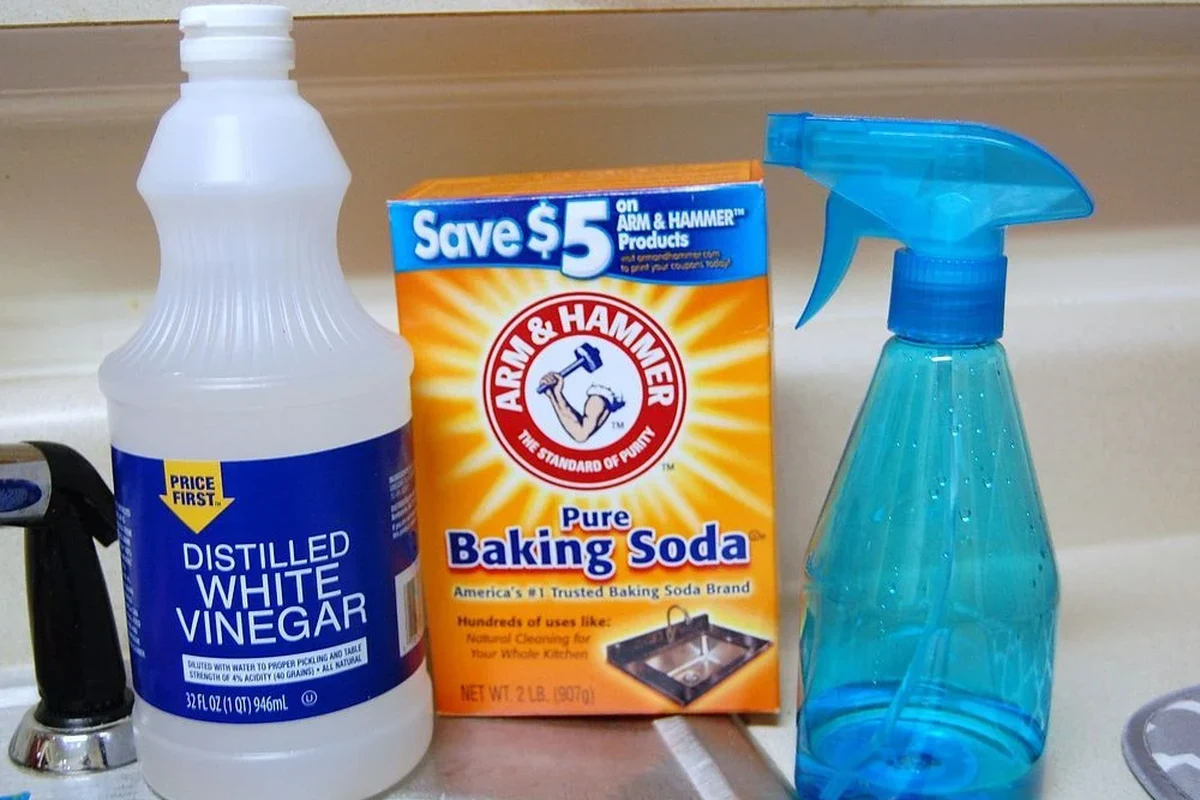
Baking soda works well because it is mildly abrasive and mildly alkaline. That combination helps loosen oily residue and break down stuck-on film without the aggressive action you can get from stronger scouring powders or highly acidic cleaners.
Stainless steel is durable, but it is not scratch-proof. The safest approach is to use a soft cloth, light pressure, and strokes that follow the grain of the metal, much like you would when caring for a delicate pastry surface after a careful dusting of flour.
How stainless steel responds to mild abrasion and alkaline cleaners
Stainless steel has a protective oxide layer that helps resist corrosion. Baking soda usually does not strip that layer when used in a gentle paste, which is why it is often a practical choice for routine kitchen cleaning.
The key is moderation. If the paste is too dry, scrubbing can feel gritty and leave faint marks; if it is too wet, it may not cling long enough to help lift residue. A balanced paste gives you enough slip to clean while staying gentle on the surface.
What baking soda can remove: grease, fingerprints, water spots, and light discoloration
For many home kitchens, baking soda is strong enough for the kinds of messes that build up on stainless steel day to day. It can help with greasy splatter near the stove, smudges on refrigerator doors, dried water spots around sinks, and faint discoloration from normal use.
It is less effective on deep scratches, heavy rust, or baked-on damage that has already bonded tightly to the surface. If a mark does not budge after a careful second pass, the problem may need a specialty cleaner or a manufacturer-approved method rather than more scrubbing.
Following the grain matters because it helps reduce the look of streaks and makes accidental micro-scratches less noticeable on brushed stainless steel.
What You Should Clean with Baking Soda and What You Should Leave Alone
Baking soda is useful on many common stainless steel surfaces, but not every finish or coating should be treated the same way. Before you start, check the appliance manual when possible, especially for specialty finishes or premium exterior panels.
Best surfaces and appliances: sinks, pots, pans, refrigerator doors, and range hoods
Uncoated stainless steel sinks are one of the best places to use a baking soda paste because they often collect mineral spots, soap film, and food residue. Stainless steel pots and pans can also benefit, especially after simmering sauces or browning foods that leave a thin film.
Refrigerator doors and range hoods are good candidates too, since they often show fingerprints and cooking haze. For these surfaces, use a light touch and a clean microfiber cloth so you can remove residue without spreading it around.
When to avoid baking soda: brushed finishes, specialty coatings, and scratched surfaces
Use extra caution on brushed or directional finishes, and avoid any surface that the manufacturer says should not be abraded. Some appliances have specialty coatings that can look cloudy if they are scrubbed too hard or cleaned with the wrong paste.
Already scratched surfaces are another concern because baking soda can settle into tiny grooves and make marks more visible if you scrub aggressively. In those cases, a softer cleaner and a very gentle wipe may be the safer choice.
If the stainless steel is labeled with a special coating, fingerprint-resistant finish, or matte treatment, check the care instructions before using any baking soda paste. Manufacturer guidance should override general cleaning advice.
Supplies, Ratios, and Surface Prep for a Safe Stainless Steel Cleaning Routine
You do not need many supplies, but the ones you choose matter. Soft cloths and non-scratch tools are usually enough for routine cleaning, while abrasive pads can create permanent damage fast.
Choosing the right baking soda paste, cloths, sponges, and non-scratch tools
A microfiber cloth is usually the safest all-purpose choice because it lifts residue without dragging grit across the surface. A soft sponge can help on sinks and pans, but avoid rough scrub pads unless the item is clearly sturdy and the finish can handle it.
If you need a bit more cleaning power, a baking soda paste is usually better than dry powder because the moisture helps the soda spread evenly and reduces the chance of scratchy friction. This is similar to how a dough scraper works better when you use it with control rather than forcing it.
Simple measurement guide for paste, slurry, and spot-cleaning blends
A common starting point is a thick paste made from baking soda and a small amount of water. For spot cleaning, use just enough water to make the mixture spreadable, not runny.
For lighter jobs, a thinner slurry can work. Keep the mixture mild and adjust slowly, because too much baking soda can leave a white film that takes extra rinsing to remove.
There is no single perfect ratio for every surface. The right mix depends on how dirty the stainless steel is, how much texture the finish has, and how much rinsing the area can tolerate.
Pre-cleaning steps: removing loose debris, testing a small area, and drying conditions
Start by wiping away loose crumbs, dust, or food particles so you do not grind them into the metal. If the surface is very dirty, a quick rinse or damp wipe first can make the baking soda work more evenly.
Test a small hidden area before cleaning a large visible section, especially on appliances with special coatings. Make sure the surface is cool and not overly wet, since excess moisture can dilute the paste and make it harder to control.
- Remove loose debris and crumbs
- Check for special coatings or manufacturer warnings
- Test a small hidden area first
- Use a soft cloth or non-scratch sponge
- Keep a dry towel nearby for buffing
Step-by-Step Method for Cleaning Stainless Steel with Baking Soda
The safest method is simple: apply gently, let the paste work briefly, then wipe clean and dry thoroughly. That sequence gives the baking soda time to loosen grime without forcing you to scrub harder than necessary.
Spread a thin layer of baking soda paste over the dirty area using a soft cloth or sponge. Move in the same direction as the grain so the finish looks more even and any light marks stay less visible.
Allow the paste to rest long enough to loosen grease and residue, but do not let it dry into a hard crust. A short wait is usually enough for routine cleaning; if it starts drying, mist or wipe it lightly rather than scrubbing harder.
Wipe away the paste with a clean damp cloth, then rinse if the item allows it. Finish with a dry towel or microfiber cloth to remove moisture and restore shine.
If you want a broader cleaning routine for the kitchen, you may also find our guide to baking soda and vinegar cleaning ovens helpful for understanding where baking soda fits best and where it should not be overused. For odor-heavy cleanup jobs, our article on baking soda for smoke odors shows another practical household use for the same ingredient.
Common Cleaning Problems and How to Fix Them Before They Become Permanent
Most problems with baking soda on stainless steel come from using too much product, too much pressure, or the wrong tool. The good news is that many issues can be corrected early if you stop, rinse, and switch to a gentler approach.
Streaks, cloudy residue, and white film from excess baking soda
A chalky film usually means the paste dried on the surface or was not rinsed away completely. This is common on dark or highly polished stainless steel, where residue shows up more clearly than on brushed finishes.
To fix it, wipe the area again with a damp cloth, then dry and buff in the direction of the grain. If the film remains, repeat with less paste and more water so the mixture spreads thinly instead of clumping.
Scratches caused by abrasive pads or circular scrubbing
Scratches often come from using steel wool, rough pads, or fast circular motions on a surface that needs a lighter touch. Even when the cleaner itself is mild, the tool can still damage the finish.
Switch to microfiber or a soft sponge and use straight passes with the grain. If the marks are already visible, you may not be able to remove them completely, but you can often make them less noticeable by cleaning the surrounding area evenly.
Stubborn grease, burnt-on residue, and mineral spots that need a second pass
Heavy grease or burnt-on food may need a second application, especially on cookware and range hood surfaces. Let the paste sit a little longer the second time, but keep an eye on it so it does not dry into a crust.
For mineral spots, warm water and repeated wiping can help more than extra scrubbing. If you are dealing with a combination of baked-on residue and heat staining, a specialized stainless steel cleaner may be more efficient than repeated baking soda passes.
The surface looks dull after cleaning.
Rinse off leftover residue, dry fully, and buff with a clean microfiber cloth. Dullness often comes from a thin film, not permanent damage.
Safety Notes, Material Compatibility, and Mistakes to Avoid in 2026
Baking soda is generally a gentle cleaner, but safe use still matters. Good ventilation, careful product pairing, and attention to nearby surfaces can prevent avoidable damage.
Why mixing baking soda with harsh chemicals can create avoidable risks
Baking soda is often paired with vinegar in home cleaning, but that reaction is not a miracle cleaner for every job. The fizz can help loosen light debris in some situations, yet it should not replace proper rinsing or a manufacturer-approved cleaner when a stronger product is needed.
Do not mix baking soda with bleach or other harsh chemicals unless the product label specifically says it is safe. When in doubt, keep cleaners separate and follow official safety guidance from the product manufacturer or recognized food-safety sources when the item is used near food.
Unplug appliances before cleaning around controls, seams, or vents. Keep liquids away from electrical parts, and never scrub a hot surface that could warp, burn, or trap moisture.
How to protect seals, trim, handles, and adjacent finishes
Stainless steel is often surrounded by plastic trim, painted panels, rubber seals, or glass doors. Baking soda paste can creep into seams, so use a lightly damp cloth and avoid packing paste into edges or control gaps.
Wipe adjacent materials right away if any cleaner gets on them. This matters on refrigerator handles, dishwasher fronts, and range hood trim, where mixed materials can react differently to moisture and abrasion.
Drying and ventilation tips for kitchens, laundry rooms, and high-touch appliances
Drying is part of cleaning, not an optional finish step. Water left on stainless steel can leave spots, especially in hard-water areas, so a dry buff with a clean towel helps preserve the shine.
Good airflow also matters in kitchens and laundry rooms, where humidity can slow drying and make residue more visible. Open a window or run ventilation if the area is damp, and avoid using excess water on seams or around appliance controls.
- Gentle on most uncoated stainless steel
- Low cost and easy to find
- Good for fingerprints, grease, and water spots
- Can leave film if overused
- Not ideal for specialty coatings
- May not remove deep stains or scratches
Practical Cleaning Examples for Real Kitchen and Home Scenarios
Real cleaning jobs are rarely perfect, so it helps to match the method to the mess. A baking soda paste is usually best when the goal is to refresh rather than restore a heavily damaged surface.
Refreshing a stainless steel sink after baking and prep work
After baking or meal prep, a stainless steel sink often has flour dust, grease, and food bits stuck around the drain and basin. Start by clearing debris, then spread a thin baking soda paste over the stained areas and wipe with the grain or in the direction of the sink’s finish.
Rinse well, especially around the drain and faucet base where residue can hide. If you notice a cloudy ring after drying, it usually means there is still product left behind rather than a problem with the steel itself.
Removing fingerprints from an appliance door without leaving haze
Appliance doors collect fingerprints quickly, especially around handles and touch points. Use a barely damp microfiber cloth with a small amount of baking soda paste, then immediately wipe again with a clean damp cloth and dry buff the area.
For this kind of quick maintenance, less is more. A thin application is usually enough, and it is better to do two light passes than one heavy scrub.
Cleaning cookware after scorched food or oil splatter
For pots and pans, baking soda can help loosen browned oil splatter or scorched residue that stays on after washing. Let the paste sit briefly, then use a soft sponge and steady pressure rather than a hard scrub.
If the food is truly burnt on, you may need to soak the pan first or use a different cleaner designed for cookware. This is similar to how a stubborn baking pan often needs soaking before it can be cleaned without damaging the finish.
For readers who like practical kitchen chemistry, our guide on the baking soda and vinegar reaction explained simply can help you understand why fizzing is not the same thing as deep cleaning. If you are comparing ingredients for everyday use, our article on how to tell when baking soda expires is also useful because freshness affects many home uses.
When Baking Soda Is Enough and When to Choose a Different Stainless Steel Cleaner
Baking soda is a strong choice for routine maintenance, light grease, and everyday smudges. It is less suitable when the finish is delicate, the stain is severe, or the surface needs a polished showroom look.
Best use cases for routine maintenance versus deep cleaning
Use baking soda for weekly or as-needed touchups on sinks, cookware, and appliance exteriors. For deep cleaning after long neglect, heavy mineral buildup, or stubborn heat discoloration, a dedicated stainless steel cleaner may save time and reduce the temptation to scrub too hard.
Decision factors: finish type, soil level, time available, and desired shine
Choose based on the finish and the job. If the surface is brushed, coated, or already scratched, use a gentler method; if the soil is light and you want a quick refresh, baking soda is often enough.
Also consider how much time you have. A baking soda paste is practical for a simple cleanup, but if you want a uniform, high-gloss result on a visible appliance panel, a product made for stainless steel may be a better match.
Final recap: choosing the safest, most effective approach for your stainless steel surface
Cleaning stainless steel with baking soda works best when you keep the paste thin, the pressure light, and the motion aligned with the grain. That approach handles common kitchen messes well while lowering the risk of haze, residue, and scratches.
The safest rule is simple: start gentle, test a small area, and stop if the finish looks unhappy. When the surface is coated, heavily scratched, or more delicate than standard stainless steel, follow the manufacturer’s care instructions and choose a cleaner made for that specific material.
For appliances used near food, always follow the manufacturer’s cleaning directions and rinse away any residue completely. If a surface is damaged, coated, or uncertain, a specialty cleaner may be safer than baking soda.
Frequently Asked Questions
No. It is usually safe for uncoated stainless steel, but specialty coatings, fingerprint-resistant finishes, and some brushed surfaces may need gentler care. Always check the manufacturer’s instructions first.
A thick paste made with a small amount of water is a good starting point. The exact ratio depends on the surface, how dirty it is, and whether you need a spot treatment or a wider cleaning pass.
White film usually means too much paste was used or it dried before being wiped away. Rinse with a damp cloth, dry the surface, and buff with microfiber to remove the residue.
Yes, for many pots and pans it can help lift grease and light scorch marks. Use a soft sponge, avoid harsh pads, and soak first if the residue is heavily burnt on.
No, straight strokes with the grain are usually better. Circular scrubbing can make marks more visible and may increase the chance of fine scratches.
Choose a different cleaner for deep stains, delicate coatings, or when you want a faster polished finish on a visible appliance panel. Manufacturer-approved stainless steel cleaners are often better for those jobs.