
Baking Soda for Sweat Smell That Actually Works

Baking soda can help reduce sweat smell by neutralizing odor in clothes, shoes, and some mild skin applications. It works best in small amounts and is not a substitute for antiperspirant or medical care when odor is severe or unusual.
If you are searching for baking soda for sweat smell, the short answer is yes: it can help reduce odor, especially on clothes, shoes, and some skin applications. It works best as an odor neutralizer, not as a cure for heavy sweating or a replacement for deodorant and antiperspirant.
- Best use: Baking soda helps most with odor trapped in fabric and shoes.
- Skin caution: Use carefully on underarms because it can irritate sensitive skin.
- Not a cure: It does not stop sweating or replace deodorant and antiperspirant.
- Use small amounts: Light application usually works better than heavy residue-prone use.
- Know the limit: Persistent or sudden odor changes may need stronger products or medical advice.
What Baking Soda Can and Can’t Do for Sweat Smell
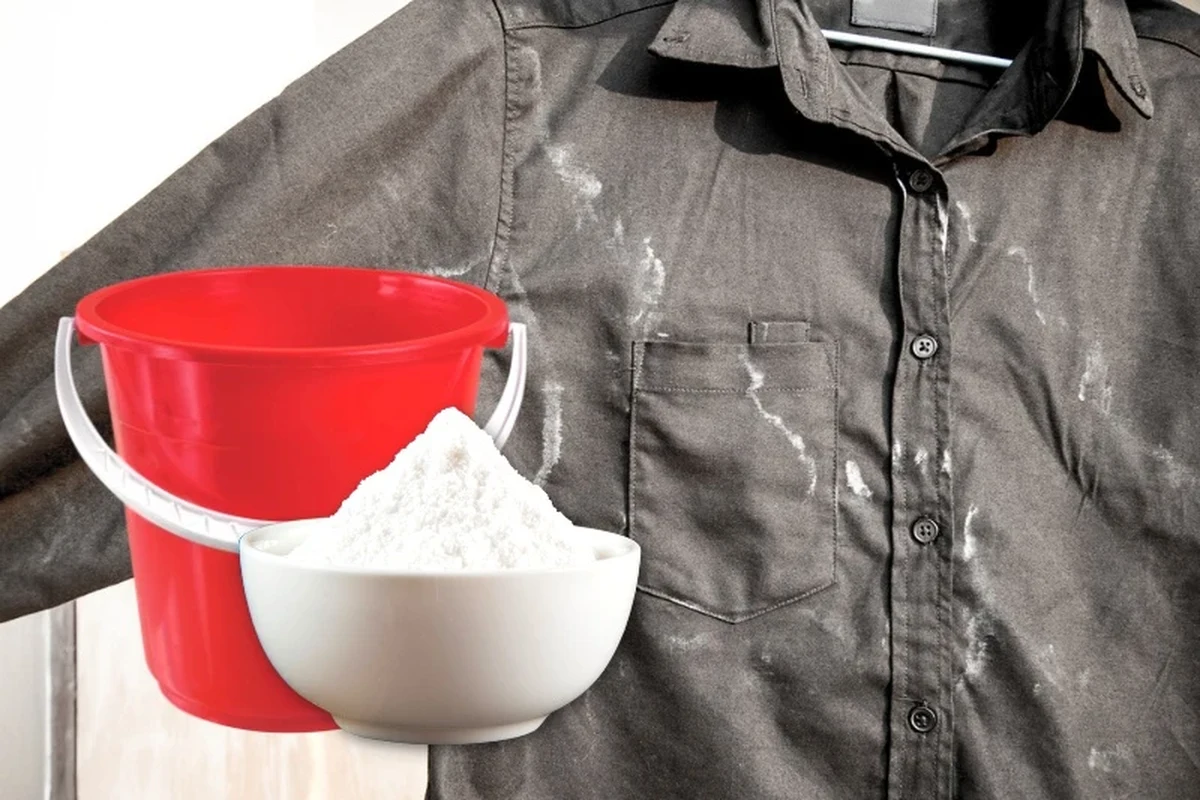
Baking soda can help with sweat smell because it changes the odor environment instead of just covering it up. That makes it useful when the smell is coming from bacteria, trapped moisture, or lingering residue in fabric. For a deeper look at how it behaves in household cleaning, see our guide to baking soda in laundry benefits.
How baking soda helps neutralize odor instead of masking it
Sweat itself does not smell strong at first. The odor usually appears when skin bacteria break down sweat and produce compounds that smell sour, sharp, or stale. Baking soda is mildly alkaline, so it can help reduce some of those odor compounds and freshen the surface where they linger.
That is why baking soda often works better on shirts, shoes, and gym bags than on the root cause of body odor. It may make a noticeable difference after one use, but it is not a long-term fix if sweat production is high or if clothing is holding onto odor deep in the fibers.
When sweat smell points to hygiene, fabric, or health issues
Sometimes the problem is not your body alone. A shirt that was washed but not fully dried, a synthetic workout top, or a pair of sneakers that stay damp can all hold odor and make it seem like the smell is coming from skin.
If sweat smell changes suddenly, becomes unusually strong, or comes with rash, pain, fever, or other symptoms, it is worth checking with a healthcare professional. Good hygiene and clean fabrics help, but a new odor pattern can occasionally signal a medical issue that needs attention.
Why This Simple Remedy Still Shows Up in 2026 Searches
People keep looking for baking soda because it is inexpensive, easy to find, and familiar. It also fits the same practical mindset behind other home-care uses, like removing odor from shoes or freshening laundry without a heavy fragrance.
Why readers look for a low-cost, low-chemical odor fix
Many readers want a simple option before buying specialty products. Baking soda feels approachable because it is already in the kitchen, and it does not add perfume to the problem. For people sensitive to strong scents, that can be a major plus.
It is also appealing when odor shows up in more than one place at once, such as underarms, collars, gym clothes, and sneakers. One basic ingredient can be used in several ways, which makes it easy to try before moving on to stronger cleaners.
- Low cost and easy to find
- Can help neutralize odor in fabric and shoes
- Works without adding fragrance
- Does not stop sweating
- May irritate sensitive skin
- Can be less effective on deep, set-in odor
Where baking soda fits compared with deodorants and antiperspirants
Deodorants mainly help control smell. Antiperspirants help reduce sweating itself by temporarily lowering moisture at the skin surface. Baking soda sits outside that system: it can help with odor, but it does not replace the function of either product.
If your goal is less wetness, antiperspirant is usually the more direct tool. If your goal is to freshen a shirt, neutralize shoe odor, or reduce mild body odor between washes, baking soda may be a useful support method.
How to Use Baking Soda for Sweat Smell on Skin, Clothes, and Shoes
The right method depends on where the odor is coming from. Skin needs a gentler approach than fabric, and shoes usually need more drying time than a quick surface treatment. If you are also dealing with shoe odor, our baking soda for shoes cleaning guide covers a few practical uses in more detail.
Dry application versus paste and soak methods
Dry application is best for shoes, gym bags, and sometimes as a quick dusting inside laundry bins. A paste is better for short contact on underarms or tough spots on fabric, while a soak works well for heavily used shirts and towels that have collected odor over time.
A dry method is less messy and usually easier to rinse away. A paste gives more contact, but it can leave residue if you use too much. A soak helps with deep odor, but it takes longer and works best before a normal wash cycle.
Mix a small amount of baking soda with water until it looks like a loose paste. Apply a very thin layer to clean, dry underarms for a short time, then rinse well. Stop right away if you feel stinging or itching.
Sprinkle baking soda lightly on the underarm area or make a paste and dab it on the fabric. Let it sit briefly before washing, then launder as usual. Do not leave a heavy paste on delicate items for long periods.
Place a small amount inside dry shoes overnight, then shake or vacuum it out in the morning. This works best after shoes have been fully aired out and dried.
Suggested amounts, timing, and frequency for everyday use
Start small. For skin, use only a thin layer and only occasionally, because more is not better if your skin is sensitive. For clothing, a light sprinkle or a small paste is usually enough for one underarm area.
For shoes, a modest amount left overnight is often more useful than a large amount used for a short time. For laundry, baking soda is usually best as a booster or pre-treatment, not as a substitute for detergent.
Results vary by fabric type, how long the odor has been present, and how much sweat the garment has absorbed. Synthetic athletic fabrics often hold odor more stubbornly than cotton.
Practical examples for underarms, gym clothes, and sneakers
For underarms, a thin paste can help on a day when you want a simple odor reset. Keep the contact time short and wash it off completely. If your skin is easily irritated, skip direct application and use a deodorant designed for skin instead.
For gym clothes, pre-treat the underarm area before washing. This is especially helpful when the shirt smells clean out of the dryer but gets odorier after one workout. For sneakers, dry baking soda can help with stale smell, especially when paired with full drying and clean socks.
What Makes Baking Soda Work: pH, Moisture, and Odor Control
The science here is simple but useful. Sweat smell is mostly about bacteria, moisture, and trapped residue, not sweat alone. Baking soda can help because it interacts with the environment where odor builds up.
Why odor-causing bacteria matter more than sweat itself
Fresh sweat is mostly water and salts. The smell develops when skin bacteria break down sweat components and create volatile odor molecules. That is why two people can sweat the same amount and have very different odor levels.
Reducing bacteria, keeping skin cleaner, and changing damp clothes quickly often matter more than trying to remove sweat alone. Baking soda can support that process by making the surface less friendly to odor buildup.
Baking soda is also used in laundry because it can help reduce lingering smells in fabrics, especially when odor is trapped in fibers rather than sitting only on the surface.
How baking soda interacts with moisture and trapped odor in fabric
Moisture gives odor molecules a place to linger. Baking soda can help absorb some dampness and reduce the intensity of smells trapped in cloth, especially when the fabric has been washed but still carries a stale edge.
That said, if the odor is set deep into synthetic fibers, baking soda may only partially help. In those cases, stronger detergent action, longer soak time, or an enzyme cleaner can be more effective.
Safety, Skin Sensitivity, and Common Mistakes to Avoid
Baking soda is common in kitchens, but that does not mean it is automatically gentle on every body or every fabric. The biggest mistakes are using too much, leaving it on too long, or assuming it can solve every odor problem.
Do not apply baking soda to broken, freshly shaved, or irritated skin. If you have eczema, recurring rashes, or a history of skin reactions, test carefully or avoid direct skin use altogether.
Overuse, irritation, and broken skin concerns
Baking soda can feel drying on skin, especially if used often. A thin, short application is very different from repeated rubbing or leaving a thick paste on for a long time. If skin feels tight, itchy, or red afterward, stop using it on that area.
On clothing, too much product can leave a powdery residue or make rinsing harder. On shoes, a heavy amount can be messy and may not improve the result. More product does not necessarily mean stronger odor control.
Why baking soda is not ideal for every body or fabric type
Some people simply do better with deodorants made for sensitive skin. Others may find that baking soda works on cotton but not on technical workout fabrics. Delicate materials, dark fabrics, and items with special finishes can react differently, so the safest approach is to use the smallest effective amount.
If you are concerned about fabric care, check the garment label first. For clothing care basics, our article on baking soda in laundry benefits can help you decide when it is a good fit and when detergent alone may be better.
How to test on a small area before wider use
Always test a hidden spot first if you are using baking soda on clothing, bags, or shoes. Apply a small amount, wait, then check for discoloration, residue, or texture changes after it dries.
This matters most for dark fabrics, silk, wool, leather, and specialty athletic materials. If the test area looks fine but the item still holds odor, you can try a larger application with more confidence.
Keep baking soda away from eyes and do not inhale large amounts of powder. In a laundry room or closet, use it in a well-ventilated space so dust does not build up in the air.
Best Ways to Apply Baking Soda Without Creating a Mess
The cleanest results usually come from using less product and giving it enough time to work. That is true in the oven, in laundry, and with odor control: the right amount and the right contact time matter more than piling on extra.
Pre-wash treatment for shirts, activewear, and towels
For shirts and activewear, lightly dust the odor area or apply a thin paste before washing. Let it sit briefly, then wash according to the garment label. Towels that smell stale can also benefit from a small amount in the pre-wash stage, especially if they were left damp too long.
If the smell is very stubborn, an enzyme cleaner or a longer soak may be more effective than baking soda alone. Baking soda can still be part of the routine, but it should not be the only step for heavily used items.
Freshening shoes, gym bags, and laundry hampers
Shoes often respond well to a dry overnight treatment, especially if you remove insoles and let everything dry fully. Gym bags and hampers can also benefit from a small open container of baking soda placed nearby, as long as it stays dry and out of reach of children and pets.
For a more detailed shoe-specific approach, you can also read our baking soda for shoes cleaning article. It covers the practical side of using baking soda where odor tends to build up fastest.
Combining baking soda with washing habits for better results
Baking soda works best when paired with good laundry habits. That means washing sweaty clothes soon after use, not leaving damp items in a hamper, and making sure clothes dry fully before storage.
If your laundry routine already includes odor control, baking soda can be a helpful booster rather than a rescue tool. If the smell keeps returning, the problem may be the detergent, the water temperature you use, or the fabric itself holding onto odor.
When Baking Soda Is Not Enough: Better Options for Stubborn Sweat Smell
Some odors are too deep for a simple home remedy. That does not mean baking soda failed; it may just mean the smell needs a stronger or more targeted solution.
Signs the odor needs enzyme cleaners, stronger detergents, or deodorant changes
If clothes still smell after washing, if the odor returns quickly after drying, or if synthetic workout shirts keep smelling even when they look clean, enzyme cleaners or a detergent made for sports fabrics may work better. These products are designed to break down the residues that hold odor in place.
If the smell is mainly on skin, changing deodorant or antiperspirant may help more than repeated baking soda use. Some people do best with a fragrance-free formula, while others need a stronger sweat-control product.
Situations where medical advice may be more appropriate
Seek medical advice if sweating or odor changes suddenly, becomes extreme, or comes with other symptoms such as skin changes, fever, weight loss, or pain. Persistent odor despite good hygiene and clean clothing can sometimes point to a condition that needs a professional opinion.
It is also worth checking medication side effects, diet changes, and hormonal shifts if the problem appears out of nowhere. Baking soda is a household helper, not a diagnostic tool.
Final Verdict: Is Baking Soda for Sweat Smell Worth Trying?
Yes, baking soda for sweat smell is worth trying if you want a low-cost, simple odor helper for clothes, shoes, and mild underarm odor. It is especially useful when the smell is coming from trapped moisture or residue rather than very heavy sweating.
Who will benefit most from this method
People with occasional odor, smelly sneakers, gym clothes, or laundry that still smells a little stale after washing are the best candidates. It is also a good option for readers who want to avoid strong fragrance or who like using one basic ingredient for multiple household tasks.
If you already know your skin is sensitive, or if your fabrics are delicate, use extra caution and rely more on laundry methods than direct skin use.
What a realistic result looks like after one week of use
After one week, a realistic result is reduced odor, fresher-smelling clothes, and shoes that no longer smell as strong when you open them. You should not expect baking soda to stop sweating or permanently eliminate odor without help from washing habits and the right personal-care products.
For most people, the best outcome is not perfection. It is a noticeable improvement that makes daily wear more comfortable and helps you decide whether you need a stronger solution next.
Baking soda is a smart first try for mild sweat smell, especially on fabric and shoes. Use it in small amounts, test sensitive items first, and move to stronger cleaners or deodorant changes if the odor keeps coming back.
Frequently Asked Questions
Yes, it can help reduce odor by neutralizing some of the smell instead of masking it. It works best on clothes, shoes, and mild odor, not as a replacement for antiperspirant.
You can try a thin paste on clean skin, but only for short contact and with caution. Stop if you feel burning, itching, or redness, and avoid broken or freshly shaved skin.
A short pre-treatment is usually enough for light odor, while deeper smells may need more time before washing. Always follow the garment care label and test delicate fabrics first.
It can help a lot with mild to moderate shoe odor, especially when the shoes are dry and aired out first. Very stubborn odor may need a deeper clean or replacement insoles.
It can leave residue or affect delicate materials if used too heavily or left on too long. Test a hidden area first, especially on dark, wool, silk, or specialty fabrics.
Get medical advice if the odor changes suddenly, becomes unusually strong, or comes with rash, fever, pain, or other symptoms. Persistent odor despite good hygiene may also deserve a professional check.