
Baking Soda as Odor Neutralizer for a Fresher Home

Baking soda can help neutralize mild household odors when it is placed correctly and kept dry. It works best as part of regular cleaning and ventilation, not as a fix for strong contamination or hidden damage.
Baking soda is one of the simplest tools for making a home smell fresher. Used correctly, baking soda as odor neutralizer can help absorb mild household smells instead of just covering them up.
- Best use: Mild, lingering odors in enclosed spaces like fridges, shoes, and cabinets.
- Main limit: It does not remove mold, sewage, smoke damage, or the odor source itself.
- Use it well: Keep baking soda dry, replace it regularly, and place it near the smell.
- Safer approach: Test fabrics first and vacuum or wipe away residue after use.
- Better results: Combine baking soda with cleaning, airflow, and moisture control.
What Baking Soda Does to Trap and Neutralize Household Odors
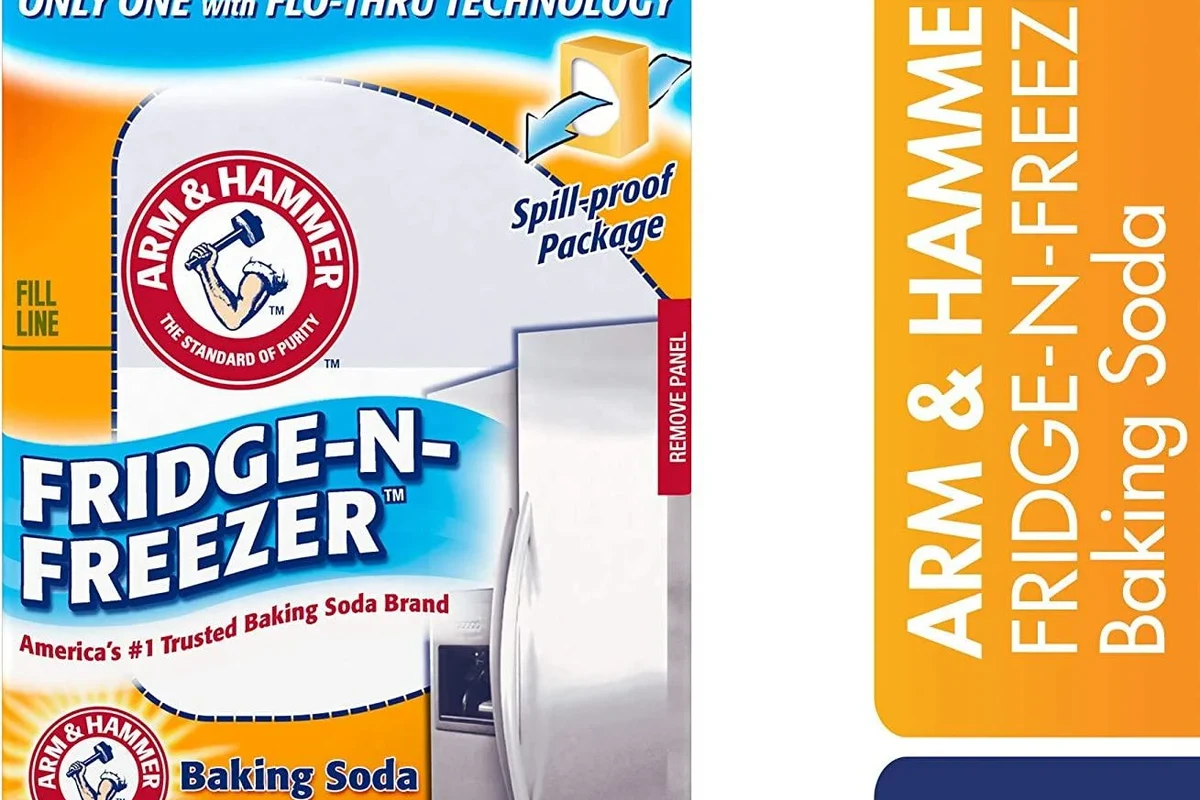
Baking soda works best as a gentle odor helper, not a perfume. It can reduce the strength of some smells by interacting with odor-causing compounds and by helping shift the surface chemistry in a way that makes certain odors less noticeable.
The science behind odor absorption and pH balancing
Most household odors come from volatile compounds released into the air. Baking soda, or sodium bicarbonate, is mildly alkaline, so it can help neutralize acidic odor molecules such as those found in sour milk, sweaty shoes, or some food spills.
It also has a large surface area for a fine powder, which helps it catch and hold odor particles near its surface. That is why an open box in a refrigerator can help with lingering smells, even though it does not “clean” the air in a mechanical sense.
Baking soda is especially useful for odors that are mild, dry, and lingering. It is much less effective when the odor source is wet, active, or deeply embedded in a surface.
Why baking soda works better for some smells than others
It tends to work better on acidic or light organic odors than on heavy contamination. Strong smoke, mold, sewage, or spoiled food odors usually need cleaning, ventilation, and sometimes professional remediation rather than a simple deodorizer.
If you are trying to understand how baking soda behaves in cleaning reactions, it helps to compare it with other common kitchen uses, such as the baking soda and vinegar reaction or cleaning drains with vinegar and baking soda. Those methods are different from passive odor control because they rely on a reaction, not just absorption.
Best Places to Use Baking Soda as an Odor Neutralizer Around the Home
The best places are small, enclosed, or lightly used spaces where odors linger. In open rooms with strong airflow, baking soda may help a little, but it will not replace cleaning and ventilation.
Refrigerators, freezers, and pantry cabinets
These are classic uses because odors can build up in enclosed spaces. A refrigerator may hold smells from onions, leftovers, dairy, or produce, while pantry cabinets can trap stale or musty notes from packaged foods and spills.
For refrigerators, place baking soda in an open container on a shelf away from spills. For freezers, it can help with mild odors, but make sure the box or container stays dry and does not get buried behind frozen items.
Trash cans, drains, shoes, carpets, and upholstery
Trash cans often need both cleaning and deodorizing. Baking soda can be sprinkled into a clean, dry trash can or into the bottom of a liner to help limit odor buildup between washings.
For shoes, carpets, and upholstery, it is better to use a light sprinkle and remove it thoroughly later. If you want a deeper look at fabric and laundry use, see how baking soda works in laundry and fabric care.
Laundry rooms, pet areas, and damp storage spaces
Laundry rooms can hold detergent, mildew, and damp towel odors. Pet areas may have litter, bedding, or crate smells that benefit from routine odor control, especially when paired with regular washing and airflow.
Damp storage spaces are trickier. If the smell is musty because of moisture, baking soda may help temporarily, but the real fix is to reduce humidity and correct the source of dampness.
Baking soda cannot remove mold growth, sewage contamination, or water damage odors on its own. If a smell is persistent and linked to visible damage, moisture, or health concerns, address the cause first and follow official safety guidance.
How to Use Baking Soda Safely and Effectively in Everyday Odor Control
Simple methods work best. The goal is to place the powder where odor collects, keep it dry, and replace it before it becomes clumped or dusty.
Open containers, sachets, and sprinkle-and-vacuum methods
Open containers are best for refrigerators, closets, and cabinets. Sachets or breathable pouches are useful for shoes, drawers, and gym bags because they keep the powder contained while still allowing air contact.
For carpets, rugs, and some upholstery, a sprinkle-and-vacuum method can help with light odors. Always test a hidden spot first, especially on delicate fabric, dyed material, or textured surfaces that may show residue.
How much to use for small, medium, and large spaces
There is no universal amount because room size, airflow, and odor strength all matter. For a small enclosed space like a shoe or drawer, a small pouch or a few tablespoons in a breathable container is often enough. For a refrigerator or pantry shelf, a shallow open dish or box is usually more practical.
In larger spaces, baking soda should be treated as a support tool, not the main solution. If the room is large or the odor is strong, increase ventilation and clean the source instead of simply adding more powder.
If you are using a commercial baking soda box, follow the package directions when available. Performance can vary by brand, humidity, and how much air reaches the powder.
How long to leave it in place before replacing or removing it
Leave baking soda in place long enough to absorb odors, but not so long that it becomes damp or packed down. In many homes, that means checking it regularly and replacing it when the smell returns or the powder looks clumpy.
For fabrics or carpets, do not leave it on indefinitely. Vacuum it up thoroughly after it has had time to sit, then inspect the area for any remaining odor source or moisture.
- Identify the odor source, not just the smell.
- Make sure the area is dry enough for powder use.
- Choose a container, sachet, or sprinkle method that fits the surface.
- Plan to replace or remove the baking soda on a schedule.
Common Mistakes That Make Baking Soda Less Effective
Most failures come from placement, moisture, or unrealistic expectations. Baking soda is useful, but it works best when the problem is mild and the area is maintained regularly.
Using too little product or placing it in the wrong spot
If the powder is tucked too far from the odor source, it will not help much. Put it where air moves across it or where smells collect, such as near the back of a refrigerator shelf, inside shoes, or close to the bottom of a trash bin.
Using too little can also limit results. A tiny pinch in a large space will not do much, especially if the smell is coming from several sources at once.
Expecting it to mask strong odors instead of neutralizing them
Baking soda does not work like an air freshener. It does not add a strong scent to cover a problem, so if the odor is intense, you may still notice it until the source is removed.
This is why it is often paired with cleaning. If you are dealing with a stubborn smell in a sink or drain, for example, baking soda may help as part of a broader routine, but it should not replace scrubbing or flushing the line when needed.
Letting moisture, spills, or clumping reduce performance
When baking soda gets wet, it can clump and lose effectiveness as a deodorizer. Spills, condensation, and high humidity all shorten its useful life.
In a refrigerator or pantry, keep it away from leaks and uncovered food. In shoes or storage bins, let items dry fully first, or the odor may keep returning no matter how much powder you use.
The smell keeps coming back even after using baking soda.
Check for moisture, hidden spills, dirty liners, or a contaminated surface. Baking soda can help with the scent, but the odor source must be cleaned or removed for lasting results.
When Baking Soda Is the Right Choice and When You Need a Stronger Solution
Use baking soda when the odor is light, routine, and manageable. Reach for stronger cleaning methods when the smell suggests contamination, damage, or a safety issue.
Fresh odors, mild lingering smells, and routine maintenance
Fresh food odors, mild shoe smells, and everyday refrigerator odors are good matches for baking soda. It is also useful as part of a weekly or monthly maintenance routine in small enclosed spaces.
This is where it shines: keeping a clean space from drifting into a stale one. It is a maintenance tool, not a rescue tool.
Odors caused by mold, sewage, smoke, or deep contamination
These odors often point to a bigger problem. Mold and sewage can involve health risks, while smoke and deep contamination may seep into porous materials and require specialized cleaning.
If the odor is tied to a disaster, a leak, or a visible growth pattern, follow guidance from recognized safety agencies or qualified restoration professionals. Baking soda alone is not enough in those cases.
When to combine baking soda with cleaning, ventilation, or professional help
For many homes, the best approach is a combination. Clean the source, dry the area, improve airflow, and then use baking soda to help with what remains.
That layered method is especially useful in kitchens and shared living spaces, where cooking smells can linger after a meal. For example, if you are reducing smoke-like kitchen odors, an article such as baking soda for smoke odors can be helpful alongside ventilation and surface cleaning.
Practical Home Examples: Room-by-Room Odor Neutralizing Scenarios
Real homes rarely have just one odor problem. More often, the goal is to manage small smells before they build up into something harder to remove.
Keeping a refrigerator fresh between deep cleans
Clean spills first, then place an open container of baking soda on a shelf. Replace it regularly, and check for hidden sources such as old produce, leaking containers, or a blocked drain tray if your appliance has one.
If the refrigerator still smells after cleaning, the issue may be in a gasket, drawer, or hidden drip area rather than the air inside the compartment.
Refreshing shoes, gym bags, and pet bedding
Shoes and gym bags often smell because of moisture and bacteria from sweat. A breathable sachet of baking soda can help between uses, but the item should also dry fully before being stored.
For pet bedding, washing is usually more important than deodorizing. Baking soda can support the process, but it should not replace regular cleaning, especially in homes with allergies or sensitive pets.
Managing cooking smells in kitchens and shared living spaces
Cooking odors from garlic, onion, fish, or fried foods can linger on soft surfaces and in the air. Baking soda can help reduce mild residual smells in nearby fabrics, trash cans, or pantry areas after the kitchen is cleaned and aired out.
For shared spaces, combine it with range hood use, window ventilation, and quick cleanup of greasy surfaces. Odor control works best when the air and the surfaces are both addressed.
- Affordable and easy to find
- Works well for mild, everyday odors
- Useful in many small enclosed spaces
- Does not remove the source of strong odors
- Less effective when damp or clumped
- Not a fix for mold, smoke, or sewage problems
Storage, Shelf Life, and Safety Tips for Using Baking Soda Indoors
Good storage matters because baking soda loses usefulness when it absorbs moisture or picks up unwanted odors from its surroundings. Safety matters too, especially in homes with children, pets, or limited ventilation.
How to store opened boxes and bulk baking soda for best results
Keep opened boxes sealed when not in use, or transfer bulk baking soda into a dry, airtight container. Store it away from strong-smelling foods, cleaners, and damp cabinets so it does not absorb unrelated odors before you need it.
If you use baking soda for both cooking and odor control, label the container clearly so you do not mix up fresh pantry stock with a deodorizing supply.
Surface compatibility, fabric testing, and cleanup considerations
Before using it on fabric, carpet, or upholstery, test a hidden area first. Fine powders can leave a visible residue on dark materials or settle into seams and texture.
Vacuum thoroughly after use, especially around zippers, edges, and corners. Leftover powder can continue to collect dust if it is not removed well.
Child and pet safety, plus avoiding overuse in enclosed spaces
Keep baking soda out of reach of children and pets, especially when it is in an open bowl or loose on a floor. While it is a common household ingredient, it should still be treated like any cleaning product that could be misused or spilled.
Avoid heavy use in very small enclosed spaces where powder can be inhaled or scattered. Good ventilation is always a smart companion to odor control.
If an odor problem comes from a spill near food, electrical appliances, or a wet floor, clean and dry the area before using baking soda. Never let powder build up near outlets, appliance vents, or places where it can mix with moisture and create a mess.
Final Recap: Choosing Baking Soda for a Fresher, More Odor-Controlled Home
Baking soda is a practical choice when you want a low-cost, low-fragrance way to manage mild household odors. It works best as a support tool that helps absorb and neutralize smells after the source has been cleaned or reduced.
How to decide whether baking soda fits your odor problem
If the smell is light, routine, and located in a small space, baking soda is often a good first step. If the odor is strong, wet, smoky, moldy, or linked to contamination, start with cleaning, drying, and ventilation instead.
Simple maintenance habits to keep odors from returning
Wipe spills quickly, empty trash regularly, let shoes and fabrics dry fully, and keep problem areas ventilated. Then use baking soda as a maintenance habit, not a last-minute cover-up.
For homes that need regular odor control, the most reliable approach is simple: clean the source, keep moisture down, and replace the baking soda before it gets damp or exhausted. That is how baking soda in laundry and other household uses can support a fresher home without overpromising results.
Frequently Asked Questions
Baking soda helps reduce some odors by interacting with odor molecules and by buffering acidic smells. It works best on mild, lingering odors in enclosed spaces.
Place it near the odor source in a dry, enclosed area such as a refrigerator shelf, shoe, trash can, or cabinet. Good airflow around the powder helps it work better.
Replace it when it becomes damp, clumpy, or no longer seems effective. The timing depends on humidity, airflow, and how strong the odor is.
It may reduce mild residue, but it usually cannot solve strong smoke, mold, or sewage odors on its own. Those problems often need cleaning, drying, ventilation, or professional help.
It is often used lightly on carpets and some upholstery, but always test a hidden spot first. Vacuum it up thoroughly after use to avoid residue.
Yes, dryness matters because moisture can make baking soda clump and reduce performance. Store it in a sealed container and keep it away from leaks and condensation.