
Baking Soda for Tomatoes Benefits Tips and Uses

Baking soda for tomatoes can help as a mild, low-cost aid against some fungal pressure, but it is not a cure-all. Use it sparingly, spray in cool conditions, and rely on pruning, airflow, and watering habits for the real long-term fix.
If you’ve seen “baking soda for tomatoes” in a garden search, the topic is about plant care, not baking. Gardeners use baking soda as a low-cost home remedy in limited situations, especially when they want to reduce fungal pressure on tomato leaves.
- Best use: Mild prevention for surface fungal pressure, not severe disease.
- Mix carefully: Stronger sprays can scorch leaves and leave residue.
- Timing matters: Apply in cool, dry conditions, not hot sun.
- Pair with care: Pruning, staking, and base watering matter more than any spray.
- Know the limits: It will not fix pests, nutrient issues, or advanced blight.
What “Baking Soda for Tomatoes” Means in 2026: Garden Use, Not Kitchen Use
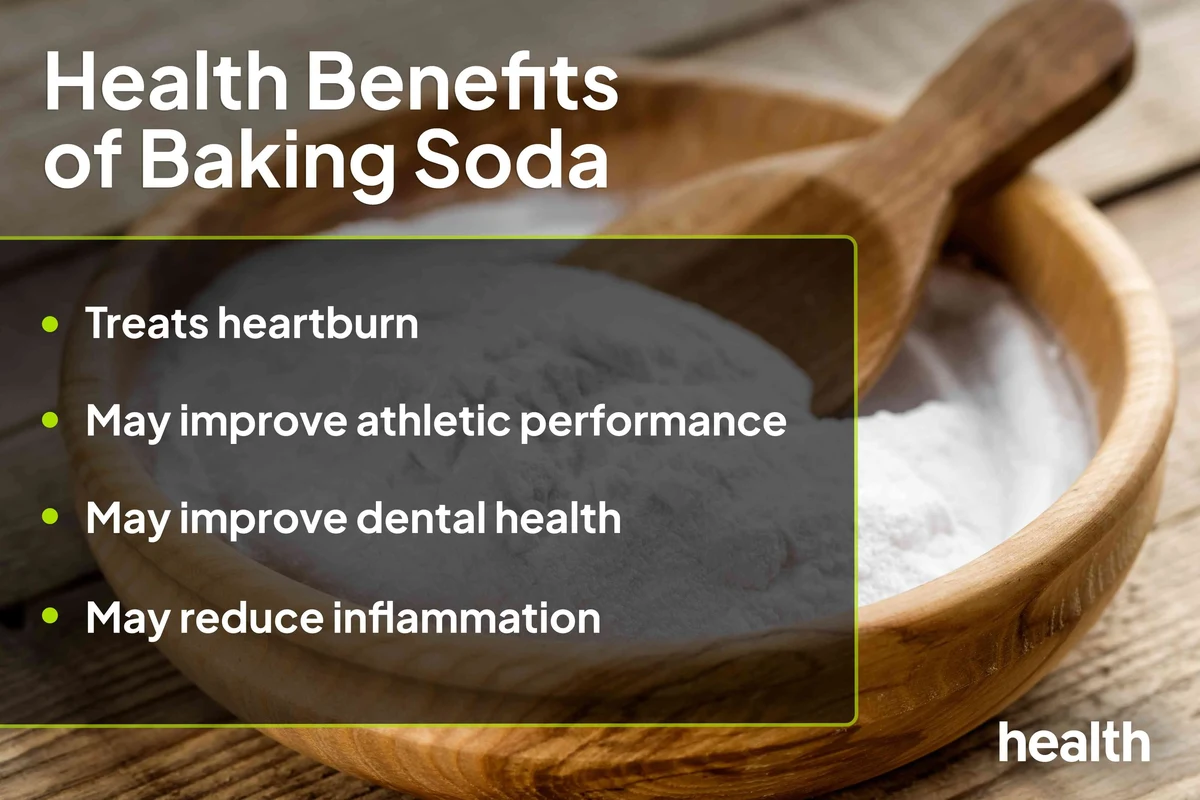
In 2026, this search term usually refers to spraying or dusting tomato plants, not adding baking soda to food. The goal is usually to make leaf surfaces less friendly to some fungal problems, though results are often modest and depend heavily on timing, weather, and how bad the issue is.
Why this search term is about tomato care rather than baking
Baking soda is sodium bicarbonate, a compound that can slightly change the surface environment on leaves. That is very different from its role in baking, where it reacts with acids to create lift. If you want a refresher on that kitchen chemistry, our guide to using baking soda instead of baking powder safely explains why the ingredient behaves so differently in recipes.
How baking soda is used around tomato plants and what it can realistically do
Most gardeners use baking soda as a diluted spray on foliage or as part of a broader disease-prevention routine. It is not a fertilizer, and it does not fix poor soil, insect damage, or advanced blight. Think of it as a light support tool, not a primary treatment.
Tomato disease control works best when you combine several habits: clean pruning, good airflow, careful watering, and prompt removal of damaged leaves. Baking soda alone rarely solves a serious problem.
Benefits of Baking Soda for Tomatoes: What It May Help With and What It Won’t
The main appeal of baking soda is that it is inexpensive, easy to find, and simple to mix. It may help create less favorable conditions for some surface fungi, but it does not replace proper garden management or approved fungicides when disease pressure is high.
Potential use in reducing fungal pressure on leaves and fruit
Gardeners often reach for baking soda when powdery mildew or mild fungal spotting appears. A light spray can make the leaf surface less inviting to certain fungi, especially when used early and repeatedly as part of prevention. It is most useful before disease spreads widely.
Fungal diseases spread faster when leaves stay wet for long periods. That is why watering at the soil line and improving airflow often matter more than any homemade spray.
Possible effect on fruit sweetness and soil pH myths gardeners still repeat
One common myth says baking soda makes tomatoes sweeter. There is no reliable reason to expect a meaningful sweetness boost from spraying baking soda on the plant. Tomato flavor is shaped more by variety, sunlight, ripeness, watering consistency, and soil nutrition.
Another myth says baking soda will quickly fix acidic soil. In practice, soil pH changes require careful testing and measured amendments, not casual spraying. If you need to adjust soil conditions, a soil test is the better starting point.
When baking soda is not the right solution for tomato problems
If leaves are yellowing from nutrient shortage, curling from heat stress, or showing major spotting from advanced disease, baking soda is not the answer. It also will not stop pests like hornworms, aphids, or whiteflies. For those problems, you need the right diagnosis first.
- Low-cost and easy to mix
- May help with mild fungal pressure
- Useful as a short-term preventive aid
- Not a cure for serious disease
- Can scorch leaves if overused
- Does not fix pests or nutrient issues
How to Use Baking Soda on Tomatoes Safely
Safety matters because tomato leaves can be sensitive, especially in hot weather or when sprays are too concentrated. Stronger is not better here; a mild mix is usually the safer choice.
Common spray ratios, dilution basics, and why stronger is not better
A common home-garden approach is a very dilute baking soda spray, often around 1 teaspoon per quart of water, though gardeners may see slightly different versions. Some mixes also include a small amount of mild soap as a spreader, but that should be used carefully because too much soap can damage leaves. Always test a small area first.
Do not assume that doubling the powder makes the spray work better. Higher concentration can leave residue, dry out leaf tissue, and increase the chance of scorch.
Homemade sprays can harm tomato leaves if they are too strong, applied too often, or sprayed in hot sun. Start with the mildest practical mix and stop if leaves show spotting, curling, or a dusty white residue.
Best application timing for leaves, stems, and surrounding soil
Spray in the early morning or late afternoon, when temperatures are cooler and the sun is less intense. Aim for the upper and lower leaf surfaces, but avoid soaking the plant to the point of runoff. The surrounding soil usually does not need direct treatment unless you are following a specific disease-control plan.
Weather conditions, sun exposure, and why spraying at the wrong time can burn plants
Hot sun can turn a mild spray into a leaf stressor. Wet leaves in strong light can develop scorch or spotting, especially if the plant is already thirsty. Avoid spraying right before a heat wave, and do not spray when rain is expected immediately after application.
Even though this is a garden use, treat homemade sprays like any chemical mix: label the bottle, keep it away from children and pets, and wash your hands after handling it.
Practical Examples: Spraying Tomatoes for Powdery Mildew, Early Blight, and General Leaf Care
The best use of baking soda is usually preventive or early-stage support. Once disease is established, you often need pruning, better airflow, or a labeled garden fungicide instead.
How gardeners typically apply it as a preventive treatment
Many gardeners spray lightly after the plant is established and conditions start turning humid. The idea is to keep new growth cleaner, not to erase visible disease overnight. Reapply only as needed and always watch for leaf reaction over the next day or two.
How to spot when a tomato issue needs pruning, airflow, or a fungicide instead
If the lower leaves are crowded, yellowing, or touching the soil, pruning is usually more useful than spraying. If the plant is packed tightly against a fence or other plants, airflow is likely the bigger issue. If spots are spreading quickly or fruit is being affected, a labeled fungicide may be the more appropriate next step, especially for repeated outbreaks.
Examples of safe routines for container tomatoes versus in-ground plants
Container tomatoes often dry out faster, so they may show stress sooner after any spray. Use a smaller test area first and avoid heavy runoff into the pot. In-ground plants usually have more room for airflow, but they can still suffer if leaves stay damp overnight.
For either setup, keep the focus on leaf surfaces, not the soil. If you want more background on how ingredient reactions can create useful but limited cleaning or treatment effects, our article on the baking soda and vinegar reaction explained simply shows why not every mixture behaves the way people expect.
Common Mistakes When Using Baking Soda on Tomatoes
Most problems come from using too much, using it too often, or expecting it to solve the wrong issue. A careful, light-touch approach is much safer.
Overapplying and causing leaf scorch or residue buildup
If a plant gets a chalky film, leaf edges may dry out or look speckled. That can happen when the mix is too strong or when repeated sprays build up on the leaf surface. Rinsing the plant lightly with plain water may help if you catch the issue early, but damaged tissue will not fully recover.
Using it as a cure-all for pests, nutrient problems, or severe disease
Baking soda does not remove insects, and it does not replace proper feeding. If a tomato plant is pale from nitrogen deficiency or stunted from root stress, the fix is in soil and watering management, not a spray bottle. Severe blight or advanced leaf infection often needs removal of affected tissue and a more targeted treatment plan.
Mixing it with incompatible products without checking plant safety
People sometimes combine homemade sprays without understanding how the ingredients interact. That can increase leaf burn risk or reduce effectiveness. If you are using another product at the same time, read the label and avoid mixing unless the directions clearly allow it.
Leaves look dusty, spotted, or scorched after spraying.
Reduce concentration, spray less often, and switch to cooler application times. If damage continues, stop the treatment and focus on pruning, airflow, and diagnosis.
Safer Alternatives and Supportive Tomato Care Practices
For many tomato problems, the best solution is not a spray at all. Good plant spacing and steady care often prevent disease better than any homemade mix.
Spacing, staking, pruning, and watering at the base to lower disease risk
Tomatoes do better when air can move around the leaves. Stake or cage plants early, remove the lowest leaves that touch soil, and water at the base so the foliage stays drier. These habits reduce disease pressure without adding chemical stress.
Mulching, soil testing, and choosing resistant tomato varieties
Mulch helps keep soil from splashing onto leaves during watering or rain. Soil testing gives you a clearer picture of pH and nutrient needs than any guesswork spray. Resistant varieties can also save a lot of trouble in humid climates where fungal issues show up year after year.
- Identify the problem first
- Test a small leaf area
- Use a mild mix only
- Spray in cool, dry conditions
- Watch for scorch or residue
When to use copper, neem, or other garden treatments instead
If disease pressure is persistent, a labeled garden fungicide may be more appropriate than baking soda. Copper products, neem-based products, and other treatments vary in use and safety, so follow the label exactly. If you are unsure, check local extension guidance or a reputable garden center resource before applying anything to edible plants.
- Combine baking soda with pruning and airflow
- Use fresh, mild spray batches
- Monitor leaves after every application
- Spraying in full sun
- Using a stronger mix “for better results”
- Treating it like a cure for every tomato issue
Storage, Handling, and Garden Safety for Baking Soda Treatments
Even simple homemade sprays deserve careful handling. A little organization helps prevent mistakes and keeps edible plants safer.
How to store mixed sprays and why fresh batches work best
Fresh batches are usually best because ingredients can settle or lose consistency over time. If you mix a spray, label it clearly and use it soon rather than storing it for long periods. Before each use, shake well so the solution is evenly distributed.
Protecting pollinators, pets, and edible harvests during application
Try not to spray open flowers or areas where bees are actively working. Keep pets away until the leaves are dry, and avoid overspray onto nearby herbs or edible crops unless you know the mix is safe for them too. For general household safety around baking soda products, you can also review our guide on baking soda in laundry benefits, which shows how a common ingredient still needs the right dose and context.
Rinsing fruit, checking labels, and keeping homemade sprays off ripe tomatoes
If spray drifts onto fruit, rinse tomatoes before eating them. Avoid applying homemade mixtures directly to ripe fruit unless the recipe is clearly intended for that use and you have confirmed it is safe for edible crops. When in doubt, follow recognized agricultural guidance and the product label for any commercial treatment.
Final Verdict: Is Baking Soda for Tomatoes Worth Using?
Baking soda can be worth trying when you want a low-cost, short-term aid for mild fungal pressure and you are already practicing good tomato care. It is not a miracle fix, but it can be part of a sensible, preventive routine.
When it makes sense as a low-cost, short-term garden aid
Use it when disease pressure is light, the weather is humid, and the plant still has mostly healthy foliage. It also makes sense if you want a simple home remedy while you improve spacing, pruning, and watering habits.
When to skip it and move to stronger tomato-care methods
Skip it when disease is spreading fast, leaves are badly damaged, or the plant is showing symptoms that point to pests or nutrition problems. In those cases, diagnosis and a targeted solution will save more time than repeated spraying.
Best-use recap for home gardeners growing healthy tomatoes in 2026
The best approach is simple: use baking soda carefully, spray lightly, and treat it as one small tool in a bigger tomato-care plan. For most gardeners, that means good airflow, dry leaves, healthy soil, and quick action when problems first appear.
Baking soda for tomatoes is a reasonable, low-cost option for mild fungal prevention, but only when used sparingly and at the right time. If the plant is already struggling, move on to pruning, airflow, soil care, or a labeled garden treatment instead.
Frequently Asked Questions
It may help reduce surface fungal pressure when used early and lightly. It works best as part of a broader care routine, not as a stand-alone cure.
A common home-garden mix is about 1 teaspoon per quart of water, though recipes vary. Start mild, test a small area first, and never assume a stronger mix works better.
There is no reliable evidence that spraying baking soda makes tomatoes sweeter. Flavor depends more on variety, sunlight, watering, and ripeness.
It is usually used on leaves as a light spray, not as a soil treatment. Soil problems are better handled with testing and proper amendments.
Yes, especially if the mix is too strong or applied in hot sun. Spray in cooler conditions and stop if you see scorch, residue, or curling.
No, severe disease usually needs pruning, better airflow, and sometimes a labeled fungicide. Baking soda is best for mild prevention or early support.