
Baking Soda for Vaginal Itching Safe Relief Tips
Baking soda may offer short-term external comfort for mild vaginal itching, but it does not treat infections or other causes. If symptoms include odor, discharge changes, pain, swelling, or fever, get medical help instead of relying on home care.
Baking soda for vaginal itching is a home remedy some people try for short-term comfort, but it is not a cure for the cause of the itch. Used carefully and only on the outside, it may help calm mild irritation for a little while; used the wrong way, it can make symptoms worse.
- Best use: Only as a mild external soak for temporary comfort.
- Main limit: It does not cure yeast, BV, allergy, or skin conditions.
- Safety rule: Avoid internal use, douching, and strong mixtures.
- Stop if: Burning, dryness, worsening itch, or red-flag symptoms appear.
- Better next step: See a clinician if symptoms persist or keep returning.
What Baking Soda Can and Cannot Do for Vaginal Itching
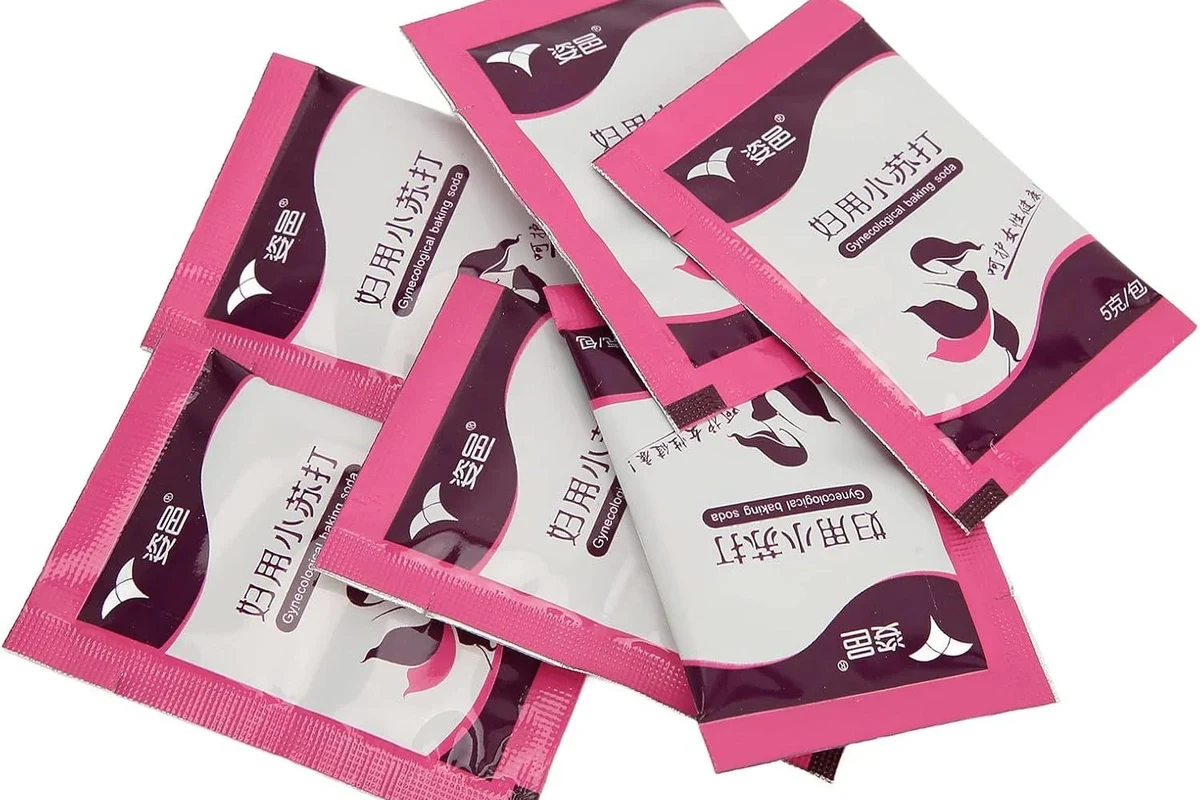
Baking soda is popular because it is inexpensive, easy to find, and often already in the kitchen. In 2026, many people search for quick home relief before they can get to a pharmacy or clinician, especially when symptoms feel mild and they want to avoid more products on irritated skin.
That said, baking soda does not treat the underlying causes of vaginal itching. It may temporarily change the feel of the skin or help with minor external irritation, but it will not clear an infection, fix a reaction to a product, or address a skin condition that needs proper care.
Common causes of vaginal itching that baking soda will not fix include yeast infections, bacterial vaginosis, contact dermatitis, eczema, shaving irritation, and sensitivity to soaps, pads, wipes, or laundry products. If the itch keeps returning, the cause matters more than the comfort trick.
Itching may signal a yeast infection, BV, allergy, or skin irritation when it comes with discharge changes, odor, redness, swelling, burning, or pain. If you are unsure, it is better to think in terms of diagnosis first and symptom relief second. For a broader look at ingredient reactions and home-use limits, our baking soda and vinegar reaction explained simply article shows why mixing common ingredients does not always make a safer or better solution.
The vaginal environment is naturally sensitive, and products that seem gentle elsewhere can still irritate this area because the skin and mucous membranes are more reactive than typical body skin.
Is Baking Soda Safe for Vaginal Itching?
Current guidance generally treats baking soda as something that may be used externally in a diluted soak for short-term comfort, not as a routine vaginal treatment. The safest approach is to keep it outside the body and stop if stinging, dryness, or more itching develops.
Internal use, douching, and strong mixtures can be risky because they may disrupt the normal balance of the area and worsen irritation. A concentrated solution can also be drying, and scrubbing can damage already sensitive skin. If you are looking for other common baking soda uses, our baking soda in laundry benefits guide explains why the same ingredient can behave very differently depending on concentration and contact time.
Who should avoid trying this remedy without medical advice? Anyone who is pregnant, has diabetes, has a weakened immune system, has open sores, has severe pain, or is dealing with repeated episodes should check with a clinician first. If symptoms are intense or unusual, home care should not delay proper evaluation.
Do not douche or insert baking soda into the vagina. Internal use can irritate tissue and may make infections harder to manage.
How Baking Soda Is Commonly Used for Temporary External Relief
The most common gentle approach is a short baking soda bath soak for external comfort only. Think of it like a light adjustment, not a treatment plan: the goal is to reduce surface irritation briefly while you wait for a better answer.
A typical pattern is to add a small amount to lukewarm bath water and soak the outer area for a short time. Keep the method external and gentle, and avoid using it on broken skin or as a repeated all-day remedy.
A practical short-term comfort routine might look like this: rinse the area with plain water, use a diluted soak if you choose to try one, pat dry carefully, and then switch to loose cotton underwear. If the itch is clearly linked to a new product, stop that product immediately rather than layering more home remedies on top.
How to Prepare a Baking Soda Soak the Safer Way
Less is usually better. A mild dilution is the safer starting point because strong mixtures can dry or sting the skin, and the goal is comfort, not a powerful reaction.
Use lukewarm water, not hot water, because heat can increase irritation and make the skin feel more inflamed. Soak briefly, then pat the area dry with a clean towel instead of rubbing. If you want to understand why small measurement changes matter with baking soda in other settings, see our can you use baking soda instead of baking powder safely guide for a simple look at strength and substitution limits.
Common mistakes include overconcentrating the bath, soaking too long, using scented bath products at the same time, or scrubbing the skin afterward. Those habits can turn a mild comfort step into another source of irritation.
Start with a modest amount of baking soda in a tub or basin of lukewarm water rather than making the mixture strong.
Soak only long enough for comfort, and keep the use outside the vagina.
Pat the area dry with a soft towel and avoid rubbing, which can worsen friction.
If the skin feels more irritated after the soak, stop using baking soda. A remedy should not create a burning or tight, dry feeling that lasts beyond the bath.
When to Stop and Get Medical Help Instead of Self-Treating
Some symptoms are red flags, not signs to keep experimenting. Odor, unusual discharge, pelvic pain, swelling, fever, sores, bleeding, or pain with urination can point to an infection or another condition that needs medical care.
Itching during pregnancy, after antibiotics, or after starting a new soap, wipe, detergent, lubricant, or menstrual product deserves extra attention. Those situations can involve yeast overgrowth, irritation, or another issue that baking soda will not solve on its own.
If you have relied on home care for more than a few days without improvement, it is time to stop and get checked. Recurrent itching should not be managed by guesswork, especially if symptoms come back after each cycle or after sex. For readers who like to compare ingredient behavior in practical terms, our does baking soda expire and when to replace it article is a useful reminder that even familiar pantry ingredients have limits over time.
Do not use hot water, do not scrub the area, and do not keep reapplying home remedies if the skin is already raw or burning.
Other Gentle Comfort Measures That May Help While You Wait
Loose cotton underwear, avoiding fragranced products, and keeping the area dry can reduce friction and moisture, two common triggers for itch. Sometimes the simplest change is the most helpful one, especially if the irritation started after sweating, shaving, or using a new product.
Cool compresses can help soothe surface discomfort for a short time, as long as the cloth is clean and not icy. Short-term anti-itch habits should be gentle: avoid repeated checking, scratching, or layering multiple products on top of one another.
What should you avoid? Scented washes, harsh soaps, vaginal deodorants, repeated cleansing, and douching. Overwashing can strip away natural protection and leave the area even more irritated. If you are comparing common home ingredients, the same caution that applies to cleaning uses in our baking soda vinegar cleaning ovens article also applies here: more chemical action is not automatically better.
- Wear breathable cotton underwear
- Keep the area dry and clean
- Use plain water or a mild external soak only if appropriate
- Fragranced washes and wipes
- Scratching or scrubbing
- Douching or internal baking soda use
Choosing the Right Next Step: Home Care, Pharmacy Options, or a Clinician Visit
Start by looking at the symptom pattern. If the issue began after a new product or tight clothing and there is no discharge change, a simple irritation is more likely. If there is thick discharge, odor, burning, or persistent redness, a yeast infection, BV, or another condition becomes more likely.
An over-the-counter antifungal may be more appropriate than baking soda when the symptoms fit a yeast infection pattern, but product choice should match the problem. If you are not sure, a pharmacist can often help you sort out whether self-care is reasonable or whether a clinician visit is the better step.
If itching keeps returning, a clinician may check for infection, skin conditions, allergic reactions, hormone-related dryness, or irritation from hygiene habits. They may also ask about recent antibiotics, sexual activity, menstrual products, and any new soaps or laundry items. That kind of careful review is more useful than trying one more home remedy at random.
- Inexpensive and easy to find
- May offer brief external comfort
- Simple to use when diluted
- Does not treat the cause of itching
- Can irritate if too strong or used internally
- Not a substitute for diagnosis
Final Recap: Using Baking Soda for Vaginal Itching Responsibly
The best-use case for baking soda for vaginal itching is limited, external, and temporary comfort when the skin is mildly irritated and there are no warning signs. The main limitations are important: it will not cure infections, and it can worsen symptoms if the mixture is too strong or used the wrong way.
If the itch is severe, keeps returning, or comes with odor, discharge changes, pain, swelling, or fever, proper diagnosis matters more than home care. The safest decision path is simple: try only gentle external relief if appropriate, stop if it stings, and get medical help when symptoms point to something beyond minor irritation.
For readers who want to keep learning how baking soda behaves in different situations, Baking Pastry Schools covers ingredient science and practical home uses with the same rule we use here: know what it can do, know what it cannot do, and do not push it past safe limits.
- Confirm the itching is mild and external only
- Use a diluted mixture and lukewarm water
- Stop if burning, dryness, or worsening discomfort appears
- Seek medical help for discharge, odor, pain, swelling, or fever
Frequently Asked Questions
It may give short-term external comfort for mild irritation, but it does not treat the cause. If symptoms are strong or keep coming back, you need a proper diagnosis.
No. Internal use and douching can irritate tissue and may make symptoms worse.
Use only a small, diluted amount in lukewarm water. Less is usually better because strong mixtures can dry or sting the skin.
That can point to an infection or another condition that baking soda will not fix. A clinician or pharmacist can help you choose the right next step.
Pregnancy is a reason to check with a clinician before trying home remedies. Itching in pregnancy should be assessed rather than guessed at.
If symptoms are not improving after a few days, or they are getting worse, stop self-treating and get checked. Red-flag symptoms should be evaluated sooner.

