
Baking Soda Paste for Cleaning 7 Easy Uses That Work
Baking soda paste for cleaning is a simple, low-cost way to scrub lightly soiled kitchen and home surfaces while helping reduce odors. It works best on safe, non-delicate surfaces and should be rinsed well after use.
Baking soda paste for cleaning is one of the simplest low-cost cleaning tools you can keep in the kitchen. Mixed correctly, it gives you gentle scrubbing power, odor control, and just enough body to stay where you put it.
- Best use: Gentle scrubbing and odor control on common kitchen surfaces.
- Mixing rule: Start with about 3 parts baking soda to 1 part water, then adjust thickness.
- Surface limit: Avoid delicate coatings, electronics, and unsealed stone.
- Safety step: Do not mix with bleach and never apply to hot surfaces.
- Cleanup tip: Rinse and dry thoroughly to prevent chalky residue.
What Baking Soda Paste for Cleaning Is and Why It Still Matters in 2026
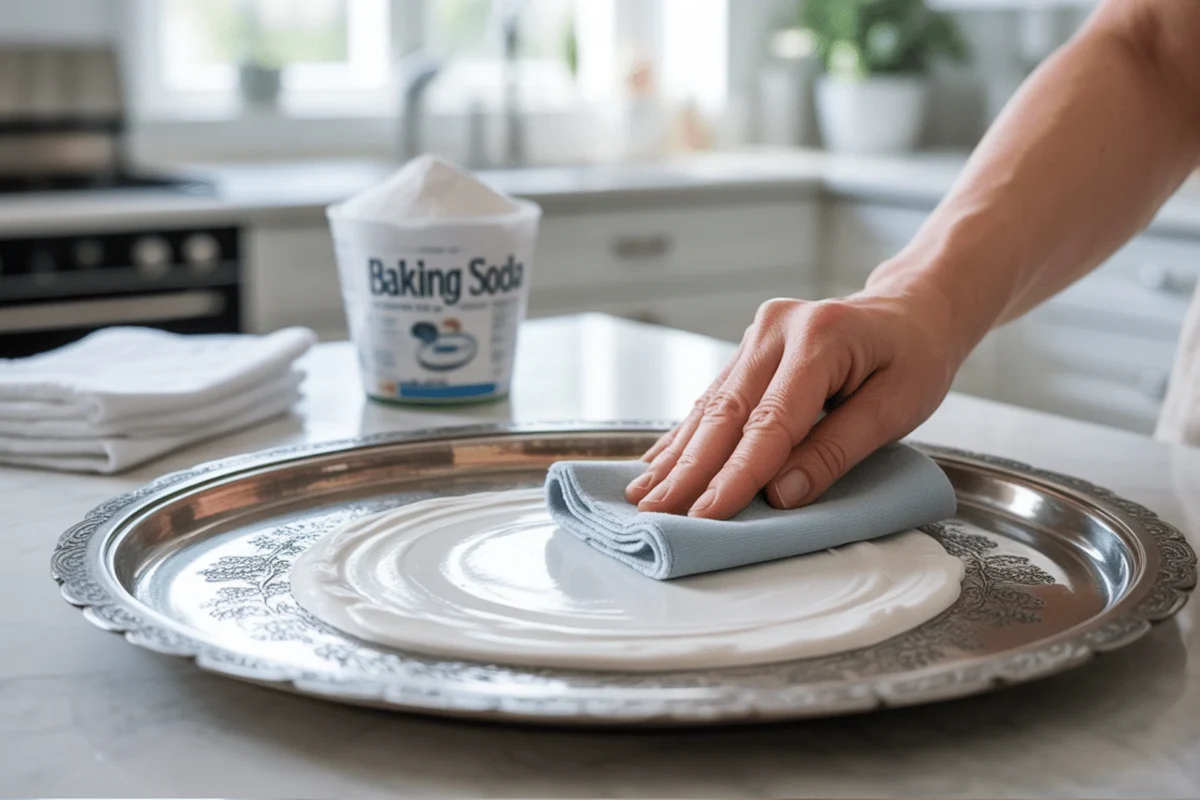
Baking soda paste is just baking soda blended with a small amount of water until it becomes a spreadable cleaner. It is still useful in 2026 because many household jobs need a mild, food-safe-feeling scrub rather than a harsh chemical blast.
How the paste works as a mild abrasive and deodorizer
Baking soda has a fine, gritty texture that helps loosen stuck-on residue without the scratch level of stronger abrasives. It also helps neutralize odors, which is why it works well on sinks, bins, cutting boards, and refrigerator surfaces.
The paste format matters because water helps the powder cling to vertical or curved surfaces. That extra contact time gives the baking soda a better chance to break up grime before you wipe it away.
When a paste is better than dry baking soda or liquid cleaners
Dry baking soda is better for absorbing odors or sprinkling into drains and bins. A paste is better when you need the product to stay in place and do a little more scrubbing on a specific spot.
Compared with many liquid cleaners, a paste gives you more control over where the abrasive action happens. That makes it useful for detail cleaning, especially on surfaces with baked-on residue or light staining.
Baking soda is alkaline, which helps it cut through some greasy soils and reduce odors, but it is not a disinfectant. If you need sanitizing or disinfection, follow the product label or official food-safety guidance.
How to Make Baking Soda Paste the Right Way
The best baking soda paste for cleaning is usually made fresh in a small bowl. Start with less water than you think you need, because a thick paste is easier to thin than a runny one.
Simple ratio for everyday cleaning jobs
A common starting point is about 3 parts baking soda to 1 part water. Stir until the mixture looks like soft frosting or toothpaste, depending on the task.
If you are cleaning a larger area, mix only what you can use right away. Fresh paste spreads more evenly and is less likely to dry into clumps before you finish.
Adjusting thickness for scrubbing, spotting, or vertical surfaces
For stuck-on residue, keep the paste thicker so it stays on the spot while you scrub. For stains or tight edges, a slightly thinner paste spreads more easily into seams and corners.
On vertical surfaces like a shower wall or the side of a sink, a thicker mix helps prevent drips. If the paste slides off, add a little more baking soda before applying it again.
Common mixing mistakes that weaken the paste
Adding too much water is the most common problem. A thin slurry loses the cling and scrub power that make the paste useful in the first place.
Another mistake is mixing in too many extras, such as oils, soap, or vinegar, when the goal is simple cleaning. Those add-ins can change the texture, reduce consistency, or create a foamy reaction that does not improve scrubbing.
7 Easy Uses That Work Around the Kitchen and Home
For everyday cleaning, baking soda paste works best on light to moderate buildup. It is especially helpful when you want to scrub without reaching for a stronger product right away.
Cleaning sinks, faucets, and drain areas without scratching
Spread a thin layer around the sink basin and faucet base, then use a damp sponge or soft brush. The paste helps loosen soap film, water spots, and grime that collects around the drain.
Rinse well so the white residue does not dry on the metal or porcelain. If you are working around a drain opening, avoid forcing abrasive particles into any damaged seal or crack.
Removing stuck-on residue from stovetops, ovens, and baking sheets
Baking soda paste can help lift baked-on food from metal baking sheets and some stovetop surfaces. Let it sit briefly so the moisture softens the residue before you scrub.
For oven interiors, follow the appliance maker’s instructions first. If the surface has a special coating or self-cleaning system, a paste may not be the right choice.
Never use baking soda paste on a hot oven or hot pan. Let cookware and appliances cool fully before cleaning to avoid burns and to keep residue from baking on harder.
Freshening cutting boards, trash cans, and refrigerator interiors
Cutting boards can benefit from a light paste scrub after washing, especially if they hold onto onion, garlic, or fish odors. Use a gentle hand and rinse thoroughly, especially on wood boards that should not stay overly wet.
Inside trash cans and refrigerator shelves, the paste can help remove sticky spills and lingering smells. For refrigerators, wipe away all residue before putting food back in, and keep raw meat leaks away from ready-to-eat foods.
Handling grout lines, tile edges, and bathroom buildup
Grout and tile edges often trap soap scum and mineral buildup. A thicker paste lets you target the line itself instead of spreading cleaner over the whole wall.
Use a soft brush rather than a hard scrub pad if the grout is older or crumbly. Excess pressure can wear away the joint material faster than the dirt comes off.
Polishing stainless steel, enamel, and ceramic surfaces safely
On stainless steel, enamel, and many ceramic surfaces, baking soda paste can help remove dull film and restore a cleaner look. Work with light pressure and follow the grain of stainless steel when possible.
If the finish is already scratched, avoid aggressive rubbing. The paste is mild, but repeated hard scrubbing can still leave visible marks over time.
If you are also comparing kitchen appliance cleaning habits, it helps to read manufacturer guidance closely. That is especially true for compact appliances, removable baskets, and coated interiors, where the wrong cleaner can shorten the finish’s life.
Spot-treating stains on containers, counters, and small appliances
Plastic containers often hold tomato sauce stains or oily film after repeated use. A small amount of paste can help lift the stain, though you should test a hidden spot first because some plastics scratch easily.
For counters and small appliances, apply the paste only where needed and wipe it off completely. This is a good spot-treatment method when a full liquid cleaner feels like too much.
Deodorizing shoes, bins, and other odor-prone household items
Baking soda paste is useful when odor and residue happen together. Shoes, bins, and similar items often need both a light scrub and odor reduction at the same time.
For fabric or mixed-material items, use a small amount and avoid soaking. If moisture could damage the item, dry application or a different deodorizing method may be safer.
Good for soap film, faucet bases, and drain rings where a paste can cling and scrub gently.
Useful for trash bins and refrigerator spots where smell control matters as much as visible cleaning.
Best Surfaces, Ingredients, and Materials to Use It On
Surface choice matters more than many people expect. Baking soda paste is mild, but it is still an abrasive, so the finish underneath determines how safe it is.
Safe surface types: stainless steel, ceramic, porcelain, glass, and sealed stone
These surfaces usually tolerate gentle baking soda paste use when you apply light pressure and rinse well. Sealed stone can sometimes handle it too, but only if the sealer and manufacturer guidance allow it.
Glass, ceramic, and porcelain are often good candidates for spot cleaning because they are hard and smooth. Stainless steel can also work well if you avoid circular scrubbing that leaves visible swirls.
What to avoid: soft plastics, unsealed stone, delicate coatings, and electronics
Soft plastics can cloud or scratch more easily than hard surfaces. Unsealed stone may absorb moisture or react badly to repeated scrubbing, and delicate coatings can wear down faster than expected.
Keep paste away from electronics, control panels, and openings where moisture can get inside. For anything with a warranty or special finish, check the care instructions first.
Why water quality and add-ins can change cleaning performance
Hard water can leave mineral film behind, which sometimes makes rinsing take longer. If your tap water is very mineral-heavy, you may need an extra wipe or a final rinse to remove residue.
Add-ins also matter. Vinegar changes the chemistry by reacting with baking soda, so the mixture will fizz and lose some of the paste’s scrubbing body. That reaction can be useful in some cleaning jobs, but it is not the same as a stable paste.
If you are cleaning food-contact surfaces, rinse thoroughly and let them dry before reuse. For sanitation concerns, use a cleaner and contact time that matches official food-safety or product-label instructions.
Step-by-Step Cleaning Method for Better Results
The method is simple, but the order matters. Good results usually come from applying the paste, giving it a short dwell time, and then removing it completely.
Application, dwell time, and scrubbing pressure
Apply a small amount first, not a thick blanket. Let it sit for a few minutes on stuck-on grime so the moisture can soften the residue.
Use light to moderate pressure with a sponge, cloth, or soft brush. If you have to press very hard, the paste may be the wrong tool for that level of buildup.
Rinsing, wiping, and drying to prevent residue
After scrubbing, wipe away the paste with a damp cloth or rinse with clean water. Leftover powder can dry into a chalky film, especially on dark or shiny surfaces.
Dry the area with a clean towel if you want to reduce streaks and water spots. This is especially helpful on stainless steel and glass.
How to repeat the process for stubborn buildup
If the grime is still there, repeat the process rather than increasing pressure right away. A second round often works better than one aggressive scrub.
For very stubborn buildup, switch to a tool or cleaner designed for that surface. Repeating a mild method is safer than forcing a finish to do more than it should.
Combine baking soda with a small amount of water until it becomes thick and spreadable.
Spread a thin layer over the dirty area and let it sit briefly.
Use a soft brush or cloth and work with light pressure.
Remove all residue, then wipe the surface dry to prevent streaks.
Common Mistakes, Safety Issues, and When Not to Use It
Baking soda paste is useful, but it is not universal. Knowing the limits helps you avoid damage and wasted effort.
Over-scrubbing and surface damage
The biggest risk is not the baking soda itself but the pressure you use with it. Hard scrubbing can dull finishes, scratch soft materials, or wear away grout.
If a spot does not improve quickly, stop and reassess. Some stains are set in the material rather than sitting on top of it.
Mixing baking soda paste with the wrong cleaners
Do not mix it casually with bleach or other strong cleaners. Combining household chemicals can create unsafe fumes or reduce cleaning effectiveness, depending on the product.
Vinegar is not dangerous in the same way as bleach combinations, but it changes the paste into a fizzing reaction instead of a steady scrub. That can be fine for certain tasks, but it is not the same tool.
Skin, eye, and ventilation precautions for home use
Even mild cleaners can irritate sensitive skin if you scrub for a long time. Wear gloves if your hands react easily, and wash up after cleaning.
Avoid getting paste in your eyes, and keep the area ventilated if you are also using other products nearby. If you are unsure about a cleaner combination, check the label before you start.
- Test a small hidden area first.
- Use soft cloths and gentle brushes.
- Rinse and dry after cleaning.
- Do not use on hot surfaces.
- Do not mix with bleach.
- Do not scrub delicate finishes hard.
Storage, Shelf Life, and When to Make a Fresh Batch
Baking soda paste is best when made fresh, because water changes its texture over time. Once mixed, it can dry out, clump, or become harder to spread evenly.
How long mixed paste keeps before it dries out or clumps
There is no single universal shelf life, since room humidity and container type affect it. In general, if the paste is no longer smooth and spreadable, it is time to replace it.
Small batches are usually the safest approach. That keeps the paste fresh and avoids storing a product that may separate or harden.
Best storage containers and labeling tips
If you do save a small amount, use a clean, sealed container and label it clearly. A simple jar or lidded plastic container works better than an open bowl.
Keep it away from food ingredients so it does not get confused with baking supplies. In a busy kitchen, that separation matters more than people think.
Signs the paste should be discarded and remade
Throw it out if it has dried into a crust, developed lumps that will not smooth out, or picked up dirt from previous use. Once the texture changes too much, the cleaning performance drops.
Make a fresh batch whenever you need reliable scrubbing or odor control. Fresh paste is inexpensive enough that remaking it is usually the smarter choice.
Final Verdict: When Baking Soda Paste Is the Smart Cleaning Choice
Baking soda paste for cleaning is a smart choice when you want a gentle, budget-friendly scrub that also helps with odors. It is especially useful for sinks, stovetops, cutting boards, bins, grout edges, and other spots that need targeted attention.
Best-use recap for budget cleaning, gentle scrubbing, and odor control
Choose it when the job calls for mild abrasion, short dwell time, and controlled application. It is a strong everyday helper for routine kitchen and home cleanup, especially when you want to avoid harsh scrubbing products.
When to choose a stronger cleaner instead
Choose a stronger cleaner when you need disinfection, heavy grease removal, mold treatment, or a finish-safe product for a special surface. If the buildup is severe or the material is delicate, follow the manufacturer’s instructions or use a cleaner made for that exact job.
For most beginners, the best rule is simple: start with baking soda paste, use gentle pressure, and stop if the surface does not like it. That approach keeps cleaning effective without turning a small mess into a bigger repair.
Baking soda paste is the right everyday cleaner when you need mild scrubbing, odor control, and low cost in one simple mix. Save stronger products for sanitizing, deep grease, or surfaces with special care instructions.
Frequently Asked Questions
A common starting point is about 3 parts baking soda to 1 part water. Add water slowly until the paste is thick enough to cling to the surface you want to clean.
Yes, stainless steel is usually a good surface for gentle baking soda paste cleaning. Use light pressure, follow the grain if possible, and rinse and dry well to avoid streaks.
Not if you want a stable paste for scrubbing. Vinegar reacts with baking soda and creates fizz, which changes the texture and reduces the paste-like cleaning action.
Usually only a few minutes is enough for light buildup. If the residue is stubborn, repeat the process rather than scrubbing harder right away.
It can be used on many food-contact surfaces if you rinse thoroughly and dry the area afterward. For sanitizing or disinfection, follow official food-safety guidance or the product label.
It is best made fresh because it can dry out, clump, or lose spreadability over time. If the texture changes, make a new batch.

