
Baking Soda Skunk Smell Removal That Really Works
Baking soda can help reduce skunk odor, especially on fabrics, carpets, and other porous surfaces. It works best after pre-cleaning, and heavy spray may still need stronger cleaners or professional help.
If you are dealing with a fresh skunk spray or a lingering odor in fabric and upholstery, baking soda can help as a first-line deodorizer. It works best when you remove as much residue as possible first and use it on the right surface.
- Best first step: Baking soda helps neutralize odor instead of just masking it.
- Works best on: Washable fabrics, carpets, shoes, bedding, and light residue.
- Main limit: Deep skunk spray often needs detergent, enzyme cleaner, or another stronger treatment.
- Safety first: Avoid mixing cleaners blindly and use extra care with pets and delicate materials.
- Most important habit: Pre-clean before deodorizing so the smell does not get trapped deeper.
Why Baking Soda Is Used for Skunk Smell Removal
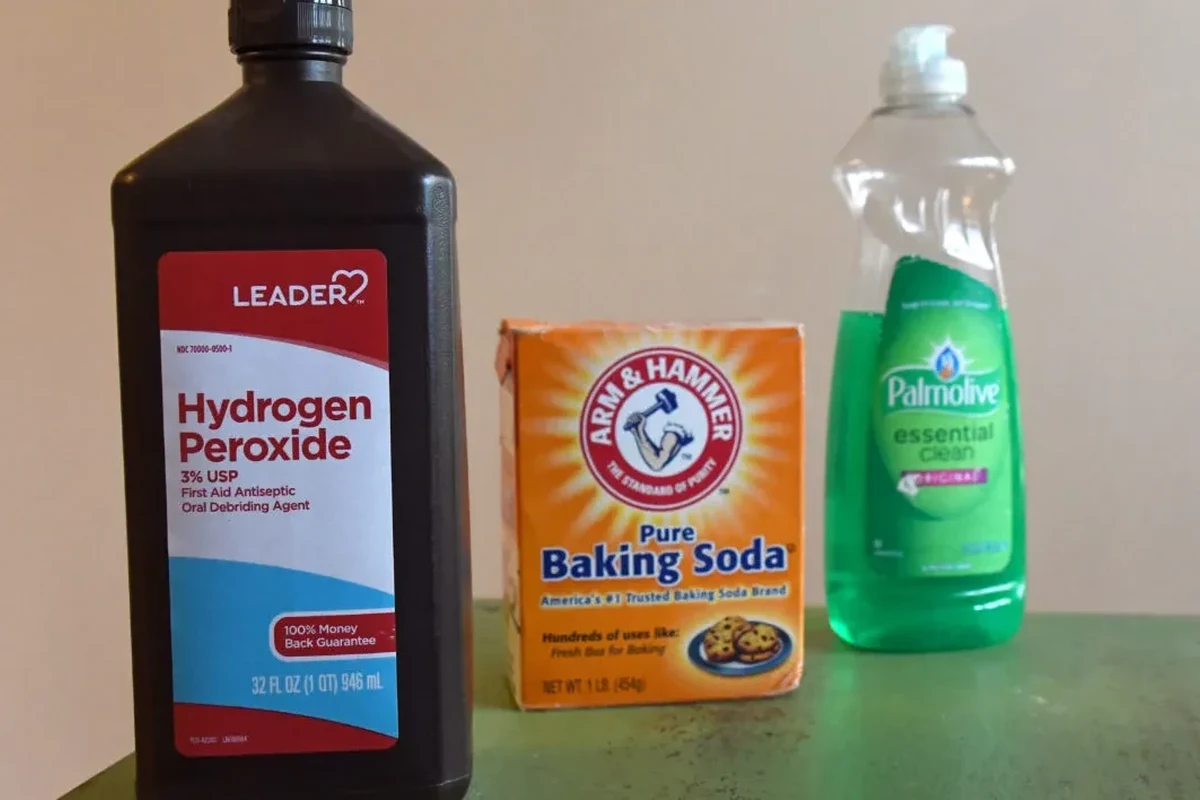
Baking soda is popular for quick odor cleanup in the kitchen, and the same basic idea applies to skunk smell: it helps neutralize odors instead of simply covering them up. That makes it useful when you want a low-cost, easy-to-find option for the first step of cleanup.
How baking soda helps with odor neutralization, not just masking
Skunk odor comes from sulfur-based compounds that cling to surfaces and keep releasing smell over time. Baking soda can absorb some odor molecules and reduce how strong the smell seems, especially on porous items like fabrics, carpets, and pet bedding.
It is not a perfume, and it does not “erase” every trace by itself. Think of it as a pantry deodorizer that helps pull the smell down to a more manageable level while you clean the source.
When baking soda works best on skunk smell and when it falls short
Baking soda works best on light to moderate odor, especially after washing or wiping away residue. It is most helpful on dry, porous, and washable materials where the smell is trapped near the surface.
It falls short when the skunk spray is heavy, oily, or deeply embedded in fur, upholstery foam, or car padding. In those cases, you usually need a stronger cleaning step before baking soda can do much.
Skunk spray is stubborn partly because it contains oily compounds, so water alone often spreads the odor instead of removing it.
What Causes Skunk Odor to Stick to Skin, Clothing, Pets, and Surfaces
The reason skunk smell lasts is simple: it does not behave like a light kitchen odor. It behaves more like an oily stain with a strong scent attached, which is why ordinary airing out often helps only a little.
Why oily sulfur compounds make the smell so persistent
The odor compounds in skunk spray are sulfur-based and oily, which helps them bond to hair, fabric fibers, and textured surfaces. Once that happens, the smell can keep coming back whenever the material warms up or gets damp.
That is why a shirt, couch cushion, or dog coat can seem better for a while and then suddenly smell again. Heat, moisture, and friction can all release trapped odor.
Common places the odor hides: fur, fabrics, shoes, car interiors, and outdoor gear
Skunk odor often settles into pet fur, clothing, shoes, blankets, car seats, carpet, and outdoor gear such as backpacks or camping chairs. Any material with pores, seams, padding, or stitching can hold onto the smell longer than a smooth hard surface.
Even a small amount can linger in laundry baskets, washing machine drums, or the trunk of a car if those areas are not cleaned too. That is why it helps to treat the source and the surrounding items together.
How to Use Baking Soda for Skunk Smell Removal Safely
Before you start, remove loose debris, blot wet residue, and ventilate the area. If you are cleaning around pets or people with sensitive skin, keep the process gentle and avoid overdoing strong cleaners at the same time.
Basic application methods for fabrics, hard surfaces, and washable items
For dry fabrics, sprinkle a generous but even layer of baking soda over the affected area and let it sit before vacuuming or shaking it out. For hard surfaces, make a light paste with water and wipe it on, then rinse or wipe again with clean water.
For washable items, baking soda can be added during a pre-soak or used as a deodorizing helper before laundering. It works best when it is given time to sit in contact with the odor instead of being wiped away immediately.
Mixing baking soda with water or other cleaning agents without making the problem worse
Water is usually the safest mixing partner for baking soda because it makes a mild paste or slurry. Avoid mixing it randomly with multiple cleaners, especially bleach or ammonia, because that can create unsafe fumes or reduce cleaning effectiveness.
If you plan to use vinegar, remember that it reacts with baking soda and creates fizz, but the fizz itself does not equal better odor removal. For skunk cleanup, it is usually better to clean first, then deodorize, rather than combine everything at once.
Safety precautions for pets, sensitive skin, and delicate materials
Keep baking soda away from your pet’s eyes, nose, and mouth. If you are treating fur, use small amounts and brush thoroughly so powder does not stay trapped against the skin.
Test delicate fabrics, leather, silk, suede, and specialty finishes in a hidden spot first. Some materials can spot, stiffen, or discolor if they are scrubbed too hard or left damp too long.
If a pet has been sprayed, use only pet-safe cleaning products and follow your veterinarian’s guidance when needed. Do not use harsh household cleaners on skin or near the eyes, and do not assume a strong smell means the pet is clean.
Step-by-Step Methods That Actually Work for Different Surfaces
The best method depends on where the odor landed. A good rule is to remove residue first, then use baking soda to help with what remains.
Removing skunk smell from clothing and bedding
Take the item outside if possible and shake off loose particles. Keep heavily affected laundry separate from clean items so the odor does not spread.
Sprinkle baking soda over the smelly areas or soak the item in cool water with baking soda before washing. Let it sit long enough to contact the fibers, not just dust the surface.
Use the fabric care label as your guide. If the smell remains after washing, repeat the treatment before drying, because heat can lock in odor.
For bedding, pillows, and blankets, the same approach applies, but drying time may be longer. If the odor is still strong after one wash, do not rush to high heat; re-treat first so the smell does not set deeper.
Treating carpets, upholstery, and car interiors
Start by blotting any wet residue with paper towels or clean cloths. Then vacuum or gently brush the area, sprinkle baking soda over the affected section, and let it sit before vacuuming again.
For upholstery and car interiors, be careful with moisture. Too much liquid can push the odor deeper into foam or padding, which makes the problem harder to fix later.
The smell returns after the room has been closed up for a few hours.
The odor is likely trapped in carpet backing, seat foam, or fabric seams. Repeat the cleaning, use fresh baking soda, and increase ventilation so trapped moisture and odor can escape.
Deodorizing pet fur and outdoor equipment
For pet fur, baking soda can help as a light deodorizing aid, but it should be used carefully and in small amounts. Brush it through the coat gently, then brush or rinse it out thoroughly so powder does not remain on the skin.
For outdoor gear, sprinkle baking soda on dry items, let it sit, and then shake or vacuum it off. If the item is washable, follow the care label and use detergent after the deodorizing step.
If you are cleaning a pet after skunk exposure, many owners also rely on a vet-approved de-skunking wash or professional groomer, especially for heavy spray or eye irritation. Baking soda may help with lingering odor, but it is not always enough for direct pet contact.
Common Mistakes That Make Baking Soda Skunk Smell Problems Last Longer
Most failed cleanups happen because the odor source was not handled correctly at the beginning. Baking soda is helpful, but it cannot compensate for skipped prep work.
Using too little product or not letting it sit long enough
A light dusting often is not enough for stubborn odor. The powder needs full contact time so it can absorb and neutralize odor molecules on the surface.
If you vacuum too soon, you may remove the product before it has done much. For stronger smells, a longer resting time usually works better than repeated quick applications.
Skipping pre-cleaning before deodorizing
If oily residue is still present, baking soda has less chance to help. Wipe, blot, or wash away the source first, then deodorize what remains.
This is similar to baking: if a pan is coated with burnt residue, a fresh layer of batter will not fix the problem. The base has to be cleaned before the next step works properly.
Assuming baking soda alone will remove heavy skunk contamination
Heavy spray can penetrate deeply enough that baking soda only reduces the smell instead of removing it. In those cases, you may need a detergent wash, enzyme cleaner, or a pet-safe specialty product.
If the odor is strong enough that it fills a room or returns after multiple cleanings, treat baking soda as one tool, not the only tool.
- Pre-clean before deodorizing
- Let baking soda sit long enough
- Repeat treatment before using heat
- Mixing cleaners without checking safety
- Scrubbing delicate materials too hard
- Expecting one pass to fix heavy spray
When Baking Soda Needs Backup: Stronger Odor Removal Options
Sometimes the most useful answer is to move from a mild deodorizer to a stronger cleaning method. That is especially true when the smell has soaked into padding, fur, or layered fabrics.
Signs the smell has penetrated deeply into materials
If the odor is strongest when the material is warm, damp, or tightly enclosed, it has probably soaked in. A smell that remains after washing, vacuuming, and airing out is another sign that the contamination is deeper than the surface.
When that happens, baking soda can still help in the final deodorizing stage, but it usually will not solve the whole problem by itself.
How vinegar, hydrogen peroxide solutions, detergents, and enzyme cleaners compare
Vinegar can help with some odors, but it does not reliably break down skunk spray on its own. Hydrogen peroxide solutions and detergents can be more effective on certain surfaces, but they must be used carefully because they can bleach, discolor, or irritate skin if handled incorrectly.
Enzyme cleaners are often useful for organic residue and can be a good match for porous materials, though product instructions vary. Always read the label and follow the manufacturer’s directions, especially for pets, upholstery, and colored fabrics.
- Baking soda is inexpensive and easy to use
- Good for light odor and final deodorizing
- Safe on many washable surfaces when used properly
- Not strong enough for deep contamination
- Can leave residue if not removed well
- May need backup cleaners for heavy spray
When to call a professional cleaner or pet groomer
Call a professional cleaner if the odor is in carpet padding, HVAC-adjacent fabrics, or a vehicle interior that has absorbed spray deeply. A pet groomer or veterinarian may be the better choice if the spray is heavy, the pet is distressed, or the eyes and face were affected.
Professional help can save time when repeated home treatment is not changing the smell. That is especially true when you are dealing with valuable upholstery, specialty fabrics, or a large area.
Storage, Cleanup, and Prevention After Skunk Exposure
Once the smell is under control, clean up your supplies so you are ready next time. Skunk odor cleanup often works better when you can move quickly and avoid spreading residue around the house.
How to store baking soda and odor-treatment supplies for fast use
Keep baking soda in a sealed container in a cool, dry place. Store it with a few cleanup basics nearby, such as gloves, cloths, a brush, and mild detergent, so you do not waste time searching during an emergency.
If you live in a skunk-prone area, it helps to keep a separate cleanup kit in the garage, laundry room, or mudroom. That way you can respond before the odor settles deeper.
Cleaning tools, laundry items, and surfaces after treatment
Wash brushes, cloths, and any reusable tools after use so they do not keep spreading odor. Empty vacuum canisters or replace bags if they picked up strong smell, because the machine itself can become part of the problem.
Laundry baskets, mop heads, and gloves should also be checked. A cleanup job is not really finished until the tools are clean too.
Practical prevention tips for homes, yards, and pets in skunk-prone areas
Reduce attractants around the home by securing trash, feeding pets indoors when possible, and cleaning up spilled food or water outside. Motion lighting and fenced areas may also help discourage nighttime visits, though no method is perfect.
For pets, supervise outdoor time at dawn and dusk when skunks are more active. If your pet has a history of wandering, having a pet-safe cleanup plan ready can save a lot of stress later.
If you are using any homemade cleaner, keep the workspace ventilated and avoid combining products unless the label specifically says it is safe. Good airflow helps with odor control and reduces the chance of breathing in irritating fumes.
Final Verdict: Is Baking Soda the Best First Step for Skunk Smell?
For most light to moderate cases, yes: baking soda is one of the best first steps because it is simple, affordable, and useful on many washable or porous surfaces. It is especially practical when you need a fast deodorizing option before moving to a deeper wash.
Best use cases for baking soda in 2026
In 2026, baking soda still makes sense for clothing, bedding, carpets, pet areas, shoes, and other items where odor is trapped near the surface. It is also a smart choice when you want a low-risk deodorizing step before bringing in stronger cleaners.
Deciding when a simple deodorizing approach is enough versus when a deeper treatment is needed
If the smell is fading after pre-cleaning, airing out, and a baking soda treatment, a simple approach may be enough. If the odor keeps returning, spreads through a room, or is embedded in padding or fur, move to a deeper treatment right away.
The best rule is to start gentle, then escalate based on what the material tells you. Baking soda is often the right first move for baking soda skunk smell cleanup, but it is not always the final one.
Baking soda is a strong first step for skunk odor because it helps neutralize smell on many surfaces without adding harsh chemicals. For heavy spray or deep contamination, use it as part of a larger cleanup plan rather than relying on it alone.
Frequently Asked Questions
Baking soda can reduce skunk odor, but it does not always remove heavy contamination completely. It works best after pre-cleaning and on lighter odors trapped in fabrics or porous surfaces.
Let it sit long enough to contact the odor, which is often longer than a quick dusting. The exact time depends on the material and how strong the smell is, so repeat the treatment if needed before heat-drying.
Yes, but use small amounts and brush it out carefully so powder does not stay on the skin. For heavy spray, eye irritation, or distressed pets, follow veterinarian guidance or use a pet-safe grooming product.
Baking soda is usually safe on many washable items, but delicate fabrics can react differently. Always test a hidden area first and avoid aggressive scrubbing on silk, suede, leather, or specialty finishes.
Not usually. Vinegar and baking soda react with each other, but the fizz does not guarantee better odor removal, and it is often better to clean first and deodorize separately.
Call a professional if the smell is deeply embedded in carpet padding, upholstery foam, or a vehicle interior, or if repeated home cleaning does not help. A pet groomer or veterinarian may also be needed for heavy pet exposure.

