
Baking Soda to Clean Couch Easy Safe Stain Removal Tips
Baking soda can help freshen a couch and reduce light odors, but it is not a strong fix for deep or greasy stains. Always check the fabric care tag, test a hidden spot, and vacuum the powder out completely.
If you want a simple way to freshen upholstery, baking soda to clean couch can help with odors and light surface soil. It is useful for maintenance, but it is not a cure-all for every stain or fabric type.
- Best use: Baking soda works well for odor control and light surface freshening.
- Safety first: Check the upholstery code and spot-test before treating the whole couch.
- Limitations: It is not ideal for grease, set-in stains, or delicate fabrics.
- Cleanup matters: Vacuum thoroughly so no powder stays in seams or cushions.
- Know when to stop: Deep stains, mildew, or strong pet odors may need professional cleaning.
Baking Soda to Clean Couch: What It Can and Can’t Do on Common Upholstery
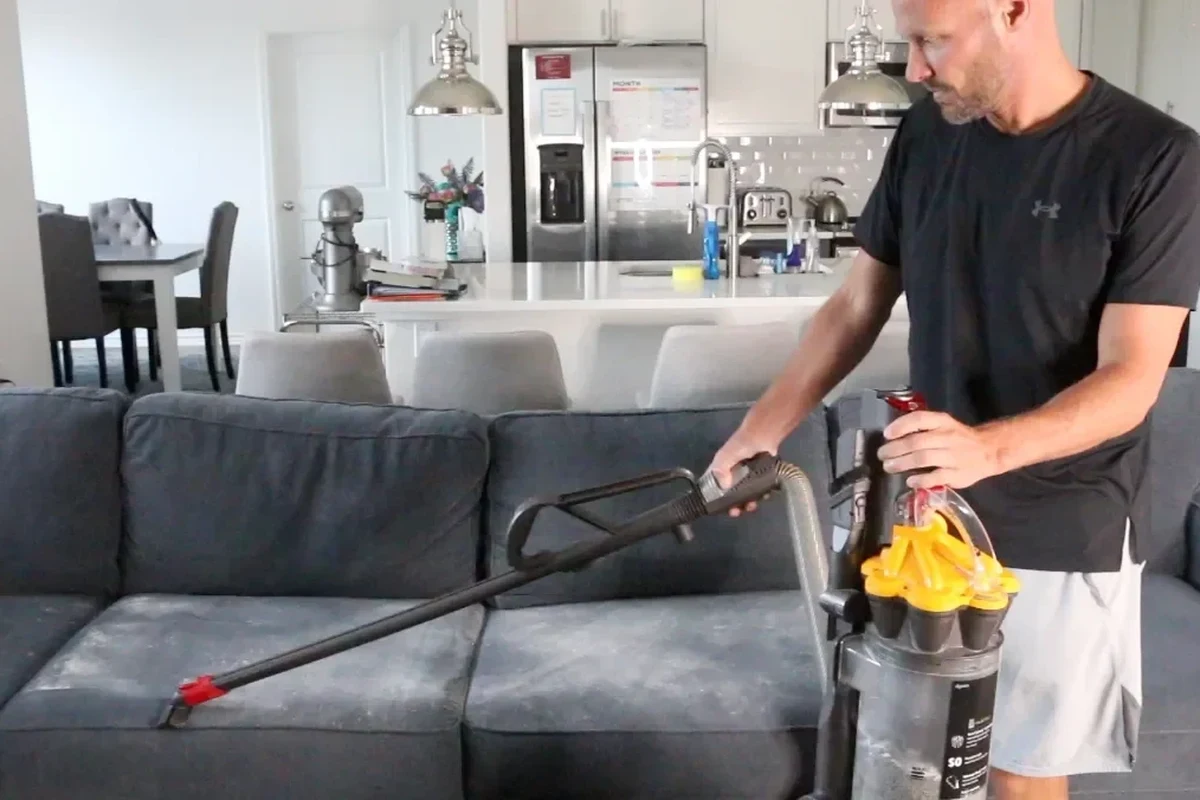
Baking soda works best as a deodorizer and a light surface cleaner. It can help absorb smells and loosen dry, dusty residue, but it does not dissolve every stain and it will not remove deeply set spills by itself.
That is why it is often paired with vacuuming and careful spot treatment. If you are comparing other gentle household uses, our guide on baking soda in laundry benefits explains a similar idea: it helps most when the mess is fresh or light.
Why baking soda is used for odor control, light soil, and fresh spills
Baking soda is mildly alkaline and has an odor-absorbing effect, which is why it is often used on fabric furniture. On a couch, that can mean less noticeable pet smell, sweat odor, or stale room odor after the powder sits and is vacuumed away.
For fresh spills, it can help pull in some moisture from the surface, especially if the liquid has not soaked deeply into the cushions. Still, it is better for cleanup support than for stain removal on its own.
Fabric types that usually tolerate baking soda well vs. fabrics to test first
Many common upholstery fabrics, such as cotton blends, polyester, and some microfiber couches, usually tolerate a light baking soda treatment well. Even then, the fabric should be dry-cleaned only if the care tag says so, and every couch should be spot-tested first.
Delicate fabrics, dyed natural fibers, and textured upholstery need more caution because powder can settle into the weave or leave a visible haze. If the couch has a specialty finish, always test in a hidden area before treating the whole surface.
When baking soda is the wrong choice: grease, set-in stains, and delicate upholstery
Baking soda is not the best answer for greasy food stains, oily makeup, or old set-in marks. Those usually need a cleaner that can break down oil or protein, not just absorb odor.
It is also a poor first choice for delicate upholstery that spots easily, such as some silks, velvets, suede, or untreated natural fabrics. In those cases, dry methods or professional cleaning are safer than guessing.
- Helps reduce odors
- Can lift light surface dust and dry residue
- Easy to find and simple to use
- Not strong enough for many set-in stains
- Can leave residue if overused
- May be unsafe for delicate or specialty fabrics
How to Check Your Couch Material Before You Sprinkle Anything
A few minutes of checking the fabric can prevent a bigger cleaning problem. The most important step is to read the care tag, because upholstery codes tell you whether water, solvents, or only dry methods are appropriate.
Reading upholstery care tags: W, S, WS, and X codes
W usually means water-based cleaners are allowed. S means use solvent-based cleaning only, WS means either water-based or solvent-based cleaning may work, and X means vacuum only.
If your couch has an X code, baking soda may still be used very lightly for deodorizing, but any moisture or rubbing can be risky. When in doubt, follow the manufacturer’s instructions for that specific piece of furniture.
Spot-testing on hidden areas to avoid discoloration or residue
Choose a hidden area, such as the back edge, under a cushion, or inside a skirt fold. Sprinkle a small amount, wait, vacuum it up, and check for color change, dullness, or a chalky film.
If the fabric looks brighter, rougher, or patchy after testing, stop there. That is a sign the couch may not handle powder treatment well, even if the fabric seems sturdy.
Warning signs that call for professional cleaning instead of DIY treatment
Call a professional if the couch has water rings, dye bleed, strong pet urine odor, mildew, or a stain that keeps spreading. These problems usually involve deeper fibers or padding, where surface powder will not reach.
Professional upholstery cleaners also make more sense when the couch is expensive, antique, or made from a fabric you cannot confidently identify. A careful service visit is often cheaper than permanent damage.
If the care tag says X, or if the upholstery is silk, suede, velvet, or another delicate finish, do not treat the entire couch with baking soda before testing a hidden area first.
Step-by-Step Method for Using Baking Soda on a Couch
The safest approach is to start dry, work gently, and remove all powder thoroughly. That keeps the couch from looking dusty or feeling gritty after cleaning.
Preparing the surface: vacuuming crumbs, dust, and pet hair first
Vacuum the couch before adding anything. Remove crumbs, pet hair, and loose dust from seams, cushion edges, and under the cushions so the baking soda can reach the fabric instead of sitting on top of debris.
This step matters because powder mixed with lint can turn into a dull film that is harder to remove later. A vacuum with a brush attachment is usually the easiest tool for the job.
Applying baking soda evenly for odor and light stain management
Sprinkle a light, even layer over the problem area rather than piling it on. A thin coat is easier to vacuum and less likely to leave residue in seams or tufting.
For odor control, focus on the seat cushions, armrests, and creases where fabric traps smell. If the spot is dry and only lightly soiled, a soft brush can help work the powder into the top fibers without scrubbing hard.
How long to let it sit based on the type of mess
For general deodorizing, a short sit time is often enough, while stronger odors may need longer contact time. Fresh, damp spots should be blotted first, then treated only after the area is no longer wet enough to spread.
Do not assume longer is always better. If the powder sits too long on a delicate fabric, it may become harder to remove completely or leave a visible cast.
Exact timing depends on the fabric, the odor strength, and how much powder you used. When the couch is only mildly stale, shorter contact time is usually safer than an overnight treatment.
Vacuuming thoroughly so powder does not linger in seams and cushions
Vacuum slowly and from several angles. Pay special attention to seams, piping, and button tufts, where powder likes to hide.
If you still see white dust after the first pass, use the brush attachment again and repeat vacuuming. Lingering powder can irritate sensitive noses and make the couch look dirty instead of clean.
Remove loose dirt, hair, and crumbs so the powder works on the fabric, not on surface debris.
Use enough to cover the area, but not so much that the couch turns chalky.
Allow contact time based on the odor or light soil, then check the result before adding more.
Remove all powder from seams, creases, and cushion edges so the fabric feels clean.
Best Ways to Treat Specific Couch Problems with Baking Soda
Different couch problems need different levels of treatment. Baking soda can help with some of them, but the method should match the mess.
Fresh spills and damp spots: what to do before the stain sets
For a fresh spill, blot first with a clean dry cloth. Press gently to absorb liquid without pushing it deeper into the cushion, then let the area dry before using baking soda on the remaining dampness or odor.
If the spill is still wet, powder can clump and make cleanup messy. For liquid stains that may spread, some readers also find it helpful to review our guide to hydrogen peroxide and baking soda uses, but only after checking fabric safety and testing first.
Pet odors and musty smells in cushions, arms, and creases
Baking soda is often most useful here because smells tend to settle into soft fabric and cushion seams. Sprinkle lightly, let it sit long enough to absorb odors, then vacuum carefully from every angle.
If the smell keeps returning, the odor may be deeper in the cushion foam rather than on the outer fabric. In that case, baking soda may improve the surface smell but not solve the root problem.
Greasy marks and food residue: why baking soda may need a partner cleaner
Grease does not respond as well to baking soda alone. The powder may absorb a little oil at the surface, but oily residue often needs a fabric-safe degreasing cleaner or upholstery shampoo.
For a small food spot, a dry scrape of solids followed by a fabric-appropriate cleaner is usually more effective than adding more powder. If you are unsure, test a small hidden area and follow the couch maker’s care instructions.
Dealing with lingering smoke or sweat odors in older upholstered furniture
Older couches often hold odors in layers, especially in the arms, seat backs, and cushion cores. Baking soda can help with surface freshness, but smoke and sweat may require repeated treatments or a professional deep clean.
If the fabric is washable by code and you are also dealing with room odors elsewhere, our article on baking soda for smoke odors covers the same odor-absorbing principle in more detail.
Baking soda is most effective as a dry deodorizer because it can be vacuumed away after it has had time to absorb odor-causing compounds near the fabric surface.
Common Mistakes That Make Couch Cleaning Worse
Most baking soda problems come from using too much product or using it too aggressively. A gentle method is usually better than a heavy one.
Using too much baking soda and leaving a dusty film behind
It is tempting to cover a bad smell with a thick layer, but excess powder often gets trapped in seams and under cushions. That can leave a chalky look and make the couch feel dusty after vacuuming.
Use less than you think you need, then repeat if necessary. Two light treatments are often better than one heavy one.
Rubbing stains aggressively and spreading the mess deeper into fibers
Hard rubbing can push dirt deeper into upholstery fibers and make the stain larger. It can also roughen the fabric nap, especially on softer materials.
Blotting, gentle brushing, and patient vacuuming are safer than scrubbing. Think of it the way you would handle a delicate pastry crumb: pressure can change the texture fast.
Adding water too early on fabrics that can spot or water-mark
Some people reach for water too quickly, but moisture can create rings or uneven drying on certain upholstery. If the care code is not clearly water-safe, dry cleaning methods are the safer first move.
This is especially important when the fabric has a visible weave or mixed fibers. Water can shift dyes or leave a border around the cleaned area.
Skipping full drying time and creating mildew risk inside cushions
If you use any damp cleaning step, the couch must dry completely. Trapped moisture in foam or batting can lead to musty smells and, in worst cases, mildew.
Open windows if the weather allows, use a fan, and do not put covers or blankets back on too soon. A couch that feels cool or slightly damp should keep drying before regular use.
Keep cleaning powders away from children and pets during use, and vacuum thoroughly so no residue is left where it can be inhaled or tracked around the room.
Safety, Fabric Care, and When to Stop the DIY Approach
Safe upholstery cleaning is mostly about matching the method to the fabric and stopping when the material shows stress. If the couch reacts badly, do not keep going just because the stain is still visible.
Ventilation, pets, and allergy considerations during cleaning
Use good ventilation while cleaning, especially if you are also using any other product with a scent or solvent. People with dust or fragrance sensitivity may prefer a light application and a thorough vacuum afterward.
Keep pets off the couch until all powder is removed. Animals can track residue into other rooms or inhale loose dust if they settle on the furniture too soon.
How to handle leather, suede, microfiber, and delicate blends differently
Leather usually needs a leather-safe cleaner and conditioner, not a dry powder treatment across the whole surface. Suede and delicate blends can be especially sensitive to texture changes, so follow the maker’s instructions closely.
Microfiber often tolerates gentle dry cleaning better than many delicate fabrics, but it still needs a test spot. If the nap changes or the area looks darker after treatment, stop and reassess.
Signs of dye transfer, shrinkage, or texture damage after treatment
Watch for color fading, dark halos, stiff patches, or a rough feel where the powder was used. Those are signs the fabric did not like the treatment or that moisture was introduced unevenly.
If the couch looks better only while damp and then dries with rings or stiffness, the method may be causing more harm than good. That is the point to stop DIY cleaning.
When to call a professional upholstery cleaner for deep stains or odor buildup
Call a professional when the stain is large, old, greasy, biological, or spread through the cushion. Deep odor in foam, repeated pet accidents, and unknown fabric blends are all strong reasons to get help.
If you have already tried a light baking soda treatment and the problem remains, more powder is usually not the answer. A trained cleaner can choose a process that fits the fabric and the stain type.
Do not keep layering baking soda over a stain that is getting darker, spreading, or developing a ring. That usually means the mess needs a different cleaner or professional attention.
Practical Decision Guide: Is Baking Soda the Right Couch Cleaner for Your Situation?
Baking soda is a good choice when your goal is quick deodorizing, light maintenance, or helping a dry surface smell fresher. It is less useful when the problem is oily, deep, or tied to delicate upholstery.
Best-use scenarios for quick deodorizing and light maintenance
Use it when the couch smells stale after regular use, when a pet has left a mild odor, or when crumbs and dry dust need a freshening step. It also works well as part of a routine between deeper cleanings.
For general home freshness, some readers also use it in other areas such as laundry and shoes, which is why related guides like baking soda for shoes cleaning and baking soda to laundry detergent benefits are popular on our site.
Situations where enzyme cleaners, upholstery shampoo, or steam cleaning are better
Enzyme cleaners are often better for pet urine and other biological stains because they target the source of the odor. Upholstery shampoo may be better for visible soil, while steam cleaning can help with deeper grime if the fabric allows it.
Always check the care tag and the cleaner label before using heat or moisture. Some fabrics can shrink, spot, or distort if the wrong method is used.
- Vacuum first
- Spot-test hidden fabric
- Use a light layer of powder
- Remove all residue with thorough vacuuming
- Scrubbing hard
- Soaking the upholstery too early
- Using baking soda on delicate fabrics without testing
- Leaving powder in seams or cushion folds
Simple maintenance routine to keep a couch fresher between deep cleans
Vacuum the couch weekly, especially the seat seams and under cushions. Blot spills right away, and use baking soda only when you need odor control or a light dry refresh.
That routine usually keeps couch care simple and prevents a small smell from turning into a bigger cleaning project. For readers who like straightforward household cleaning methods, our article on the baking soda and vinegar reaction explains why some cleaning combinations work in certain jobs but are not always the best fit for upholstery.
Final recap on safe, effective baking soda use for cleaner upholstery
Baking soda to clean couch is best for odor control, light soil, and freshening fabric between deeper cleanings. It is not the right solution for every stain, and it can cause residue or fabric problems if used too heavily or on the wrong material.
If you check the care tag, test a hidden spot, apply only a light layer, and vacuum thoroughly, you can use baking soda safely on many common couches. When the stain is deep, greasy, or on a delicate fabric, stop the DIY approach and choose a fabric-safe cleaner or professional upholstery service instead.
For any couch with an unclear care code, expensive upholstery, or visible damage after cleaning, the safest next step is to verify the manufacturer’s guidance or contact a professional cleaner.
Frequently Asked Questions
It can help with light surface soil and odors, but it usually will not remove deep or set-in stains alone. For many stains, you need a fabric-safe cleaner or professional upholstery cleaning.
That depends on the fabric and the smell or spill you are treating. Shorter contact time is usually safer for delicate upholstery, and you should always vacuum it up thoroughly afterward.
Often yes, but only after a hidden spot test. Some microfiber fabrics tolerate dry deodorizing well, while others can show residue or texture changes.
Blot the spill first and let the area stop spreading before using powder. If the fabric is still wet, baking soda can clump and make cleanup harder.
Vacuum slowly with a brush attachment and repeat from different angles. If the film remains, the fabric may need a different cleaning method or a professional upholstery cleaner.
Avoid DIY cleaning if the care tag says X, the fabric is delicate, or the stain is large, greasy, or deeply set. Those situations often need a professional cleaner or a product made for that fabric type.

