
Brush with Baking Soda to Whiten Teeth Safely and Fast

Baking soda can help remove surface stains and make teeth look cleaner, but it does not truly bleach teeth. Use it gently and only occasionally, especially if you have sensitivity or dental work.
If you want a simple at-home way to lift surface stains, you can brush with baking soda to whiten teeth, but the method needs a light touch. It can help with coffee, tea, and tobacco stains, yet it does not replace professional whitening for deeper discoloration.
- Surface stains only: Baking soda helps lift coffee, tea, wine, and tobacco stains on the outside of.
- Use lightly: A soft brush, small amount, and short brushing time reduce abrasion risk.
- Not for everyone: Sensitive teeth, gum recession, braces, crowns, and veneers need extra caution.
- Results are modest: Expect cleaner-looking teeth, not dramatic bleaching.
- Best as a helper: Pair it with fluoride toothpaste and good oral hygiene for safer results.
Can You Really Brush with Baking Soda to Whiten Teeth Safely?
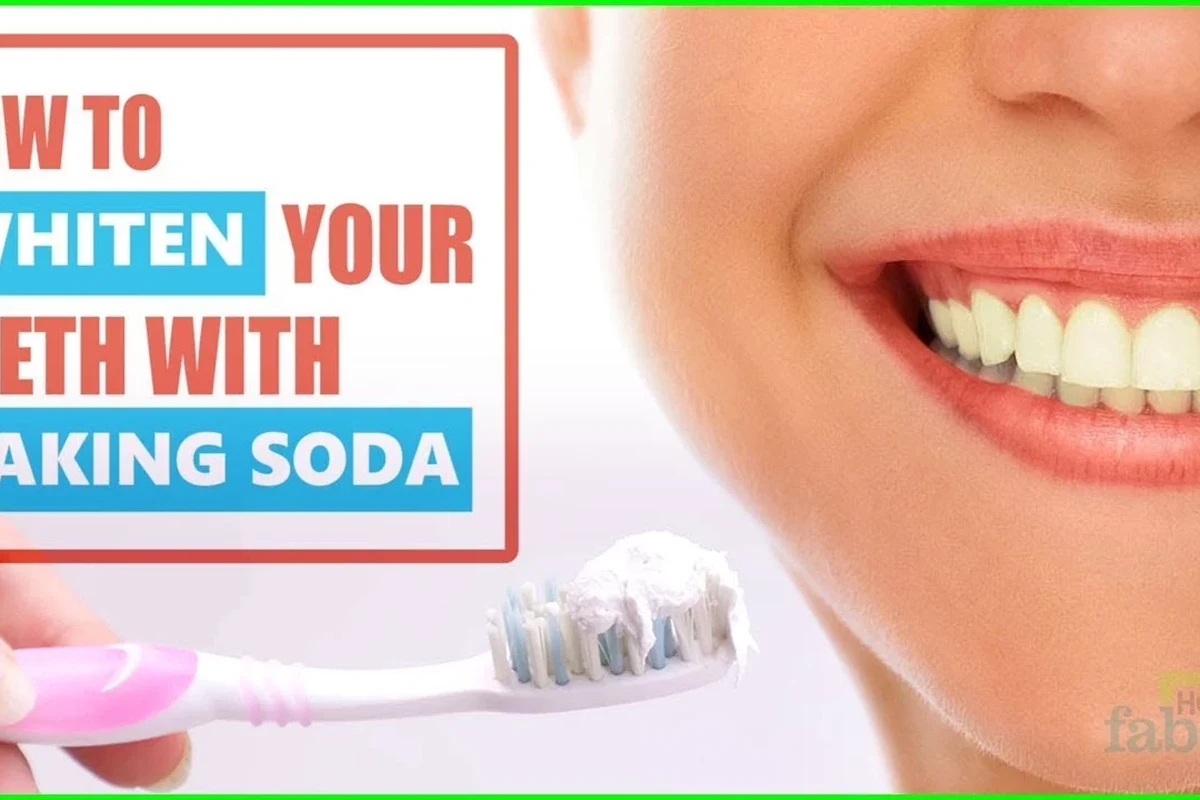
Baking soda works mainly as a mild abrasive and a gentle alkaline cleaner. That means it can scrub away some stain buildup on the tooth surface and may help neutralize acids in the mouth, but it does not bleach the tooth from the inside the way peroxide-based whitening products can.
For readers who want a broader look at the science behind this, our guide on does baking soda whiten teeth safely effectively explains why the effect is usually modest and stain-focused. The main benefit is that it can make teeth look cleaner, not dramatically lighter overnight.
What baking soda does to surface stains and why it is not a true bleach
Tooth stains from coffee, tea, red wine, and smoking often sit on the outer enamel layer. Baking soda can help loosen and remove some of that film because the powder is slightly gritty and water-soluble, so it spreads and rinses away fairly easily.
It is not a true bleach because it does not change the natural color of enamel in the way peroxide can. If your teeth look yellow from thin enamel, genetics, medication, or deeper internal staining, baking soda alone usually will not create a major change.
Baking soda has a high pH, which helps it act as a mild buffer in the mouth. That buffering effect is one reason it is often used in oral care products.
Who should avoid this method or ask a dentist first
People with very sensitive teeth, gum recession, worn enamel, active cavities, or tooth pain should ask a dentist before trying this method. The same caution applies if you have braces, crowns, veneers, bonding, or other dental work, because whitening results and abrasion risk can vary.
If you have a history of enamel erosion or frequent acid reflux, it is especially smart to get personalized guidance. A dentist can tell you whether a gentler whitening plan would be safer for your mouth.
If brushing causes pain, sharp sensitivity, bleeding gums, or a rough feeling on the teeth, stop using baking soda and switch to a dentist-recommended option.
How to Use Baking Soda on Teeth Without Damaging Enamel
The safest approach is to keep the contact brief, the pressure light, and the frequency limited. More scrubbing does not mean better whitening, and overuse can wear away enamel over time.
Dry powder, paste, and toothpaste methods compared
Dry powder is the most abrasive-feeling option, so it is usually not the best choice for regular use. A simple paste made with a small amount of water is easier to control, while a fluoride toothpaste that already contains baking soda is often the gentlest everyday option.
If you want to compare methods, think in terms of control and comfort. A toothpaste formula gives more even coverage, while a homemade paste can be used occasionally when you want a little extra stain help.
- Low-cost stain removal
- Easy to find in most kitchens
- Can freshen the mouth feel
- Can feel gritty if overused
- Does not whiten deep stains
- May irritate sensitive teeth or gums
How much to use, how often to brush, and how long to leave it on
Use only a small pinch or a thin paste, not a heavy coating. In general, a short brushing session is enough; leaving baking soda on the teeth for a long time is not necessary and may increase irritation.
For most people, occasional use is safer than daily use. If you are unsure, start with once or twice a week and pay attention to how your teeth and gums feel afterward.
There is no single perfect amount for everyone. The right frequency depends on enamel sensitivity, brushing pressure, and whether your toothpaste already contains baking soda.
Step-by-step brushing technique for minimizing abrasion
Use a soft-bristled toothbrush and dampen it so the baking soda spreads more evenly.
Dip the brush into a thin layer of baking soda or mix a tiny amount with water to form a loose paste.
Use light, circular strokes for about two minutes total, without pressing hard against the enamel.
Spit and rinse thoroughly so no gritty residue stays on the teeth or gums.
Use a soft brush and avoid aggressive scrubbing. The goal is stain removal, not polishing the teeth like a countertop.
What Results to Expect: Whitening Speed, Limits, and Realistic Outcomes
Results are usually subtle and depend on the type of stain, your brushing habits, and your natural tooth color. In a 2026 at-home routine, the best expectation is cleaner-looking teeth with some reduction in surface stains, not a dramatic cosmetic change.
Which stains respond best: coffee, tea, wine, and tobacco
Surface stains from coffee and tea often respond the fastest because they sit near the outer layer of the tooth. Red wine and tobacco stains can also improve, though tobacco buildup may take longer if it has been present for a while.
If you are also dealing with yellowing on clothing or in the laundry room, our article on baking soda for yellow stains shows how the same ingredient is often used for stain control in different settings. The principle is similar: it works best on buildup near the surface.
Why deeper discoloration and yellow enamel need different solutions
When teeth look yellow because the enamel is naturally thin or the dentin underneath shows through, baking soda cannot fully change that color. Internal staining from trauma, certain medications, or developmental factors also usually needs a different approach.
In those cases, dentist-guided whitening strips, trays, or in-office treatment may be more effective. The right choice depends on what is causing the color change, not just how fast you want results.
How soon visible changes may appear in a 2026 at-home routine
Some people notice a cleaner look after the first few uses, especially if they had fresh surface buildup. More noticeable whitening, when it happens, usually takes repeated use over time and still tends to be limited.
Do not judge progress by one brushing session. A fair test is to compare photos in the same lighting after a couple of weeks, while keeping the routine gentle and infrequent.
Common Mistakes People Make When Whitening with Baking Soda
Most problems come from treating baking soda like an intensive whitening treatment instead of a mild cleaning aid. The method is simple, but the details matter.
Brushing too hard or too often
Hard pressure can wear enamel and irritate the gums, especially along the gumline where the tissue is softer. If the brush squeaks or your teeth feel unusually smooth and sensitive afterward, you may be overdoing it.
It is better to brush lightly and stop while the teeth still feel comfortable. Whitening should not leave your mouth feeling scraped.
Mixing baking soda with acidic ingredients that increase wear
A common mistake is combining baking soda with lemon juice, vinegar, or other acidic ingredients. That can create a foamy reaction, but the acid can weaken enamel and make the routine less safe.
If you want to understand why that kind of reaction is not a cleaning shortcut, see our explanation of the baking soda and vinegar reaction. For teeth, simple is better: water and baking soda are enough.
The mouth feels sensitive or gritty after whitening attempts.
Use less baking soda, shorten the brushing time, and switch to a fluoride toothpaste with baking soda instead of a homemade paste.
Using it on sensitive teeth, braces, crowns, or veneers without guidance
Dental restorations do not whiten the same way natural enamel does. If you brush too aggressively around braces, crowns, veneers, or bonded areas, you may create uneven results or irritate the surrounding tissue.
For anyone with dental work, a dentist can help you choose a whitening plan that protects the restoration and keeps the color as even as possible.
Safety, Sensitivity, and Dental Health Considerations
Baking soda is generally considered safe in small amounts for oral use, but “safe” does not mean “best for everyone.” The main concerns are abrasion, irritation, and masking a bigger dental issue that needs treatment.
How baking soda affects enamel, gums, and mouth pH
Because baking soda is alkaline, it can help neutralize acids in the mouth after meals. That may be useful for comfort and freshness, but the whitening effect still comes from its mild abrasive action rather than any true bleaching chemistry.
Enamel does not grow back once it is worn away. That is why pressure and frequency matter so much, even with a common ingredient that seems harmless.
Signs to stop using it and switch to a gentler option
Stop if you notice tooth sensitivity, gum soreness, a burning feeling, or a rough texture on the enamel. Those signs suggest the method is too harsh for your mouth or too frequent for your current dental condition.
If symptoms continue, do not keep testing different DIY mixes. A gentler toothpaste, a desensitizing option, or a dental exam is the safer next step.
When a dentist-approved whitening plan is the better choice
If you want a more obvious color change, or if your stains are deep and long-standing, a dentist-approved plan is usually more effective. Official dental guidance is especially important when you have restorations, active sensitivity, or a history of enamel wear.
That route may take more time and cost more, but it usually gives more predictable results. It also helps you avoid the cycle of overbrushing and disappointment that can happen with DIY whitening.
Better Ways to Combine Baking Soda with a Whitening Routine
The best use of baking soda is often as one small part of a routine, not the whole routine. Good brushing habits and stain prevention usually matter more than any single ingredient.
Pairing with fluoride toothpaste and good oral hygiene habits
For most people, a fluoride toothpaste remains the daily foundation because it supports enamel health. A baking soda toothpaste can be a reasonable option if it fits your needs, but you still need consistent flossing, regular brushing, and routine dental cleanings.
Keeping plaque down matters because plaque traps pigments and makes stains look worse. If you are already using a baking soda toothpaste, you may not need a separate homemade brushing step at all.
Diet and stain-control habits that make whitening last longer
Rinsing with water after coffee, tea, or red wine can reduce how long pigments sit on the teeth. Using a straw for cold drinks and avoiding frequent sipping can also help limit new staining.
Smoking and frequent acidic drinks make it harder to keep teeth looking bright. If your goal is lasting whitening, stain control matters as much as stain removal.
How often to reassess results instead of overusing DIY methods
Check your results every couple of weeks rather than every day. That gives you a more realistic view of whether the routine is working without pushing you toward overuse.
If the change is small but your mouth feels healthy, that may be the right balance. If you want more than a small improvement, it is usually time to consider a dentist-guided option instead of adding more baking soda.
When Baking Soda Is Worth It and When It Is Not
Baking soda is worth considering when you want a low-cost way to reduce fresh surface stains and you do not have dental sensitivity or restorations that make whitening tricky. It is also helpful if you want a simple, familiar ingredient and you are willing to accept modest results.
Best use cases for budget-friendly stain removal
This method makes the most sense for occasional touch-ups, not daily cosmetic whitening. It is especially practical for people who mostly want a cleaner look after coffee, tea, or tobacco exposure.
If your main concern is routine maintenance, the ingredient can fit into a simple oral-care plan without much expense.
Situations where professional whitening or non-abrasive alternatives win
Professional whitening is usually the better choice for deeper yellowing, internal discoloration, or anyone who wants a faster and more visible change. Non-abrasive alternatives also make more sense if your teeth are already sensitive or worn.
That is the same reason many kitchen tasks depend on the right tool instead of the harshest one. A gentler, better-matched method often gives the cleaner final result.
Final recap on choosing the safest fast whitening approach
If you want to brush with baking soda to whiten teeth, keep the routine light, brief, and occasional. Use it as a surface-stain helper, not as a substitute for dental care or a true whitening treatment.
The safest fast approach is usually a soft brush, a small amount of baking soda, and realistic expectations. If you need a bigger change or have any sensitivity concerns, a dentist-approved plan is the smarter next step.
Baking soda can help brighten teeth by removing surface stains, but it should be used gently and not too often. For deeper whitening, sensitivity issues, or dental work, professional guidance is the safer and more effective choice.
Frequently Asked Questions
Most people should use it only occasionally, such as once or twice a week, if it feels comfortable. Daily use can increase abrasion and sensitivity.
It may help with surface stains, but it usually cannot change deep yellow color from enamel thickness or internal staining. For that, a dentist-approved whitening plan is often better.
No, acidic ingredients like lemon juice can increase enamel wear. Water is the safer choice for making a simple paste.
Some people notice a cleaner look after a few uses, especially with fresh surface stains. Bigger changes, if they happen, usually take time and are still modest.
It is better to ask a dentist first because baking soda can feel too abrasive for sensitive teeth. A gentler whitening toothpaste may be a safer option.
No, regular fluoride toothpaste is still important for daily enamel protection and cavity prevention. Baking soda is best treated as an occasional helper, not a full replacement.