
Baking Soda to Whiten Clothes Easy Tips That Work

Baking soda can help whites look fresher by reducing odors and boosting regular laundry cleaning, but it works best on light dullness rather than deep stains. Use measured amounts, follow fabric labels, and pair it with detergent for the safest results.
Baking soda can help whites look cleaner, fresher, and less dingy, but it is not a miracle whitener. Used the right way, it can support laundry detergent, reduce odors, and lift some light soil without the harshness of stronger whiteners.
- Best use: Works well for dingy cotton whites, towels, sheets, and everyday basics.
- Main limit: It is not strong enough for rust, heavy yellowing, or set-in stains.
- Safe method: Measure carefully, use detergent, and follow garment care labels.
- Mixing caution: Avoid assuming vinegar or bleach will improve results when combined casually.
- Practical result: Expect fresher, brighter-looking laundry, not a complete restoration.
Why Baking Soda Helps Whiten Clothes and What It Can and Cannot Do
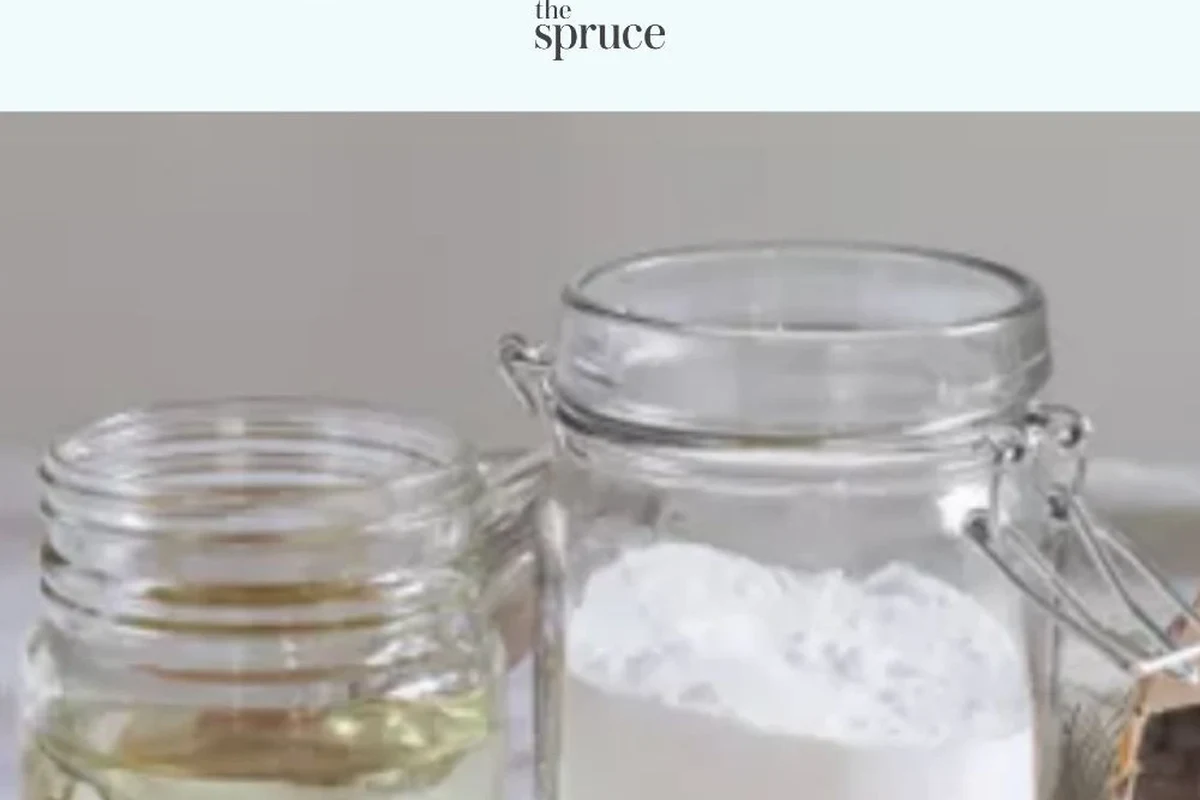
Baking soda works best as a gentle laundry helper, not a heavy-duty stain remover. It can improve how whites look by softening wash water a little, helping detergent work more evenly, and neutralizing odors that make fabric seem less fresh.
If you want a deeper look at how baking soda behaves in laundry, our guide on baking soda in laundry benefits explains why it is often used as a low-cost booster. It is especially useful when whites are only mildly dull, not badly damaged.
How baking soda works on odors, light stains, and detergent boost
Baking soda is mildly alkaline, which helps loosen some grime and reduce acidic odors from sweat and food. That is why it can make shirts, socks, and towels smell cleaner even before you notice a big visual change.
It also helps detergent spread through the load more evenly. In practical terms, that can mean less leftover residue and a brighter-looking finish, especially when laundry is not overloaded.
Baking soda is often most noticeable on fabric when the problem is odor, light graying, or detergent buildup rather than a single dark stain.
When baking soda is not enough for yellowing, rust, or set-in stains
Yellow underarm marks, rust spots, and old stains usually need a stronger or more targeted method. Baking soda may help a little, but it rarely reverses deep discoloration on its own.
For yellowing, it can be useful to pair washing habits with a stain-specific approach, like the methods covered in our article on baking soda for yellow stains. If the fabric is badly damaged or the stain has been heat-set in a dryer, results will be limited.
Best Ways to Use Baking Soda to Whiten Clothes in 2026
There are three practical ways to use baking soda for whites: pre-soaking, adding it to the wash cycle, and spot-treating problem areas. The best method depends on how dull the clothing looks and how much buildup you are dealing with.
Pre-soak method for dingy whites
Pre-soaking is a good choice when whites look tired but are not heavily stained. Dissolve baking soda in water first, then soak the clothes so the solution can reach the fibers before the main wash.
Use enough water to fully cover the item. Stir in baking soda until it is mostly dissolved.
Let the whites sit long enough for the water to loosen surface soil. Check the fabric periodically, especially with delicate items.
Run the clothes through a normal detergent wash after soaking. Do not skip detergent, because baking soda is a helper, not a full replacement.
Wash-cycle method with detergent
Adding baking soda directly to the wash is the easiest routine for busy households. It works best on everyday whites such as towels, T-shirts, and sheets that need a general brightness boost.
For a broader look at how baking soda supports detergent, see our article on adding baking soda to laundry detergent. The key is to use it as a supplement, not as the only cleaning agent.
If your washer has a detergent drawer or a specific prewash compartment, check the machine manual before adding baking soda there. Washer design and dispenser layout can vary by model.
Spot-treatment method for collars, cuffs, and underarm areas
Collars and cuffs often collect body oils, skin care residue, and detergent buildup. A small baking soda paste can help loosen that grime before the item goes into the wash.
Apply the paste lightly, rub it in gently with your fingers or a soft cloth, and rinse or wash soon after. Avoid aggressive scrubbing on thin cotton or knit fabric, since that can roughen the surface and make the area look even duller.
Exact Measurements and Safe Mixing Tips for Better Whitening Results
More baking soda is not always better. Too much can leave powdery residue, especially in cooler water or in short wash cycles, so measured use matters.
How much baking soda to use per load size
A practical starting point is a small amount per regular load, then adjust based on load size and water level. For a smaller load, use less; for a larger load, use a bit more, but avoid turning the washer into a baking soda bath.
- Check the garment care label
- Sort whites from colors
- Test any stain area for colorfastness
- Use detergent along with baking soda
If you want to understand when baking soda is fresh enough to use well in laundry, our article on whether baking soda expires can help. Old, damp, or clumpy baking soda may still work poorly in practice even if it is technically safe to keep.
Water temperature choices for cotton, blends, and delicate whites
Warm water often helps on cotton whites because it dissolves detergent and baking soda more easily. That said, not every white item should be washed warm or hot, especially if the care label says cold water only.
Cotton towels, sheets, and sturdy tees usually respond well to warmer settings, while blends and delicate whites often do better in cool or lukewarm water. Always follow the care label first, because fabric construction matters more than the color alone.
Do not mix baking soda with chlorine bleach in the same container or use it as a shortcut for bleach safety. Always follow the product label and washer instructions, and keep bleach use separate unless the manufacturer specifically says otherwise.
What to avoid mixing with baking soda, bleach, vinegar, or enzyme detergents
Mixing baking soda with vinegar creates fizz, but that reaction mostly cancels out the cleaning advantage of each ingredient when used together in the same step. If you want to understand the chemistry better, our guide on the baking soda and vinegar reaction breaks it down clearly.
Enzyme detergents are usually fine to use in the same laundry routine, but it is better to follow the detergent instructions and avoid overloading the wash with extra additives. When in doubt, keep the process simple: detergent, water, and a measured amount of baking soda.
Which White Fabrics and Clothing Items Respond Best to Baking Soda
Some whites respond better than others because of fiber type, weave, and how much body soil they collect. The most reliable results usually come from sturdy, washable fabrics that can handle regular laundering.
Cotton T-shirts, socks, towels, and sheets
Cotton is usually the easiest fabric to brighten with baking soda because it tolerates routine washing and often holds odors and residue. Socks, towels, and sheets can look especially improved when the issue is dullness rather than a specific stain.
Towels in particular can feel fresher after a baking soda wash because it helps with odor and buildup. That said, soft water, detergent amount, and dryer habits all affect the final look.
School uniforms, work shirts, and everyday basics
Uniform shirts and work basics often show collar grime, sweat lines, and repeated wear before they show obvious stains. Baking soda is useful here because it supports regular cleaning without being as harsh as some stronger whiteners.
For uniforms and work shirts, treat the collar and underarm area first, then wash the full garment. That two-step approach often works better than trying to brighten the whole shirt at once.
Delicates, wool, silk, and embellished garments that need extra caution
Delicate whites, wool, silk, beading, lace, and embellished pieces need much more caution. Some of these fabrics can react poorly to soaking, rubbing, or alkaline cleaners, even mild ones.
When a garment has special finishes, trims, or a dry-clean-only label, baking soda may not be the right choice. In those cases, the safest move is to follow the label or use a professional cleaner.
Common Whitening Mistakes That Make Clothes Look Dull Instead of Bright
Many whitening problems come from process mistakes, not from the ingredient itself. If the load is overloaded, the water is too cool, or the detergent is too weak, baking soda will not be able to do much.
Using too much baking soda or combining it with the wrong products
Too much baking soda can leave a chalky feel or residue on fabric. It can also make people think the load is being “extra cleaned” when the washer is actually struggling to rinse everything out.
- Measure baking soda instead of pouring freely
- Keep detergent in the wash routine
- Rinse or rewash if residue appears
- Mixing multiple strong cleaners together
- Using baking soda as a substitute for detergent
- Assuming more powder means better whitening
Expecting baking soda to remove every stain type
Baking soda is not the best answer for rust, ink, heavy dye transfer, or old protein stains that have already set. Those problems often need a stain-specific product or a different cleaning approach.
If a white item has bleach damage, the problem is not dirt at all. For that situation, our article on baking soda for bleach stains explains what can and cannot be repaired.
Skipping fabric care labels and colorfastness checks
Always read the care label before soaking or spot-treating. Even white clothing can include mixed fibers, special finishes, or decorative thread that changes how it should be washed.
When you are unsure, test a hidden area first. A small check can prevent a bigger problem like fading, texture change, or seam damage.
Practical Whitening Routine for Busy Households and Laundry Rooms
A simple routine works better than occasional overcorrection. If you keep up with regular washing, baking soda can help whites stay in the “clean and bright” range longer.
Step-by-step weekly routine for keeping whites bright
Keep whites separate from darks and heavily dyed items to reduce transfer and dulling.
Handle collars, cuffs, and underarms before the wash so grime does not stay trapped in the fibers.
Use the normal detergent amount, then add measured baking soda if the fabric and washer allow it.
Remove clothes promptly and dry them according to the care label. Lingering dampness can bring back odors and a gray look.
How to handle sweat stains, food marks, and everyday graying
Sweat stains often benefit from prompt washing, pretreatment, and less heat during the first pass. Food marks are easier to handle when you treat them before they dry and set deeper into the fabric.
Everyday graying usually comes from a mix of detergent buildup, body oils, and repeated wear. Baking soda can help here, but the biggest improvement usually comes from better sorting, proper detergent dosing, and not overcrowding the machine.
Examples of before-and-after results you can realistically expect
Realistically, baking soda may make a white shirt look fresher, reduce odor in towels, and soften the look of light dinginess. It usually will not turn a yellowed shirt into a brand-new one.
- Gentle on many washable whites
- Helps with odor and mild dullness
- Low-cost and easy to keep on hand
- Weak on deep stains and heavy yellowing
- Can leave residue if overused
- Not suitable for every fabric type
When to Choose Baking Soda Over Other Whitening Methods
Baking soda is a good first choice when you want a gentle, budget-friendly helper. It is especially appealing for routine laundry care, not emergency stain rescue.
Comparing baking soda with bleach, oxygen bleach, and laundry boosters
Bleach is stronger and can whiten more aggressively, but it also carries more risk of fabric damage and requires careful label reading. Oxygen bleach is often a middle ground for many white fabrics, while laundry boosters may target specific problems like odor or residue.
If you are comparing cleaning chemistry in general, our article on hydrogen peroxide and baking soda may also be useful, but that combination is not the same as a standard laundry routine. Match the product to the stain and the fabric instead of assuming one method fits all.
Best use cases for budget-friendly, gentle whitening
Choose baking soda when the whites are only slightly dull, when odors are the main issue, or when you want a mild booster for everyday laundry. It is also useful if you are trying to reduce reliance on harsher products.
For families doing frequent loads of school clothes, socks, towels, and basics, it can be a practical regular add-on. It is simple, affordable, and easy to adjust based on the load.
Situations where a stronger product or professional cleaning is the better choice
If you are dealing with rust, heavy yellowing, dye transfer, or a garment labeled dry clean only, a stronger or more specialized method is usually better. Delicate fabrics and expensive items should not be treated with guesswork.
When in doubt, follow the garment care label and the cleaner or washer manufacturer instructions. That is the safest way to avoid turning a fixable laundry problem into permanent fabric damage.
Final Verdict: Is Baking Soda to Whiten Clothes Worth It for 2026 Laundry Care?
Yes, baking soda to whiten clothes is worth it when you want a gentle, low-cost way to freshen whites and reduce light dullness. It works best as part of a smart laundry routine, not as a stand-alone miracle product.
Recap of the safest and most effective approach
The safest approach is to measure baking soda, keep detergent in the wash, and choose the right method for the fabric. Pre-soak for dingy items, wash-cycle use for routine loads, and spot treatment for collars and cuffs are the most practical options.
For a broader laundry perspective, it helps to think of baking soda the same way you would think about a supporting ingredient in baking: useful, but only effective when the rest of the process is right. Load size, water temperature, fabric type, and stain age all change the outcome.
Simple decision guide for choosing the right whitening method
If the fabric is sturdy and only mildly dull, start with baking soda. If the stain is deep, the yellowing is old, or the garment is delicate, move to a more targeted product or professional care.
Baking soda is a smart first-step whitener for everyday laundry, especially when you want a gentle and affordable option. For severe stains or delicate fabrics, use a stronger or specialized method instead of pushing baking soda beyond its limits.
Frequently Asked Questions
Use a measured amount based on load size rather than pouring it in freely. A small to moderate amount works best for regular loads, and detergent should still be used.
No. Baking soda can help with odor and mild dullness, but detergent is still needed to remove soil and clean the fabric properly.
Not always. Cotton and other sturdy washable whites usually respond best, while wool, silk, embellished garments, and dry-clean-only items need extra caution.
Do not mix it with bleach unless the product label says it is safe, and avoid using vinegar in the same step because the fizzing reaction reduces the cleaning benefit.
It may help with light buildup, but deep yellowing usually needs a stain-specific treatment. Older stains often need stronger methods than baking soda alone.
Warm water often helps on sturdy cotton whites, but the garment care label should always come first. Delicates and blends may need cool or lukewarm water.